REVIEW · GOA
Full Day Private Guided Goa Tour
Book on GetYourGuide →Operated by Apollo Voyages (India) · Bookable on GetYourGuide
Goa in one day, thoughtfully routed. I like how this private tour stitches together Fontainhas in Panjim and the old Latin Quarter feel with the jaw-drop baroque look of Basilica of Bom Jesus, tied to St. Francis Xavier. Your English-speaking guide keeps the stops in context, so you are not just collecting photos of old stone.
One thing to plan for: entrance fees for monuments are not included, so set aside a little extra budget for what you enter. It’s an 8-hour day too, so wear comfy shoes and accept that you will see a lot, not every single corner of Goa.
In This Review
- Key Highlights Worth Getting Excited About
- A Smart One-Day Route Through Goa’s Christian and Hindu Chapters
- Private Car, Professional Driver, and an English Guide Who Can Explain the Why
- Fontainhas in Panjim: Where You Feel the Portuguese Past
- Old Goa’s Basilica of Bom Jesus: Baroque Detail and St. Francis Xavier
- Sé Cathedral and St. Francis of Assisi: Portuguese-Gothic Meets Quiet Courtyard Time
- Shri Mangueshi Temple: White Tower Calm and Deepastambha Details
- Shri Shantadurga Temple in Kavlem: Indo-Portuguese Lines and Durga’s Peaceful Form
- Sahakar Spice Farm: The Senses Stop That Makes the Whole Day Feel Balanced
- How the 8-Hour Timing Feels in Real Life
- Price and Value: What $98 Covers and What You Should Budget On Top
- Practical Tips So You Don’t Lose Time at the Wrong Moment
- Who This Tour Fits Best (and Who Might Want Something Different)
- Should You Book This Full Day Private Guided Goa Tour?
- FAQ
- What is the duration of the Full Day Private Guided Goa Tour?
- Where does the tour pick up?
- Is this tour private or shared?
- What is included in the price?
- Are monument entrance fees included?
- Is the tour refundable if my plans change?
Key Highlights Worth Getting Excited About
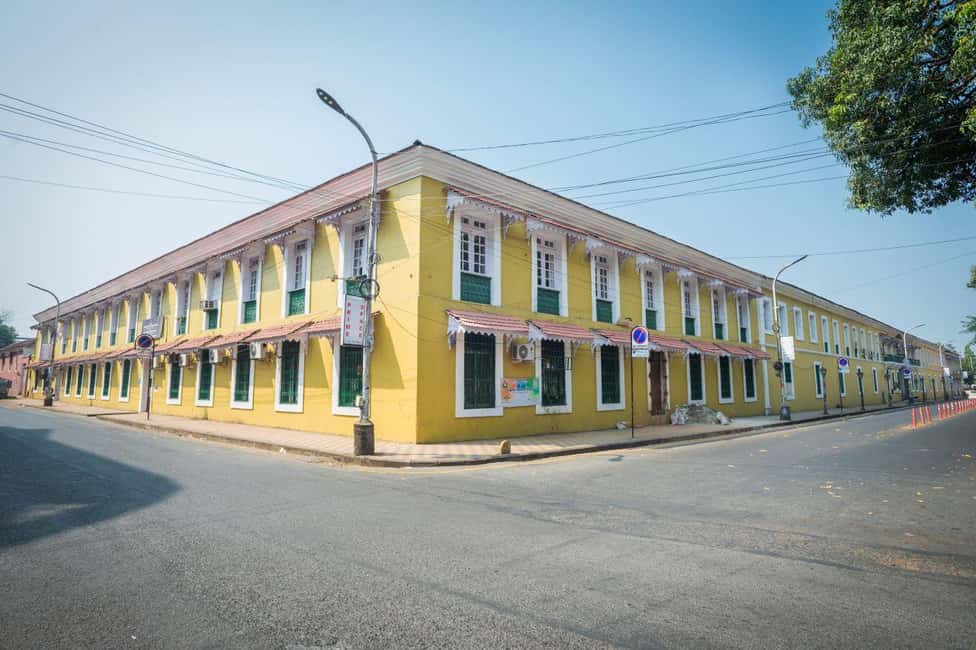
- Panjim’s Fontainhas on foot: narrow lanes, colorful Portuguese-style houses, and an easy wander vibe
- Basilica of Bom Jesus: baroque architecture and the devotional weight of St. Francis Xavier’s mortal remains
- Sé Cathedral + nearby St. Francis of Assisi church: Portuguese-Gothic details, chapels, courtyard calm, and museum context
- Shri Mangueshi and Shri Shantadurga temples: two different sacred moods, with distinctive towers and Indo-Portuguese/Hindu architecture
- Sahakar Spice Farm time: a hands-on break from churches and temples that gives you senses, not just facts
A Smart One-Day Route Through Goa’s Christian and Hindu Chapters
This tour works because it treats Goa like what it is: a place where religions, empires, and everyday life overlap. You start with the urban Portuguese influence in Fontainhas, then shift to the big church sites of Old Goa, and then finish with major Hindu temples. It is a simple order on paper, but it feels like a real change of pace in the day.
You also get a private setup, meaning the timing is easier than joining a bus with strangers. The day is designed for walking inside heritage areas and learning what you are looking at, not just racing past them. If you are short on time in Goa and want the big-ticket heritage without the stress of planning every stop, this is a strong format.
You can also read our reviews of more guided tours in Goa



Private Car, Professional Driver, and an English Guide Who Can Explain the Why
The tour includes transportation by a private air-conditioned car within the city limit, plus a professional driver who speaks good Hindi and English. Depending on your group size, you are either in a 1–2 Pax A/C sedan or a 3–5 Pax A/C SUV.
Then there is the real difference-maker: a private professional English-speaking tour guide. The best feedback I saw was about guides who stay calm, are friendly, and explain history in a way that sticks. Anand is one name that comes up in top reviews for being flexible and clear, and for making the day feel organized instead of chaotic.
Practical note: the day includes bottled water (one bottle per person during the activity), but it does not include monument entry fees. That matters because some stops are about buildings you can only properly appreciate once you are inside.
Fontainhas in Panjim: Where You Feel the Portuguese Past
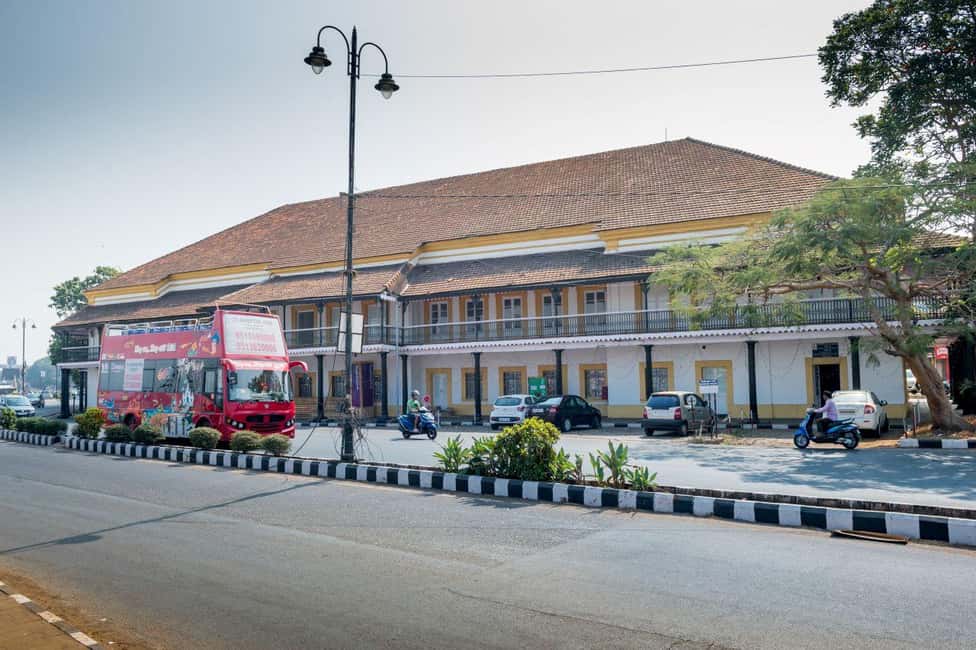
Fontainhas is where the day gets its personality. This is Panjim’s old Latin Quarter, and it has that postcard look you hope for: narrow winding streets, colorful Portuguese-style houses, and balconies trimmed with bougainvillea.
I like this part because it does two jobs at once. First, it makes your later Old Goa church sites easier to understand. You begin to see the Portuguese influence as architecture and street life, not just “a church thing.” Second, it gives you a lighter, human-paced moment in the schedule. You are walking alleys, spotting small art galleries or heritage homes, and catching glimpses of local rhythm (including a chance to see something like a traditional bakery if the route/time allows).
A tip for your photos: street scenes look best when you slow down at corner turns. This is not a stop where you rush to the main door; it is about the lanes between the buildings.
Old Goa’s Basilica of Bom Jesus: Baroque Detail and St. Francis Xavier
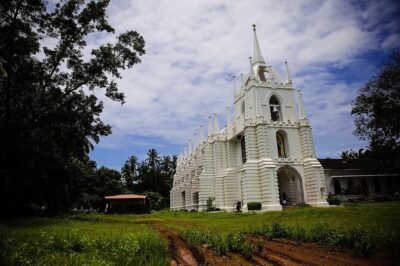
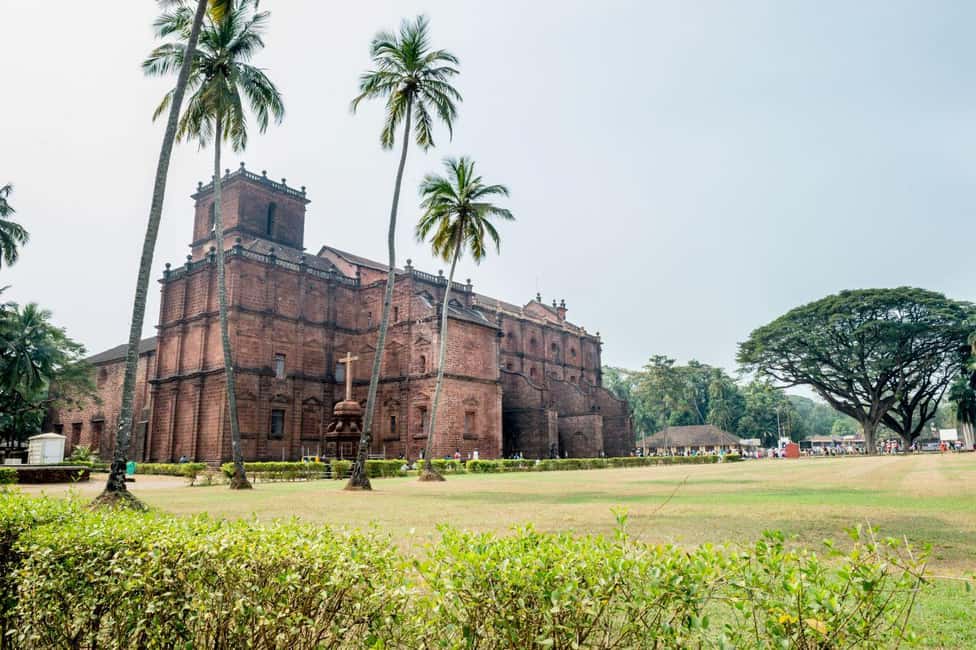
Once you head to Old Goa, the atmosphere shifts from street-level life to big religious heritage. The Basilica of Bom Jesus is the first major anchor, and the guided visit is about one hour.
This is a strong stop even if you do not usually get excited about church interiors, because the scale and detail are hard to ignore. You are looking at baroque architecture with richly gilded altars, plus the big devotional connection: the basilica houses the mortal remains of St. Francis Xavier. That makes it a pilgrimage-worthy site, and it explains why people stand, look up, and slow down when they enter.
What you will get most from a guided visit here is interpretation: how the building’s look links to Catholic devotion and Portuguese-era influence in Goa. Without that context, it can feel like “a very pretty church.” With it, it becomes a story you can actually follow.
Dress and manners: treat the basilica like a worship space. Keep things respectful, move carefully, and plan time for security or entry lines if they exist.
Sé Cathedral and St. Francis of Assisi: Portuguese-Gothic Meets Quiet Courtyard Time
Next up is the Sé Cathedral, dedicated to St. Catherine, and it is described as the largest church in Asia. Your guided time here is about 30 minutes, so you get a focused look: Portuguese-Gothic architecture, key chapels, and enough time in the courtyard to reset.
Right nearby is the Church of St. Francis of Assisi, known for Portuguese-Manueline style. If you enter, you will also have access to an attached museum that brings religious art and artifacts into the mix. This is where your guide can connect dots between styles. Manueline details can look like pure decoration until someone explains what to look for, and then suddenly the design feels intentional.
Because the schedule is tight, you’ll want to choose what you want most:
- If you love architecture, aim to spend a little extra attention at key facades and interior details.
- If you want the story, let your guide steer you through what matters.
You can also read our reviews of more private tours in Goa






Shri Mangueshi Temple: White Tower Calm and Deepastambha Details
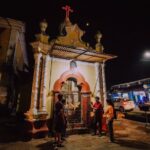
After Old Goa, the day turns more spiritual and more local. Shri Mangueshi Temple is in the village of Mangeshi near Ponda, dedicated to Lord Shiva. Your visit is about one hour, and it is framed as one of the most prominent sacred Hindu sites in Goa.
This temple is visually distinctive: an elegant white tower and an octagonal lamp tower (deepastambha). The setting also tends to feel calmer than the church zones, which helps your brain shift modes. If you go in thinking you will just “tick off another stop,” you might miss the point. The value is the atmosphere: the temple’s pace and the way Goan worship lives alongside daily life.
As a practical matter, you’ll likely want to keep your pace moderate and your attention on the main areas of worship, not the tourist-photo route only. A guide helps here too, because temples reward a bit of understanding about what parts are sacred and why.
Shri Shantadurga Temple in Kavlem: Indo-Portuguese Lines and Durga’s Peaceful Form
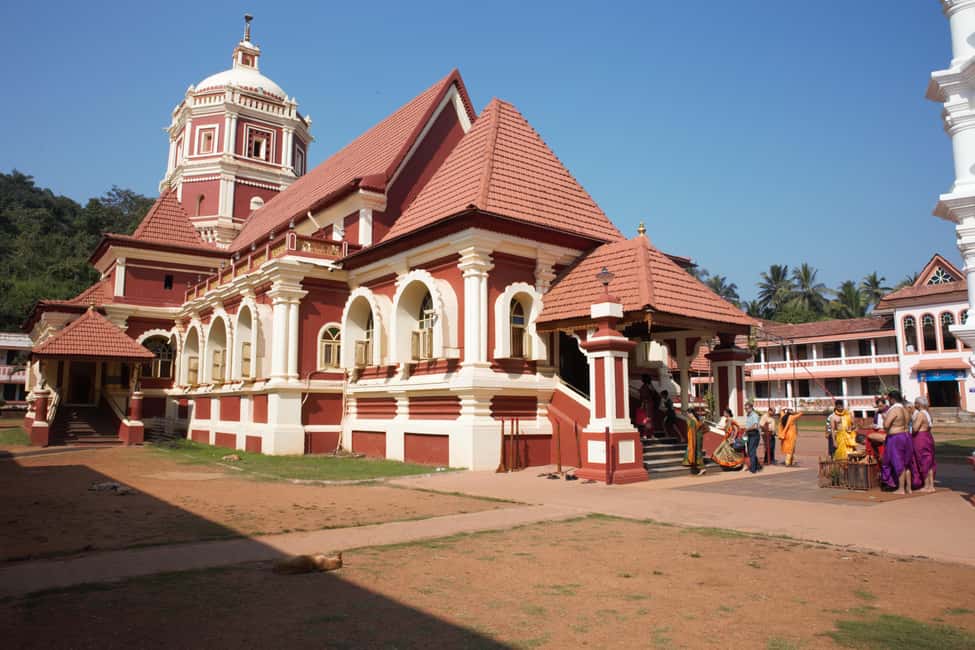
The last temple stop is Shri Shantadurga Temple in Kavlem, dedicated to the goddess Durga in her peaceful form as a mediator between Vishnu and Shiva. The complex is described as expansive and well maintained, with a red-colored facade, pillars, and gardens.
Architecturally, it is a blend of Indo-Portuguese and Hindu styles, which gives you a nice contrast after Mangueshi. If Mangueshi feels like serene Shiva devotion, Shantadurga feels like a bigger, more landscaped spiritual space.
Even if you are not a ritual-expert, you can still appreciate the design logic: how the facade color, the layout, and the surrounding grounds shape how people move and pause. This is also one of those stops where the tour format makes sense, because you only get a limited number of hours in Goa. You might not reach this temple area at all without a guide.
Sahakar Spice Farm: The Senses Stop That Makes the Whole Day Feel Balanced
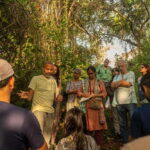
The itinerary also includes time at the Sahakar Spice Farm, which is a big highlight for many people because it breaks up the heavy heritage theme with something more hands-on.
I like spice farm visits for one reason: they do not ask you to memorize dates or names. They get you to notice smells, textures, and everyday plants that shaped trade and local cooking. And in the feedback I saw, the spice farm time was often singled out as a favorite moment of the day.
Since the schedule is only 8 hours, this isn’t a slow-day garden experience. Still, it is a worthwhile addition because it turns Goa’s Portuguese past and temple heritage into something tied to daily life and local economy.
How the 8-Hour Timing Feels in Real Life
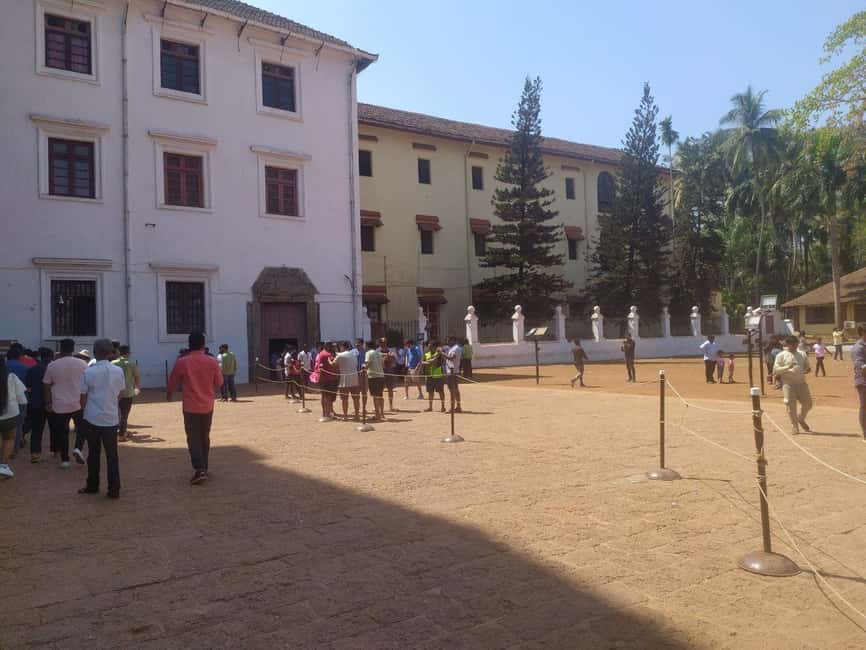
This is a full-day tour: about 8 hours from pickup in North Goa, with guided time at major sites like Bom Jesus (around one hour) and Sé Cathedral (around 30 minutes), plus Mangueshi (around one hour).
Two practical expectations:
- You will have moments of walking and standing inside complex heritage areas.
- Some sites are intense visually, so take breaks when your guide offers them, even if you think you can power through.
Also, the route order can change based on where you stay. That is helpful. It means you spend less time trapped in traffic and more time at the sights you booked.
Price and Value: What $98 Covers and What You Should Budget On Top
At $98 per person, this tour is priced as a private, guided day with transportation and entry to the main experience time. Here is what you get for that price:
- Private A/C car within the city limit
- Driver (Hindi and English)
- A private professional English-speaking guide
- Parking, fuel, taxes, and service charge
- One bottle of mineral water per person during the activity
- Government service tax
What is not included: monument entrance fees. That extra cost is the main variable you should plan for. Since entrance fees can add up across several religious/heritage buildings, I recommend budgeting a bit more than you think you need before you go.
One more cost note from the rules: if you arrive by cruise ship, there is a supplement of USD 30 per person extra, payable directly. And if a guide speaks a language other than English, there is a USD 10 per person supplement. For most English-language bookings, that last one likely won’t matter, but it is good to know the policy exists.
Practical Tips So You Don’t Lose Time at the Wrong Moment
If you want the day to feel smooth, these small habits help:
- Wear comfortable shoes. You’ll be walking in heritage areas and moving between stops.
- Keep your camera ready but your pace calm. Temples and churches have their own rhythm.
- Plan for heat. Even with A/C in the car, the outdoor walking in Panjim and temple areas can get warm.
- Follow the rules: no smoking in the vehicle, no drinks in the vehicle, and no alcohol/drugs. Bikes are also not allowed, and mobility scooters are not permitted.
- This tour is not suitable for people with mobility impairments, and it is also not suitable for people over 95 years.
If you are traveling with someone who is sensitive to crowds, this is still a packed day, but at least the private guide makes it easier to manage pace and priorities.
Who This Tour Fits Best (and Who Might Want Something Different)
This works especially well if you:
- Are in Goa for a short time and want the main heritage hits in one organized day
- Want both Portuguese-era Christian sites and major Hindu temples
- Prefer a guide who explains architecture and meaning, not just directions
It might not be the best fit if you:
- Want a slow, deep, multi-day exploration of Old Goa and the surrounding villages
- Have mobility limitations, since the tour is not suitable for mobility impairments
- Expect entrance fees to be included automatically
Also, if you are the type who loves making your own plans, you might find the schedule limiting. But if you want structure and interpretation, it’s a very workable trade.
Should You Book This Full Day Private Guided Goa Tour?
I think you should book it if you want a guided, efficient route that covers Fontainhas, the big Old Goa churches, and two major temple stops, with a spice farm break to keep the day balanced. The price reflects a private setup with a real English-speaking guide, and the strongest reviews I saw emphasized clear explanations and an organized flow.
If you do book, come prepared for monument entrance fees and treat the day like an active sightseeing marathon with breaks. Get your priorities straight, ask questions early, and you will leave with a much better sense of how Goa’s Portuguese and Hindu worlds sit side by side.
FAQ
What is the duration of the Full Day Private Guided Goa Tour?
The tour lasts 8 hours.
Where does the tour pick up?
Pickup is from North Goa hotels.
Is this tour private or shared?
It’s a private group tour.
What is included in the price?
Included are a private air-conditioned car within city limits, a professional driver (Hindi and English), all parking/fuel/taxes/service charges, one bottle of mineral water per person, and a private professional English-speaking tour guide, plus government service tax.
Are monument entrance fees included?
No. Monuments entrance fee is not included.
Is the tour refundable if my plans change?
Yes, you can cancel up to 24 hours in advance for a full refund.