REVIEW · GOA
Divar Island Excursion with a Native Islander
Book on GetYourGuide →Operated by The Divar Island Project · Bookable on GetYourGuide
Divar Island feels like Goa’s forgotten back door. This 4-hour outing pairs native islander guiding with a ferry ride across the Mandovi River, then shifts into mangroves and villages that most people only skim from a distance. I like how local stories aren’t tacked on at the end; they show up while you’re walking, looking, and listening.
My favorite part is the access to a preserved 1910 Indo-Portuguese family home, complete with vintage artefacts that help you understand island life as families lived it. The one real drawback: the day includes walking and basic activity around the island, and it is not suitable for mobility impairments, or for visitors who are visually or hearing impaired. Also, you can’t use video or audio recording inside the experience.
In This Review
- Key things to know before you go
- Meeting at Viceroy’s Arch and getting oriented in Old Goa
- Ferry to Divar Island and the mangrove walk for estuarial birds
- Divar villages: temples, churches, chapels, and a hilltop panorama
- A 1910 Indo-Portuguese home: vintage artefacts and living memory
- River boat time: watching birds from the water for 1.5 hours
- Break time on Divar and handling the “not included” stuff
- Price and value: why $27 feels fair for Divar’s access
- What to bring and what not to do (so you respect the rules and spot more)
- Who Divar Island with native islanders is best for
- Should you book this Divar Island Project tour with a native islander?
- FAQ
- Where is the meeting point for the Divar Island excursion?
- How long is the tour?
- Is this a private group?
- What languages will the live guide speak?
- What’s included in the price?
- What isn’t included?
- Is video recording allowed?
- What should I bring with me?
- Is the tour suitable for people with mobility impairments?
Key things to know before you go
- Meet at Viceroy’s Arch, then head straight to the ferry for an easy start and less waiting.
- Mangrove walk with wildlife odds: otters, crocodiles, and estuarial birds are possible.
- Village sites plus a hilltop viewpoint help you understand Divar’s Goa-mixes-of-eras feel.
- A 1910 Indo-Portuguese home in original form gives you real family history, not just dates.
- River boat time is built for seeing birds from the water.
- Rules matter for wildlife and the house visit: keep it quiet, skip strong perfumes, and don’t record.
Meeting at Viceroy’s Arch and getting oriented in Old Goa
You start at Viceroy’s Arch in Goa, the large gateway with a Vasco da Gama figure carved on top. It’s big enough to spot from the road, and your guide should be easy to identify—he holds a signboard saying DIP.
From there, you walk through Velha Goa (Old Goa) for about 20 minutes. This is a short warm-up, but it sets the tone: you’re not jumping straight into nature mode without context. You’ll pass a key landmark on the way toward the ferry jetty, which helps you connect the Old Goa surroundings to where you’re going next—Divar.
One small practical win: the activity includes skipping the ticket line, so you’re not burning your limited 4 hours on paperwork and queues.
Then the group crosses the Mandovi River by ferry (about 10 minutes). Even if you’ve seen rivers before, this crossing matters because it changes your angle on Goa. The land starts to feel like a system—water, birds, villages, and history all linked.
You can also read our reviews of more tours and experiences in Goa.



Ferry to Divar Island and the mangrove walk for estuarial birds
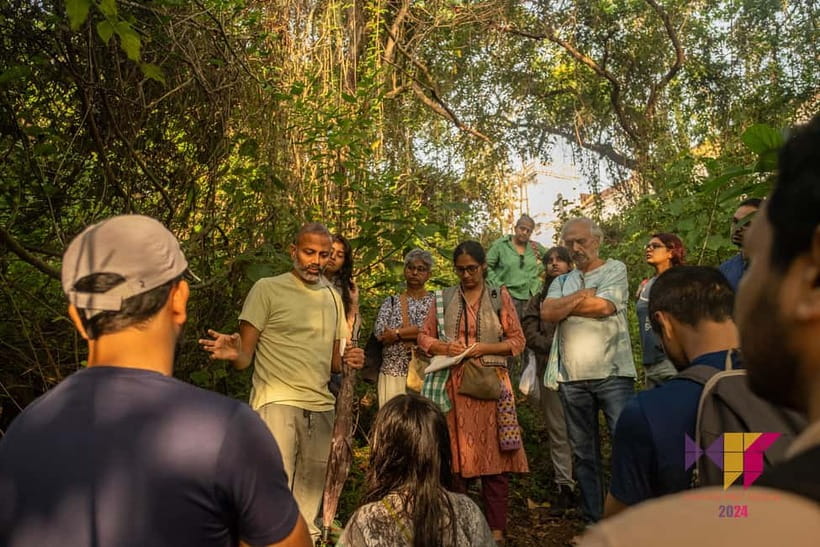
After the river crossing, you head toward Divar by scenic roads. This is where the day turns more “quiet noticing” than “checklist sightseeing.” Along the way, you may spot local birdlife, which matters because the tour is built for people who like biodiversity and wildlife—not just photos.
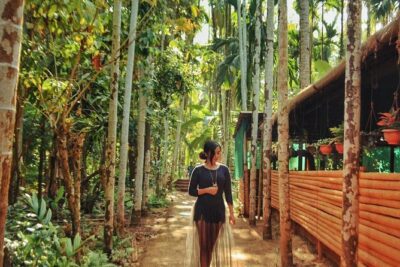
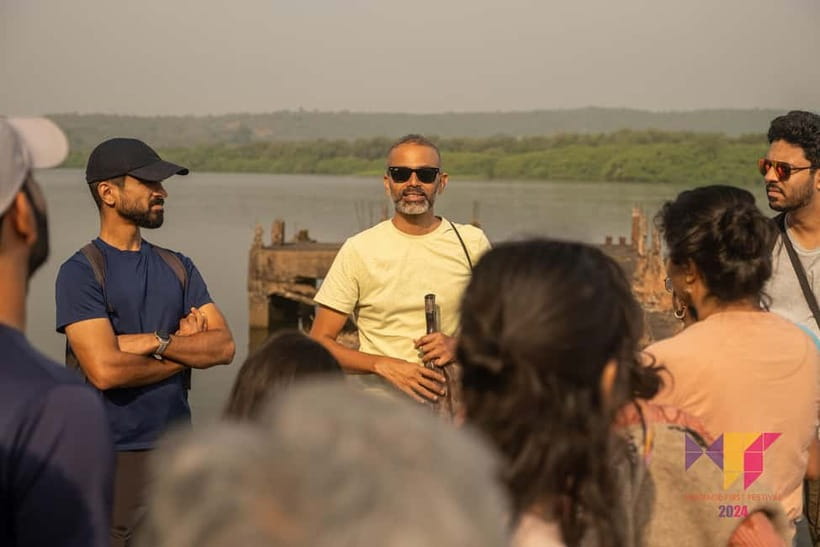
The centerpiece of this half is the shaded walk through the mangroves. Expect a slow, watchful rhythm. Mangroves aren’t just pretty roots and trees; they’re living nursery zones for many species, and they shape what birds and other animals can do in the estuary.
You also get a chance—never a guarantee—of seeing wildlife such as:
- otters
- crocodiles
- estuarial birds
A theme you’ll feel from the way your guide talks: wildlife spotting works better when people behave like guests in the habitat. That’s why the rules emphasize skipping loud behavior, avoiding strong scents, and keeping phone use minimal. If you want to increase your odds, pack binoculars if you have them.
If birdwatching is your thing, you’ll likely appreciate how specific the guide can get. With guides like Russell, the bird focus can be very practical—what to watch for and where to look—so you don’t just see motion and hope.
Divar villages: temples, churches, chapels, and a hilltop panorama
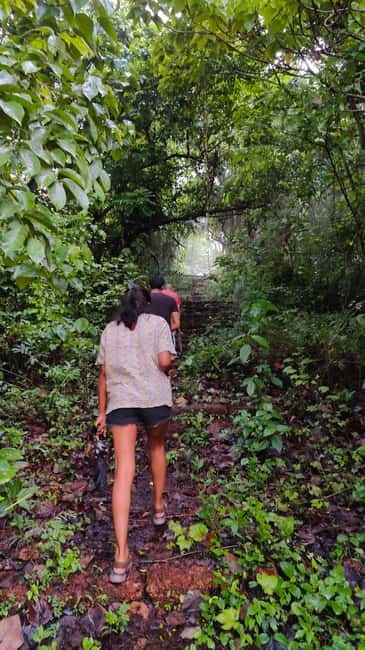
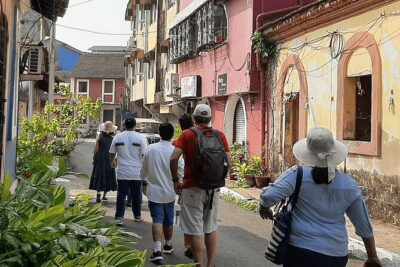
Once you’re past the mangrove segment, the tour shifts into Divar’s human side. You’ll explore the island’s historical importance through a guided mix of walking and driving (about an hour here), plus time to notice how different eras left their fingerprints.
You can expect iconic religious and community landmarks, including temples, churches, and chapels. You’ll also pass by or spend time around village markets, plus viewpoints—especially a hilltop viewpoint with panoramic views.
This part is valuable because Divar isn’t presented as one narrow story. Goa’s Portuguese and local influences show up in architecture, land use, and how communities kept going through change. A good guide helps you see the connections fast—without drowning you in dates.
One careful note: this segment has a mix of walking and scenic driving. If you prefer fully seated sightseeing, you might find some of the walking sections a bit more active than you expected. Comfortable shoes help here more than fashion sandals.
A 1910 Indo-Portuguese home: vintage artefacts and living memory

The most emotionally memorable moment is the visit to an old Indo-Portuguese family home built in 1910. It’s described as a 100-year-old home kept in its original state—made with mud, wood, and roof tiles—so you’re not viewing a rebuilt set. You’re stepping into a preserved home structure.
Inside, you’ll see vintage artefacts connected to family history. The point isn’t just to admire objects. The guide uses them to explain how families lived, how the island changed, and what people tried to preserve across generations.
This is where a native islander guide really matters. When the story is told by someone rooted in the community, you get details that don’t usually show up in standard explanations—small naming traditions, how relationships to land and water work, and why certain items were kept. You’ll also hear how the island’s heritage is tied to ongoing life, not frozen history.
After the indoor time, you’ll likely spend a calmer moment on the veranda and listen for the island’s soundscape—birds singing while the property settles into that slower Divar pace.
This is also why the rules include limits like no intoxication and a quiet, respectful tone. The house visit is part of the experience, and it’s meant to feel like you’re being welcomed, not touring a showroom.
River boat time: watching birds from the water for 1.5 hours
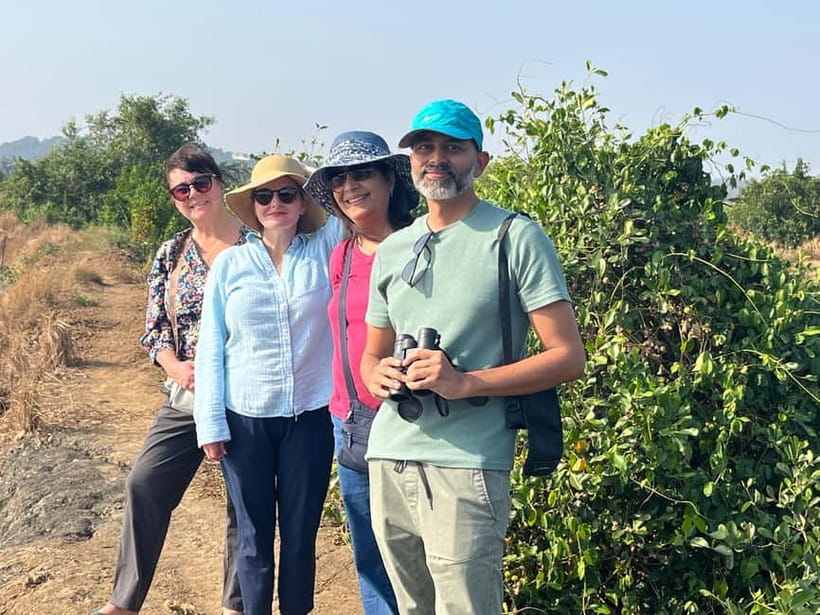
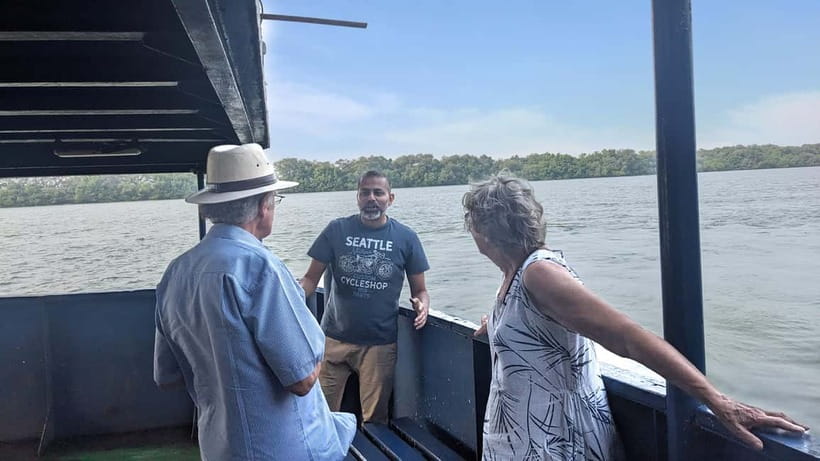
Next comes the river boat segment (about 1.5 hours). This is one of those “yes, it’s slower” parts that often turns into your best birdwatching time because water gives you new viewing angles.
From the boat, estuarial birds can look different—patterns of flight, feeding behavior, and places where they pause become easier to track. If you’re a wildlife enthusiast, this is where you can often turn spotting into something more focused.
And again, wildlife sightings are possible, including the kind of moment that makes people talk afterward. One guide-led experience included a crocodile sighting, which shows how much your luck and your guide’s scanning skills matter.
Because video recording isn’t allowed, treat this segment as observation time. Watch carefully, follow the guide’s pointing, and use binoculars if you brought them. You’ll get more out of paying attention than trying to capture everything.


Break time on Divar and handling the “not included” stuff
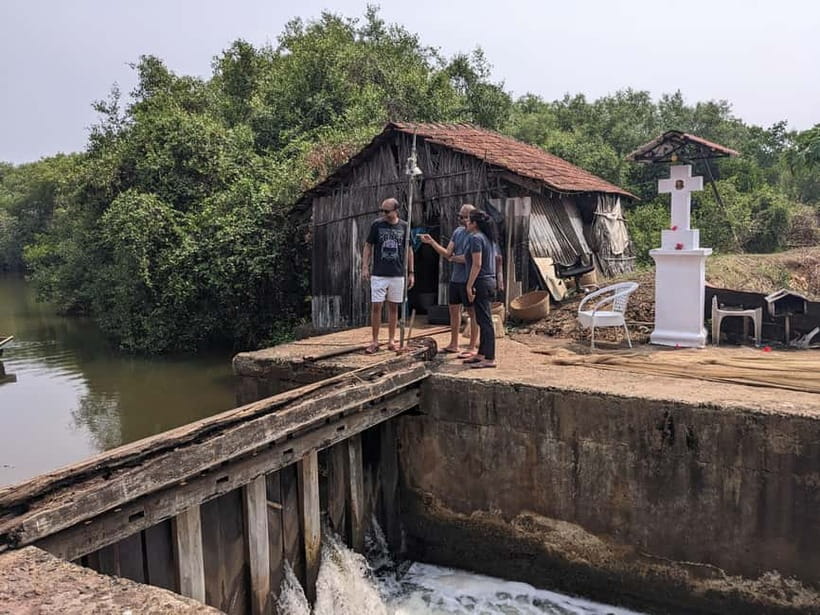
You get about 1 hour of break time on Divar, with options like hotel or resort activities. This is when you can reset your energy—especially if you’ve been walking in the shade and focusing on wildlife.
A couple practical details to keep in mind:
- Packaged water bottles aren’t included, so bring your own bottle and plan accordingly.
- Shopping and bar/restaurant spending are your choice, and food isn’t provided as part of the tour.
- Food is also not allowed in the vehicle, so don’t expect a snack stop that happens inside transport.
If you’re a food seeker, this break is your time to look for local options on your own terms. Just remember the tour environment is set up for quiet and wildlife-friendly behavior, so keep it simple during downtime.
Price and value: why $27 feels fair for Divar’s access
At about $27 per person for a 4-hour experience, the value comes from what you gain—not just what you see.
Here’s what you’re paying for:
- Guidance by native islanders, which changes the story quality and the level of detail.
- Access to an old 1910 Indo-Portuguese home in its original state.
- Personalized recommendations and lesser-known context you wouldn’t find on a quick sightseeing route.
- Permits included, which matters in places where access isn’t “just walk in.”
- Skip the ticket line, so your time stays on the island.
Compared to generic sightseeing tours, the price feels reasonable because the experience includes permission-based access and a guide who focuses on biodiversity and community history rather than only monuments.
Also, the group is described as private. Even if it’s not a large group overall, the format typically means you can ask questions without shouting across a crowd—especially helpful for bird spotting.
What to bring and what not to do (so you respect the rules and spot more)
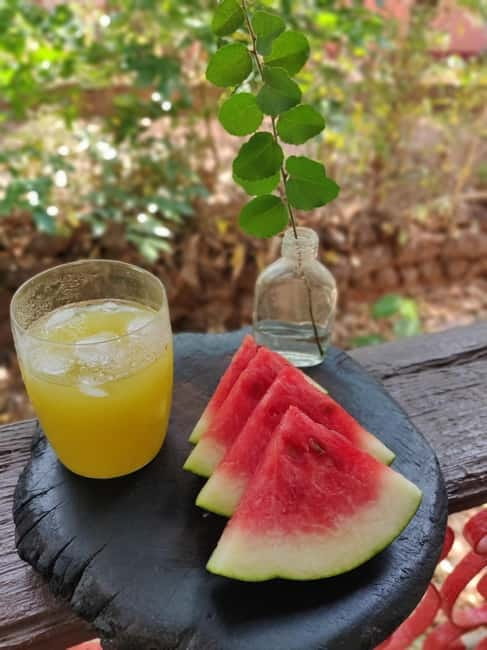
This tour has clear behavioral rules, and honestly, they help everyone—humans and wildlife.
Bring:
- a sun hat
- cash (useful for any personal spending during break)
- weather-appropriate clothing
- a daypack
- biodegradable insect repellent
- hand sanitizer or tissues
- walking shoes (sandals can be fine for some people, but walking shoes are preferred)
If you’re serious about spotting wildlife, pack binoculars. You’re in mangroves and an estuary system, and seeing clearly makes the experience more satisfying.
Avoid:
- intoxication and alcohol/drugs
- littering
- food in the vehicle
- video recording and audio recording
- loud music or sounds, and try to avoid calls during the excursion
- strong perfumes, since the goal is better chances of wildlife sightings
Also note the “practical traveler” tip: keep your phone quiet, and focus on observation. This isn’t a rush through photo stops. It’s a slower way to notice.
Who Divar Island with native islanders is best for
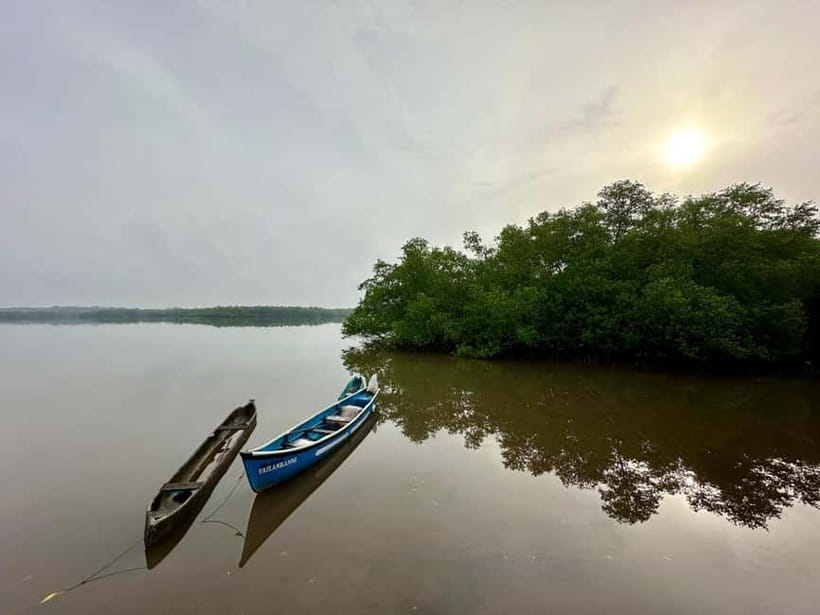
This excursion is a strong fit if you care about any of these:
- bird watching and wildlife in mangrove/estuary settings
- history and heritage, especially Goa’s blend of influences
- community stories, told through everyday details and old household artefacts
- food seekers, since you get break time to explore locally (at your own expense)
- biodiversity explorers, because the walk and boat time are built for animals, not just scenery
It’s not a great fit if:
- you have mobility impairments
- you’re visually impaired or hearing-impaired (this activity is explicitly not suitable for those needs)
- you rely on recording your experience with video/audio
- you want a fully vehicle-based tour with minimal walking
Since the experience includes walking portions and outdoor time in shade and sun, you’ll enjoy it more if you’re comfortable moving at a relaxed pace.
Should you book this Divar Island Project tour with a native islander?
I’d book it if you want Divar Island to feel personal and specific, not like a checklist of monuments. The strongest reason is the combination of mangroves + river boat + native-led family history. That pairing is rare, and it’s what makes the $27 price feel like access, not just transportation.
Skip it if you need lots of indoor comfort, or if you can’t manage walking segments or the tour’s rules around quiet behavior and recording. Also, if you’re hoping for a museum-style experience where you can document everything on video, you’ll have to adjust your expectations.
If you go with the right mindset—quiet attention, binoculars if you have them, and a genuine curiosity about how island families shaped the present—you’ll come away with a Divar story that feels like it belongs to the place, not just the brochure.
FAQ
Where is the meeting point for the Divar Island excursion?
You meet at Viceroy’s Arch in Goa. It’s a large structure with a Vasco da Gama figure carved on top, and your guide will be recognized by a signboard saying DIP.
How long is the tour?
The duration is 4 hours.
Is this a private group?
Yes, it’s a private group.
What languages will the live guide speak?
The live tour guide speaks Hindi, English, and Marathi.
What’s included in the price?
It includes a guided excursion of Divar Island by native residents, personalized recommendations and lesser-known experiences, a visit to an old Indo-Portuguese home built in 1910, permits included, and skipping the ticket line.
What isn’t included?
Shopping or spending at local bars or restaurants, packaged water bottles, and other costs not mentioned in the included list.
Is video recording allowed?
No. Video recording is not allowed.
What should I bring with me?
Bring a sun hat, cash, weather-appropriate clothing, a daypack, biodegradable insect repellent, and hand sanitizer or tissues. Walking shoes are preferred.
Is the tour suitable for people with mobility impairments?
No. It’s not suitable for people with mobility impairments, and it’s also not suitable for visually impaired or hearing-impaired people.