REVIEW · PANAJI
Panaji: Food Trail around the Old Latin Quarter in Panjim
Book on GetYourGuide →Operated by Make It Happen · Bookable on GetYourGuide
Goa tastes Portuguese, but it’s all local. This 3-hour Old Latin Quarter food trail in Panjim pairs history with real eating: you’ll walk the Fontainhas streets, learn how trade and Portuguese connections shaped flavors, and then sit down for a heritage meal with dessert. I especially like the Fontainhas heritage-home setting and the Portuguese-leaning savouries you sample along the way. One drawback: it’s a walking-only experience and it’s not suitable for wheelchair users.
If you want food that comes with context, this works well. For $30 per person, you’re not just nibbling snacks on the move; you get a heritage soup, multiple appetizers and non-alcoholic beverages, plus a sit-down lunch and dessert in a heritage space. I’d just consider bringing sun protection and comfortable shoes, because you’re moving between establishments on foot in warm weather.
In This Review
- Quick Reasons This Food Trail Works
- Panjim’s Old Latin Quarter: Where the Flavors Come From
- Starting at Gitanjali Gallery: A Simple 3-Hour Walk Plan
- Fontainhas Food Stops: How Portuguese Savouries Feel in Goa
- The Heritage Soup + 3–4 Appetizer Pairings
- Non-Alcoholic Drinks That Actually Fit the Bites
- The Heritage Home Meal and Dessert Finale
- Vegetarian, Non-Vegetarian, and Vegan Options (Plus Allergy Support)
- Walking Logistics: Shoes, Sun Protection, and What’s Not Provided
- Price and Value: What $30 Buys You in Real Food
- Should You Book This Panjim Food Trail?
- FAQ
- How long is the Panaji Old Latin Quarter food trail?
- Where does the tour start and end?
- Is it a walking tour or does it include vehicles?
- What food and drinks are included?
- Is it suitable for vegetarians, vegans, or people with dietary restrictions?
- Is the tour wheelchair accessible?
- What should I bring, and what’s not allowed?
Quick Reasons This Food Trail Works
- Fontainhas on foot: you see the Latin Quarter at a human pace, without vehicle distractions
- Portuguese-Goan flavor connections: you taste the influence, then get the story behind it
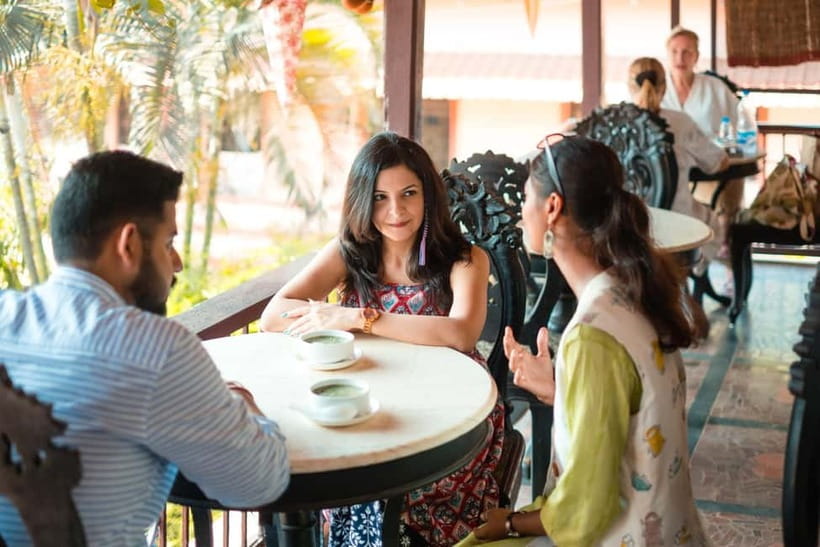
- Included meal, not just samples: soup, appetizers, a sit-down lunch, and dessert
- Non-alcoholic drink pairings: you’ll sip alongside food rather than treat drinks as an afterthought
- Dietary flexibility: veg, non-veg, and vegan options are available, plus allergy support if needed
Panjim’s Old Latin Quarter: Where the Flavors Come From
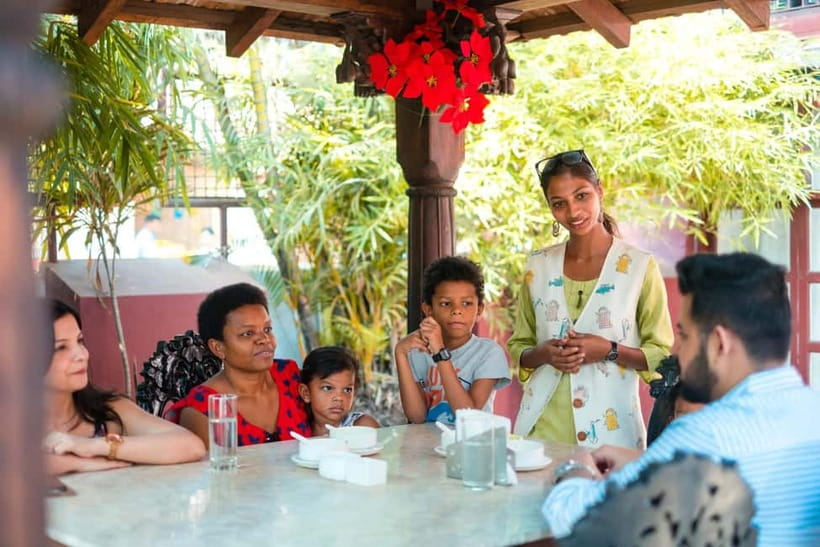
This is a food tour that treats the streets like a classroom. You’ll learn how Goa’s cuisine reflects a melting pot of cultures, shaped by maritime trade and connections with Portuguese-speaking communities around the world. That matters, because Portuguese influence in Goa isn’t just a label—it shows up in the way local ingredients get used and adapted.
One thing I like about this style of tour is that it doesn’t ask you to memorize facts. Instead, you hear the context, then you immediately taste what the story is pointing to—especially the Portuguese-influenced savouries served at heritage places.
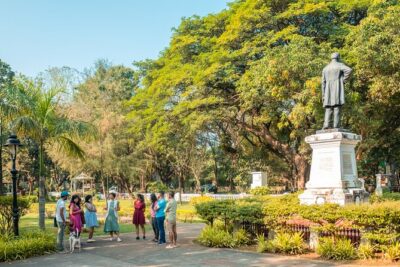
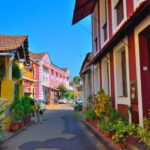
There’s also the setting. Fontainhas is the core of the Latin Quarter in Panjim, and it’s often described as the largest Latin Quarter in Asia. Even if you’re not a history nut, walking those lanes makes the food feel more rooted than a random tasting list.
You can also read our reviews of more food & drink experiences in Panaji
Starting at Gitanjali Gallery: A Simple 3-Hour Walk Plan
You begin at Gitanjali Gallery, then spend the bulk of your time moving through Fontainhas. The total duration is about 3 hours, and you return to Gitanjali Gallery at the end.
Because it’s a walking trail, you should plan around steady footwork rather than quick photo stops and a bus route. The tour stays inside the Latin Quarter, so you’re not relying on vehicles to get you from one end of the area to the other.
Also keep timing in mind. You’ll want to show up ready to walk—this isn’t a “sit down every five minutes” format. If you’re the type who needs frequent breaks, you might find yourself wanting more time between stops. Still, the walk length is part of what makes the experience feel local.
Fontainhas Food Stops: How Portuguese Savouries Feel in Goa
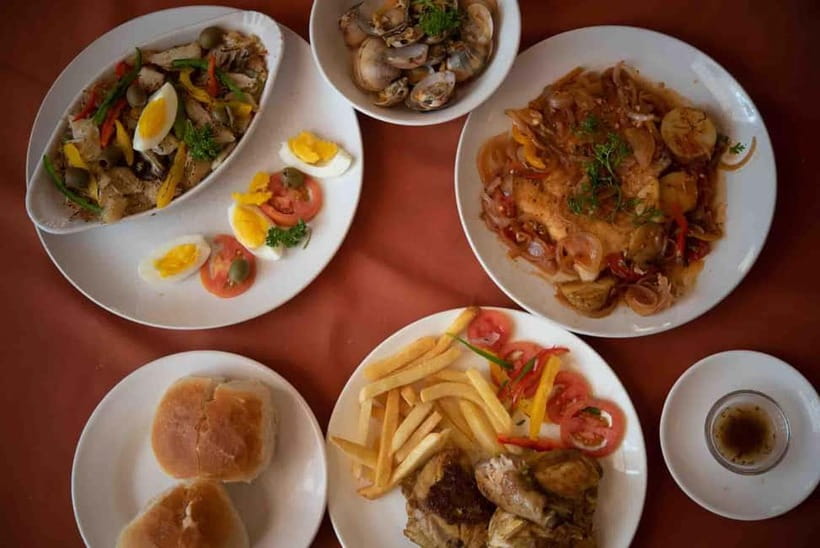
The tour’s heart is Fontainhas, where the Portuguese influence meets Goan everyday cooking. You’ll sample multiple Portuguese-leaning savouries at iconic heritage establishments, and you’ll pair that tasting with non-alcoholic drinks and local appetizers.
What you’ll take away is the cause-and-effect relationship between history and flavor. Goa’s ingredients and cooking traditions were shaped over time through trade routes and cultural exchange, and the Portuguese presence left a noticeable mark. The guide’s job is to connect the story to what’s on your plate—so you taste with a reason, not just a guess.
Fontainhas also gives you atmosphere while you eat. You’re moving through a neighborhood with heritage energy, not a food court. The vibe helps, because you’re not only tasting dishes—you’re tasting place.
The Heritage Soup + 3–4 Appetizer Pairings

Food trails can get stingy: a few bites here, a sip there, and you’re still hungry. This one avoids that problem by building in a proper starter and several tastings.
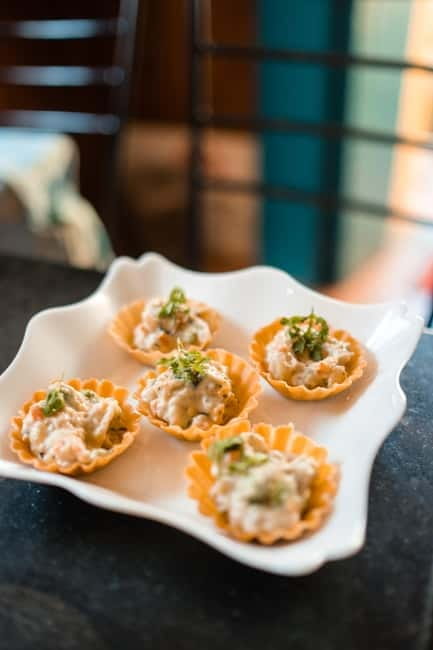
You’ll receive soup at a heritage establishment, then 3–4 varieties of Goan appetizers and beverages (all non-alcoholic). That lineup is designed to keep flavors varied—think different textures and tastes rather than the same base flavor repeated.
For your planning, this is useful because it fills the gap between a late breakfast and a normal lunch. You’re not trying to guess whether you’ll get enough to be satisfied. With soup plus a sit-down lunch later, the pacing tends to make sense.
One practical tip: eat slowly during the first couple tastings. If you rush, you’ll miss the point of the pairing. This tour works best when you allow each stop to register before the next one arrives.
Non-Alcoholic Drinks That Actually Fit the Bites
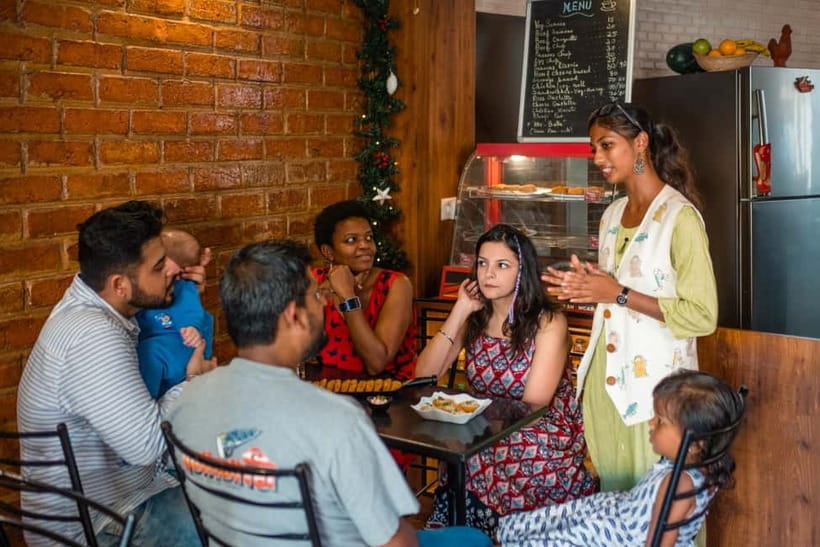
Drink pairings often feel generic on food tours. Here, the beverage part is treated as a real companion to the food: you’ll sip traditional Goan beverages alongside appetizers.
Since the tour is non-alcoholic by design, it’s easy to keep your head clear while walking. That’s a plus if you’re trying to enjoy the history around Fontainhas rather than just powering through sips. It also makes the tour easier to plan with the rest of your day, especially in the heat.
Because the drinks are included, you don’t need to decide what to order at each stop. That keeps the focus on the tastings—and it keeps costs under control.





The Heritage Home Meal and Dessert Finale

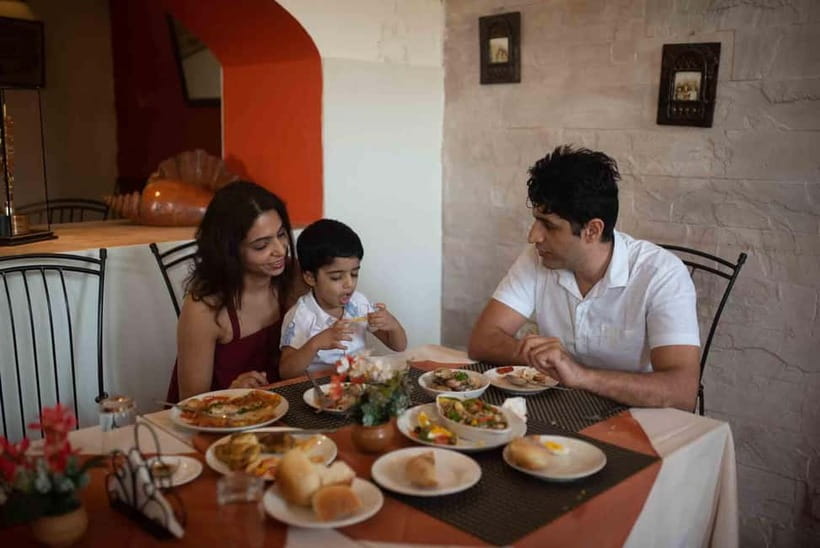
Near the end, you’ll visit a charming heritage home in Fontainhas and enjoy a summptuous Goan meal, followed by dessert. This sit-down portion is where the tour stops feeling like snacks-on-the-go and starts feeling like a real experience.
A key value here is that the meal is served at a heritage space, not just in a regular restaurant that could be anywhere. That setting helps you connect what you learned about cultural influences to how Goans actually dine—comfortably, generously, and without rushing.
If you like tours that end on a high note, this is the part you’ll probably remember most. It’s also the moment where the guide’s storytelling tends to feel most meaningful, because you’re no longer just sampling—you’re settling in.
Vegetarian, Non-Vegetarian, and Vegan Options (Plus Allergy Support)
One of the biggest questions I hear from food-minded travelers is simple: will I still get a full experience if I have dietary limits? This tour is designed so it can be booked by vegetarians, non-vegetarians, and vegans, and it can also accommodate other food allergies and dietary restrictions.
That doesn’t mean every dish is the same for everyone. But it does mean your tour doesn’t become a token workaround where you get to stand in while others eat. You’re still part of the flow: you’ll receive included appetizers, soup, and a meal and dessert that fit your needs.
If allergies are part of your plan, tell the provider ahead of time. The tour data says they can accommodate restrictions, but it’s your job to make sure your needs are clear.
Walking Logistics: Shoes, Sun Protection, and What’s Not Provided
This is a walking trail around the Latin Quarter, and the tour explicitly does not use vehicles inside the area. Hotel pickup and drop-off aren’t part of the deal, so you’ll want to be able to reach Gitanjali Gallery on your own.
For what to bring, the essentials are straightforward:
- comfortable shoes
- sunglasses
- camera
- sunscreen
Also note what’s not provided: umbrellas, raincoats, hats/caps, face-masks, or sanitizers. Since Goa weather can be intense, especially with sun, plan to protect yourself rather than hoping for supplies at the stops.
A couple more rules to keep your day smooth: no pets, no smoking, and no plastic bottles. It’s the kind of local guidance that’s easy to follow once you know it.
And if you’re mobility-limited, read this part carefully: the tour is not suitable for wheelchair users.
Price and Value: What $30 Buys You in Real Food
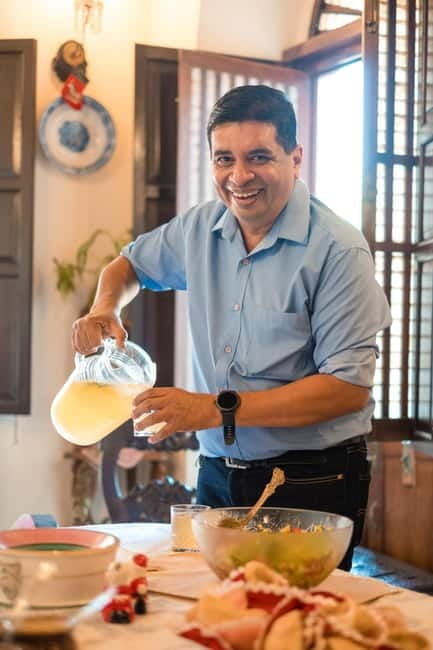
$30 for a 3-hour walking food trail sounds either like a steal or a trap, depending on what’s actually included. Here, it’s closer to the “steal” side because the tour includes multiple rounds of food, not just small bites.
For your money, you get:
- a guided walk with a local storyteller
- soup at a heritage establishment
- 3–4 varieties of Goan appetizers and non-alcoholic beverages
- a sit-down lunch in a heritage space
- dessert
That combination is the main reason the value feels solid. Many tours price themselves around a few tastings, then leave you to pay for a full meal afterward. This one builds the meal into the package, so you spend less time thinking about what to eat next and more time enjoying the tastings and the neighborhood.
Also, this tour is English-guided, so you won’t lose the thread when the guide connects Portuguese influence to everyday Goan cooking.
Should You Book This Panjim Food Trail?
Book it if you want a history-linked food walk that ends with a full heritage meal. This is especially worth it when you like understanding why flavors taste the way they do—Portuguese influence, local ingredients, and Goa’s cultural exchanges—then seeing it play out in what you’re served.
Pass or choose a different format if you dislike walking or need wheelchair access. Since it’s a walking-only Latin Quarter route and you’re moving between establishments, it’s best for visitors who can comfortably walk for the full 3 hours.
One more decision tip: if you’re trying to keep your spending predictable while still eating well, this tour’s mix of included soup, appetizers, a sit-down lunch, and dessert makes planning easier than assembling meals separately.
FAQ
How long is the Panaji Old Latin Quarter food trail?
It lasts about 3 hours.
Where does the tour start and end?
It starts at Gitanjali Gallery and returns to Gitanjali Gallery.
Is it a walking tour or does it include vehicles?
It’s a walking trail, and there are no vehicles used inside the Latin Quarter.
What food and drinks are included?
You’ll get soup, plus 3–4 varieties of Goan appetizers and non-alcoholic beverages. You’ll also have a sit-down lunch and dessert served at a heritage space.
Is it suitable for vegetarians, vegans, or people with dietary restrictions?
Yes. It can be booked by vegetarians, non-vegetarians, and vegans, and it can accommodate other food allergies and dietary restrictions.
Is the tour wheelchair accessible?
No, it is not suitable for wheelchair users.
What should I bring, and what’s not allowed?
Bring comfortable shoes, sunglasses, a camera, and sunscreen. Pets, smoking, and plastic bottles are not allowed.