REVIEW · PANAJI
Explore the Old Panjim City: Guided Walking Tour by Foot
Book on GetYourGuide →Operated by Lets Go Far · Bookable on GetYourGuide
Panjim’s colonial corners come alive fast. This guided Old Panjim City walking tour takes you from the whitewashed Our Lady of the Immaculate Conception Church into the storybook streets of Fontainhas, then finishes with viewpoints over the city. I especially love the color and details you spot at ground level, and I like the small group size (up to 10 people), which keeps the pace relaxed and the conversation real.
The only downside is physical comfort. You’ll walk narrow lanes and climb around Altinho Hill, so plan for uneven steps and lots of sun, and skip it if you need wheelchair access or you’re pregnant.
In This Review
- Key things I’d circle on your map
- Starting at Our Lady of the Immaculate Conception Church: your Panjim launch pad
- Fontainhas and Tobacco Square: where Portuguese color meets local memory
- St. Sebastian’s Chapel to Shree Mahalaxmi Temple: faith side by side
- Altinho Hill’s Maruti Temple: the views earn the climb
- The 2-hour pace and small group (up to 10): why it feels manageable
- Price and value: what you really get for $19
- Returning to Fontainhas: your built-in time for coffee and photos
- What to bring, what not to do, and who should skip this walk
- Should you book the Old Panjim City guided walking tour?
- FAQ
- How long is the Old Panjim City guided walking tour on foot?
- Where do I meet the guide?
- How much does it cost per person?
- How many people are in the small group?
- What languages are the live tour guides speaking?
- What’s included in the tour, and what isn’t?
- What should I bring?
- Are there any rules about smoking or alcohol?
- Is the tour suitable for wheelchair users or pregnant women?
- Can I reserve now and cancel if plans change?
Key things I’d circle on your map
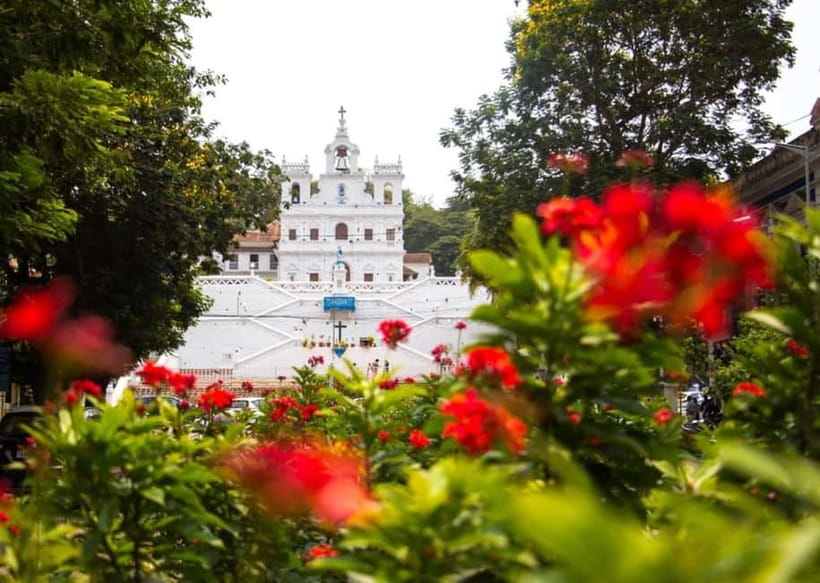
- Start at Our Lady of the Immaculate Conception Church with sweeping stairways and a Portuguese-Baroque look
- UNESCO-recognized Fontainhas streets lined with brightly painted Portuguese houses and red-tiled roofs
- Tobacco Square context that connects Panjim’s streets to the colonial tobacco trade
- Crossing Catholic and Hindu landmarks from St. Sebastian’s Chapel to Shree Mahalaxmi Temple
- Maruti Temple at Altinho Hill for panoramic city views and a satisfying viewpoint payoff
- English/Hindi live guide plus insider tips and conversation-driven storytelling
Starting at Our Lady of the Immaculate Conception Church: your Panjim launch pad
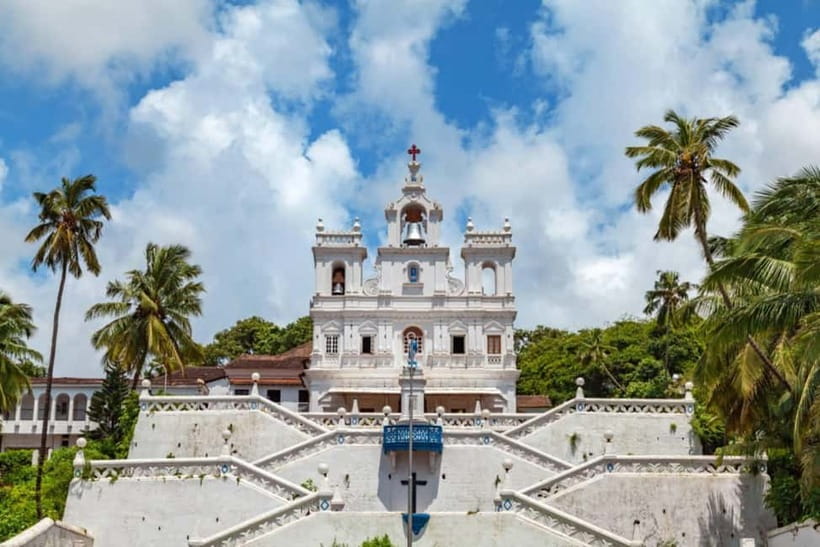
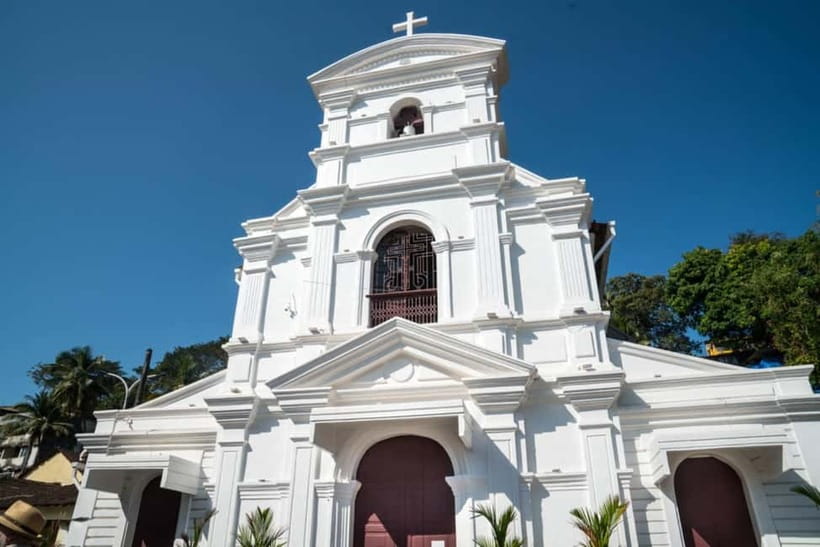
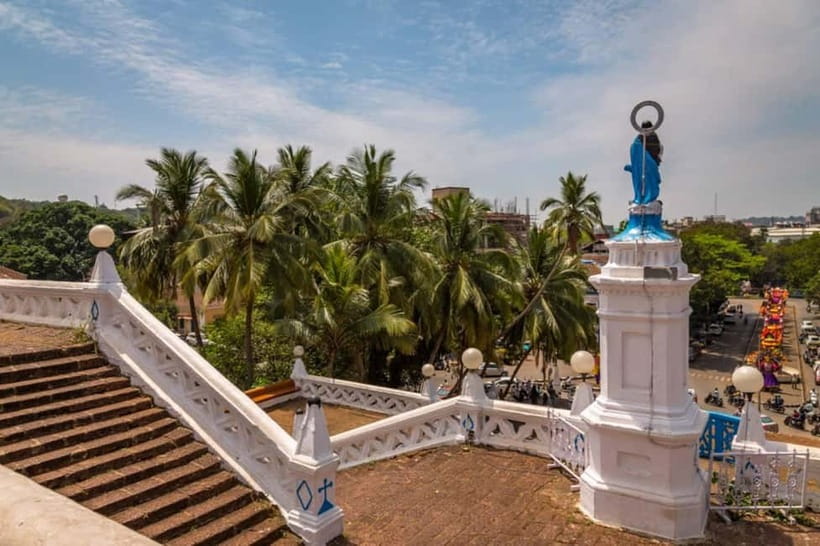
You meet at the stairs of Our Lady of the Immaculate Conception Church, so you’re already starting on the city’s higher ground. The church itself is the kind of landmark that gives you instant context: whitewashed walls, a Portuguese-Baroque facade, and that feel of colonial-era design stamped into place. Expect a few minutes of orientation from your guide before the walking begins, which helps you read what you’re seeing as more than just pretty architecture.
This first stop matters because it sets the theme of the entire walk: Goa’s story isn’t only one culture or one religion. It’s the overlap, the changes over time, and the way everyday streets grew around major landmarks. If you like tours that help you notice details, this start gives you the lens right away.
One practical tip: wear shoes you trust on steps and uneven ground. The tour’s later climbs make that choice pay off.
You can also read our reviews of more walking tours in Panaji
Fontainhas and Tobacco Square: where Portuguese color meets local memory
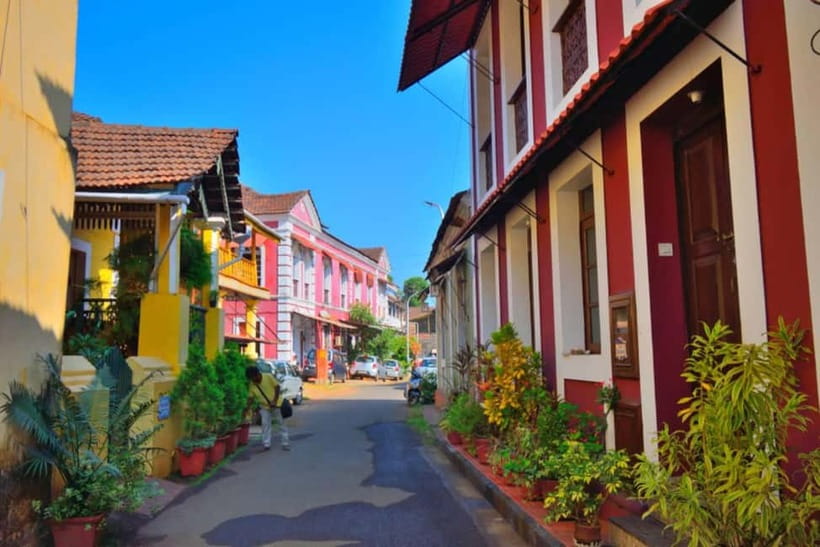
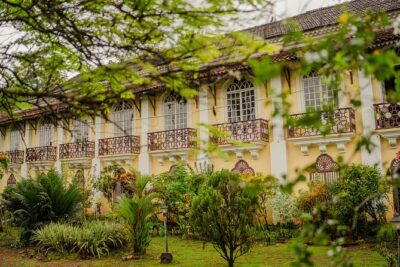
After you get your bearings near the church, the route heads toward the historic core of Panjim and the streets that many visitors associate with Goa’s Portuguese side. Fontainhas is the centerpiece: it’s UNESCO-recognized, and it shows in the way the quarter’s design still feels coherent street-to-street. You’ll see narrow lanes lined with brightly painted Portuguese houses, red-tiled roofs, and ornate balconies. It’s not just photo-friendly. It’s also a lesson in how colonial architecture adapted to daily life.
What I like here is that the guide doesn’t treat the area like a static postcard. You get to connect the buildings to the way people used the neighborhood. In the middle of this stretch, you’ll stop near Tobacco Square, once a key hub in the colonial tobacco trade. Even without dates or heavy lectures, that connection helps you understand why certain areas matter. It’s a reminder that Panjim wasn’t only a spiritual center; it also sat inside global trade routes.
If you’re the kind of traveler who enjoys walking where commerce and culture intersect, this portion is a strong match. You’ll likely find yourself slowing down on corners, not because you’re tired, but because the details keep turning up.
St. Sebastian’s Chapel to Shree Mahalaxmi Temple: faith side by side
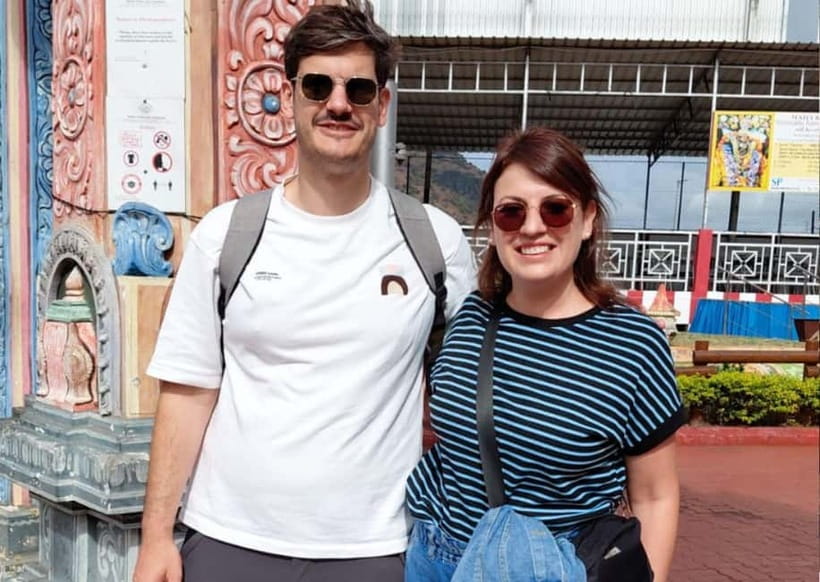
One reason this walk works well is the way it crosses cultural boundaries without making it awkward. You’ll visit St. Sebastian’s Chapel, a serene stop with traditional Goan Catholic icons. The atmosphere here is quieter than the street outside, and that change alone is useful. It gives your eyes a break, and it helps you notice how iconography and sacred design shape what people do and how they move.
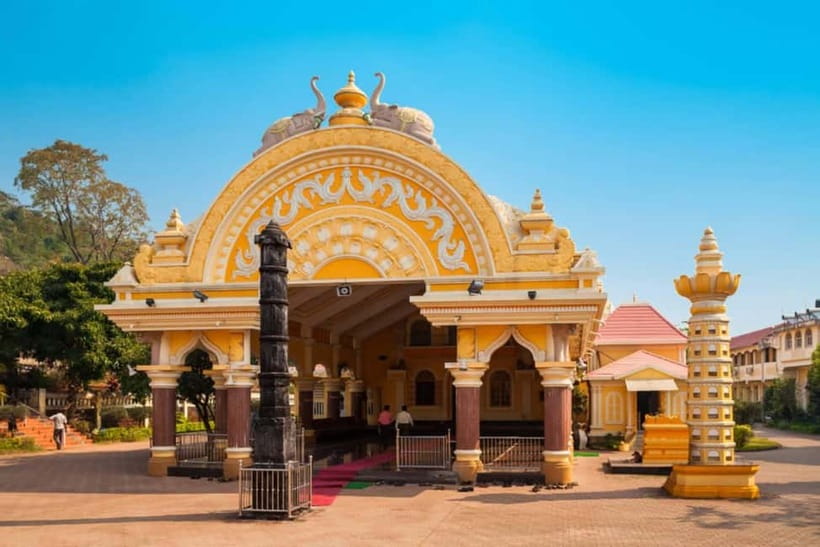
Then you switch gears and visit the Shree Mahalaxmi Temple, a vibrant Hindu shrine. The point isn’t to rank one tradition over another. It’s to show the reality of Goa: different communities living close enough that their landmarks become part of the same walking circuit.
In a small group, this kind of stop also becomes a better conversation. Your guide (English/Hindi speaking) can explain what you’re looking at and why it matters to locals, not just what the building looks like from the outside. If your guide is like Feivel, the experience tends to feel easy: friendly energy, clear explanations, and a relaxed meander rather than a rapid checklist.
Altinho Hill’s Maruti Temple: the views earn the climb
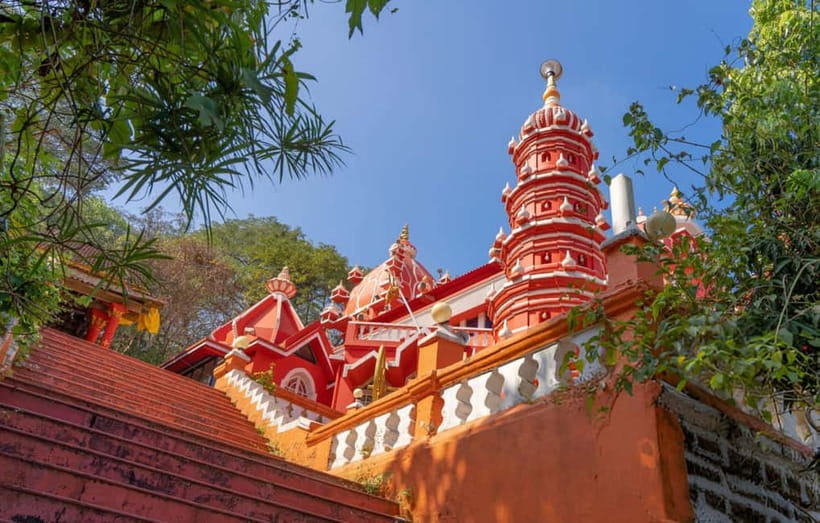
By the time you reach Maruti Temple on Altinho Hill, the walk feels like it’s hit its payoff moment. The temple is dedicated to Lord Hanuman, and you’ll also use this stop as a viewpoint break. The idea is simple: you climb a bit, you look out, and you finally see how all the earlier streets connect into the bigger layout of Panjim.
Panoramic views are often advertised, but what matters here is how the climb is integrated into the story of the day. You’re not climbing just for a generic skyline moment. You’re climbing in a neighborhood built around Portuguese-era landmarks and mixed-faith religious sites. From the hill, you get that bigger picture the street-level views can’t provide.
Also, this stop is where your timing matters. Because you’re out on foot in a sun-heavy region, it’s smart to sip water during earlier flat sections so you’re not scrambling when you reach the higher ground.
The 2-hour pace and small group (up to 10): why it feels manageable
This is a short tour for a reason: two hours is enough time to hit major landmarks and feel oriented, without turning the walk into a marathon. The group is limited to 10 participants, which changes the whole experience. You’re not shouted over, you’re not forced into a single-file line with no chance to ask questions, and you can linger for a photo without holding up everyone forever.
The pace is also intentionally unhurried. That’s a big deal in Fontainhas, where the streets are narrow and stopping for pictures is natural. If you’ve ever done a fast “see it all” tour and then felt like you missed the best bits, this format is the fix. The guide can share insider tips about where locals hang out, plus little pointers that help you explore even after the walk ends.
You also get English/Hindi interpretation from a live guide, which makes a difference when you want the explanations behind what you’re seeing, not just the names of places.
You can also read our reviews of more guided tours in Panaji


Price and value: what you really get for $19
At $19 per person for a 2-hour walking tour, the best value isn’t that it’s cheap. It’s that you’re paying for guided context and practical local routing. You get a live English/Hindi guide, plus insider hacks to experience the city like a local, and a conversation-based approach that adds texture to the stops.
And because the tour is small, you get a better ratio of guide attention to group time. In practice, that means your questions can actually land, and you’re more likely to understand what you’re photographing instead of just snapping pictures and moving on.
Just keep your expectations in the right place: food and drinks aren’t included, and there’s no transportation included. The walk is designed to leave you in the right part of town when you’re done. That’s also why the finish matters.
Returning to Fontainhas: your built-in time for coffee and photos
The tour ends with a leisurely return to Fontainhas. That’s a smart finish because it puts you back where you likely want to wander on your own afterward. You can pause for coffee, grab a meal, or keep photographing the houses and balconies at a slower rhythm. This also helps if you want a bit more time to enjoy what you learned without having someone else steer the next step.
From what I’ve seen in past experiences around Panjim’s Portuguese quarter, ending back in the same neighborhood tends to make the day feel complete. You aren’t dropped miles away; you’re placed in a walkable area where the atmosphere is still part of the experience.
If you want to do a little extra exploring after the tour, plan for it. The area has cafes, restaurants, and plenty of places to stay, so you’ll have options right nearby.
What to bring, what not to do, and who should skip this walk
This walk is best when you’re comfortable on your feet. Bring:
- Comfortable shoes (the route includes narrow lanes and stair sections)
- Sunglasses and sunscreen
- A sun hat
- Water
- A camera for photos
There are also clear conduct rules: no smoking, and no intoxication, alcohol, or drugs. It’s a straightforward, respectful walking experience.
Who should skip:
- Pregnant women
- Wheelchair users
If you’re unsure about mobility, treat it as a “walk with hills and tight streets” plan, not a gentle flat stroll.
Should you book the Old Panjim City guided walking tour?
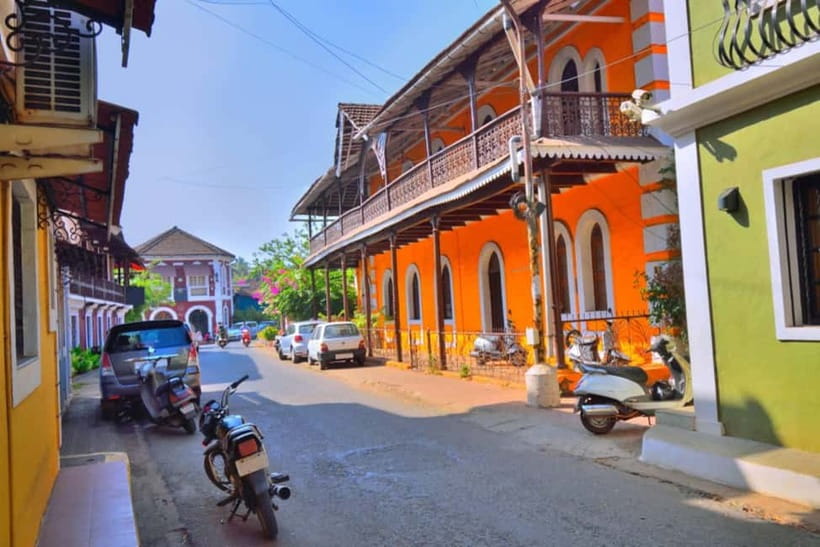
Book it if you want a compact way to understand Panjim beyond monuments: the Portuguese quarter feel of Fontainhas, the Catholic-to-Hindu rhythm of stops like St. Sebastian’s Chapel and Shree Mahalaxmi Temple, and the viewpoint payoff from Maruti Temple on Altinho Hill. I’d also book it if you like small-group tours where your guide can actually talk with you, like Feivel’s friendly, enthusiastic style that turns the walk into a relaxed, informative meander.
Skip it if you can’t handle uneven steps and narrow lanes, or if you need wheelchair access. In that case, you’ll likely be happier choosing a different format with less walking.
If you’re trying to decide between doing things on your own versus paying for a guide, this one makes sense. For $19, you’re buying time-saving context plus a route that helps you notice what matters fast.
FAQ
How long is the Old Panjim City guided walking tour on foot?
The tour lasts about 2 hours.
Where do I meet the guide?
You meet at the stairs of Our Lady of the Immaculate Conception Church.
How much does it cost per person?
The price is $19 per person.
How many people are in the small group?
The group is limited to 10 participants.
What languages are the live tour guides speaking?
The guide speaks English and Hindi.
What’s included in the tour, and what isn’t?
Included: a live English/Hindi speaking tour guide, insider hacks, and a guided walk through the key areas. Not included: food and drinks, and transportation.
What should I bring?
Bring comfortable shoes, sunglasses, a sun hat, sunscreen, and water. A camera is also useful.
Are there any rules about smoking or alcohol?
Smoking is not allowed. Intoxication, alcohol, and drugs are also not allowed.
Is the tour suitable for wheelchair users or pregnant women?
No. It is not suitable for wheelchair users or pregnant women.
Can I reserve now and cancel if plans change?
Yes. You can reserve now and pay later, and you can cancel up to 24 hours in advance for a full refund.