REVIEW · PANAJI
Heritage Goa, Ancient Churches and Spice Plantation Visit
Book on GetYourGuide →Operated by Discover Activitis · Bookable on GetYourGuide
Goa without the rush is possible. I like that this tour helps you skip the noisy tourist traps and focuses on Portuguese-era church landmarks. I also love the payoff at the end: a spice plantation visit with a full Goan lunch. The only drawback to plan for is the church dress code, or you could get turned back.
Early pickup from Calangute keeps the day feeling calm instead of chaotic. You ride in a private chauffeur car with an English-speaking guide, and the experience is set up so you can ask questions without competing for attention. I’ve seen guide names like Jai Singh, Dayanand, and Dadapir come up often, which is a good sign for clear explanations.
At Se Cathedral and Bom Jesus, expect big visual moments and a few practical rules. Some church spaces limit photography, so keep your phone ready but ready to follow directions once you’re inside. The simplest fix: pack sleeves and covered legs so you’re not scrambling at the entrance.
In This Review
- Key highlights worth circling
- A Private Old Goa Morning, Starting from Calangute
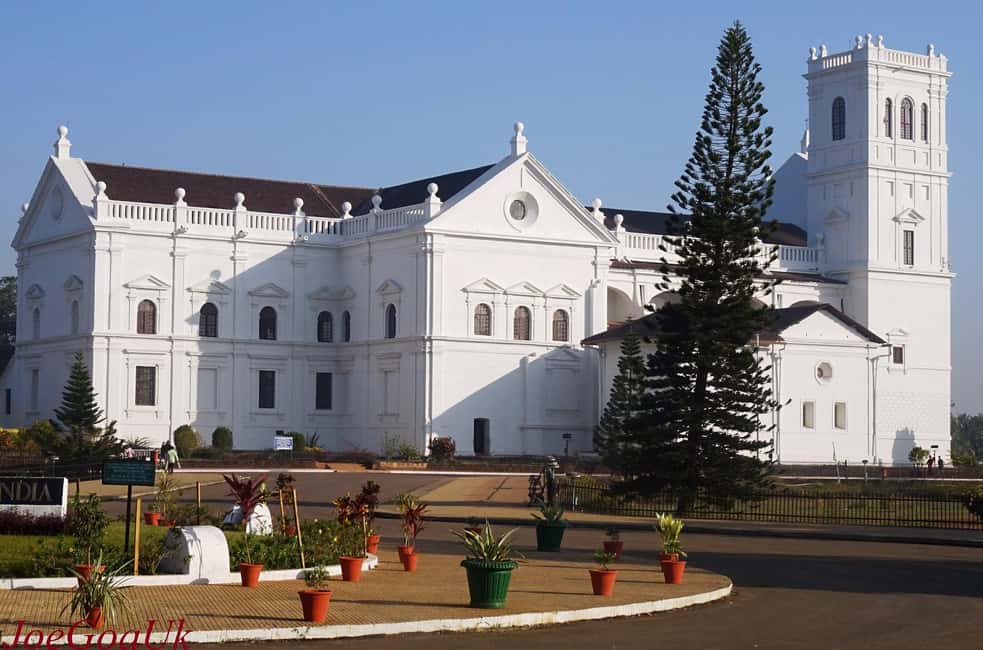
- Se Cathedral (St Catherine’s): The Iberian Façade You’ll Remember
- Basilica of Bom Jesus and the UNESCO Level of Detail
- St Augustine’s Tower: A Movie-Friendly Landmark in Plain Sight
- The Tropical Spice Plantation Near Ponda: Walk, Listen, Eat
- The Goan buffet lunch: what’s on your plate
- Price and Value: Is $82 a Good Deal for Five Hours?
- Dress Code in Goa: The Rule That Can Stop Your Tour
- Timing That Feels Right: Why 5 Hours Works Here
- Who This Tour Fits Best (and Who Might Want Something Different)
- Should You Book Heritage Goa, Ancient Churches and Spice Plantation?
- FAQ
- Where does the tour pickup start?
- How long is the experience?
- Is this a private tour?
- What language is the tour guide?
- What’s included in the price?
- Are drinks included with lunch?
- Are there dress code rules for churches and temples?
- Is free cancellation available?
Key highlights worth circling
- Old Goa churches you can actually enjoy: big architecture, less crowds, and a sensible order
- Se Cathedral’s Iberian façade details: mosaics, wood, gilded carvings, and soaring ceilings
- UNESCO Bom Jesus vibes: unplastered exterior and the carved Jesuit initials IHS
- St Augustine’s Tower and film-familiar angles: a spot many Bollywood scenes lean on
- Tropical spice plantation with a real lunch: walk the grounds, then eat Goan favorites
A Private Old Goa Morning, Starting from Calangute
This is a 5-hour, private-group setup, built for people who want Portuguese Goa’s main church sites without being herded. You’re picked up in Calangute, then whisked to Old Goa with a chauffeur-driven private car. That matters because the timing of your church visits can make the difference between photos you like and photos you rush through.
The tour is guided in English with a professional guide, so you’re not just looking at stone and guessing. You’ll get context as you go, which helps you see why these churches matter beyond their look. And because it’s private, the pace stays human. If you need a moment to read a plaque or step aside for a better angle, you can.
One more practical win: the schedule is short enough to feel complete, but long enough to slow down. You’ll hit the main Old Goa monuments, then shift gears to a spice farm experience that’s far from the usual souvenir-stall circuit.
You can also read our reviews of more historical tours in Panaji
Se Cathedral (St Catherine’s): The Iberian Façade You’ll Remember
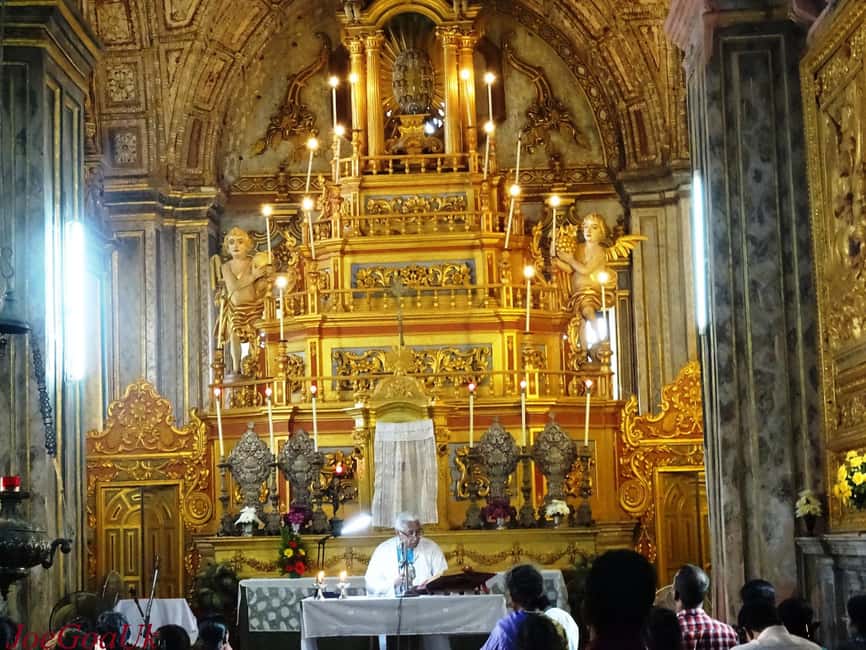
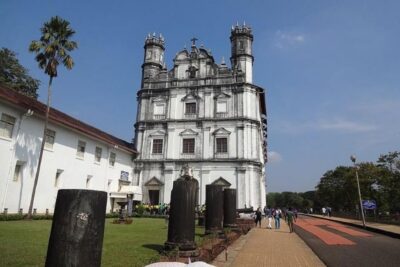
Your first big stop is Se Cathedral, a 400-year-old church in Old Goa often associated with St Catherine’s. The headline feature is the façade: it’s described as one of the most impressive Iberian-fronted sights in the region, and you can see why. Expect detailed ornamentation on the exterior, then step inside for a volume of space and decoration that’s hard to capture quickly.
What I like most here is the mix of textures. The church is noted for mosaic work, intricate wood carvings, and gilded details, plus soaring ceilings that make the place feel much larger than you expect from the outside. If you like architecture that looks “worked on,” not just painted, this is your moment.
Two practical notes. First, follow the dress rules before you arrive. Sleeveless tops and shorts (and short skirts) aren’t allowed for visiting churches and temples. Second, if you’re planning to photograph everything, be ready for possible interior restrictions. In one example of on-the-ground experience, visitors found that photos weren’t allowed inside, so it’s smart to assume you may have to pause your camera once you’re indoors.
Spend the time you need at this stop. Thirty minutes can feel quick, but if you focus on façade details first and then look up once inside, you’ll leave with the right kind of memories.
Basilica of Bom Jesus and the UNESCO Level of Detail
Next up is the Basilica of Bom Jesus, also a 400-year-old church with UNESCO World Heritage status. This one has a different mood from Se Cathedral. It’s closely tied to the Jesuit era, and that shows in the way the exterior and symbolism are described and presented.
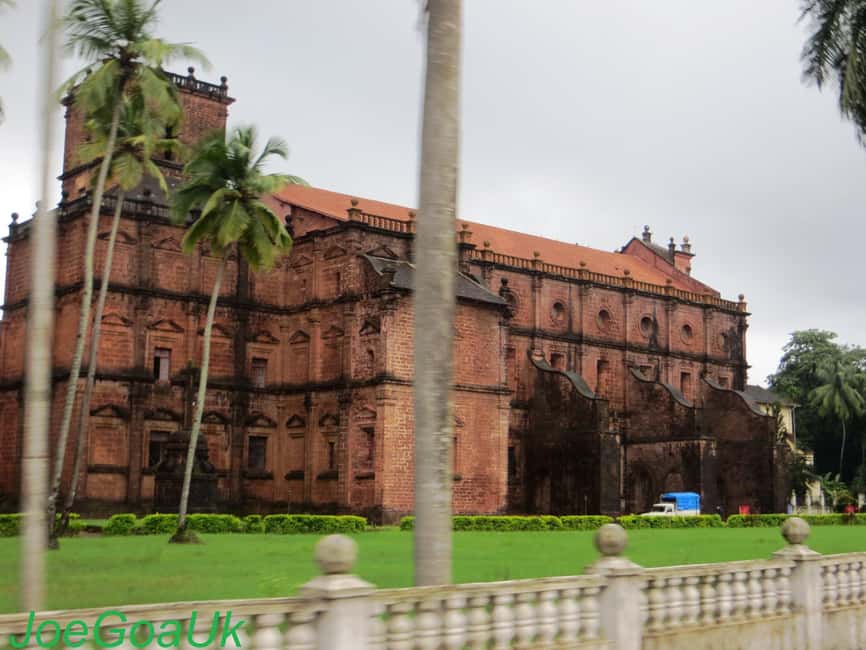
The standout detail here is that the exterior hasn’t been plastered. That gives the church a different look and lets you appreciate the structure’s surfaces and carving work. Another specific feature to watch for is the triangular roofing with the initials IHS, an abbreviation linked to the Jesuit emblem meaning Jesus, Saviour of Men.
I also appreciate how the tour framing makes this more than a checklist item. Bom Jesus is important because it’s not just Portuguese-style architecture; it’s a place with deep cultural and religious significance in Old Goa. When a guide explains that, the carvings stop looking decorative and start making sense.
As with Se Cathedral, be prepared for the no-sleeveless and no-shorts rule. Also, keep an eye out for any instructions about photography as you enter. If the space is quiet or restricted, follow what the staff asks for. You’ll still get plenty of great views without breaking rules.
St Augustine’s Tower: A Movie-Friendly Landmark in Plain Sight
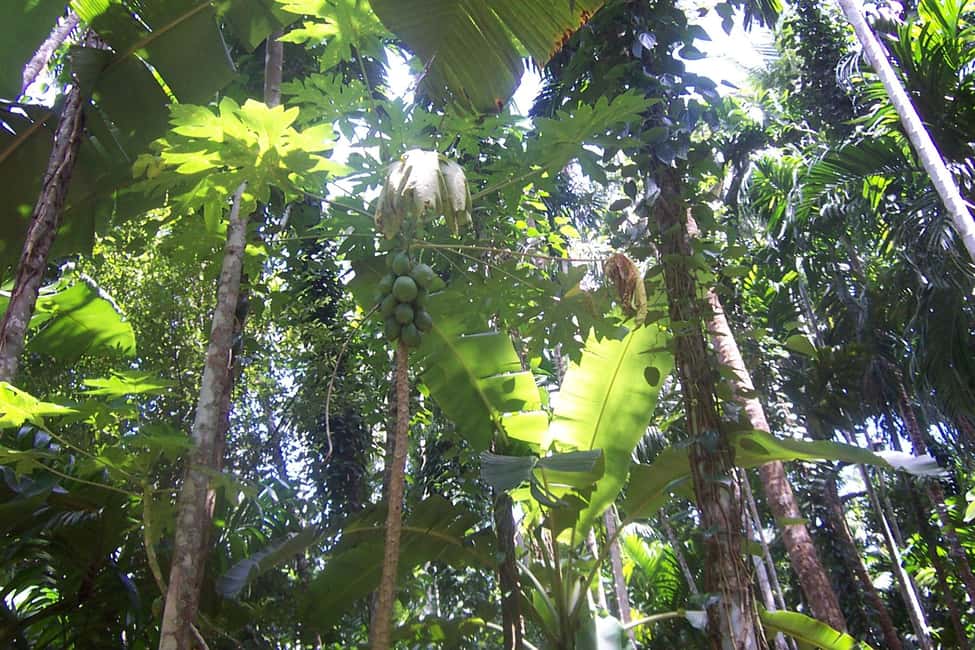
After the two major churches, the tour heads to St Augustine’s Tower in Monte Santo (Bainguinim). This stop is shorter, but it’s fun in a different way. The tower is described as a frequent favorite in Bollywood movies, so if you’ve seen Goa scenes before, you might recognize the silhouette even if you can’t name it.
What you get from this part of the experience is a quick shift from ornate church interiors to a landmark you can spot, photograph from sensible angles, and then move on. Towers are visual anchors, and Goa’s film-style views often center on their shape. If you care about how places show up in popular culture, this one delivers a bit of that recognition.
It’s not the same scale as the other two stops, so manage your expectations: treat this as a visual breather and photo moment, not as another deep architectural museum.
The Tropical Spice Plantation Near Ponda: Walk, Listen, Eat
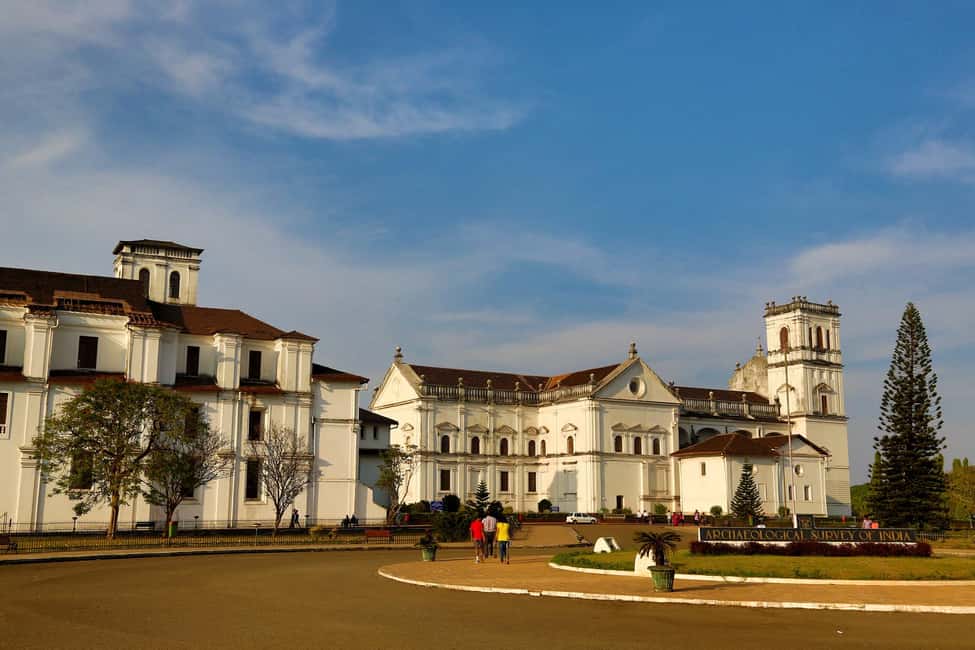
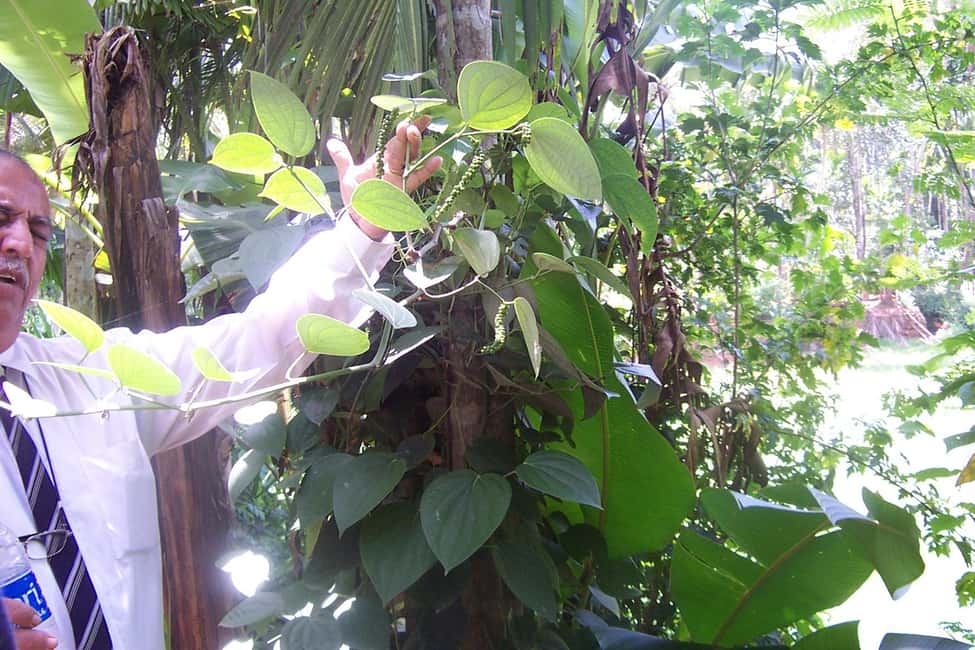
Then comes the part many people remember most: the transition from churches to a tropical spice plantation near Arla Bazar Keri, Ponda. This is where you leave the Portuguese-era story and step into a very practical one—how spices grow, how plantations are laid out, and what they’re used for.
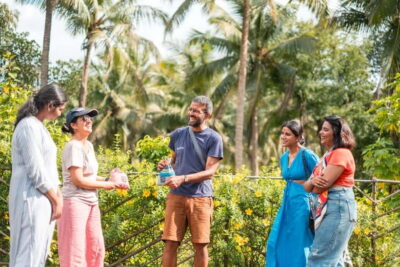
You’re guided through the plantation grounds with time to stroll. You’ll hear birds, and you might notice the plantation setting around a stream. The walk is described as calm and low-pressure, the kind of place where you can slow down and take in details instead of racing for the next photo.
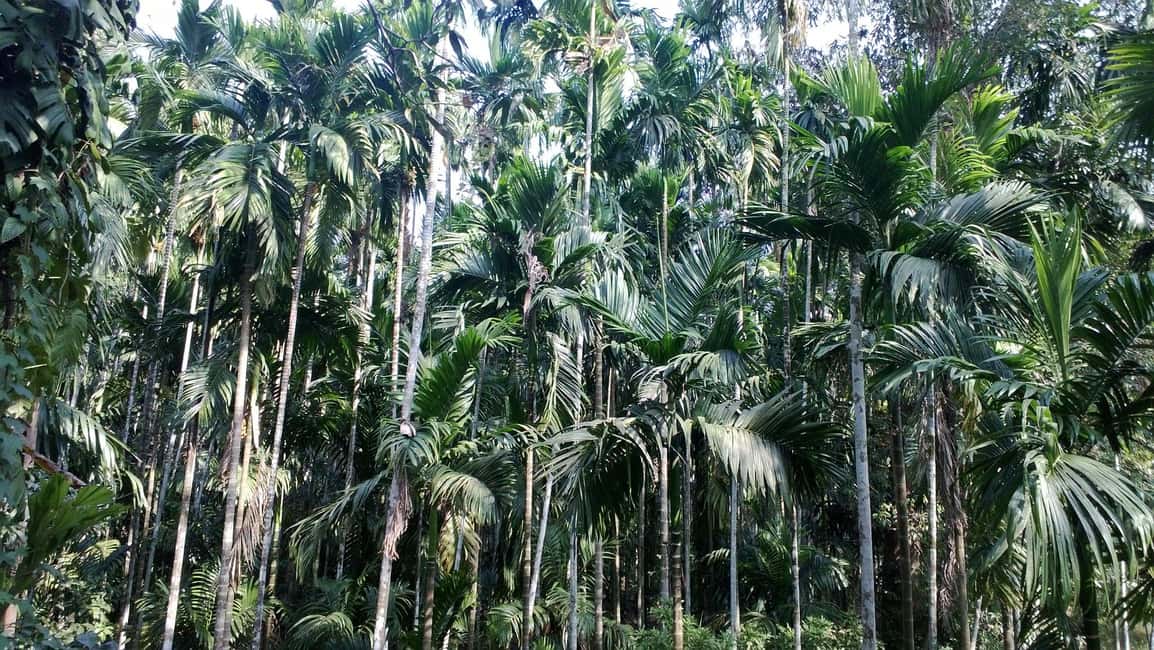
You’ll also encounter examples of the kinds of plants that show up in Indian cooking, including things like betel nuts, along with other tropical crops. Even if you’re not a spice-nerd, this part is usually engaging because the guide ties plants to everyday flavors. It makes the whole Portugal-to-India journey feel connected, not random.





The Goan buffet lunch: what’s on your plate
The lunch is included, and this is a big value point of the tour. You’ll have a solemn buffet Goan lunch with items like:
- Prawn Curry
- Goan Chicken dish
- White and brown rice
- Goan Bread
- Fish fry
- A couple of vegetarian items
Two important realities to note. First, drinks are not included, so plan on water or your preferred beverage being an extra cost. Second, if you have food restrictions, you’ll want to decide in advance how comfortable you are with a buffet format.
Price and Value: Is $82 a Good Deal for Five Hours?
At $82 per person for a 5-hour private tour, the key question is what you’re actually getting. Here, you’re not paying just for a guide and a few views. You’re getting a private chauffeur-driven car, a professional English guide, entry connected to the spice plantation, plus a buffet lunch.
That combination is what makes this pricing feel reasonable. In places like Goa, transportation plus a guided day often costs plenty on its own, and food usually adds up fast. Here, lunch is part of the package, and it’s not a token snack. It’s a full Goan buffet with several mains and carbs.
The one cost you should mentally reserve: drinks. Since they’re not included, you’ll likely spend a bit extra if you want soda, juice, or beer with lunch. If you’re traveling on a tighter budget, bring your own bottled water where permitted, or plan to buy water on-site.
Also, the private-group setup usually means more control. You’re less likely to feel rushed, and you can ask questions without repeating yourself 10 times. That’s worth something.
Dress Code in Goa: The Rule That Can Stop Your Tour
This tour comes with a clear constraint: no shorts, no short skirts, and no sleeveless shirts when visiting churches and temples. It’s not “best practice.” It’s a hard rule, and it matters.
If you’re arriving in shorts and a tank top, fix it before you step out of the car. A light breathable shirt plus pants or a long skirt can make the day easy. If you forget, you might end up stuck waiting while you find something at the last minute.
This is also why I recommend wearing comfortable shoes. Old Goa church areas can be uneven, and you’ll want sure footing while you move between viewpoints. With the right clothes, you’ll spend less time negotiating rules and more time enjoying the architecture.
Timing That Feels Right: Why 5 Hours Works Here
Five hours sounds short. In this case, it’s a good length. You hit the main Old Goa church stops—Se Cathedral, then Bom Jesus—with enough time to look properly, not just skim. Each church visit is handled as a focused block, so you’re not waiting around with nothing to do.
Then the schedule swaps to the spice plantation for about an hour, which is enough time for a walk and a proper lunch without turning the day into an all-day slog. You also get a couple hours of passing time in between, which typically means travel and a little breathing room. It helps the day feel like a journey rather than a sprint.
If you hate being rushed, this format should fit you. It’s structured, but it doesn’t feel like you’re getting timed at every turn.
Who This Tour Fits Best (and Who Might Want Something Different)
This tour is ideal if you want:
- Portuguese colonial Goa’s top church sights
- A spice farm experience with a real included lunch
- A private, guided day that feels organized without being stiff
It also suits you if you’re the type who likes understanding what you’re seeing. The English guide approach helps a lot at Bom Jesus and Se Cathedral, where the symbolism and design details benefit from explanation.
Where it might not fit as well is if you’re looking for a long list of stops across multiple neighborhoods. This one is focused: Old Goa churches, then one plantation. If you want a broader “many places in a full day” itinerary, you might prefer a longer tour with more sites.
Should You Book Heritage Goa, Ancient Churches and Spice Plantation?
If you want Old Goa without the circus and a satisfying finale at a spice plantation, I think booking makes sense. The biggest reasons are simple: private transport, an English-speaking guide, included entry tied to the spice farm, and a Goan buffet lunch that feels like part of the experience, not an add-on.
Book it especially if you can dress for churches. Bring the right clothes, and the day will feel smooth. If you can’t do that, the dress code alone could turn the experience into avoidable stress.
I’d skip this tour only if your travel style demands lots of stops or if you’re not interested in either church architecture or spice-farm education. Otherwise, it’s a compact, practical way to see a very specific slice of Goa: Portuguese-era faith sites followed by Indian spice agriculture.
FAQ
Where does the tour pickup start?
Pickup is from Calangute.
How long is the experience?
The duration is 5 hours.
Is this a private tour?
Yes, it’s a private group tour.
What language is the tour guide?
The tour guide provides English.
What’s included in the price?
You get a private chauffeur-driven car, a professional guide, and entry tickets for the spice plantation plus the buffet lunch.
Are drinks included with lunch?
No, drinks are not included.
Are there dress code rules for churches and temples?
Yes. Shorts, short skirts, and sleeveless shirts are not allowed while visiting churches and temples.
Is free cancellation available?
Yes. You can cancel up to 24 hours in advance for a full refund, and the booking also offers a reserve now & pay later option.