REVIEW · NORTH GOA
North Goa: Mulgao Village and Coconut Farming Experience
Book on GetYourGuide →Operated by Make It Happen · Bookable on GetYourGuide
Temple stories and coconut oil lessons in one morning. I love the way the local storyteller threads Mulgao village life through temple-and-shrine worship, and I love the hands-on farm stop at Mulgão Verde, where you learn how virgin coconut oil is made. One catch: this is not a simple walking trail, so plan on arranging transportation around the village.
Mulgao is special because the spiritual side is woven into everyday rhythms. You’ll pass shrines and holy sites, hear spell-binding stories about revered guardian deities, and get a feel for Goan folk culture tied to the area’s pre-Portuguese heritage.
You’ll also spend time outdoors in coconut grove shade and sun, so go prepared. Wear comfortable shoes, bring a hat and sunscreen, and pack water—this is an easy day, but the weather does not care about your plans.
In This Review
- Key reasons this Mulgao coconut experience is worth your time
- Mulgao Village: where folk culture and worship live side-by-life
- Starting at Kelbai Temple and the first guided circuit (about 1 hour)
- The 20-minute guided stop: stories that make the shrines feel personal
- Mulgão Verde organic coconut farm visit (about 1.5 hours)
- Virgin coconut oil: what you’ll learn and why it matters
- Sustainability and zero-waste practices you can actually repeat at home
- The Goan farm-to-table vegetarian meal in a coconut grove
- Small but helpful food rules
- What the price includes (and why $30 can be good value)
- Practical tips: shoes, sun gear, and transport inside the village
- You must handle transportation
- Bring what they won’t provide
- A few behavior rules
- Accessibility reality check
- Who this suits best (and who might want a different day)
- Should you book Mulgao village and the coconut farm?
- FAQ
- Where does the tour start?
- How long is the experience?
- What language is the guide?
- What’s included in the $30 per person price?
- Is transportation included?
- Is this experience a walking trail?
- What should I bring?
- Are smoking or alcohol allowed?
- What’s the cancellation rule?
Key reasons this Mulgao coconut experience is worth your time
- Mulgao village temple-and-shrine atmosphere: You’re working with a place that has over fifty temples and shrines.
- A storyteller-led route: Explanations are paced and human, not just signage.
- Organic coconut farm at Mulgão Verde: You don’t just watch—you learn the farming process stages.
- Virgin coconut oil production: You get a clear, practical look at how it’s produced from coconuts.
- Sustainability + zero-waste focus: The coconut farm ties everyday products to smarter land use.
- Goan farm-to-table vegetarian meal: You finish the experience fed, not just informed.
Mulgao Village: where folk culture and worship live side-by-life
North Goa often gets sold as beaches first. This experience is different. Mulgao village leans into the spiritual and agricultural heart of the region, where temples, shrines, and daily work share the same compass.
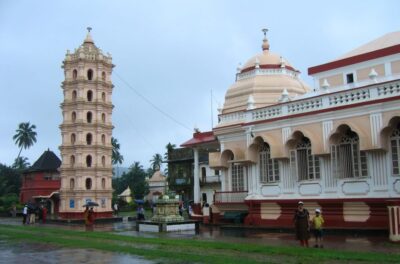
Mulgao’s claim to fame is not one single monument. It’s the density of sacred spaces—over fifty temples and shrines in the village area—so the tour feels like a guided walk through belief systems that are still practiced, not museum-cataloged. You’ll hear stories connected to guardian deities and see how worship shows up in a community’s identity.
And then there’s the other half of the day: coconuts. In Goa, the coconut palm is used in multiple parts of daily life, and the farm visit turns that idea into something tangible. It’s the kind of experience where you leave thinking, okay, this tree is basically a whole local economy and lifestyle.
You can also read our reviews of more tours and experiences in North Goa.


Starting at Kelbai Temple and the first guided circuit (about 1 hour)
Your tour kicks off at Kelbai Temple, Mulgao. This matters because it sets the tone early. Instead of starting with “here’s a temple, take photos,” you start with context—why these spaces matter to the people living around them.
In the first guided segment (around one hour), expect to move between different shrines and holy sites with your local storyteller guiding the stories. The goal is to help you connect what you’re seeing with how locals understand it: folk culture, ancient roots, and the way worship and community life mesh together.
What I like about this pacing: it keeps you from feeling rushed. You’re not sprinting from point to point. You’re getting explanations while you’re still fresh and willing to pay attention.
Possible drawback to plan for: since it’s village-based and spiritual sites can mean steps, uneven ground, and occasional slowdowns, comfortable shoes are not optional. This isn’t a sit-and-smile day.
The 20-minute guided stop: stories that make the shrines feel personal
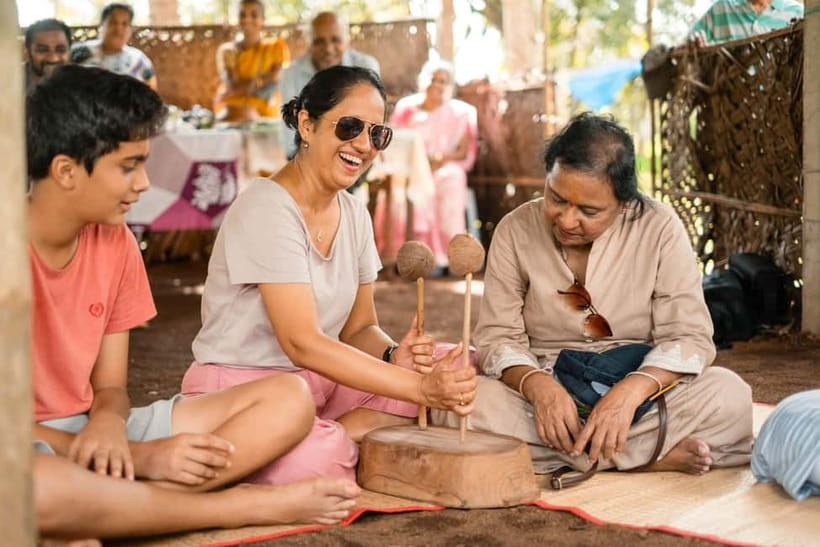
After the first movement through Mulgao’s sacred spaces, you’ll have a second guided stretch (about 20 minutes). This part is shorter, so it’s likely focused on meaning—bringing together themes around guardian deities and why specific worship traditions endure.
This is where the tour format really helps you. By the time you reach this second segment, you’ve already seen multiple holy sites. So the guide’s story doesn’t feel random—it lands because you’ve built context already.
If you tend to enjoy cultural tours where the guide actually explains the “why,” this timing is a sweet spot. It keeps the momentum without overloading you with too many facts at once.
Mulgão Verde organic coconut farm visit (about 1.5 hours)
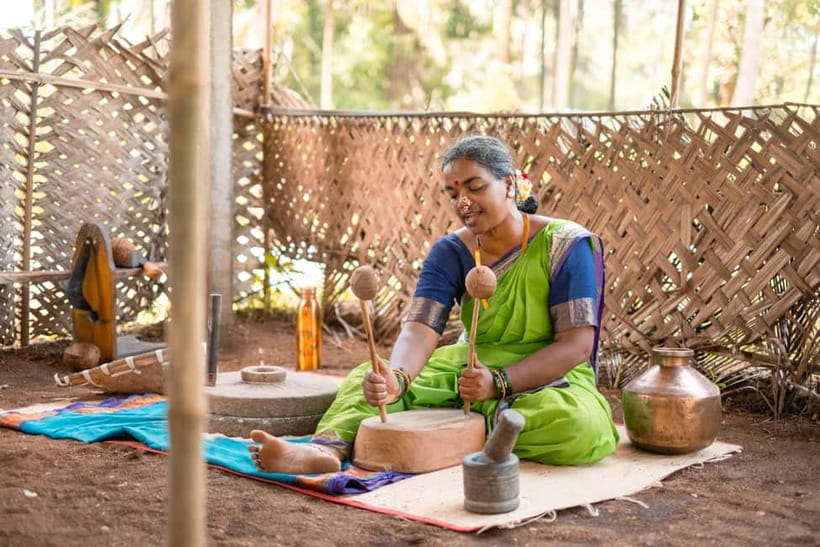
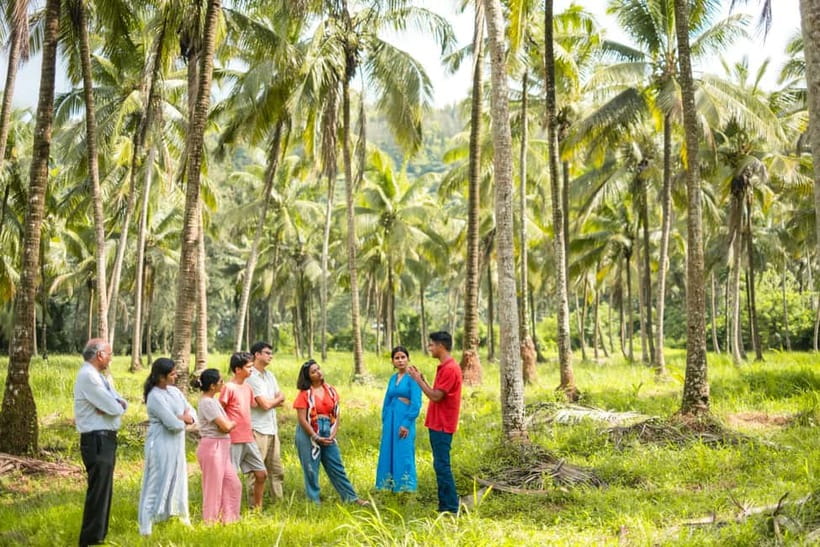
Next comes the part most people remember: the visit to Mulgão Verde, an organic coconut farm. This is where the day shifts from spiritual sites to agricultural practice—and yes, it’s still about culture, just in a different form.
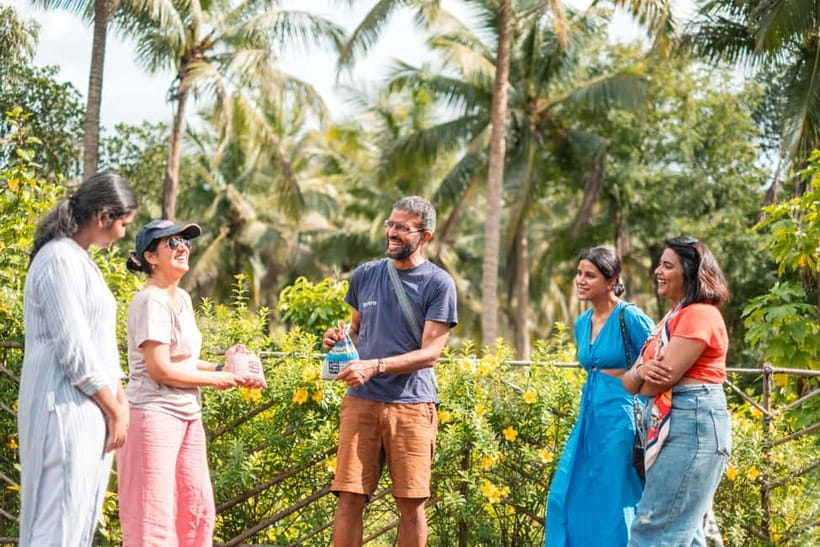
You’ll spend about 1.5 hours on the farm with guided exploration. The focus is on agritourism as education: you’ll learn about farming stages and what “organic” really means in everyday practice, not in marketing language.
You should also be ready for sensory details. Coconuts smell like coconuts. Soil smells like soil. Even if you’re not a farm person, the farm visit changes your perspective because you see the raw material and the process side-by-side.
Virgin coconut oil: what you’ll learn and why it matters
The tour includes learning about virgin coconut oil (VCO) production. You won’t just be told it exists—you’ll understand the process of producing it from coconuts, and you’ll likely hear why the method matters to quality.
In practical terms, this is a great lesson for travelers who like to buy food and personal-care products responsibly. Instead of grabbing a bottle because it says organic or natural, you’ll recognize the supply chain behind it and understand why the coconut isn’t just fruit—it’s a system.
On the farm, the production is tied to other coconut-based products too. So the bigger takeaway is coconut palm usefulness in daily life across Goa—not just the farm’s output.
Sustainability and zero-waste practices you can actually repeat at home
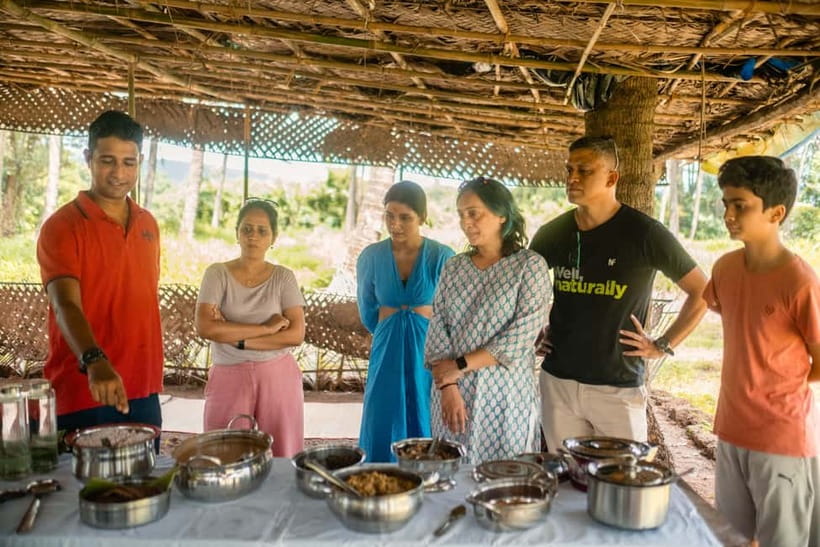
One of the strongest threads in this experience is sustainability. The farm portion includes insights into sustainable initiatives in farming and zero waste practices.
Now, you may not go home and start composting coconut husks immediately. That’s fine. The real value here is learning the logic: treat every part of the plant as useful, reduce waste, and design farming with a long view.
Coconut is one of the easiest crops to show this idea with, because many parts of the palm can become something. You’ll see how the farm mindset connects to everyday products, and that’s the part you can carry home—even if you never replicate a full zero-waste system.
The Goan farm-to-table vegetarian meal in a coconut grove
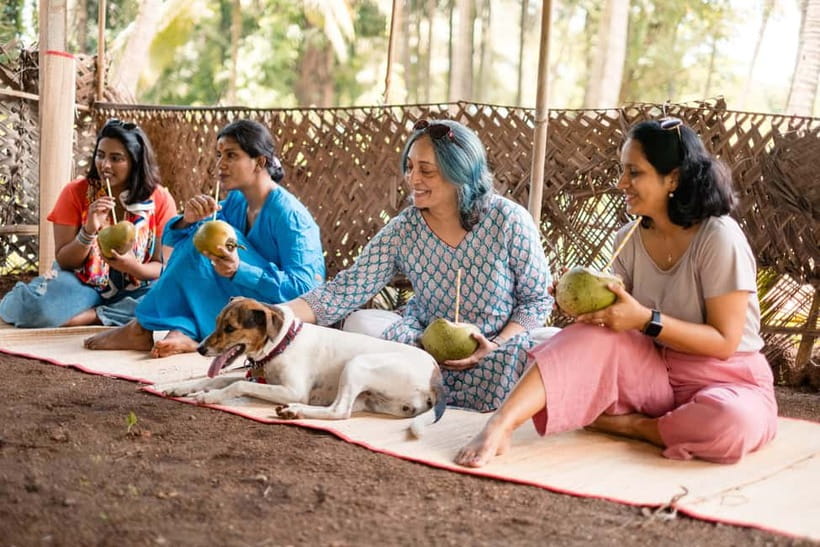
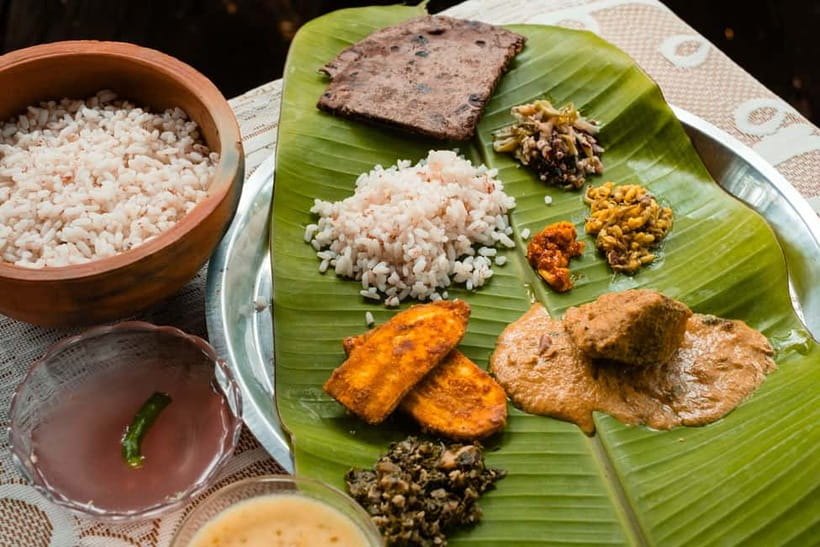
After village shrines and farm learning, you’ll end with a traditional Goan farm-to-table vegetarian meal prepared by local villagers. This isn’t just a bonus—it’s how this day becomes complete.
The meal is hosted at the coconut farm, with the gentle feel of a coconut grove around you. That setting does something important: it gives context to the food. You’ve seen the coconut farm, learned how coconuts become oil and products, and then you eat a vegetarian meal made by the people who live that system.
In at least one recent booking, the food was described as authentic and fantastic, and that matches what you should expect when the meal is truly made onsite by local villagers. The point isn’t fancy plating. It’s real connection.
Small but helpful food rules
The tour doesn’t provide any instruction about specific dietary categories beyond vegetarian. If you have allergies or strict dietary limits, I’d treat this as a question to ask when you book, because the meal is a local, village-style preparation.
What the price includes (and why $30 can be good value)
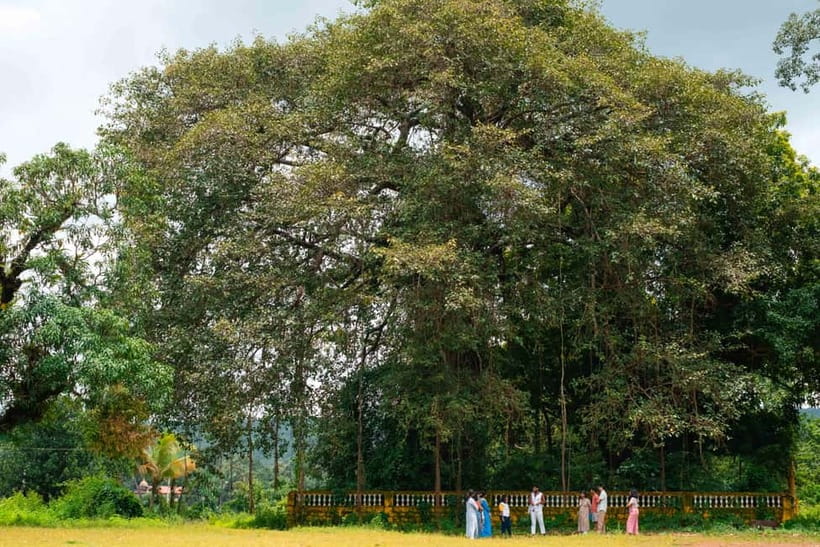
The cost is about $30 per person for roughly 3 hours. That price is not only “a guide walking with you.” It includes:
- A local storyteller-led experience in English
- Visits to various shrines and holy sites in Mulgao village
- A tour of an organic coconut farm
- Insights into virgin coconut oil production
- A traditional Goan vegetarian meal prepared by local villagers
Transportation is not included, and that’s worth thinking about. If you’re already staying nearby or can easily arrange a vehicle, you’ll likely feel the value. If you’re traveling farther and paying extra just to reach Mulgao and move around inside the village, your total day cost will rise.
Still, compared to many half-day experiences that only give you a short cultural stop, this one packs in both a village spirituality segment and a farm production segment plus a meal. For many travelers, that makes it feel fair.
Practical tips: shoes, sun gear, and transport inside the village
Read this part carefully because it’s the most likely reason a day like this feels smooth or annoying.
You must handle transportation
This experience is not a walking-only loop. You’ll need transportation during the experience within the village. The activity doesn’t include transport to/from the village either. So plan on using your own vehicle or arranging transport at your end.
If you hate logistics on vacation, this may feel like extra work. But if you can handle it, the payoff is that you see more than you could on foot.
Bring what they won’t provide
You’re expected to bring:
- Comfortable shoes
- Hat
- Sunscreen
- Water
They also don’t provide umbrellas, raincoats, caps/hats, face-masks, or sanitizers. If you like having a backup plan for sun or light rain, bring it yourself.
A few behavior rules
No smoking and no alcohol or drugs. That’s straightforward, but it matters in rural village settings where the community tone is part of the experience.
Accessibility reality check
This experience is not suitable for wheelchair users. The day involves farm activity and temple areas, so you should expect uneven or changing terrain.
Who this suits best (and who might want a different day)
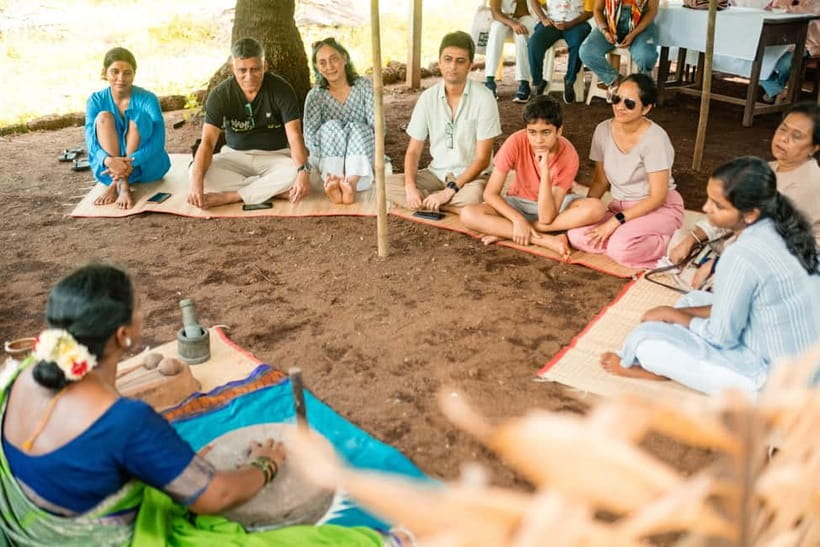
This is a great fit if you:
- Love cultural travel that is story-driven and community-connected
- Want more than sightseeing photos—learning matters here
- Like practical nature and food education, especially coconut-based production
- Enjoy slower pacing rather than a rushed checklist day
You might consider a different option if you:
- Want a self-guided walking tour with no transport needs
- Need full wheelchair accessibility
- Get uncomfortable spending time outdoors in the sun (even with shade breaks, you’ll still want sun protection)
Should you book Mulgao village and the coconut farm?
Yes—if you’re the type of traveler who enjoys “how and why” moments, this is a smart booking. You get both sides of North Goa culture in one day: temple-and-shrine village life and the real process behind virgin coconut oil plus coconut-based products. And you finish with a vegetarian meal made by local villagers, not a generic restaurant detour.
Book with extra care if transport is your weak spot. Because the tour requires movement within the village and does not include transportation to/from the start point, your day is only as easy as your transport plan.
If you can sort that out, this is one of those 3-hour experiences that leaves you with more than memories. It leaves you with a new way to see the coconut palm and the sacred spaces that shape Mulgao’s daily life.
FAQ
Where does the tour start?
The tour starts at Kelbai Temple, Mulgao.
How long is the experience?
The experience lasts about 3 hours.
What language is the guide?
The tour is guided in English.
What’s included in the $30 per person price?
It includes a local storyteller-led experience, visits to shrines and holy sites in Mulgao village, a tour of an organic coconut farm, information about virgin coconut oil production, and a traditional Goan vegetarian meal.
Is transportation included?
No. Transportation to and from the village is not included, and you also need to arrange transportation during the experience within the village.
Is this experience a walking trail?
No. It is not a walking trail, and the tour requires transportation.
What should I bring?
Bring comfortable shoes, a hat, sunscreen, and water.
Are smoking or alcohol allowed?
No. Smoking is not allowed, and alcohol and drugs are not allowed.
What’s the cancellation rule?
You can cancel up to 24 hours in advance for a full refund.