REVIEW · GOA
Goa: Old Goa Churches and Spiritual Walk
Book on GetYourGuide →Operated by Yo Tours · Bookable on GetYourGuide
Old Goa tells stories in stone. This 2-hour spiritual walk threads together Portuguese-era churches, UNESCO monuments, and the kind of local storytelling that makes the buildings feel like living history. I especially like how the route keeps you moving through key sites without turning it into a checklist, and I like that your guide connects what you see to faith, power, and art in plain language. One heads-up: this is a walking tour, and it’s not suitable for wheelchair users.
A big reason this works is the guide style. In one booking, the guide Joe was praised for tying the big story of Goa to what you’re looking at inside Bom Jesus and the Se Cathedral. You’ll also get plenty of chances for conversation about religion and local importance, which is exactly what you want when you’re standing in front of centuries-old religious art. The only other consideration is the weather and sun—wear real walking shoes and bring water.
In This Review
- Key things that make this walk worth your time
- Old Goa’s Portuguese churches: spiritual, but also power and art
- Price and what you actually get for $18
- Where to meet and how the timing really works
- Basilica of Bom Jesus: the starting point that sets the mood
- St. Francis of Assisi: a quick stop with big story potential
- Sé Cathedral: scale, symbolism, and the feeling of grandeur
- Archaeological Museum of Goa and Kristu Kala Mandir Art Gallery: grounding the legends
- Viceroy’s Arch, Adil Shah Palace Gateway, and the Statue of Jesus
- Church of St. Cajetan: the calm ending with views over the Mandovi and Divar Island
- Comfort, heat, and what to bring for a smooth 2 hours
- Who this tour suits best
- Real talk on the guide experience (and why it’s a highlight)
- Should you book this Old Goa Churches and Spiritual Walk?
- FAQ
- Where does the tour start?
- How long is the walking tour?
- What languages are the guides available in?
- Are church entry tickets included?
- Are museum entry fees included?
- Do I get hotel pickup and drop-off?
- Is this tour wheelchair accessible?
- What should I bring for the walk?
- Is there a cancellation window?
Key things that make this walk worth your time
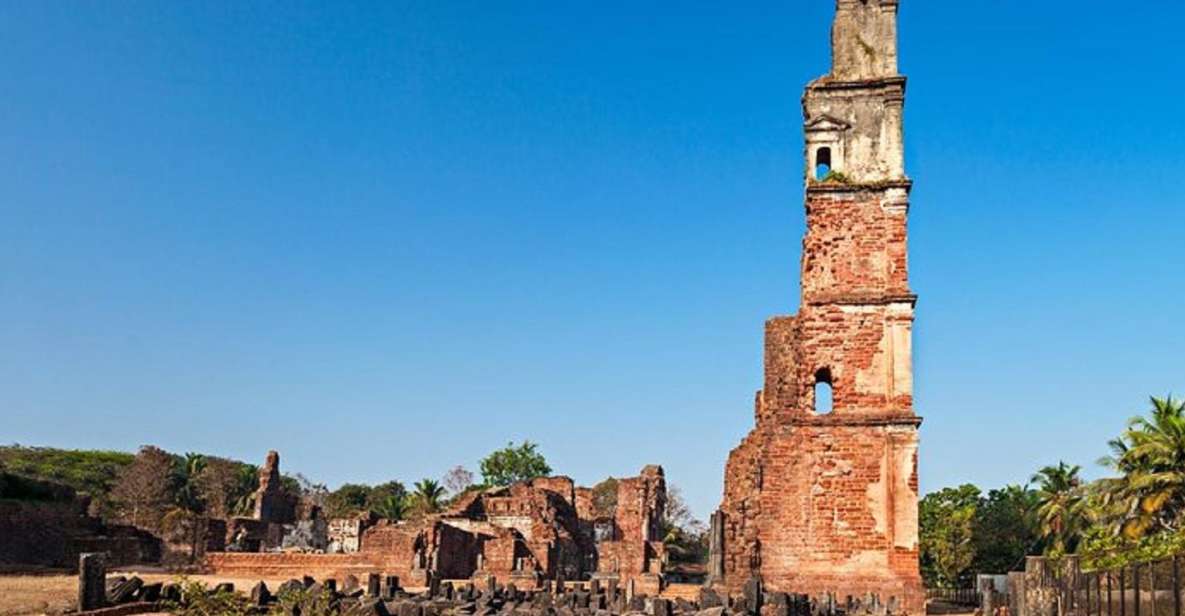
- Portuguese-era churches across UNESCO heritage: you’ll focus on major monuments and preserved lanes rather than random stops.
- Story-first guiding: your guide turns architecture into human stories about faith, empires, and community.
- A clear 2-hour flow: starting strong at Bom Jesus and ending with a scenic finish at St. Cajetan.
- Culture stops beyond churches: you’ll also get context at the Archaeological Museum and the Kristu Kala Mandir Art Gallery.
- Conversation encouraged: English and Hindi guidance with real talk about beliefs and what matters locally.
- Good value for the site coverage: church entries are included, which matters when you’re paying for multiple monuments.
Old Goa’s Portuguese churches: spiritual, but also power and art
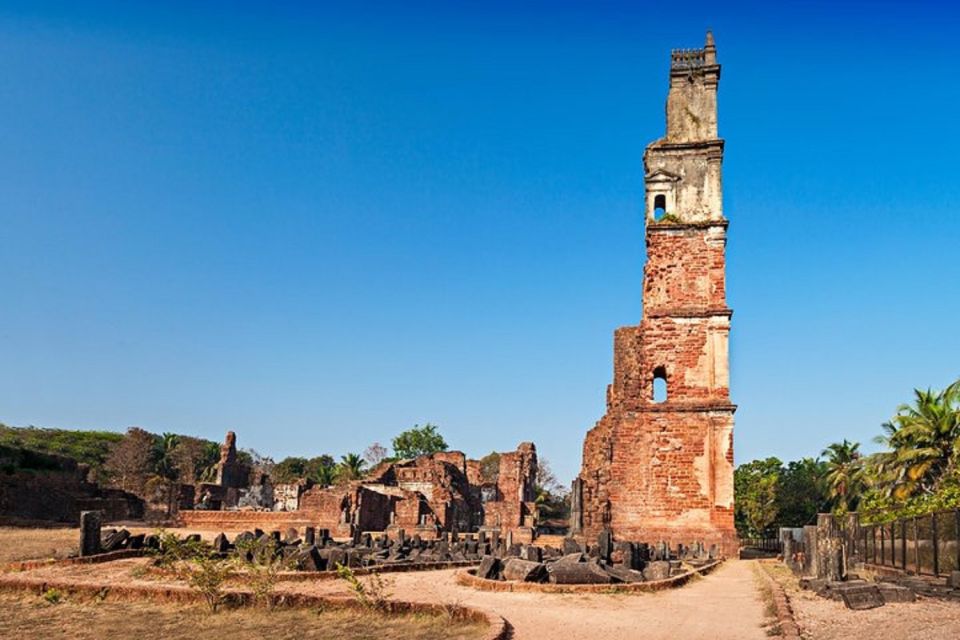
Goa has a common stereotype: beaches, seafood, and parties. That’s true. But the heart of the region has always been Old Goa—where churches from the Portuguese period still dominate the skyline and shape the streetscape.
What I like about this kind of walk is that it doesn’t treat religion as a museum display. Instead, it frames these places as part of Goa’s bigger story—how communities organized themselves, how art and architecture expressed beliefs, and how outside influence left a deep mark. You’re not just “seeing churches.” You’re learning why these buildings were built, how they were used, and how they became symbols for different eras.
And since the walk includes UNESCO-listed monuments along with preserved buildings and smaller corners, you get both the headline sights and the in-between moments. That mix is what makes the experience feel calm, cultural, and human.
You can also read our reviews of more walking tours in Goa


Price and what you actually get for $18
At $18 per person for a 2-hour guided experience, the value comes down to one key detail: entries to all of the churches of Old Goa are included. If you’re trying to visit multiple major religious sites in one morning or afternoon, that inclusion can save you from paying separate entry costs across different stops.
You should budget for two potential add-ons:
- Water is not included, so bring your own.
- Any entry fees to museums are not included, even though the walk includes museum time (more on that when we reach the museum stops).
Also, the tour is private, and it runs with English and Hindi live guiding. For many people, that combination—site access plus a real guide—adds up to better value than a self-guided walk where you’d spend your time reading alone.
Where to meet and how the timing really works
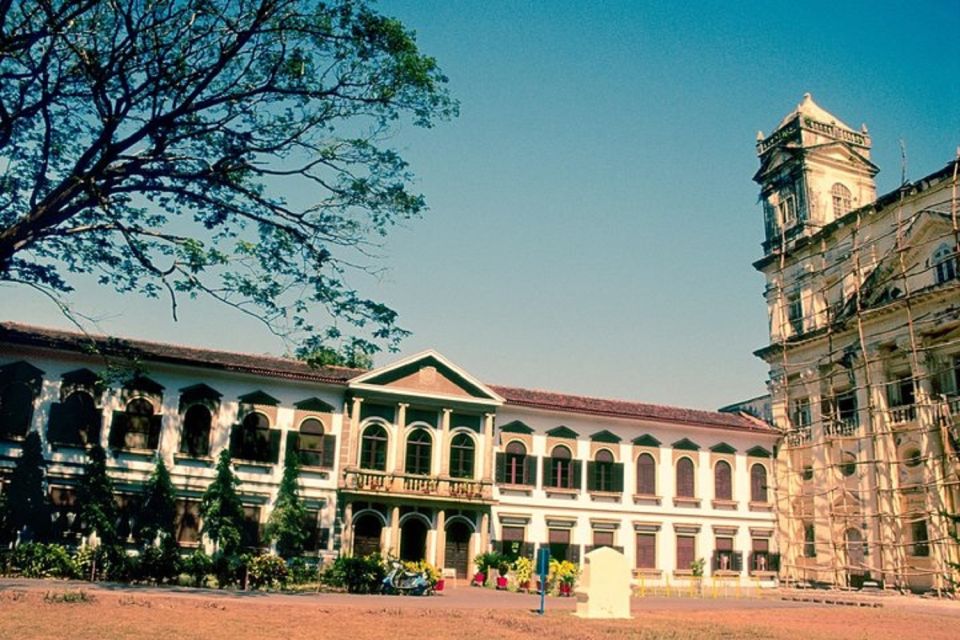
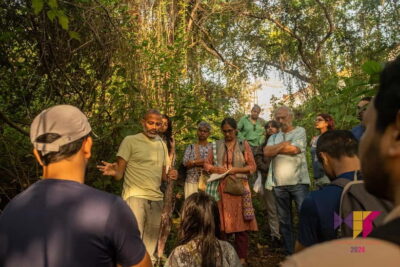
Meet outside the Basilica of Bom Jesus. Your storyteller will be holding a Yo Tours ID card. The tour runs for 2 hours and starts on time, so arrive about 15 minutes early to get settled and avoid rushing.
Because it’s a walking route through older lanes, it helps to show up ready:
- Wear comfortable shoes you don’t mind walking in.
- Have a WhatsApp-active phone number ready if your provider asks for smoother coordination.
A private group also changes the feel. You’re not packed shoulder-to-shoulder in a big crowd, so your guide can keep the pace reasonable and answer questions as you go.
Basilica of Bom Jesus: the starting point that sets the mood
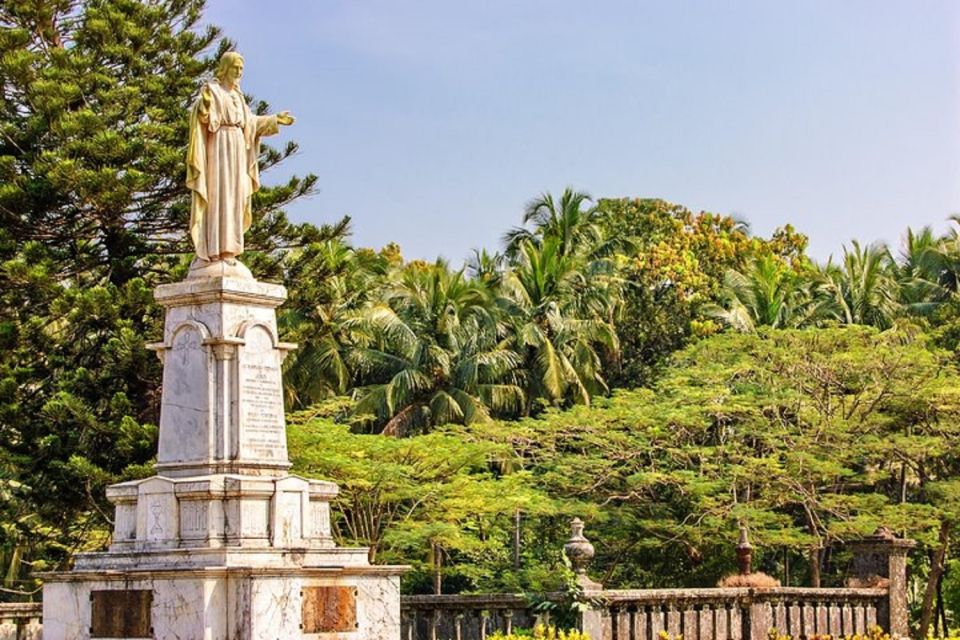
You begin at the Basilica of Bom Jesus, which matters because it anchors the whole walk. Instead of jumping randomly into churches, you start with one of the key landmarks and build from there. Your guide typically sets context right away—how the Portuguese period shaped religious architecture in Goa and why these monuments became so important.
Even if you’re not a hardcore architecture person, this stop is the one that helps you “get it.” You’ll see the church as more than a photo backdrop: it’s a focal point for belief, community memory, and artistic expression.
Practical tip: treat the first stop like your warm-up. If you’re sensitive to heat, take a moment to slow down, hydrate, and then settle into the walking rhythm.
St. Francis of Assisi: a quick stop with big story potential
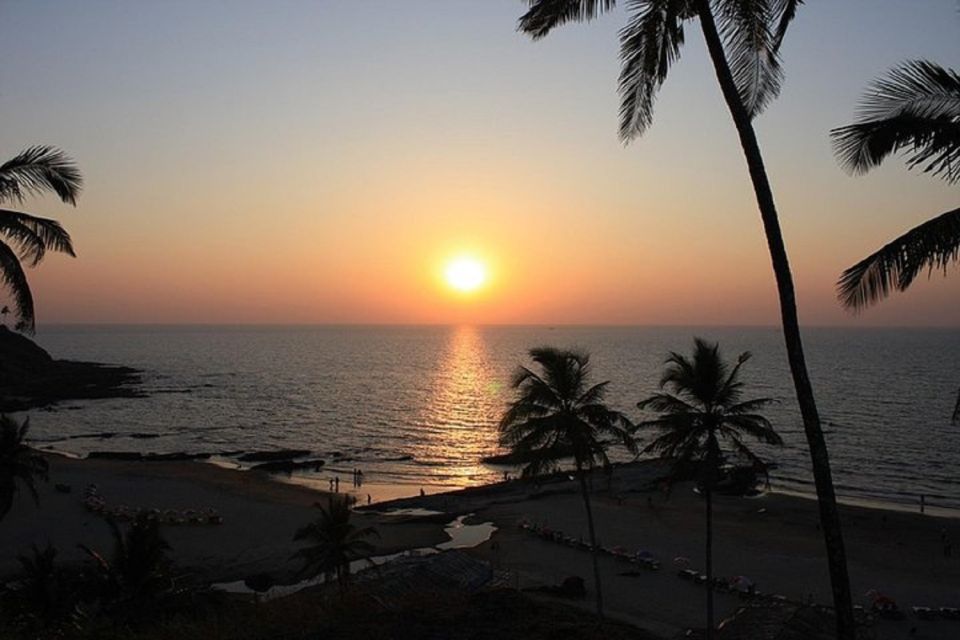
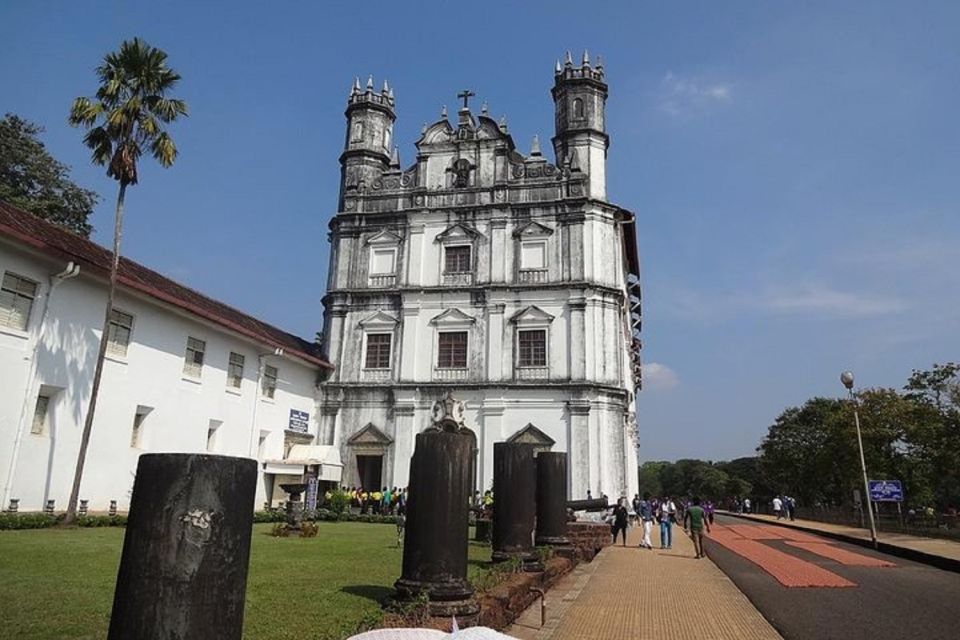
Next is the Church of St. Francis of Assisi, Goa. You’ll have about 15 minutes here—short enough to keep the pace of the walk, long enough for a real look if you move thoughtfully.
The value of a “medium quick” stop is that it prevents the tour from becoming one long slog in a single location. It also lets your guide connect themes across sites: what changes from church to church, what stays consistent, and how the Portuguese-era influence shows up in details you might miss if you’re only skimming.
If you tend to rush through interiors, force yourself to slow down for 2-3 minutes. Look up, then look around. That’s where the story usually hides.



Sé Cathedral: scale, symbolism, and the feeling of grandeur
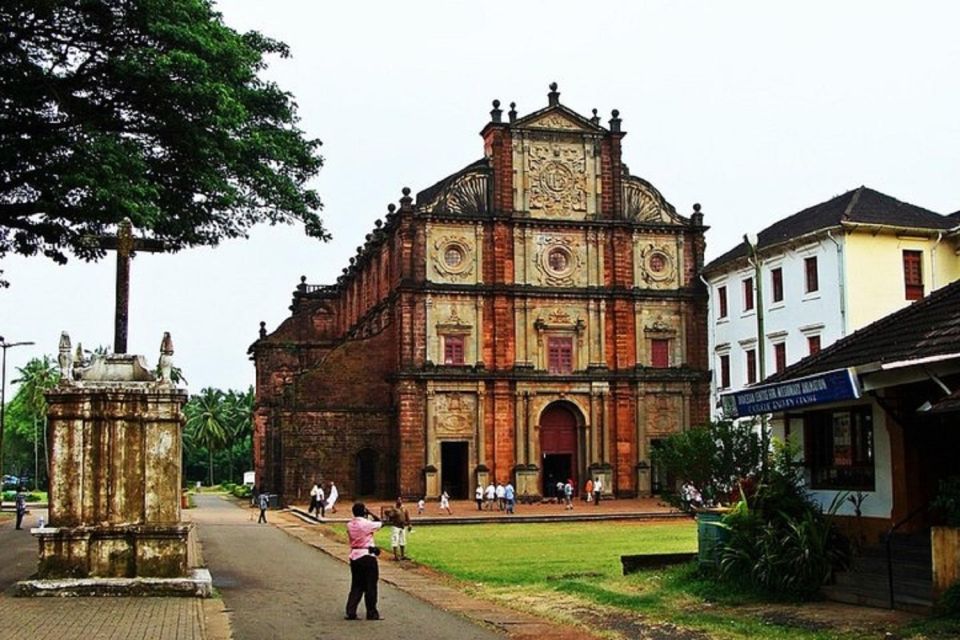
The Se Cathedral is often the moment when people’s expectations shift from “nice church” to “wow, this is huge.”
The tour highlights this stop because it’s described as Asia’s largest church. Even if you don’t focus on exact rankings, you’ll feel the scale in the way the space is designed and how it dominates its surroundings. This is one of those locations where your guide’s explanations help you read what you’re seeing instead of just taking in visuals.
Why this matters: bigger spaces often come with bigger symbolism. Your guide’s job is to translate that symbolism into practical understanding—how religious power and community identity got expressed through architecture.
Archaeological Museum of Goa and Kristu Kala Mandir Art Gallery: grounding the legends
The walk doesn’t end at churches. Between religious monuments, you’ll also get cultural context at:
- the Archaeological Museum of Goa
- the Kristu Kala Mandir Art Gallery
This part is valuable because it supports the “why” behind what you’re seeing. Churches can feel like isolated stops if you’re only staring at walls. Add museum and art context, and suddenly the buildings make more sense: the art and objects help connect the Portuguese-era religious layer with local heritage and older timelines.
One practical note: museum entry fees are not included in the tour price (any museum fees are your responsibility). So if you want to avoid surprises, plan a little extra budget just in case.
If you’re short on time in Goa, this cultural stop is a smart use of your 2 hours. It adds meaning without making the tour feel long.
Viceroy’s Arch, Adil Shah Palace Gateway, and the Statue of Jesus
This walking stretch leans into the broader “Old Goa” atmosphere. You pass and walk through major heritage points like:
- Viceroy’s Arch
- Adil Shah Palace Gateway
- the Statue of Jesus
Even though these aren’t all churches, they’re part of the same story-world. Old Goa wasn’t only about religious buildings; it was also about administration, influence, and public identity. A site like Viceroy’s Arch helps you connect the dots between colonial governance and what people experienced in everyday life. The palace gateway and statue add texture, showing that faith and power were often public, visible, and linked.
Here’s the useful mindset for this part: don’t treat these stops as “drive-by photos.” Let your guide frame what each location tells you about who held authority and how communities interpreted that presence.
Church of St. Cajetan: the calm ending with views over the Mandovi and Divar Island

Your tour finishes at the Church of St. Cajetan, a fitting end point because it comes with a scenic payoff. The church overlooks the Mandovi River and Divar Island.
This matters because Old Goa’s lanes can feel enclosed and sun-heavy, and ending with open views gives your brain a break. It also changes the emotional tone: the walk moves from architectural focus into landscape perspective—like you’re stepping back to see where all these monuments sit in the wider world.
Practical tip: keep your sunglasses handy and slow down at the final stretch. If you’re tired, you’ll still want to spend a couple minutes looking at the river view, since that’s part of what makes the ending memorable.
Comfort, heat, and what to bring for a smooth 2 hours
Since this is a walking tour, your comfort choices directly affect how much you enjoy it. Bring:
- comfortable shoes
- sunglasses
- sun hat
- water
Also, remember the tour is described as cultural, relaxed, and storytelling-rich. That only works if you can walk steadily without stopping every few minutes to recover. So plan for heat, take hydration seriously, and pace yourself.
If you’re the type who needs restroom breaks, consider timing around your day. The tour lasts only 2 hours, but it’s concentrated in older streets and heritage zones.
Who this tour suits best
This is a great fit if you:
- want a tight introduction to Old Goa beyond beaches
- enjoy walking through historic areas with a guide who explains what you’re seeing
- like religious architecture but also want the social and historical context (faith, art, empires)
- would rather spend your time listening and looking than reading alone
It may be less ideal if you:
- need wheelchair access (it’s not suitable for wheelchair users)
- want a purely quiet self-paced tour with minimal guide involvement
Real talk on the guide experience (and why it’s a highlight)
The strongest praise tied to this experience is the guide performance. One verified booking singled out Joe for linking Goa’s wider history to the basilica and cathedral you visit. Another praised the tour as very informative and entertaining, which tells me the guide approach isn’t dry or scripted—it’s built for engagement.
So when you book, think of it this way: your money isn’t only paying for access to churches. You’re paying for translation—someone turning stone, symbols, and layout into something you can understand quickly and remember.
That’s the difference between “I visited churches” and “I understand what those churches mean.”
Should you book this Old Goa Churches and Spiritual Walk?
If you want a 2-hour, guided, faith-and-history experience that hits the biggest Old Goa church landmarks and adds cultural stops with a local storyteller, I’d say yes. It’s especially appealing for first-time visitors to Goa who want the heritage side without committing to a half-day excursion.
Book it if:
- you’re comfortable walking for 2 hours
- you want English/Hindi storytelling tied to what you see
- you value that church entries are included
Skip it if:
- you need wheelchair access
- you prefer self-guided museum time (since museum fees may not be included and the format is paced by a guide)
FAQ
Where does the tour start?
The tour starts outside the Basilica of Bom Jesus, where your storyteller will be waiting with a Yo Tours ID card.
How long is the walking tour?
The duration is 2 hours.
What languages are the guides available in?
Guiding is available in English and Hindi.
Are church entry tickets included?
Yes. Entries to all of the churches of Old Goa are included.
Are museum entry fees included?
No. Any entry fees to museums not included. The walk includes museum time, so you may need to cover museum entry fees separately.
Do I get hotel pickup and drop-off?
No. Hotel pickup and drop-off are not included. Transportation may be arranged if required, but pickup from your hotel is not part of the package.
Is this tour wheelchair accessible?
No. It is not suitable for wheelchair users.
What should I bring for the walk?
Bring comfortable shoes, sunglasses, a sun hat, and water.
Is there a cancellation window?
Yes. You can cancel up to 24 hours in advance for a full refund.