REVIEW · GOA
Chef Kamal’s Indian Cooking Classes
Book on Viator →Operated by Spicy Bella Cooking Classess · Bookable on Viator
Spice lessons in Goa sound serious, and they are. You’ll learn Indian curry technique from Chef Kamal Varma, tied to his Spicy Bella restaurant in North Goa, with a focus on mother sauces and spice blending rather than just copying recipes. It’s also set up to be small, interactive, and practical—so you can leave with skills you can actually use at home.
I especially like how the class is built around the flavor system: you’ll get hands-on training in balance, spice legacy, and how to mix spices for different curries. The other big win is the care factor—based on what people consistently highlight, Chef Kamal’s team explains processes step by step and keeps the vibe friendly, even when the techniques are new.
One thing to consider: the experience is weather-dependent, and the cooking session only runs with prior notice/advance intimation by email or WhatsApp. So you’ll want to keep your messages handy and stay flexible with your day in Calangute.
In This Review
- Key things to know before you go
- Chef Kamal’s Goa Cooking Class, Built Around Flavor Science
- What You’ll Learn: Mother Sauces, Curry Mixology, and Spice Blending
- Mother sauces: the foundation for multiple curries
- Spice blending: learn the timing and the balance
- Curry “mixology” and balance
- Course Options in Plain English (And How to Choose)
- The 4-Hour Session: How the Class Flows in Real Life
- Ingredients, Sustainability, and the Farmer Support Piece
- Included Refreshments: Fuel for Cooking (And No Alcohol)
- Meeting Point in Calangute: A Simple Pin Helps
- Price and Value: Is $85.11 Worth It?
- Weather and Scheduling: One Practical Heads-Up
- Who This Cooking Class Fits Best
- Should You Book Chef Kamal’s Indian Cooking Class?
- FAQ
- What is the duration of Chef Kamal’s Indian Cooking Classes?
- Where does the class meet in Calangute?
- How large is the group?
- What courses or dish sets are offered?
- What’s included in the price?
- Are alcoholic beverages included?
- Will I get confirmation after booking?
- Do classes run on a fixed schedule?
Key things to know before you go
- Mother sauces + exotic curries: learn the foundations, not just one dish
- Spice blending practice: build a repeatable method for flavor balance
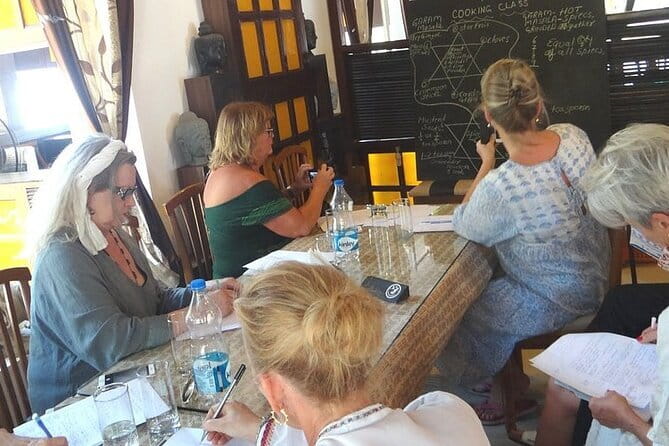
- Small group (max 10): more time for questions and hands-on coaching
- Chef Kamal Varma’s Goa connection: training linked to Spicy Bella and local know-how
- 20% earnings to support farmers, children, and women empowerment: cooking with a purpose
- Includes tea/coffee, roti, and rice: you’re fed while you learn the process
Chef Kamal’s Goa Cooking Class, Built Around Flavor Science
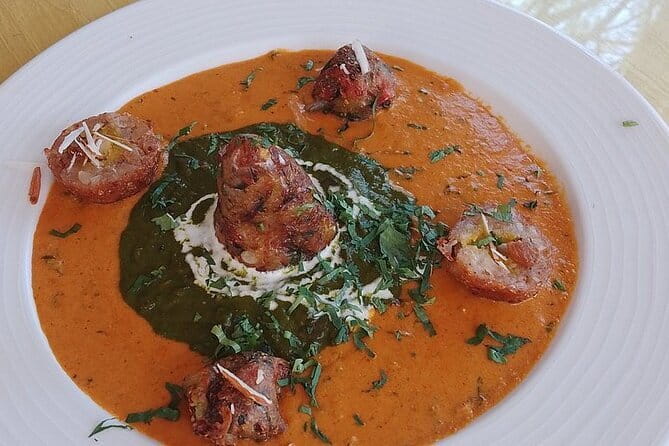
If you’ve ever tried to cook Indian food at home and the results didn’t taste right, the problem is rarely one ingredient. It’s usually technique—when to toast, how to bloom spices, what to base your curry on, and how to balance heat, sour, and aroma. This class is designed to fix those gaps.
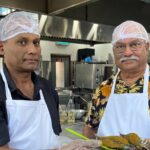
Chef Kamal Varma runs the session through his culinary base in North Goa (Spicy Bella). That matters because you’re not only learning recipes—you’re learning the logic behind them. The curriculum is organized around mother sauces, which are essentially core foundations. Once you understand those, you can make lots of different curries without feeling like you’re starting from zero every time.
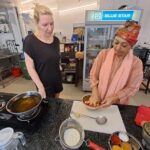
And it’s hands-on. You’re not just watching. You’re cooking, mixing, and practicing your way toward confidence—especially with spice blending and curry building.
A final note on the vibe: the class is described as traditional and contemporary, and the tone is friendly. From the feedback, the teaching style is careful—processes are explained clearly, and that makes a big difference when you’re trying to remember steps later.
You can also read our reviews of more cooking classes in Goa
What You’ll Learn: Mother Sauces, Curry Mixology, and Spice Blending
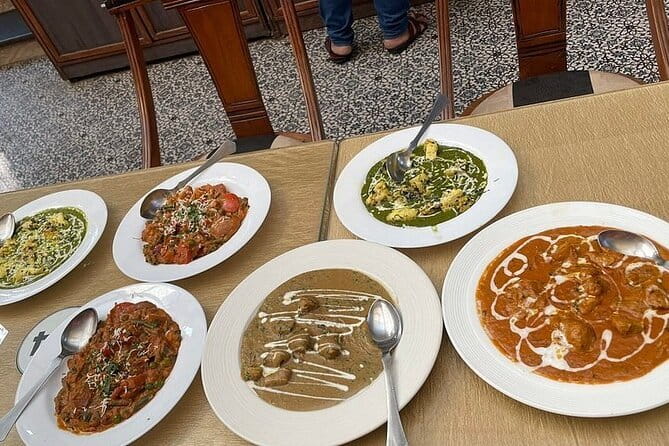
This is the heart of the experience. The class isn’t framed as a random assortment of dishes. It’s organized around a system you can reuse.
Mother sauces: the foundation for multiple curries
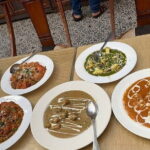
Depending on the course bundle you join, you’ll learn from a set that includes multiple mother sauces (the offerings list options like 4 mother sauces + 4 exotic curries, down to 1 mother sauce + 2 curries). In plain terms, you’ll learn the base method that creates flavor depth. Then you apply that base to different curry styles.
What this gives you:
- A clearer path to recreating dishes at home
- Less guesswork about when to add spices or liquids
- Better control over consistency (thickness, aroma, and balance)
People also specifically mention learning typical Indian and Goa mother sauces, which tells me this is not a purely generic, one-size-fits-all curriculum. It’s aiming at regional technique.
Spice blending: learn the timing and the balance
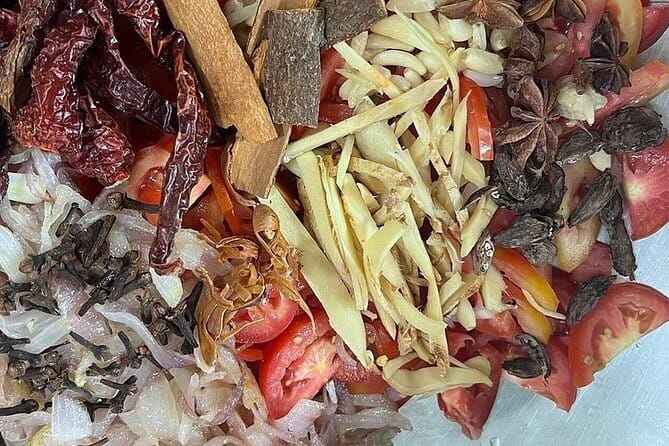
Another standout theme is spice blending. This isn’t just measuring spices—it’s practicing how to combine them for the right aroma and intensity. In Indian cooking, spices change character depending on whether they’re toasted, bloomed in fat, or folded in later. The class is set up to help you understand that cause-and-effect, so your curries start tasting like they belong together.
When you leave, you should have a sense of how to:
- Create spice mixes for different curry profiles
- Adjust heat and aroma without ruining the balance
- Think like the cook, not like a recipe follower
Curry “mixology” and balance
The class description uses the idea of curry mixology, and you’ll feel that in how the lessons are framed. Curries often need more than one kind of flavor work: spice layers, the base, and finishing balance. You’ll practice making rich, aromatic curries with the “perfect balance of spices and flavors” goal in mind.
You can also read our reviews of more tours and experiences in Goa
Course Options in Plain English (And How to Choose)
One reason this class is good value is that it offers multiple course bundles. You’re not forced into a one-dish workshop. The provider lists several formats, so you can match your time and appetite for variety.
Here are the course types shown in the offering list, in practical terms:
- 4 mother sauces + 4 exotic curries + spice mix
Best if you want the widest menu of techniques and want to leave with more building blocks.
- 3 mother sauces + 3 exotic curries
A slightly lighter version that still keeps the foundation focus.
- 2 mother sauces + 2 exotic curries
Great if you’re newer and want a solid base without feeling overwhelmed.
- 1 mother sauce + 2 curries
A good pick if you want a taste of the system and don’t mind fewer curry variations.
- Exotic Koftas, Pasanda, Kormas
If you’re drawn to North Indian restaurant-style dishes, this bundle leans that direction.
- 3 rice items: khichdi, pulao, biryani
Nice if you want to get better at rice beyond “cook and hope.”
- Goan Portuguese mother sauce + 3 curries
If you like Goa’s food identity, this one points toward that flavor story.
- Goan & North Indian domestic food
A practical “everyday cooking” direction—useful if you want home-style understanding.
- Thali making: North Indian & Goan
Ideal if you want variety in one setting and like structured meals.
- 5 street snacks
If you want quick, snackable technique and a more playful cooking session, this is it.
- 5 popular sweets
For anyone who loves the finish of Indian meals.
How to choose without overthinking: pick the bundle that matches the meals you actually cook at home. If you love curry-on-repeat, choose a mother-sauce-heavy option. If you’re more into meals and sides, pick rice or thali. If sweets or street snacks are your thing, go directly for the bundle that builds that skill set.
The 4-Hour Session: How the Class Flows in Real Life
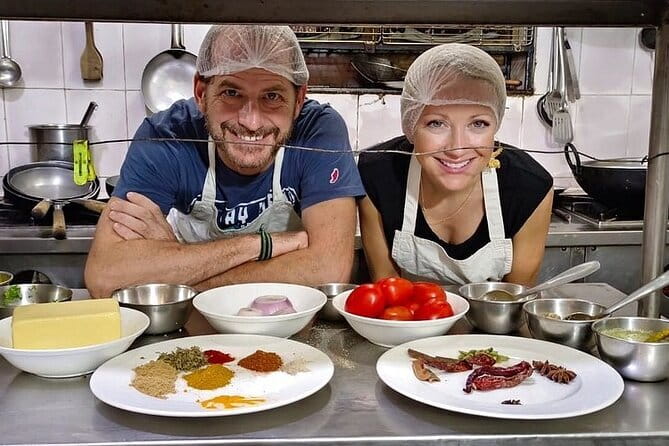
The tour duration is listed as about 4 hours, and the class is also described as lasting 2–5 hours depending on course flow. Plan your day with enough breathing room—this isn’t a quick stop between activities.
Because the group max is 10 travelers, you should expect less waiting and more time working with your instructor’s feedback. In a class this size, you can ask practical questions like when you should adjust spice intensity or how you should recognize the right stage of the base.
Here’s what the structure likely feels like as you cook:
- You start with core fundamentals (mother sauce method and spice preparation)
- You then apply those techniques to multiple curries or the specific bundle dishes
- You finish with the practical knowledge you’ll want later at home—how the flavors connect, and what to change if your curry comes out different
The pacing is a big part of value. If you’ve tried other cooking classes where you just copy and rush, you know how little sticks. This one is designed to teach technique, not just plating.
Ingredients, Sustainability, and the Farmer Support Piece
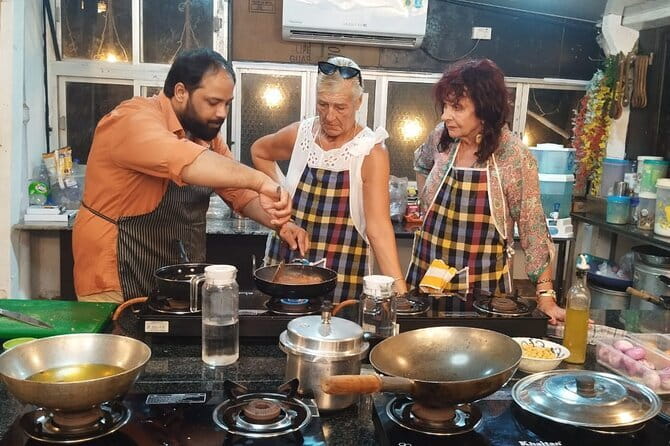
A lot of cooking classes talk about ingredients. This one adds two details that feel grounded: fresh, seasonal ingredients and a commitment to sustainable practices.
That matters because Indian cooking depends on ingredient quality—especially spices, aromatics, and what’s available locally. “Seasonal” means your curries aren’t frozen in time. They’re tied to what tastes best now, and that teaches you how to think when you’re shopping at home.
The other meaningful detail: 20% of earnings from the class support farmers, and also backs children and women empowerment. That doesn’t change the flavor of your curry, of course. But it does give the class a real-world purpose that goes beyond entertainment. It’s a nice way to feel good about spending your money on a skill you’ll use later.
Included Refreshments: Fuel for Cooking (And No Alcohol)
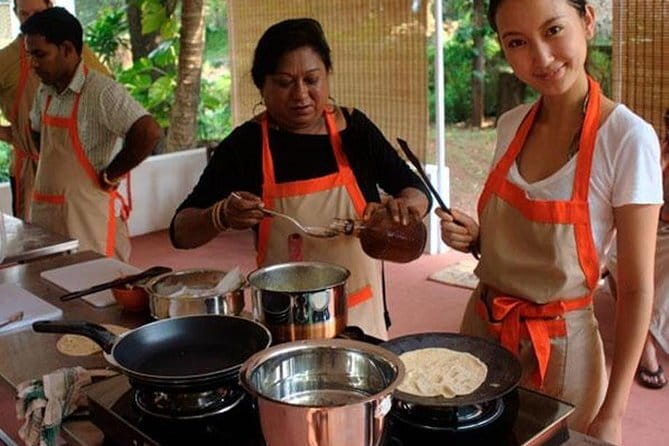
The class includes tea and/or coffee, plus bottled water. You’ll also be served roti and rice as part of the included items.
That’s practical because you’re cooking for hours. You won’t start empty, and you won’t have to budget for basic drinks during the session.
Alcohol isn’t included. If that’s important to your group, plan to choose other activities for the evening.
Meeting Point in Calangute: A Simple Pin Helps
The meeting point is listed at a specific location in Calangute: GQJ7+HG9, Jukebox Ln, Gauravaddo, Calangute, Goa 403515, India. For your sanity, save the exact pin in your maps app before you go.
The activity ends back at the meeting point, which makes planning easier. Since the class is only conducted on prior notice or advance intimation, you should also be ready to confirm timing close to the start using the contact methods provided.
One more thing I’d do: keep WhatsApp notifications on. The provider notes that you may receive intimation by mail or WhatsApp message.
Price and Value: Is $85.11 Worth It?
At $85.11 per person, you’re paying for more than a fun evening. You’re paying for:
- Teaching time from a chef with long experience (the course description cites 25+ years)
- A curriculum focused on repeatable technique (mother sauces and spice blending)
- A small-group setup (max 10), which usually means better coaching
- Included food components (tea/coffee, water, roti, rice)
- A portion of earnings going to social and farm support
The “value math” comes down to what you want to take home. If you only care about one curry, another class might feel cheaper. But if you want the system—the method you can use to improve any Indian curry later—this price starts to make sense.
Also, group discounts are listed as a feature. So if you’re traveling with a friend or joining other solo travelers, it can drop your per-person cost.
My take: for a well-structured, foundation-based class with a real chef and small group limits, this is a fair deal. Especially if you’re the type who likes to cook and learn, not just snack.
Weather and Scheduling: One Practical Heads-Up
The experience requires good weather. If conditions are poor, you’ll be offered a different date or a full refund. Since you’re visiting Goa, this is an easy risk to manage—just don’t schedule your day like the weather never affects anything.
Also, because classes are conducted only on prior notice/advance intimation, don’t treat the class like a drop-in. Your best bet is to watch for the email or WhatsApp message and lock in your plan accordingly.
Who This Cooking Class Fits Best
This is a great match if:
- You want to cook Indian food at home and you care about technique
- You’re tired of curries that taste off because spices weren’t balanced correctly
- You like structured learning: mother sauces, then multiple curries
- You want a small group class where you can ask questions
- You’re curious about Goa’s food connection through Chef Kamal’s background
It’s also worth considering if you’ve taken other cooking classes abroad and felt the method was too vague. Here, the focus is on building a flavor framework you can repeat.
If you’re only looking for a quick culinary souvenir with no intent to cook later, you might find the technique focus a bit more serious than you want.
Should You Book Chef Kamal’s Indian Cooking Class?
I think you should book this class if you want more than recipes. The mother-sauce approach and spice blending practice are the kind of foundations that pay off every time you cook Indian food afterward.
You should also feel good about the value: included drinks and meal components are part of the experience, the group size stays small, and the teaching is described as careful and friendly. Add the 20% support for farmers and empowerment efforts, and it’s hard to call it “just another tour.”
The only real reasons to skip are simple: you’re not flexible on timing if weather shifts, or you prefer classes that run like a fixed schedule with no prior notice.
If you’re in North Goa and you want a hands-on skill you’ll use at home, this is a strong pick.
FAQ
What is the duration of Chef Kamal’s Indian Cooking Classes?
The class is listed at about 4 hours, with the course duration described as 2–5 hours.
Where does the class meet in Calangute?
The meeting point is listed at GQJ7+HG9, Jukebox Ln, Gauravaddo, Calangute, Goa 403515, India.
How large is the group?
This activity has a maximum of 10 travelers.
What courses or dish sets are offered?
The provider lists options such as mother sauces plus exotic curries (several combinations), Koftas/Pasanda/Kormas, rice items like khichdi/pulao/biryani, Goan Portuguese mother sauce plus curries, Goan and North Indian domestic food, thali making, street snacks, and popular sweets.
What’s included in the price?
Included items are tea and/or coffee, bottled water, roti, and rice.
Are alcoholic beverages included?
No, alcoholic beverages are not included.
Will I get confirmation after booking?
Confirmation is received within 48 hours of booking, subject to availability.
Do classes run on a fixed schedule?
The cooking classes are conducted only on prior notice or advance intimation sent by mail or WhatsApp, so you’ll want to watch for that message.