REVIEW · GOA
Culinary Experiences by Fierce Kitchens (Cooking class)
Book on Viator →Operated by Fierce Kitchens · Bookable on Viator
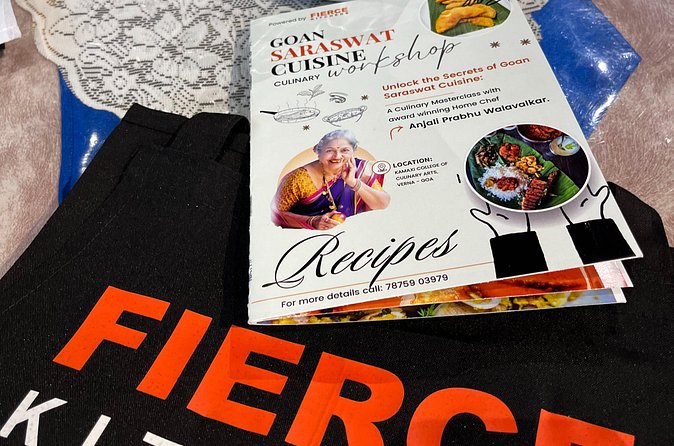
If you like your food lessons practical, this fits. Culinary Experiences by Fierce Kitchens is a hands-on workshop focused on authentic Goan vegetarian cooking, led by award-winning Chef Anjali Prabhu Walavalkar. In about three hours, you learn the why behind Saraswat and Sattvik flavors, not just a list of steps.
I especially like the focus on tradition and local ingredients. Plus, Chef Anjali’s teaching style gets praised for being both skilled and flexible, including accommodating dietary needs when needed. One heads-up: private transportation isn’t included, so plan how you’ll get to Kamaxi College of Culinary Arts in Verna.
In This Review
- Quick highlights you can bank on
- Why This Workshop Works at 9:00 am in Verna
- Meet Chef Anjali Prabhu Walavalkar and Her Teaching Style
- What You’ll Cook: Saraswat and Sattvik Flavors, Step by Step
- Inside Kamaxi College of Culinary Arts: Clean, Modern, and Built for Cooking
- The 3-Hour Flow: From Prep Work to Your Own Thali Lunch
- 1) Arrival and a quick start
- 2) Hands-on preparation
- 3) Cooking in stages
- 4) Making a thali-style meal
- 5) Eat, learn, and ask questions
- 6) End back at the meeting point
- Lunch as a Lesson: Why the Dining Part Matters
- Price and Value: What $22.98 Buys You in Real Terms
- Who Should Book This Cooking Class in Goa
- Should You Book Fierce Kitchens’ Goa Cooking Workshop?
- FAQ
- Where is the cooking class meeting point?
- How long is the experience?
- Is lunch included?
- Is the class vegetarian?
- Is transportation included?
- Can I get a refund if plans change?
Quick highlights you can bank on
- Chef Anjali Prabhu Walavalkar leads the class, with 40+ years of culinary experience mentioned in feedback.
- Pure vegetarian Saraswat and Sattvik style cooking and dining, centered on Goa’s spiritual and cultural food traditions.
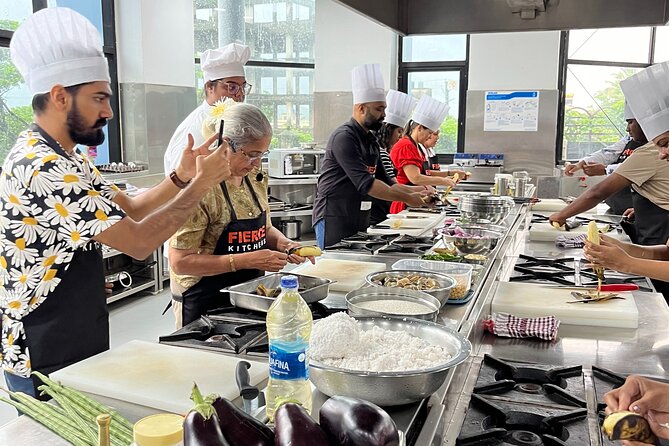
- Hands-on kitchen time, with tools and ingredients provided, plus opportunities to use modern equipment like a Rational combi oven (when available).
- Lunch is included, so you taste the results right away.
- A private group experience, so it’s only your group in the kitchen.
Why This Workshop Works at 9:00 am in Verna
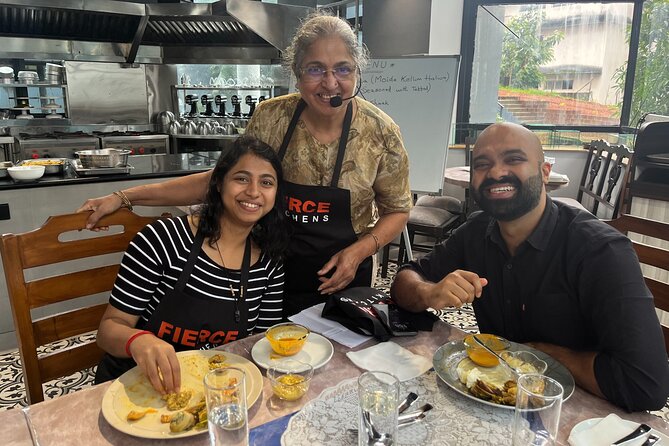
Most Goa food experiences focus on eating. This one flips it: you cook, then you eat, and you leave with skills you can repeat later. The start time is 9:00 am, which is great if you like your day moving early and your stomach not waiting too long for lunch.
The setting is also practical for logistics. You’re meeting at Kamaxi College of Culinary Arts in Verna (near public transportation). You’ll spend the session in the kitchen, then the activity ends back where you started. No awkward “now find your own way” moments inside the experience.
The big theme here is vegetarian Goan cuisine with Saraswat/Sattvik roots. That matters because these aren’t just “regionally inspired” dishes. Saraswat cooking has its own logic and ingredient choices, and Sattvik food often aims for balance through technique—how you clean ingredients, manage flavors, and build texture without relying on meat.
You can also read our reviews of more cooking classes in Goa
Meet Chef Anjali Prabhu Walavalkar and Her Teaching Style
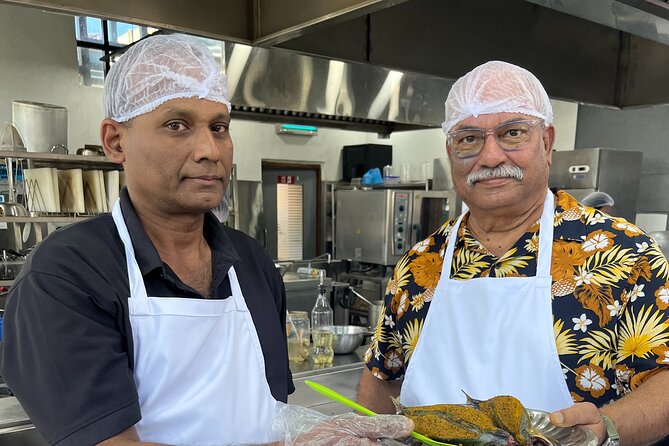
Chef Anjali Prabhu Walavalkar is the star, and the feedback is consistent about that. People describe her as experienced, disciplined, and genuinely invested in teaching. If you’ve ever been stuck in a cooking class where the food is good but the instruction is vague, this likely won’t feel like that.
Here’s what you can reasonably expect from the way she teaches:
- Technique-focused guidance: she emphasizes nuances that change the outcome, not just the final flavor.
- Hands-on coaching: you’re not only watching; you’re doing the work.
- Dietary flexibility: reviewers mention she can accommodate dietary needs, which is especially helpful for vegetarian-focused workshops where people still have different restrictions.
The class is also built around the idea that food connects to culture. Even if you’re not used to Saraswat methods, you’ll get context for why certain preparations matter—how ingredients are handled, what textures to aim for, and how flavors should land on the plate.
What You’ll Cook: Saraswat and Sattvik Flavors, Step by Step
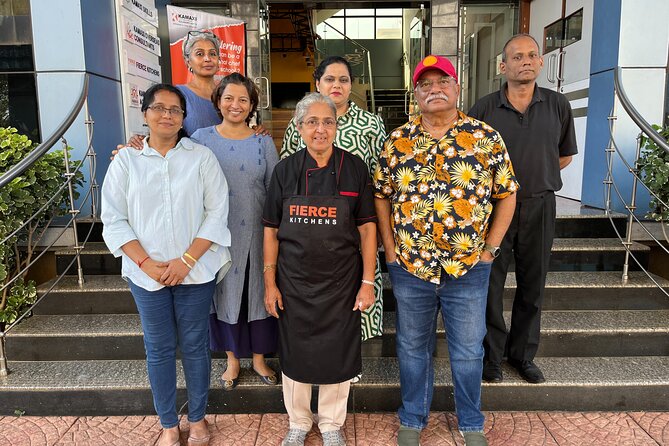
The workshop name points you to two complementary sides of Goan vegetarian food: Saraswat cuisine and the Sattvik approach. In practice, that usually means a menu built around local vegetables, seasonality, careful spice use, and dishes that feel “complete” without meat.
From the class format and the specific examples mentioned in feedback, you might work through a sequence like:
- a short introductory food-making moment (some sessions include a small cocktail-making step)
- ingredient prep that teaches the “small stuff” people usually skip
- cooking multiple dishes that come together as a full meal (often in the style of a thali)
One standout detail is the kind of prep instruction that makes this more than “show and tell.” A review mentions being taught the proper way to clean tisryo. That’s the kind of technique you won’t learn from a cookbook-style recipe alone. If you want your food to taste like it’s from Goa—without guessing—these preparation lessons are where the magic happens.
You’ll also hear about seasonal ingredients. That’s not just a feel-good phrase. When ingredients are in season, the flavor is stronger and the dishes need less “fixing.” In a vegetarian meal, where there’s no meat broth to rescue things, using the right produce at the right time is a big deal.
Inside Kamaxi College of Culinary Arts: Clean, Modern, and Built for Cooking
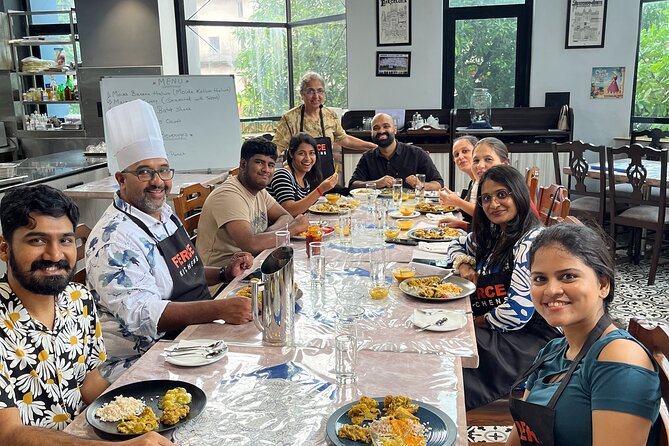
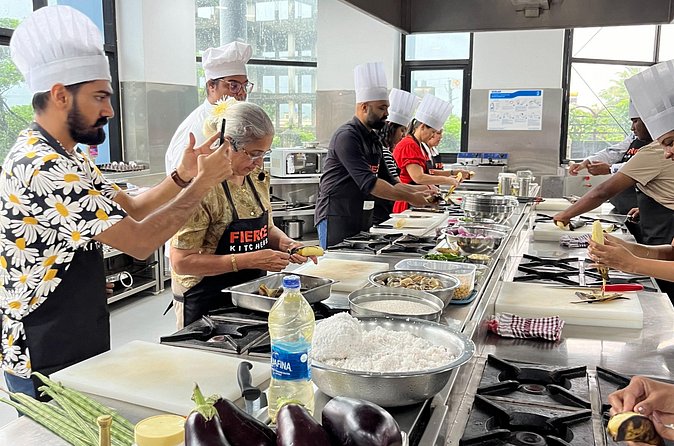
This isn’t a tiny apartment kitchen where you squeeze past each other. Reviews describe the kitchen space as large and spacious, with equipment kept sparkling clean. That matters more than you’d think. In hands-on cooking, cleanliness and setup affect both comfort and food safety—especially when you’re chopping, prepping, and cooking close together.
Another practical detail: tools and ingredients are included. So you’re not hunting around for spices or worrying whether a key ingredient was forgotten. And in at least some sessions, there’s an opportunity to work on modern equipment such as a Rational combi oven. That gives you a glimpse of professional cooking methods without requiring you to already have kitchen skills.
You’ll also likely find the pace structured enough that you don’t feel rushed. A 3-hour class can either feel long (if you’re waiting around) or tight (if there’s no time to practice). Here, the structure seems designed so you’re actively involved during the prep and cooking stages.
The 3-Hour Flow: From Prep Work to Your Own Thali Lunch
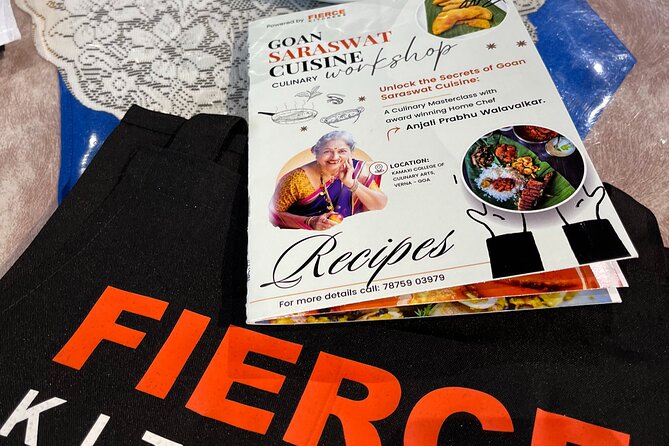
The experience runs for about 3 hours, starting at 9:00 am. While the exact menu can vary by workshop focus, the format is consistent: prep, cook, then eat a full meal built around the theme.
A typical flow you can expect looks like this:
You can also read our reviews of more tours and experiences in Goa
1) Arrival and a quick start
You meet at Kamaxi College of Culinary Arts and get oriented. Expect a straightforward beginning—this is a kitchen class, not a long lecture hall.
2) Hands-on preparation
This is where you learn the practical “make it taste right” skills. You’ll likely do ingredient prep for multiple dishes. Pay attention to cleanliness and handling steps—Goan cuisine (especially Saraswat dishes) can hinge on details like how you prep greens or clean specific ingredients.
3) Cooking in stages
You’ll cook as you go, guided by Chef Anjali. Some sessions may include modern appliance time; one review mentions working on the Rational combi oven. Even if you don’t get that exact equipment in your session, the lesson is the same: you’re learning how controlled heat and timing shape flavor and texture.
4) Making a thali-style meal
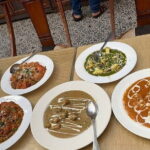
Food is served as a meal, not a few bites. Reviews mention experiences like Shravan Thali, and feedback repeatedly frames the meal as both flavorful and aligned with seasonal and vegetarian principles. The thali format also helps you see how dishes balance each other—rather than tasting one dish in isolation.
5) Eat, learn, and ask questions
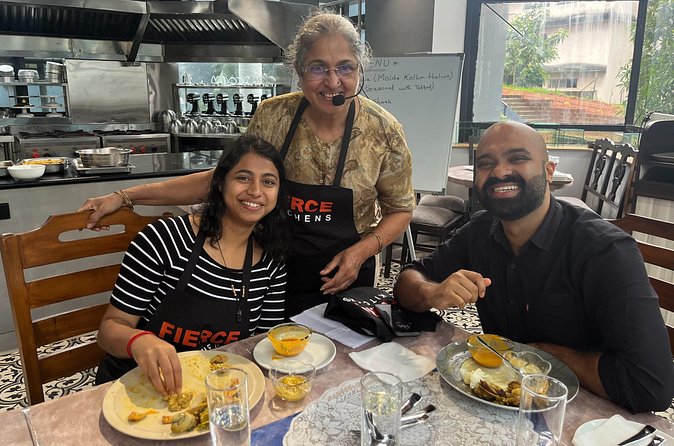
Once the food is on the table, the class shifts from cooking mode to tasting mode. This is where you can ask why something worked (or how to adjust for your own kitchen). Lunch is included, and the idea is that you experience the final result immediately.
6) End back at the meeting point
The workshop ends where it started. You’re not left scrambling to find the next stop.
Lunch as a Lesson: Why the Dining Part Matters
Plenty of cooking classes let you watch and then serve a plate. Here, lunch is part of the instruction. Because you made the food, you taste it with a different brain switched on. You’ll notice:
- which steps changed flavor the most
- how seasoning builds across the meal
- how vegetarian dishes can still feel satisfying without heavy shortcuts
Feedback also points to the meal being both sattvic and tasty, with emphasis on health-minded cooking and careful seasonal choices. For a lot of people, this is the real reason they book: they want Goa food that fits their tastes and values, not just something “local” for Instagram.
If you’re the kind of traveler who likes to reproduce flavors at home, you’ll get more than food here. You’ll start understanding the structure of the meal: prep basics, cooking method, and how dishes complement each other.
Price and Value: What $22.98 Buys You in Real Terms
At $22.98 per person, this is priced like an accessible activity, not a luxury workshop. For that money, you get:
- a guided, chef-led experience
- a 3-hour session
- lunch included
- kitchen tools and ingredients included
- a private group setup (so it’s not a chaotic crowd event)
The best value angle is the combination of hands-on work plus a full meal. You’re paying for instruction and ingredients. If you’ve ever tried to cook a regional dish at home after a restaurant meal, you know the hard part is not the recipe card—it’s technique and ingredient handling. This class gives you that missing piece.
The one “value trade-off” is transportation planning. Private transportation isn’t included. If you’re already staying nearby or you can reach Verna easily via local transit, you’re fine. If not, factor in your travel time and cost so you don’t end up spending more getting there than you did on the class.
Who Should Book This Cooking Class in Goa
This is a great fit if you:
- love vegetarian food and want it to be more than just mild or basic
- want authentic Saraswat and Sattvik techniques with real teaching, not vague tips
- enjoy hands-on learning where you actually cook and eat your work
- prefer a private experience over a big group tour
- want a chef-led workshop with a long track record
You might choose something else if:
- you’re short on time and don’t want a 9:00 am start
- you need transportation handled for you (since private transfer isn’t included)
- you’re only interested in meat-based Goan food (this class is focused on vegetarian dining)
Should You Book Fierce Kitchens’ Goa Cooking Workshop?
If your goal is to understand Goan food from the inside, I’d book this. The reason is simple: you cook with an award-winning chef, you learn technique you can actually repeat, and you eat a full vegetarian meal right after. At this price point, with lunch and ingredients included, the value feels solid.
My practical advice: book early if you can. This type of experience is often reserved well ahead, and availability can tighten if you wait until the last minute. Also, plan how you’ll get to Kamaxi College of Culinary Arts in Verna. Once you’re there, the session is structured and chef-led, and you’ll get your money’s worth in real kitchen time.
FAQ
Where is the cooking class meeting point?
You’ll start at Kamaxi College of Culinary Arts, Plot no 1, Phase, Utility, 1A, Finolex Cables Residential Colony, Verna Industrial Estate, Nagve, Goa 403722, India.
How long is the experience?
It lasts about 3 hours.
Is lunch included?
Yes. Lunch is included in the price.
Is the class vegetarian?
Yes. The experience focuses on pure vegetarian dining with a Saraswat and Sattvik style meal.
Is transportation included?
Private transportation is not included. The meeting point is described as near public transportation.
Can I get a refund if plans change?
Yes, free cancellation is available. You can cancel up to 24 hours in advance for a full refund.