REVIEW · GOA
Panaji: Heritage Walk through Goa’s Latin Quarter
Book on GetYourGuide →Operated by Make It Happen · Bookable on GetYourGuide
Goa’s Latin quarter is a time machine. This Fontainhas heritage walk puts the Portuguese imprint in front of you, from street names to churches, food stops, and even music.
Two things I really like: you get inside heritage homes (not just street peeking), and you end with a meeting that turns Portuguese influence into something you can actually hear through live music.
One thing to consider: it’s a walking tour in older lanes, so comfortable shoes matter and it is not suitable for mobility impairments.
In This Review
- Key highlights worth your feet
- Fontainhas: where Portuguese Goa feels real
- Meeting at Panjim Head Post Office: start easy, stay flexible
- Tobacco Square to San Thome: tracing Portugal’s arrival
- 31st January Bakery and Chapel of San Sebastian: the photo walk part
- Exploring Fontainhas heritage homes: the value of going inside
- Art stops near Panjim Inn, Fundacao Orient, and Galerie Gitanjali
- Meeting a Goan musician: Portuguese influence you can hear
- The optional ceramic studio stop: souvenir thinking without stress
- Price and logistics: why $12 is more than just a stroll
- Who should book this Latin Quarter walk
- Should you book? My practical take
- FAQ
- Where does the tour meet?
- How long is the Panaji Latin Quarter heritage walk?
- What does the tour cost?
- What’s included in the ticket price?
- Is food included?
- Are art galleries part of the route?
- What’s the group size?
- What language is the tour in?
- What should I bring?
- Is the tour accessible for mobility impairments?
- FAQ (booking basics)
- Can I cancel for a full refund?
- Is there a reserve-now, pay-later option?
Key highlights worth your feet
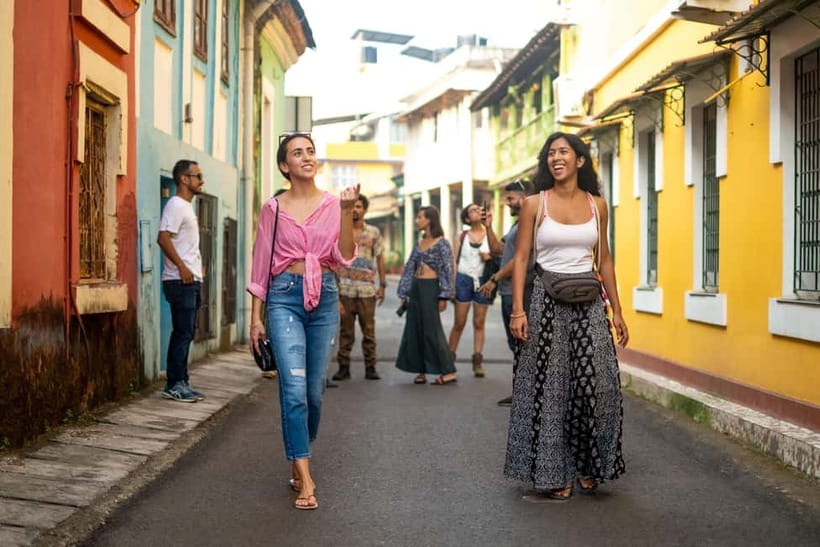
- Fontainhas in one walk: the oldest and largest Latin quarter in Asia, built in the late 1700s around the “little fountain” springs.
- Portugal, in plain sight: architecture, music, food, and art show up in street layout and details.
- Heritage homes access: entry is part of the experience, so you see more than postcard views.
- Art gallery stops: you’ll visit places showing work by local and international artists.
- Live performance moment: you meet a well-renowned Goan musician and learn how Portuguese influence shaped Goan music.
Fontainhas: where Portuguese Goa feels real
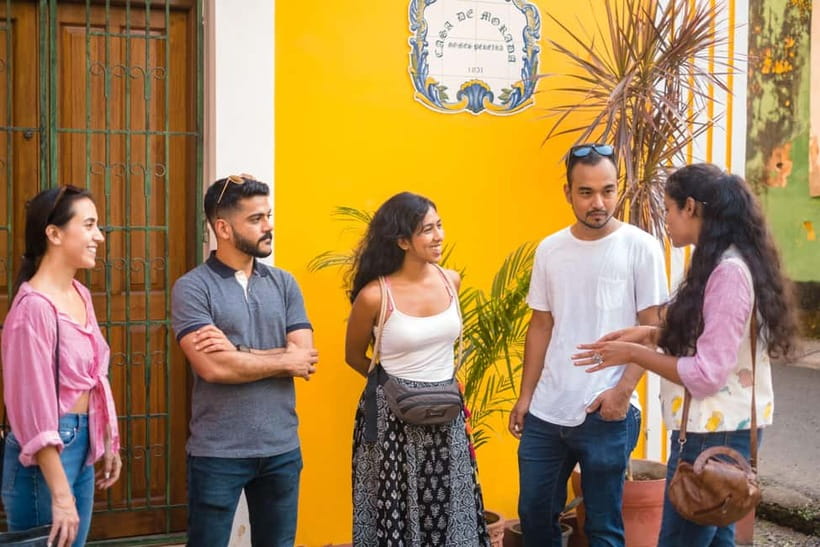
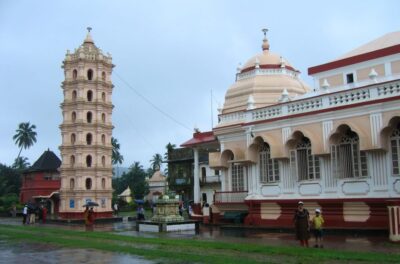
Fontainhas is Panjim’s Latin quarter, and it’s famous for more than colorful houses. It’s about how daily life took Portuguese shape over time—down to the way homes look, how streets are named, and the kind of culture you hear when you least expect it.
You’ll be walking through a neighborhood tied to a specific origin story too. Fontainhas got its name—little fountain—from springs at the base of the Altinho hills, and the area developed in the late eighteenth century. That means the neighborhood isn’t just old; it has a backstory you can track while you walk.
The best part is that the Portuguese influence isn’t treated like a museum label. It shows up in practical, visible ways: architecture style, church presence, and cultural patterns that connect to music and food.
You can also read our reviews of more walking tours in Goa


Meeting at Panjim Head Post Office: start easy, stay flexible
The tour meets you at the entrance of the India Post Panjim Head Post Office, near the Mala district. If you’re using landmarks, Sao Tome Chapel is a closer reference point.
From there, you’re on foot for about 2.5 hours at a group pace (maximum group size is 20). That duration is long enough to feel like you’re learning the neighborhood, but short enough that you’re not stuck in “forever-walking” mode—especially if you keep water handy.
Practical tip: bring cash and a reusable water bottle. Comfortable shoes matter here because you’ll be moving through narrow lanes and older streets where surfaces aren’t guaranteed to be smooth.
Tobacco Square to San Thome: tracing Portugal’s arrival
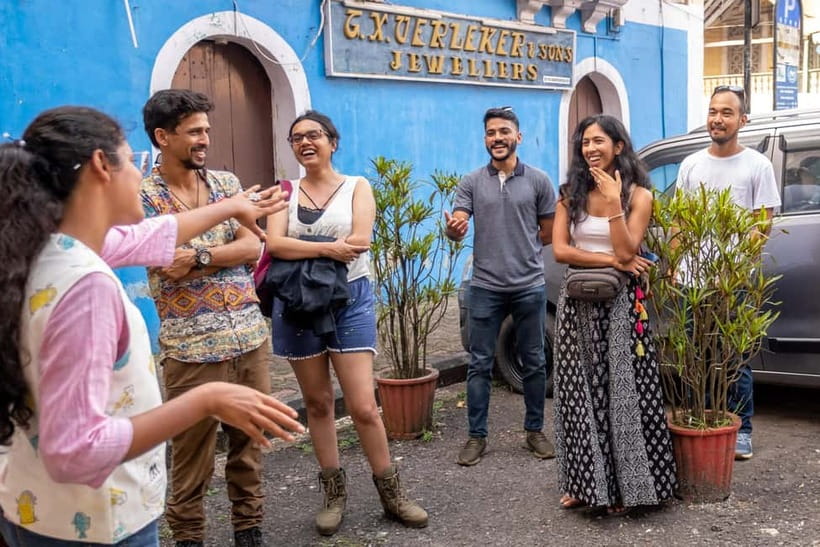
The walk starts by tracing the arrival of the Portuguese in Goa, beginning at Tobacco Square. This is where the tour shifts from scenery to story. You’re not just looking at buildings—you’re learning why certain elements exist where they do.
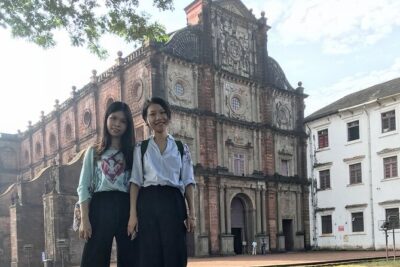
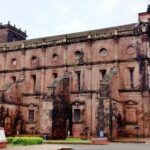
As you go, you’ll pass a small Church of San Thome. It’s the kind of stop that feels quick, but it helps anchor the Portuguese influence in real, physical places. Think of it as a pause to connect architecture and faith with the wider colonial story.
Guides tend to tailor the telling to what you care about, so if you’re into building details, you’ll get more of that. If you’re more into music or everyday life, you should get that angle too.
31st January Bakery and Chapel of San Sebastian: the photo walk part
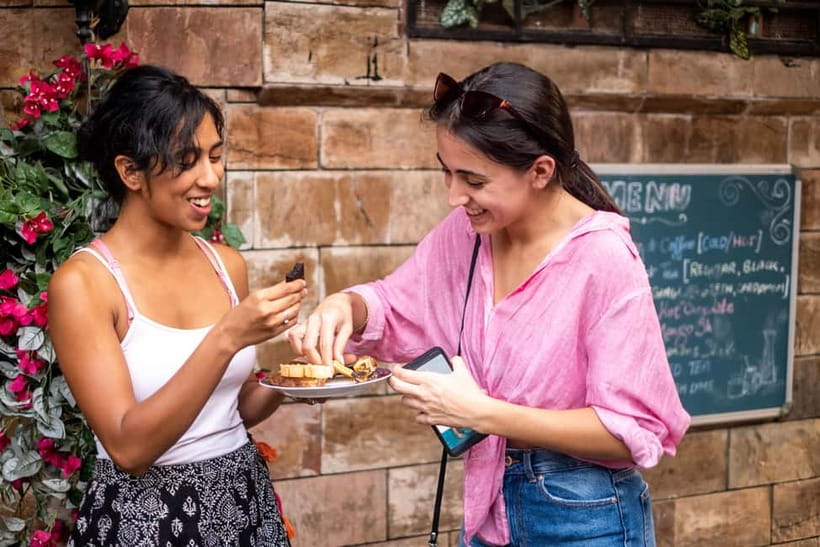
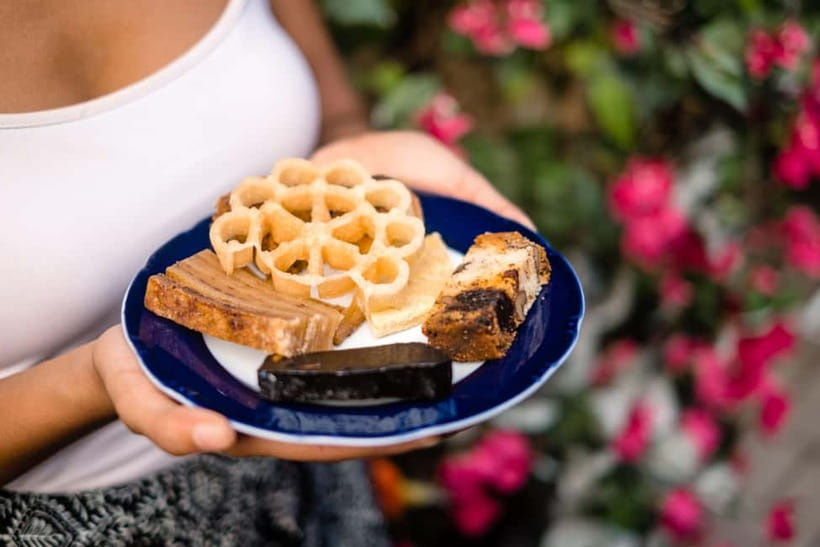
At some point you’ll swing by 31st January Bakery for a quick bite. This is one of those stops that turns cultural understanding into something you can taste. Even if you don’t go deep on sweets, the bakery stop helps you see Portuguese-Goan food influence as part of everyday life, not a special exhibit.
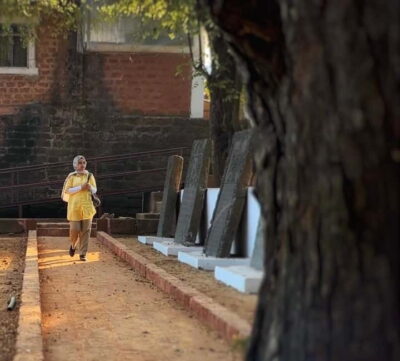
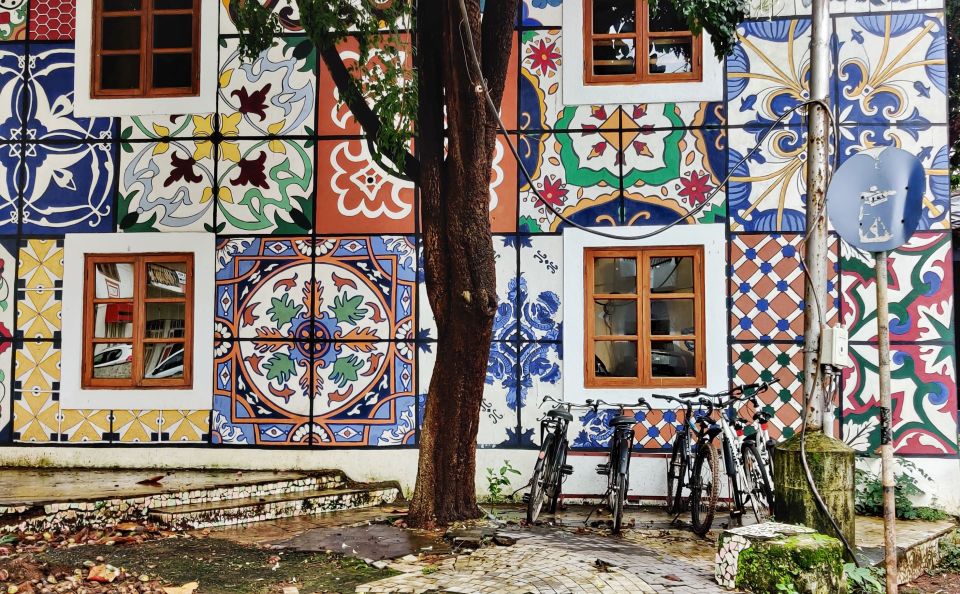
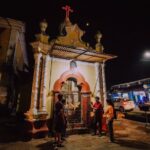
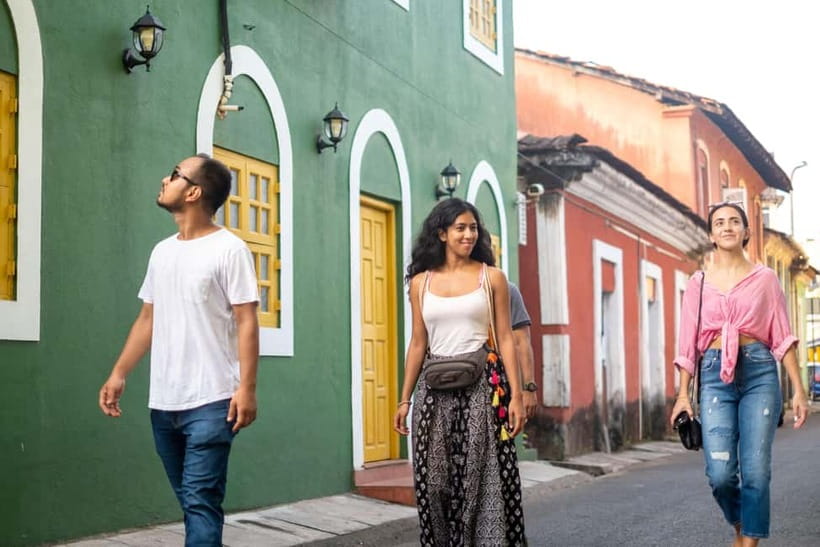
Next comes the Chapel of San Sebastian area. Expect colorful backdrops and lots of good photo angles. The streets here are narrow enough that photos can feel personal—less like a wide city shot, more like you’re documenting a living neighborhood.
If you’re planning photos, do it in small bursts. Stop, shoot, move again. The lanes are compact, so lingering too long can throw off your group timing.
Exploring Fontainhas heritage homes: the value of going inside
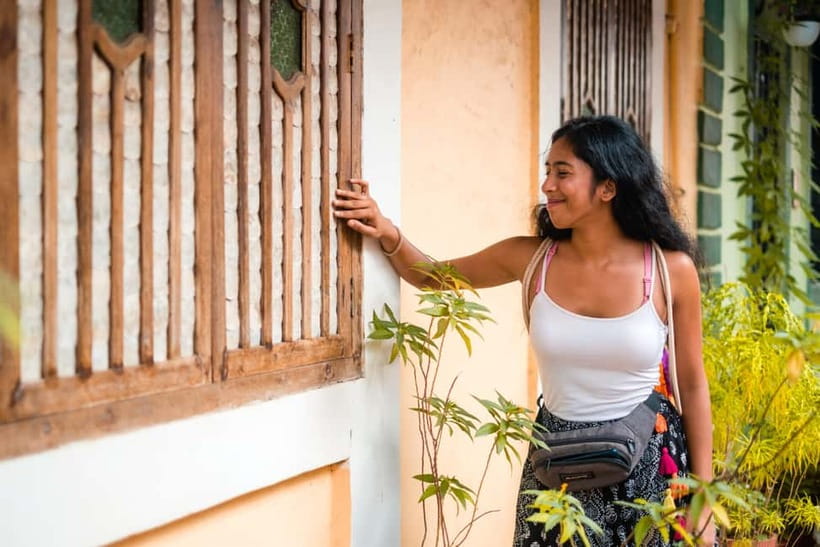
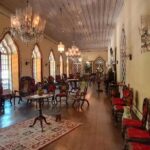
One of the most important parts is that entry into heritage homes is included. That changes the whole experience. You stop treating Fontainhas like a set and start treating it like a place people once lived—along with the Portuguese-era design choices that made their way into domestic architecture.
You’ll walk through picturesque homes and winding lanes, and you’ll be able to appreciate Portuguese architecture in a hands-on way. This isn’t only about facades. Inside is where you can spot how older building styles shaped comfort, layout, and daily routines.
A small drawback: because heritage homes are part of the experience, you’ll want to be ready to step slowly and follow the guide’s pace. If you’re rushing or have limited patience for walking-time stops, this section may feel slower than you want.
You can also read our reviews of more historical tours in Goa



Art stops near Panjim Inn, Fundacao Orient, and Galerie Gitanjali
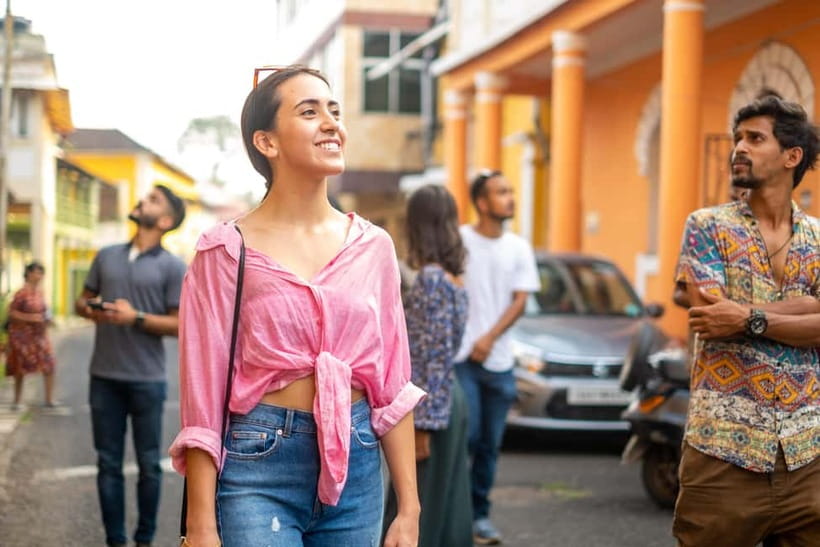
Fontainhas isn’t only about houses and churches. You’ll also explore buildings around Panjim Inn, Fundacao Orient, and Galerie Gitanjali. These stops are designed for people who like culture that’s happening now, not just what used to happen.
Inside, you’ll see works of local and international artists. That matters because Portuguese influence in Goa isn’t trapped in the past—it keeps shaping how art gets made and shown. In other words: you’re learning the neighborhood’s visual language, then seeing how it connects to contemporary creativity.
Even if you’re not an art person, these gallery and art spaces help you understand why Fontainhas became such a cultural magnet. The neighborhood’s look isn’t random. It supports the kind of art and storytelling the tour focuses on.
Meeting a Goan musician: Portuguese influence you can hear
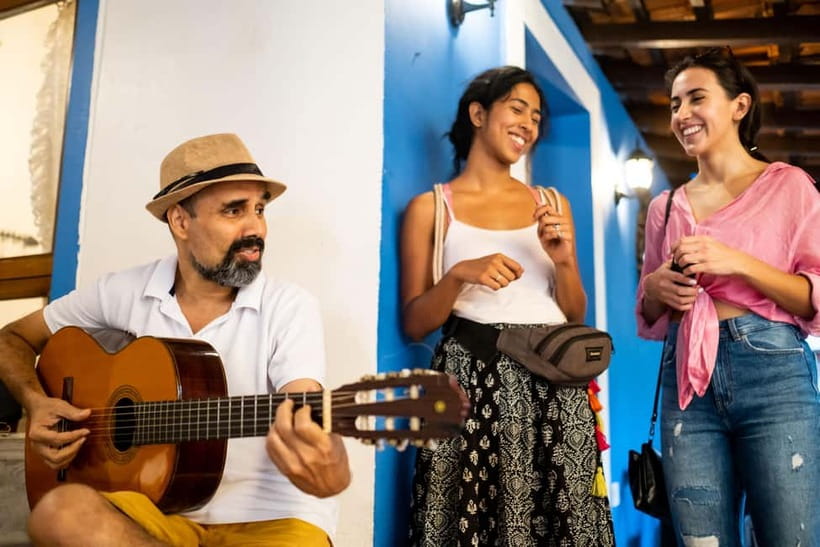
The tour ends with a meeting with a famous Goan musician, with a live performance element. This is the payoff if you’re curious how Portuguese influence shaped more than buildings.
The guide connects Portuguese influence to Goan music, so the performance lands with context. It’s one thing to hear music in Goa; it’s another to understand the how and why behind stylistic influences that traveled across oceans.
If you get a guide with a strong storytelling style—people like Yashasvi, Divya, Trancy, Calvin, or Alita are examples of names associated with excellent guide experiences—this portion tends to feel especially fluid. The moment isn’t just music. It’s story-to-sound translation.
The optional ceramic studio stop: souvenir thinking without stress
Before you head back to the meeting point, you can stop by a studio that makes handcrafted ceramic souvenirs. Souvenirs aren’t included in the tour price, so treat this like a browse stop, not an expectation.
If you like pottery, it can be a nice way to take home something that feels connected to the neighborhood’s craft culture. If you don’t, you can simply enjoy the final stop as a calm reset before returning to the Panjim Post Office meeting point.
One practical note: because this is a walking route, keep purchases light unless you’re sure you can carry them comfortably.
Price and logistics: why $12 is more than just a stroll
At about $12 per person for around 2.5 hours, the real value is what’s included. You’re paying for a guide, heritage home entry, and a structured route through Fontainhas plus the musician meeting and live performance.
If you try to do this on your own, you can absolutely see Fontainhas. But it’s easy to miss the point: why street names and architecture match Portuguese patterns, why certain places matter, and how art and music connect to the bigger story. The guide role isn’t optional when you want more meaning than photos.
The trade-off is that it is a group experience. You may be walking with other guests, and your pace will match the group. If you hate group timing, pick a time that feels calmer for you (earlier or late afternoon often helps with heat and crowd energy).
Also remember: additional food and drinks aren’t included, so plan on keeping snacks and hydration self-managed beyond the small cultural stops.
Who should book this Latin Quarter walk
This tour is a strong fit if you want:
- Portuguese-era Goa explained in walking form, not lecture form
- access to heritage homes
- art gallery stops plus a final musical performance
It’s also ideal as an early “get your bearings” move in Panjim. You’ll learn the neighborhood’s logic fast, so later wandering feels smarter.
Who should skip it: it is not suitable for people with mobility impairments, since it’s a walking tour through older lanes and heritage locations.
If you’re visiting on a day when some places are closed, you might feel less of the “inside” access (for example, one traveler noted that Sunday closures can affect what’s open). If your dates fall on Sunday, it’s wise to have a backup plan for museum/gallery time.
Should you book? My practical take
Yes, if you’re the type of person who enjoys small streets, church corners, and the way culture shows up in everyday details. This walk gives you more than scenery: you get home entry, art viewing, and a musician moment that connects Portuguese influence to Goan music.
Skip it only if walking long distances in older neighborhoods is a hassle for you, or if you want a totally independent route with zero group pacing. Otherwise, Fontainhas at $12 for 2.5 hours is a tidy, meaningful way to understand Panjim beyond the usual beach-and-bonfire Goa clichés.
FAQ
Where does the tour meet?
The storyteller meets guests at the entrance of the India Post Panjim Head Post Office (Sao Tome Chapel is a closer landmark).
How long is the Panaji Latin Quarter heritage walk?
The duration is about 2.5 hours.
What does the tour cost?
The price is listed as $12 per person.
What’s included in the ticket price?
Included are a local English-speaking guide, entry into heritage homes, and a meeting with a well-renowned Goan musician.
Is food included?
There is a stop at 31st January Bakery for a quick bite, but additional food and drinks are not included, so plan to pay for anything beyond what’s provided during stops.
Are art galleries part of the route?
Yes. You’ll explore buildings around Panjim Inn, Fundacao Orient, and Galerie Gitanjali, where you can see works by local and international artists.
What’s the group size?
It’s a group tour, and the maximum group size is 20 people.
What language is the tour in?
The tour is in English.
What should I bring?
Bring comfortable shoes and clothes, cash, and a reusable water bottle.
Is the tour accessible for mobility impairments?
No. It is not suitable for people with mobility impairments.
FAQ (booking basics)
Can I cancel for a full refund?
Yes. Free cancellation is available up to 24 hours in advance for a full refund.
Is there a reserve-now, pay-later option?
Yes. You can reserve a spot and pay nothing today.