REVIEW · GOA
Panaji: Fontainhas Neighborhood Cultural Guided Walking Tour
Book on GetYourGuide →Operated by Yo Tours · Bookable on GetYourGuide
Panaji feels bigger on foot. This 2-hour Fontainhas cultural walk is a smart, story-led way to see Portuguese-era corners you’d likely miss, plus the Altinho Hill viewpoints that give you instant city perspective. I also like how the route mixes major landmarks with quieter neighborhood scenes. One consideration: the full loop can feel tight for some people, and it may seem closer to a 1-hour experience if you move fast and don’t pause much.
You’ll finish with a handful of local tips from your guide, which is where the tour really pays off. It’s an easy-going walk overall, but there’s a stepped climb up toward Altinho, so wear shoes that can handle uneven stones. If you’re traveling with a wheelchair, this one isn’t suitable.
In This Review
- Key highlights to look for
- Getting oriented in Panjim: the walk’s smart beginning
- From church steps to Altinho Hill: the viewpoints that reset your map
- Government landmarks meet neighborhood lanes
- Fontainhas: the Portuguese-era streets you’ll want to revisit
- A short art stop with both Scandinavian and Goan work
- Hindu neighborhood details and the Lord Hanuman shrine
- The ending at Maruti Temple and how to use the guide’s tips
- Price and value: why $14 can make sense
- Who this tour is best for
- FAQ
- FAQ
- Where does the tour start?
- What should I bring?
- How long is the tour?
- What languages are spoken by the guide?
- Is hotel pickup and drop-off included?
- Is the tour suitable for wheelchair users?
- What’s the walking like?
- How does the payment work?
- How strict is the start time?
- Should you book the Panaji: Fontainhas Neighborhood Cultural Guided Walking Tour?
Key highlights to look for
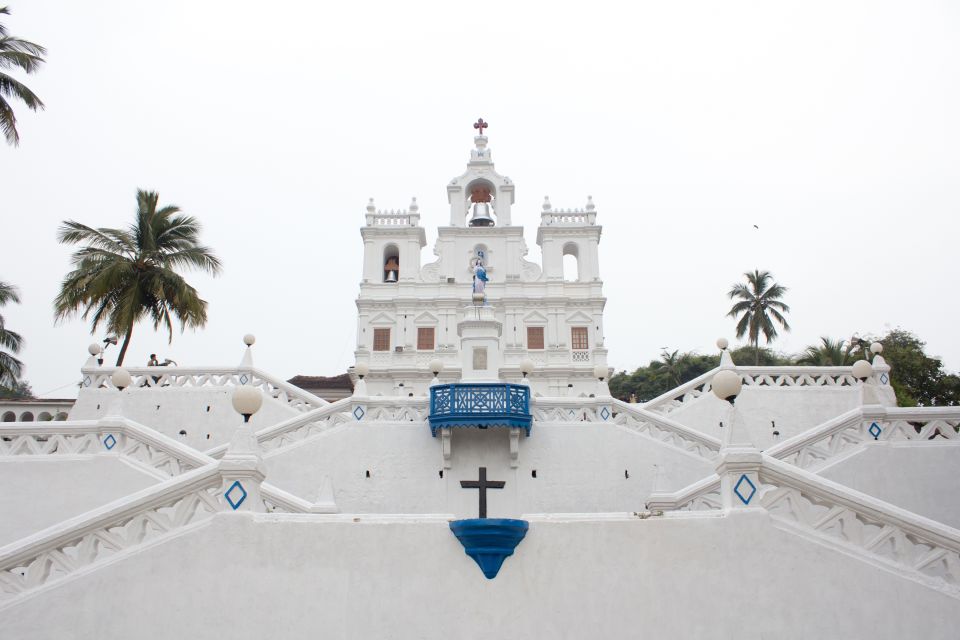
- Start at Immaculate Conception Church and get your bearings fast in Panjim
- Portuguese-influenced heritage lanes in Fontainhas with everyday-life details
- Altinho Hill stops that blend Christian and Hindu landmarks
- Chapel of St. Sebastian plus viewpoints for photos without rushing
- A small art gallery showing Scandinavian pieces alongside original Goan work
- Hanuman shrine and the final Maruti Temple for a memorable finish
Getting oriented in Panjim: the walk’s smart beginning
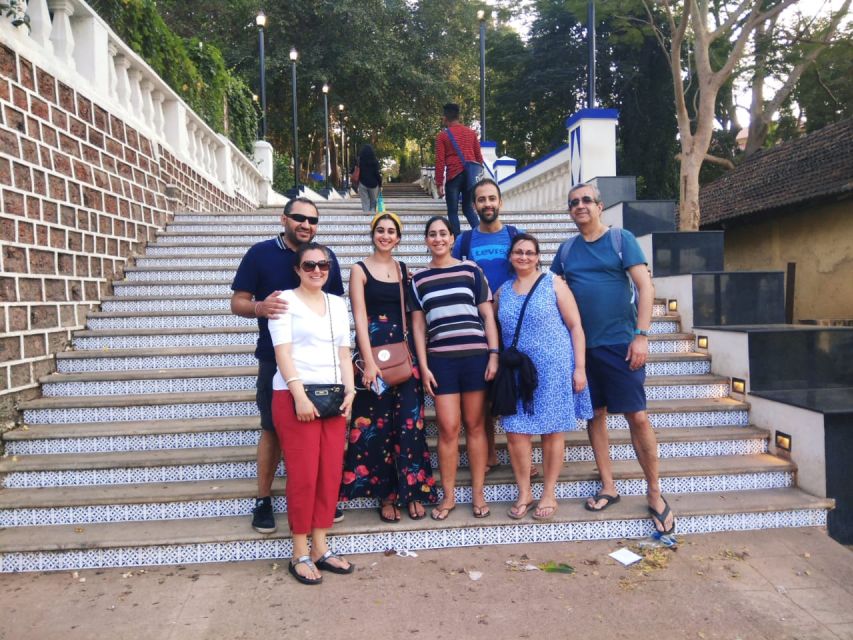
The tour kicks off outside the Our Lady of the Immaculate Conception Church in Panjim. Your storyteller/guide meets you in a neon green t-shirt with a Yo Tours ID card. Plan to arrive about 15 minutes early, because the tour starts strictly on time and the first stretch moves.
This opening matters. Panjim can feel confusing if you only do the main streets. Starting with this church gives you a clear reference point, so the rest of the walk feels like a gentle climb through neighborhoods rather than a random collection of sights.
Right away, you’re headed toward a series of stops that connect religion, government, and street life. It’s a great setup if you want more than postcard photos. You want context—why Panaji looks the way it does, and how the city’s different communities share the same small area.
You can also read our reviews of more walking tours in Goa


From church steps to Altinho Hill: the viewpoints that reset your map

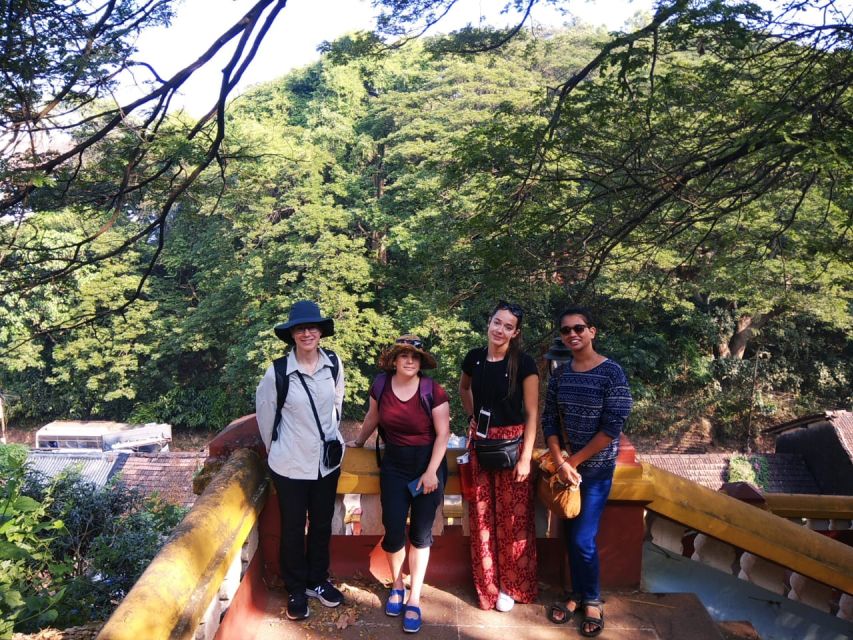
After the church, you move along stepped streets toward Altinho Hill and the Archbishop’s Palace. The climb is the one real “workout” moment of the walk, but it’s manageable for most people if you pace yourself and wear comfortable shoes.
I love this part because it flips your perspective. From up on the hill, Panjim’s layout starts to make sense: you can see how the neighborhoods stack, where the older Portuguese-influenced areas sit, and how landmarks connect by sightlines as much as by roads.
Along the way, the tour also aims at landmarks that many visitors walk past without understanding. You’ll see the official residence of Goa’s Chief Minister and visit one of India’s older High Court buildings. These stops can feel surprising on a walking tour, but they’re useful. They show how Panaji isn’t only about churches and cafes—it’s also a seat of administration and power.
Practical tip: sunglasses and sun hat help here. Even on a cloudy day, the steps and viewpoints can feel bright.
Government landmarks meet neighborhood lanes
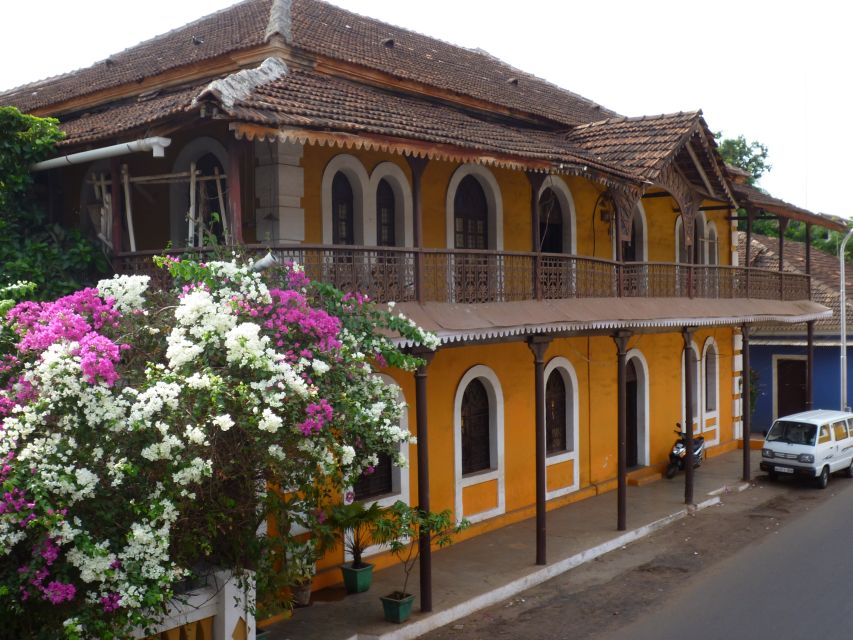
This is where the tour becomes more than sightseeing. You’re moving from civic sites to Portuguese-style streets and older structures, filled with vibrant homes and small places to pause. The guide’s role is key here: the stories turn buildings into cues.
You’ll also get the kinds of details that don’t show up in generic guidebooks, like what to look for in the architecture and what’s worth prioritizing later. If you’re the type who likes to understand how a place works socially—not just how it looks—this segment is for you.
One small drawback to know: because the tour is only 2 hours, you’ll likely get a “walk-and-look” pace rather than a long, slow inspection. If you like to linger for extended photo sessions, keep your pace realistic, and save the deep exploring for the recommendations your guide gives at the end.
Fontainhas: the Portuguese-era streets you’ll want to revisit
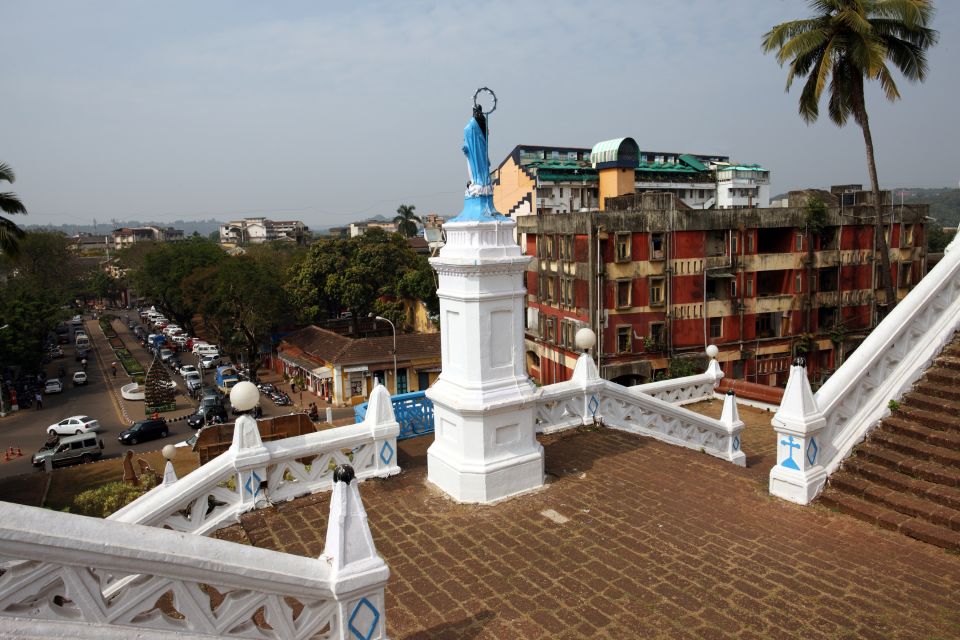
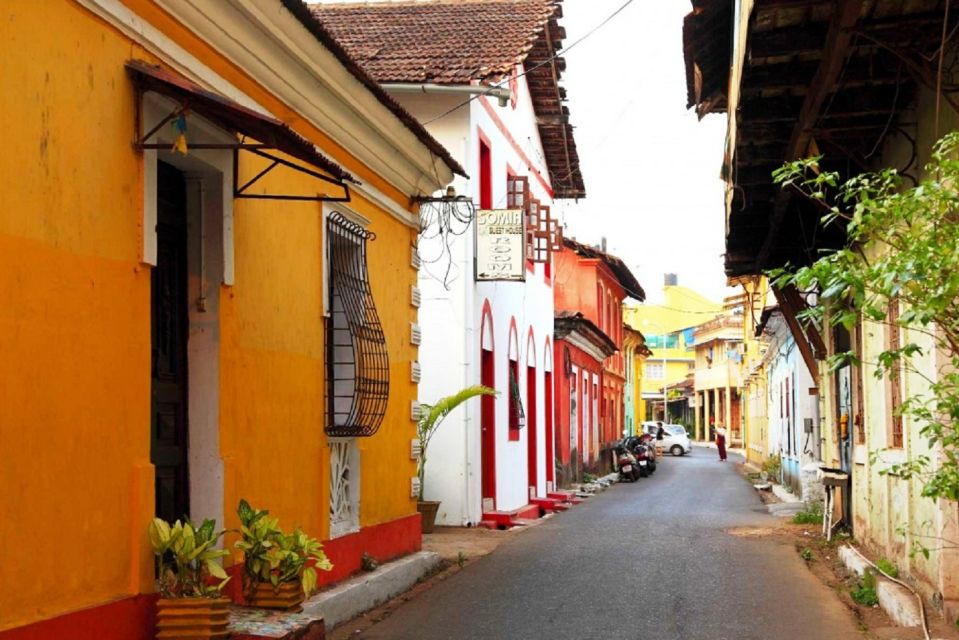
The heart of the experience is Fontainhas. This is where the tour leans into atmosphere: old buildings, narrow lanes, and that sense of everyday life happening in real time. You pass through areas that feel built for wandering.
If you’re thinking about it as a first-time Panjim orientation, Fontainhas is the payoff. It teaches you where the “interesting bits” are—side streets, quiet corners, and photo-friendly street angles.
There’s also a smart stop that breaks up the walking with something more personal: the Chapel of St. Sebastian, in the heart of Fontainhas. A chapel stop can sound small, but it works because it adds a spiritual landmark inside the neighborhood context, rather than treating the tour like a checklist of famous buildings.
A short art stop with both Scandinavian and Goan work
After Fontainhas, you visit a modest but fascinating art gallery. What makes it memorable isn’t size—it’s the mix. The gallery features Scandinavian artwork alongside original Goan pieces.
This pause is a nice change of pace. It gives your legs a break and gives you something visual to carry with you as you continue through the neighborhoods. Even if art museums aren’t your main interest, the selection helps you understand Panaji as a place where different influences overlap, not a single-style city.
If you’re on the fence about adding art to a walking tour, treat this as a palate cleanser. It’s short, local, and it supports the tour’s wider theme: Goa isn’t one uniform story. It’s multiple stories sharing the same streets.
You can also read our reviews of more guided tours in Goa






Hindu neighborhood details and the Lord Hanuman shrine
Next, the route turns into a Hindu neighborhood within Fontainhas. Then you continue to a small shrine dedicated to Lord Hanuman atop the Altinho hillock. This is one of the tour’s most satisfying segments because it ties the climb back to lived spirituality.
I like that the walk doesn’t separate religious sites into “their own category.” It shows how closely different places of worship exist within the same city fabric. When you reach the Hanuman shrine, the viewpoint aspect and the spiritual aspect combine—so you get both a place to look and a reason to look.
And since the tour ends at another temple, Maruti Temple, you keep that religious thread without turning the walk into a single-theme route.
The ending at Maruti Temple and how to use the guide’s tips
At the end of the tour, your guide will share tips and personalized recommendations for more places to explore in Goa based on your interests. That part is genuinely useful, because it helps you shift from “seeing stops” to “choosing your next day.”
This is also where you can ask practical questions you wouldn’t think of on your first day in town. For example: what areas are best for wandering in the evening, which viewpoints are worth returning to, or where to spend time if you care most about food, architecture, markets, or quiet streets.
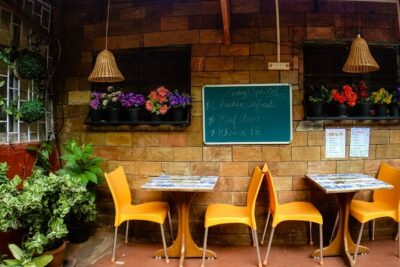
If you want to add one extra stop of your own, build it around Fontainhas. A common suggestion is to plan time for coffee or a pastry in one of the charming bakeries in the area. Since the tour pace is structured, it helps to pick a spot close to where the walk naturally passes.
Price and value: why $14 can make sense
At around $14 per person for a 2-hour guided walk, the value is in what you’re buying: direction, stories, and access. A self-guided route through Panjim is possible, but you don’t get the same help translating what you see—especially with the mix of major landmarks and smaller neighborhood corners.
You’re also getting:
- an English and Hindi-speaking guide/storyteller
- access to hidden lanes and places
- local tips meant to save money and improve your schedule
- engaging conversation (the vibe is friendly and energetic)
If you’re short on time and want a structured overview of Panjim beyond the obvious sights, this price feels reasonable. If you’re the kind of traveler who already knows exactly which streets you want to photograph and prefers doing everything solo, then you might feel the 2-hour format is more guided than you need. One reviewer even noted that the route could be done in about 1 hour depending on pace, so consider your own style.
Who this tour is best for
This walk is a strong match if you want:
- a compact introduction to Panjim and Fontainhas
- heritage lanes plus key landmarks that are easy to miss
- a guide who talks through culture and street-level details
- a route that mixes Christian, civic, and Hindu landmarks
It’s also good for meeting fellow travelers in a social atmosphere, and several people have praised guides for strong English and warm, clear storytelling. One name that came up is Joe, described as experienced and engaging—if you’re lucky enough to get him, that’s a plus.
It may not be the best choice if:
- you need wheelchair accessibility (it isn’t suitable)
- you hate any sort of hillside steps (there’s a stepped climb up toward Altinho)
FAQ
FAQ
Where does the tour start?
The guide meets outside the Our Lady of the Immaculate Conception Church, Panjim, Goa, at the starting point.
What should I bring?
Bring comfortable shoes, sunglasses, a sun hat, and water. Water is not provided.
How long is the tour?
The tour lasts about 2 hours.
What languages are spoken by the guide?
The guide speaks English and Hindi.
Is hotel pickup and drop-off included?
No. Hotel pickup and drop-off are not included.
Is the tour suitable for wheelchair users?
No, the tour is not suitable for wheelchair users.
What’s the walking like?
Expect a generally easy walk with a stepped climb toward Altinho Hill as the main physical effort.
How does the payment work?
You can reserve now and pay later, keeping your travel plans flexible.
How strict is the start time?
The tour starts strictly on time, so you should arrive at least 15 minutes early.
Should you book the Panaji: Fontainhas Neighborhood Cultural Guided Walking Tour?
I’d book it if you want a guided, compact version of Panjim that connects Portuguese-era streets, major landmarks, and local religious life in just 2 hours. The price is low enough that the guide’s added context and the hidden lanes feel like the real upgrade. If you’re comfortable with some stepped walking and you like to talk with a storyteller while you explore, this is a smart way to get your bearings and leave with recommendations you can actually use.
Hold off if you’re extremely time-crunched and prefer independent pacing, or if accessibility is a concern. In those cases, the 2-hour structure may feel limiting rather than helpful.