REVIEW · GOA
Highlights of Portuguese influenced Goa (2 Hours Guided Walking Tour)
Book on Viator →Operated by Yo Tours Goa · Bookable on Viator
Go beyond the main sights in Panjim. This Portuguese-influenced walking tour mixes colonial-era architecture with everyday local lanes, so you get context fast. I especially like the way you’re steered through Fontainhas neighborhoods that most people skip, and I also like the hilltop payoff at Maruti Temple with big views.
One thing to plan around: it’s a walking route with uphill sections, and bottled water and snacks aren’t included, so bring water and wear shoes that handle steps comfortably. Also, if you’re expecting food as part of your version of the tour, confirm that ahead of time.
In This Review
- Key Highlights You’ll Actually Feel on This Walk
- Why This Portuguese Goa Walking Tour Works Better Than a Checklist
- Meeting Point at Church Square, Altinho (and How to Start Smoothly)
- Stop One: Panjim Church to Altinho Hill’s Stepped Streets
- Altinho Hill and the Archbishop’s Palace: Where Power Shows Up in Stone
- Portuguese-Influenced Lanes, the Old Indian High Court, and What You Learn by Walking
- A Modest Art Gallery Stop: Scandinavian Art and Local Work
- Fontainhas Neighborhood Lanes: Colorful Centuries-Old Buildings and Café Stops
- The Chief Minister’s Official Residence Area and a Second High-Court Moment
- Finish at Maruti Temple: The Hilltop Payoff
- What You Get for $11.35 (and Why the Value Is Real)
- Small Things to Know Before You Go
- Who This Tour Fits Best
- Should You Book This Portuguese Influenced Goa Walking Tour?
- FAQ
- What is the duration of the Portuguese influenced Goa walking tour?
- Where does the tour start?
- Where does the tour end?
- How much does it cost?
- What’s included in the tour?
- Is bottled water or snacks included?
- How large is the group?
- Is this tour near public transportation?
- What happens if the weather is bad?
- Can I cancel for free?
Key Highlights You’ll Actually Feel on This Walk
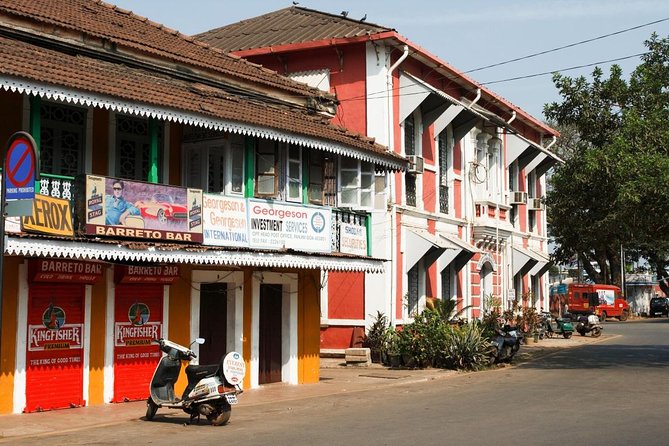
- Portuguese-era storytelling tied to real buildings you pass by in Panjim
- Altinho Hill stepped streets plus a rewarding climb to Maruti Temple
- Fontainhas lanes and colorful, older buildings at street level
- Panjim Church, Archbishop’s Palace, and more in a tight 2-hour loop
- Hidden lanes and local tips from an English- and Hindi-speaking guide
Why This Portuguese Goa Walking Tour Works Better Than a Checklist
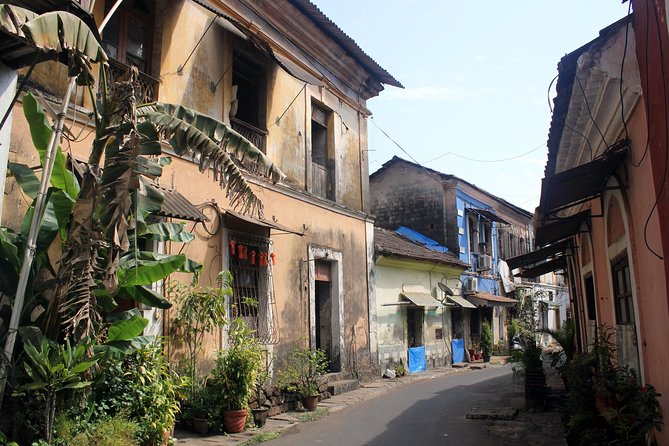
A good walking tour does two things. It helps you see what’s in front of you, and it helps you understand why it’s there. This one is built around the Portuguese footprint in Goa (their rule lasted until 1961), but it doesn’t stay stuck in big-picture facts.
Instead, you move seat-by-seat through Panjim’s “in-between” spaces—church area streets, Portuguese-shaped lanes, and local neighborhoods like Fontainhas—so the story lands where it belongs: on the block. The price is also refreshingly low for a guided, story-led route, and the small group size (up to 20) makes it easier to ask questions and get practical advice.
You can also read our reviews of more walking tours in Goa


Meeting Point at Church Square, Altinho (and How to Start Smoothly)
You begin at Church Square, Altinho, Panaji. This area is a logical launchpad because you’re close to key colonial-era landmarks, and it keeps the first part of the walk focused instead of scattered.
From here, the route sets its theme right away: Portuguese-influenced Goa isn’t just “some old buildings.” It shows up in how streets connect, where power sat, and how religious and civic structures shaped the city’s layout. If you like tours that get going quickly without long preambles, you’ll appreciate the start.
Stop One: Panjim Church to Altinho Hill’s Stepped Streets
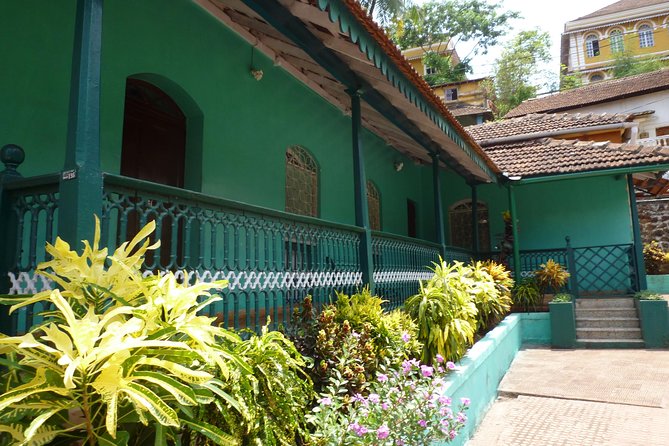
The first leg moves from Panjim Church up toward Altinho Hill and the stepped street area. This is where the tour gets physical in a good way. You’ll notice the city changing as you gain elevation—streets feel narrower, the angles shift, and suddenly you’re thinking about the city in layers instead of one flat grid.
What I like about this section is that it’s not just a scenic climb. You’re walking through the city’s structure while the guide ties what you’re seeing to the colonial era and its local effects. It’s a simple trick, but it makes a hilltop stop feel earned.
Possible drawback: if you don’t love stairs or you’re sensitive to heat, pace yourself early. The route is about 2 hours total, so you won’t be stuck forever—but you should still treat the hill section seriously.
Altinho Hill and the Archbishop’s Palace: Where Power Shows Up in Stone
As you head toward Altinho Hill and the Archbishop’s Palace, the tour shifts from church-adjacent streets to the look-and-feel of institutional Goa. This is one of those areas where you can stand back and notice architecture that feels designed to last.
Even if you’re not an architecture nerd, you’ll pick up something useful: Portuguese-era influence isn’t only about Portuguese names. It shows up in who had authority, where religious leadership lived, and how buildings communicated status. You also get a chance to slow down here, which matters on a walking tour because it’s the places that make you pause that become the places you remember.
Portuguese-Influenced Lanes, the Old Indian High Court, and What You Learn by Walking
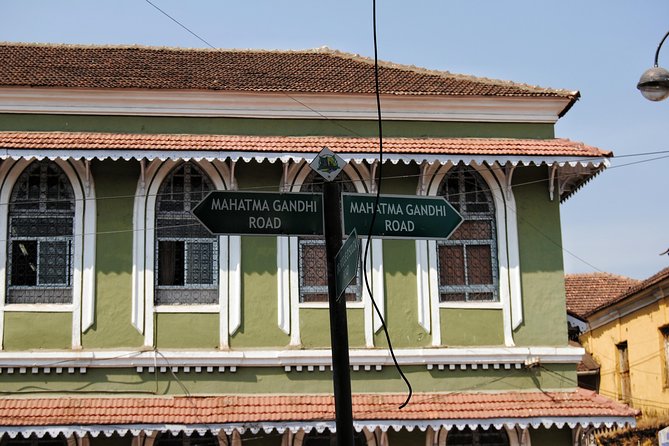
Midway through, you walk through Portuguese-influenced lanes and past the old Indian High Court. This portion is valuable because it connects colonial power to the “modern” city that came after.
The old high court site also changes the tone of the walk. You’re no longer just absorbing churches and palace-like buildings. You’re seeing how civic identity evolved, and your guide can frame what you’re looking at in a way that makes the city’s timeline feel less abstract.
One practical tip: keep an eye on small details at street level. On this kind of route, the story often lives in doorways, street angles, and the way buildings face each other—not only in the big landmark itself.
You can also read our reviews of more guided tours in Goa





A Modest Art Gallery Stop: Scandinavian Art and Local Work
There’s a stop that many people would miss on their own: a modest art gallery featuring Scandinavian art alongside original work by locals. This is a nice change of pace because it gives you a breather without turning the tour into a museum day.
Why this matters on a tour like this: it reminds you that Goa isn’t frozen in 1600s nostalgia. Local artists still work, still create, and still shape what visitors experience when they slow down long enough to look.
If you’re short on time and want a walk that includes at least one creative stop, this works well.
Fontainhas Neighborhood Lanes: Colorful Centuries-Old Buildings and Café Stops
Then you move into Fontainhas, a neighborhood known for its older buildings and close-knit street life. The walk includes colorful centuries-old buildings and café time in the Fontainhas area.
Even if you don’t buy anything, the café moment is useful. It gives you time to regroup, ask questions, and take in the neighborhood from the right angle—at street pace instead of “photo-stop pace.” This is where the tour turns from history lesson into real place experience.
One note: the tour does not list snacks or bottled water as included. Café stops can help you rest and order something if you want, but don’t count on the tour to provide food.
The Chief Minister’s Official Residence Area and a Second High-Court Moment
Toward the later part of the route, you pass by another civic/history-focused segment that includes one of Goa’s oldest high courts and Goa’s Chief Minister’s Official Residence area.
This segment is smart because it broadens the story beyond Portuguese religious influence. You start to see how authority changed forms while the built environment kept shaping daily routes and sightlines.
Practical takeaway: if you like learning that connects politics, architecture, and city planning, this is the section to pay close attention to. It’s easy to treat civic buildings like background, but on this walk, the guide helps you read them.
Finish at Maruti Temple: The Hilltop Payoff
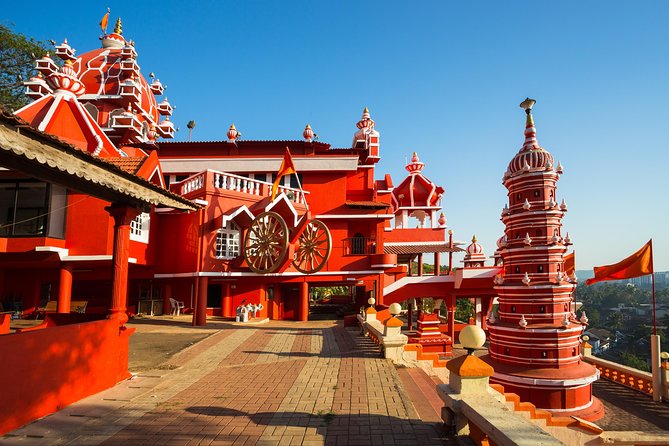
The tour ends at Maruti Temple in the Hindu neighborhood on top of the Altinho hillock. This ending matters because it delivers what many walking tours promise but don’t always deliver: a payoff you can feel in your legs and in your eyes.
At the end, you’re high enough that the city seems to rearrange itself around you. It’s also a solid “wrap-up landmark,” so you finish the Portuguese-influenced route with a distinctly local presence. The tour ends at the area near The Hotel Mandovi Maruti Dayanand Bandodkar Marg, but the key final point is the temple itself.
What You Get for $11.35 (and Why the Value Is Real)
At $11.35 per person for about 2 hours, you’re not just paying for walking. You’re paying for:
- an English- and Hindi-speaking guide with strong storytelling,
- access to hidden lanes and places you’re unlikely to find alone,
- and local recommendations meant to save you money and help you explore the city better.
This is the kind of price where you should feel comfortable booking even if you’re not sure how much you’ll care about Portuguese architecture. The guide’s job is to connect the dots while you’re walking, and that’s where the real value happens.
Also, the tour is commonly booked ahead (around 15 days on average). If you’re traveling in busier weeks, I’d lock it in early so you don’t have to scramble.
Small Things to Know Before You Go
- Bring comfortable walking shoes. Altinho Hill includes steps and uneven city footpaths.
- Bring water. Bottled water isn’t included.
- Expect a group setting of up to 20. It’s not a private tour.
- If weather is poor, the experience may be canceled and you’ll get another date or a refund. It requires good weather.
One last practical caution: if you’re hoping your tour includes extra add-ons like food, confirm that directly with Yo Tours Goa before the day. The tour information doesn’t list snacks, so you’ll want clarity.
Who This Tour Fits Best
This is a great match if you:
- want Portuguese Goa context without sitting in a classroom,
- like street-level exploring (especially Fontainhas),
- enjoy a mix of landmark stops and smaller lanes,
- and want a guide who can answer questions in English and Hindi.
It’s less ideal if you dislike walking hills, or if you need a strictly flat, fully relaxed stroll with frequent long breaks.
Should You Book This Portuguese Influenced Goa Walking Tour?
I’d book it if you want a high-value, story-led walk that shows you Panjim beyond the obvious photos. The combination of Portuguese-influenced lanes, civic landmarks, and the hilltop ending at Maruti Temple is exactly the kind of “small itinerary, big payoff” plan that works well in Goa when you want both learning and lived-in neighborhood energy.
Skip it only if you’re very sensitive to stairs and heat, or if you were planning to rely on snacks or bottled water being provided. If those are fine for you, you’ll likely find this one gives you more useful understanding per minute than most stand-alone sightseeing.
FAQ
What is the duration of the Portuguese influenced Goa walking tour?
The tour lasts about 2 hours.
Where does the tour start?
It starts at Church Square, Altinho, Panaji, Goa, India.
Where does the tour end?
The walk ends at Maruti Temple in the Hindu neighborhood on top of the Altinho hillock (near The Hotel Mandovi Maruti Dayanand Bandodkar Marg).
How much does it cost?
The price is $11.35 per person.
What’s included in the tour?
Included items are a trained, friendly guide who speaks English & Hindi, and access to hidden lanes and places, plus local tips and recommendations.
Is bottled water or snacks included?
No. Bottled water and snacks are not included.
How large is the group?
The tour has a maximum of 20 travelers.
Is this tour near public transportation?
Yes, it’s near public transportation.
What happens if the weather is bad?
The experience requires good weather. If it’s canceled due to poor weather, you’ll be offered another date or a full refund.
Can I cancel for free?
Yes, you can cancel for free up to 24 hours in advance for a full refund.