REVIEW · GOA
Fontainhas Heritage Walk At Latin Quarters of Goa
Book on Viator →Operated by Soul Travelling · Bookable on Viator
Goa’s prettiest streets have a backstory. This Fontainhas Heritage Walk is a smart, compact way to understand how Portuguese-era Panjim formed and why Fontainhas architecture still shapes the neighborhood. I love the pairing of photo-friendly lanes with real storytelling, plus the snack breaks at a Goan bakery with deep local roots.
The one thing to consider is simple: you’re out walking for about 2.5 hours. If you need lots of downtime or have tight mobility needs, you may want to gauge your comfort with a steady walking pace.
In This Review
- The Route in 5 Snapshots: What Makes It Special
- Why Fontainhas Turns a Simple Walk Into Real Understanding
- Value for $11.15: What You’re Really Paying For
- The Meeting Point Experience: Start Easy, Stay Centered
- Stop-by-Stop: What You’ll See and Why It Matters
- 1) Fontainhas: The Portuguese-Lane Reality Check (about 30 minutes)
- 2) St Sebastian Chapel: Small Stop, Clear Landmark (about 15 minutes)
- 3) Sao Tome Old Quarter: Baroque Church Views Over Panjim (about 5 minutes)
- 4) Jardim Garcia de Orta: The Memorial With a Human Story (about 15 minutes)
- 5) Indo-Portuguese House Visit and the Old Bakery Snack Moment
- Guides Make or Break This Tour: Names to Watch For
- What the 2 Hours 30 Minutes Feels Like (Timing and Pacing)
- Who This Walk Is Best For
- Practical Tips So You Get More From It
- Should You Book the Fontainhas Heritage Walk?
The Route in 5 Snapshots: What Makes It Special
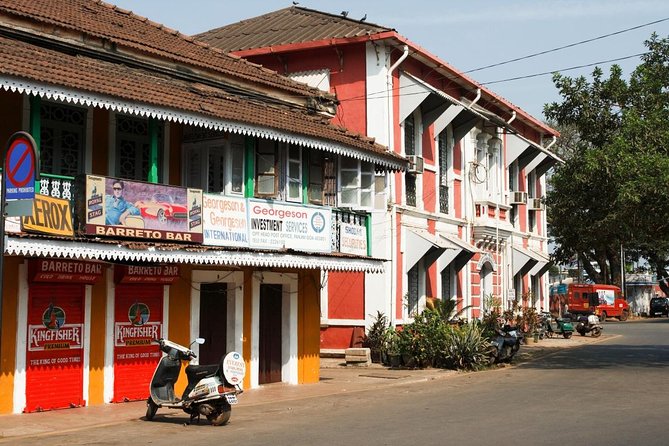
- Portuguese settlement focus that helps you read Fontainhas like a map, not just a backdrop
- St Sebastian Chapel (1880) for a quick but meaningful landmark stop at the southern end of Fontainhas
- Sao Tome Old Quarter and a Portuguese-Baroque church view over Panjim
- Jardim Garcia de Orta and the memorial story about a doctor protecting Jewish roots
- A local Indo-Portuguese house visit + snacks that turn heritage into something you can feel in daily life
Why Fontainhas Turns a Simple Walk Into Real Understanding
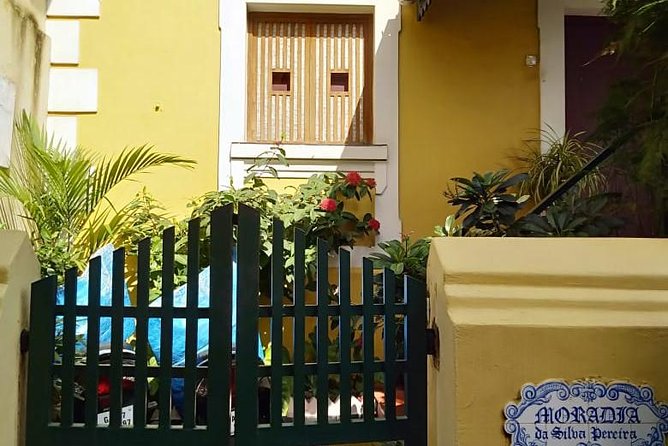
Fontainhas is one of those places where architecture does the talking. Past the bright facades and colored lanes, you start noticing patterns: the way buildings relate to the street, the religious landmarks spaced around the area, and how the neighborhood’s identity links back to Portugal’s presence in Goa.
One reason this walk works so well is that it doesn’t treat the area as random old buildings. You learn how “Nova Goa” (the new capital city) developed after the older capital, Old Goa, suffered major losses due to disease. That shift matters. It’s the kind of context that makes the streets feel less like scenery and more like a timeline you can actually follow.
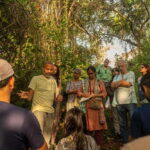
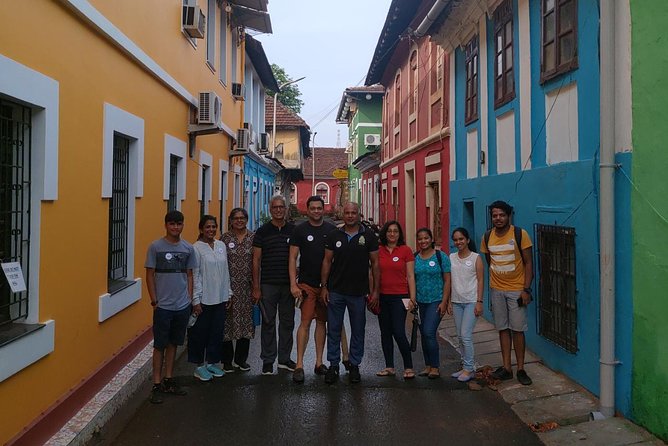
And then there’s the practical side. This is a small-group walk (up to 15 people), designed for questions, not for rushing. Guides such as Adolfina, Priyanka, Royston, Leroy Fernandez, and Bob come up again and again in the feedback, and it shows in the way the tour gets explained: you get the why behind what you’re seeing, especially the Portuguese influence in architecture.
You can also read our reviews of more walking tours in Goa


Value for $11.15: What You’re Really Paying For
At about $11.15 per person, this is priced like a budget tour—but it includes more than you’d expect for the price point. You get a guided walk, snacks, and Soul Travelling goodies, with fees and taxes covered. Admission is free for the listed heritage stops, which helps keep the total cost down.
In plain terms: you’re paying for local context, not museum tickets. If your goal is to connect the dots across neighborhoods, chapels, and daily life, this kind of walking format is often better value than hopping between separate paid attractions.
Two small “watch-outs” help you plan better. First, bottled water isn’t included, so bring a bottle if you’re out in the heat. Second, the tour includes snacks, not a full meal—so if you’re hungry after, you’ll want to eat nearby on your own.
The Meeting Point Experience: Start Easy, Stay Centered
The official start is MO’s Cafe & Bistro (H.No E-365, Rua Miguel Vicent, Abreu, Altinho, Panaji, Goa 403001). The walk also ends back at the meeting point, so you’re not stuck figuring out a different drop-off.
One practical plus from the feedback: people liked the general area because it feels historic right from the start—one common reference point was the main Panjim Post Office area. Either way, you’re starting in a part of Panjim where getting oriented is easy, and you’re near public transportation.
Stop-by-Stop: What You’ll See and Why It Matters
1) Fontainhas: The Portuguese-Lane Reality Check (about 30 minutes)
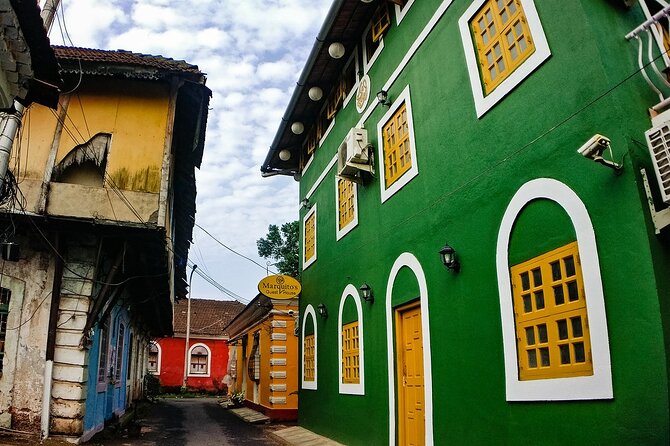
You begin in Fontainhas, where the neighborhood’s Portuguese influence shows up most clearly through architecture and heritage ambiance. This is the heart of the experience. You’re not just looking at pretty streets—you’re learning how the area’s identity formed and why it looks the way it does.
If you enjoy “reading” a city—not just photographing it—this part is for you. You’ll connect street layout, building styles, and the way religious and civic elements are positioned. The guide also frames Fontainhas within the broader story of Panjim’s rise as the capital, after Old Goa declined.
Potential drawback here is also simple: it’s a walking neighborhood. If you’re very short on time, you might want more than 30 minutes just to wander back into side lanes on your own. But as a guided intro, the pacing is strong.
You can also read our reviews of more historical tours in Goa
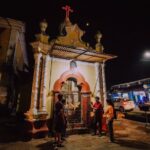




2) St Sebastian Chapel: Small Stop, Clear Landmark (about 15 minutes)
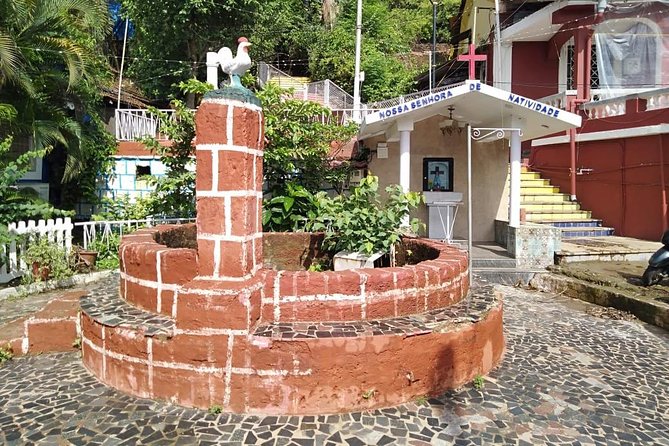
Next is the Chapel of St Sebastian, erected in 1880, located at the southern end of Fontainhas. This is the kind of stop that works well on a short itinerary: you get a defined landmark with a clear date, and the guide can explain its place in the neighborhood’s identity.
Because it’s at the edge of the area you’ve been exploring, you also get a natural “turning point” feeling. The tour starts to widen your view from streets to the larger geography of Panjim.
3) Sao Tome Old Quarter: Baroque Church Views Over Panjim (about 5 minutes)
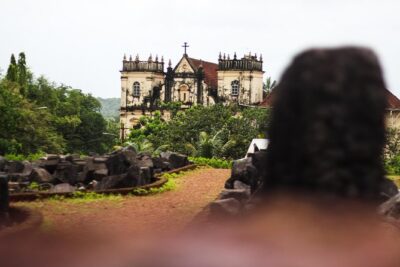
Then you move to the Sao Tome Old Quarter, where there’s a colonial Portuguese Baroque-style church overlooking Panjim. The time here is short, so don’t expect a long explanation session at this stop. What you do get is a quick shift in perspective.
Think of it as your altitude moment: the tour pulls you out of lane-level details and gives you a sense of where the city sits in relation to this heritage zone.
If you prefer slower stops and lingering for photos, you might wish this segment lasted longer. Still, it’s well used as a reset before the next, more story-heavy stop.
4) Jardim Garcia de Orta: The Memorial With a Human Story (about 15 minutes)
This stop is the most “story” focused. Jardim Garcia de Orta is a memorial to a medical doctor who kept his Jewish roots secret in order to save himself. That detail gives the neighborhood history a very human edge.
It’s also a reminder that heritage isn’t only about buildings. It’s about identity, fear, survival, and the choices people made under pressure. For me, stops like this are why guided walks often beat self-guided wandering—you wouldn’t necessarily find this angle on your own in the same way.
5) Indo-Portuguese House Visit and the Old Bakery Snack Moment
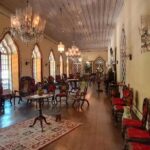
Between these landmarks, the tour includes two highlights that most visitors remember: a visit to a local Indo-Portuguese house and a stop at one of the city’s oldest bakeries, operating since the 1920s.
This is where the experience turns from “architecture class” into everyday life. Houses show you how families occupied space and how Portuguese-influenced styles blended into local living. And the bakery stop matters because snacks are part of what makes the walk feel like a real local experience rather than a checklist of sites.
One thing I’d recommend to set your expectations: the bakery portion is snack-focused, not a full meal. But the good news is that you’re getting something you can taste, at a place with age behind it. Reviews also mention generous snack sizing, which is reassuring if you worry a “snacks included” tour might be stingy.
Guides Make or Break This Tour: Names to Watch For
This is one of those tours where the guide quality shows up clearly in reviews. People mention guides like Adolfina, Priyanka, Royston, Leroy Fernandez, and Bob as standout storytellers—especially for architecture styles and neighborhood history.
What you want from a guide here is exactly what these names seem to deliver: clear explanations, friendly pacing, and enough context to help you spot Portuguese-era details yourself. If that’s your travel style, you’re in the right place.
What the 2 Hours 30 Minutes Feels Like (Timing and Pacing)
The tour runs about 2 hours 30 minutes. In a heritage walk that’s generally a sweet spot: long enough to understand the area, short enough that you don’t feel exhausted before you can explore on your own afterward.
Here’s why the pacing matters for you:
- You see the main landmarks without feeling like you’re stuck on a bus schedule.
- You get time for story-heavy stops without turning it into a lecture.
- You leave with enough context to wander independently afterward, since you’ll know what to look for in Fontainhas.
Who This Walk Is Best For
This experience is a strong fit if you:
- enjoy walking tours and want a compact way to learn the story behind a neighborhood
- care about how Portuguese architecture shaped Panjim’s identity
- like small-group settings where you can ask questions
- want a cultural activity that includes food, without turning it into a heavy meal plan
It’s also good for first-timers in Panjim because the route gives a clear orientation. If you’ve been in Goa a while and you want depth in a small area, it still works because Fontainhas is all about details.
Practical Tips So You Get More From It
You’ll get the best results if you treat this like a city-reading exercise:
- Bring a phone camera but also look up. Chapel and church details are easier to appreciate at the right height.
- Wear shoes you’re comfortable walking in for a steady stretch.
- Plan a drink for yourself since bottled water isn’t included.
- If you like asking questions, this group size (up to 15) gives you a real chance to do it.
Should You Book the Fontainhas Heritage Walk?
I’d book it if you want a high-value, small-group introduction to Fontainhas that mixes architecture with real human stories and a bakery snack stop. At $11.15, the included guiding and tasting make it a budget-friendly way to understand why this part of Panjim still feels Portuguese in the streetscape.
Skip it only if you want a long, slow exploration with lots of free time to wander on your own for hours. This is a structured walk—excellent for learning, less ideal if you’re trying to turn it into a leisurely day of drifting without direction.
If your goal is to leave with context you can actually use while walking afterward, this one is a smart choice.