REVIEW · GOA
Bake Bread With 80 Years Old Baker In Majorda
Book on Viator →Operated by Soul Travelling · Bookable on Viator
Bread tastes better when you make it. This hands-on Majorda session lets you work the dough with an 80-year-old baker, learn the ideas behind Goan Poder, and then break bread straight from a traditional oven. I also like that it is small-group and guided with room for questions, not a rushed food stop. One drawback to plan around: you’ll need your own vehicle, since the tour goes to two places.
You meet at Da Tita by Magic Italy in Calata, Girim (Goa) at 2:00 pm, then head out for a short, story-led experience that runs about 3 hours 30 minutes. The group is kept to a maximum of 10 people, which matters in a bakery setting where space can get tight.
What you do is the real point: you’ll make your own pao/poie-style bread, watch the baking, and then give it an Italian twist as a fun panino. Snacking is included, and the whole session is built around the smell and heat of baking in a real working bakery, not a demo studio.
In This Review
- Key things that make this bread-making experience worth your time
- Majorda bread basics: what you do in about 3.5 hours
- The pao/poie story: Portuguese roots and Goan Poder in plain terms
- From dough to your own bread: shaping the poi and baking it for real
- The traditional oven moment: what to expect when the bakery is working
- The panino twist: why this Italian detour makes the experience stick
- Meeting at Da Tita and the two-stop route in Majorda
- Price and value: what $22.35 buys you (and what it doesn’t)
- Who should book this Majorda bread session
- Practical tips to make your bread day easier
- Should you book this bread-making experience in Majorda?
- FAQ
- How long is the bread-making experience?
- What is the meeting point and start time?
- How much does it cost?
- How big is the group?
- Will I be making bread, or just watching?
- Is bottled water included?
- What’s included in the price?
- Do I need my own vehicle?
- Is there free cancellation?
Key things that make this bread-making experience worth your time
- Meet an 80-year-old baker in Majorda and see bread skills built over decades, not shortcuts
- Hands-on poi/poie (pao) making with guidance as you shape dough for baking
- Learn why Goan Poder matters for bread and how pao-making connects to Portuguese influence
- Watch baking in a traditional oven with the wood-fired aroma part of the experience
- Visit Majorda Railway Station as a quick local context stop during the day
- Turn your bread into a panino with an Italian twist, plus included snacks
Majorda bread basics: what you do in about 3.5 hours
This is a half-day style experience (about 3 hours 30 minutes) that’s built around doing, not just watching. You start with bread concepts, then you get your hands on dough for a pao/poie-style bread. After that, you see the bread baking process, and you get to enjoy freshly baked bread hot out of the oven.
Because the format is practical, it’s easier to understand Goa through food. You’re not memorizing facts from a screen. You’re learning by making, touching, smelling, and asking questions while the bread is actually in motion.
Also, the group size is capped at 10, which helps. In a working bakery, everyone needs a turn and enough room to work safely with hot surfaces and dough.
You can also read our reviews of more tours and experiences in Goa.


The pao/poie story: Portuguese roots and Goan Poder in plain terms
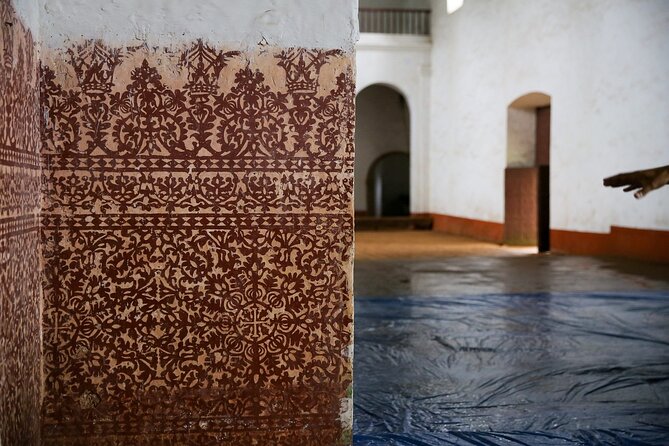
The best part of this experience (for me) is how it treats bread as culture, not just carbs. You learn the history behind pao and how pao-making was brought to Goa through Portuguese influence, then became part of everyday Goan eating.
Then comes a Goa-specific idea: Goan Poder. The tour highlights it as important to baking bread, which tells you the session isn’t only about technique. It’s also about how belief, routine, and local food knowledge shape results. In practical terms, that means the guide will connect the dough and baking steps to why the process feels the way it does in Goa—so your hands-on baking has context, not just steps.
This kind of explanation is useful when you travel. Otherwise you only remember the taste. Here, you can connect taste to reasons.
From dough to your own bread: shaping the poi and baking it for real
In this session, your job is to make the bread (the highlights specifically call it hands-on poi making). You’ll work on shaping your own pao/bread ready to go into a traditional oven. The goal is not perfect bakery geometry—it is learning the flow of making bread the local way.
What you’ll watch during baking is part of the lesson: the heat, the timing, and the way the bread changes as it cooks. The description of the experience emphasizes the aroma filling the air and the steam when you break the bread open.
Then you eat what you helped make. The bread is served freshly baked, with the center described as soft and easy to tear into. That matters because it’s the best quality check you’ll get all day—your bread is proof of the method, not just a product.
The traditional oven moment: what to expect when the bakery is working
This is not a cold, staged cooking class. The tour takes place in a traditional mud bakery setting in Majorda, and you can smell the process as it happens. The experience description specifically calls out the aroma of baking bread along with the scent of burning wood.
That detail is more than atmosphere. It also tells you what kind of environment this is:
- you may be close to heat sources
- the space may be rustic
- the pace may be guided by real baking timing, not classroom timing
One practical point: because bakery spaces can be small, expect that there could be waiting for turns during prep or baking. With a maximum of 10 people, it’s usually manageable, but it is still a working environment, not a hotel kitchen.
The panino twist: why this Italian detour makes the experience stick
After you bake your poi/poie-style bread, the experience includes something fun and memorable: you’ll make your own Panino from a Poi with an Italian twist.
That’s a clever way to help you understand Goa’s food personality. Goa’s cuisine has European influence, and you see it again here—not as a gimmick, but as a logical continuation of how pao/pie bread became part of daily eating.
It also turns your bread into something easy to picture later. Instead of thinking only about dough, you’ll remember the finished form: a bread you shaped, baked, then transformed into a snack meal.


Meeting at Da Tita and the two-stop route in Majorda
Your day starts at Da Tita by Magic Italy in Calata, Girim, Goa, at 2:00 pm. It ends back at the same meeting point.
The tour goes to two places, and you’re specifically asked to have your own vehicle. One stop is the local Majorda Railway Station. The other is the traditional mud bakery where the bread work happens.
Why this routing matters: it keeps the experience grounded. The station stop gives you a quick sense of real local geography instead of bouncing straight from your hotel to a single attraction. Then you get a full sensory focus at the bakery: dough, heat, wood smoke, and fresh bread.
Price and value: what $22.35 buys you (and what it doesn’t)
At $22.35 per person, this is priced like a small-group cultural food experience, not a big-ticket restaurant meal.
Here’s what you get for the price:
- a guided session (including the baking workflow)
- snacks included
- Soul Travelling goodies
- a first aid/medical kit
- all fees and taxes are included
What’s not included:
- bottled water (bring your own or purchase locally)
- any extra charges for cameras/video if applicable (the listing notes camera-related charges may apply)
And one more value note that affects real cost: you need your own vehicle. That doesn’t change the tour price, but it can change your total travel budget depending on where you’re staying.
For me, the value lands because this isn’t just tasting bread. It’s making bread and learning the reasons behind it—Portuguese influence, Goan concepts like Poder, and the local routine of baking.
Who should book this Majorda bread session
This experience is a strong fit if you:
- like hands-on cooking more than watching
- enjoy learning food traditions with real local people and practical explanations
- want something different from beach bars and seafood buffets
- travel with someone who appreciates shared tasks, not just sightseeing
It may be less ideal if you:
- hate getting close to heat and baking smells
- are expecting a fully air-conditioned, super-comfortable setting
- want something long and slow with lots of walking (this is not a walking trail)
If you’re traveling as a duo or with family, the small group size helps keep attention on you. Guides like Fenosha and Medore are described as high-energy and helpful, and that kind of guide style is a big part of what makes the session feel friendly rather than instructional.
Practical tips to make your bread day easier
Here are the choices that will save you time and stress:
- Bring a water plan. Bottled water isn’t included, so have a plan for hydration before and after the baking.
- Dress for warmth and movement. A mud bakery setting can be warm and rustic. Comfortable clothes help.
- Be ready to get involved. This is hands-on poi/pao work, so bring the mindset of learning, not just taking pictures.
- Go with the small-group flow. The session is designed for a capped group. Be patient during prep and baking turns.
- Arrive on time. The start time is 2:00 pm, and it’s hard to catch up once the baking schedule is underway.
Should you book this bread-making experience in Majorda?
If you want one of Goa’s food experiences that feels personal and real, I’d book it. The reason is simple: you don’t just taste pao/poie—you help make it, learn the Portuguese link and Goan Poder idea, and finish with your own panino plus snacks.
Book it especially if you’re in Goa for a few days and want at least one experience that goes beyond scenery. Just make sure you’re comfortable with the practical side: own-vehicle logistics, a working bakery environment, and the idea that your pace is tied to real bread baking.
If that sounds like your kind of travel day, this one is an easy yes.
FAQ
How long is the bread-making experience?
It’s listed as approximately 3 hours 30 minutes.
What is the meeting point and start time?
You meet at Da Tita by Magic Italy (Calata, Girim, Goa) and the start time is 2:00 pm. The tour ends back at the meeting point.
How much does it cost?
The price is $22.35 per person.
How big is the group?
The experience is capped at maximum 10 travelers.
Will I be making bread, or just watching?
You’ll have hands-on poi making and you’ll make your own pao/bread for baking in a traditional oven. You also make a panino from your poi.
Is bottled water included?
No. Bottled water is not included.
What’s included in the price?
Included items are snacks, a guided tour, Soul Travelling goodies, and first aid/medical kit, plus all fees and taxes.
Do I need my own vehicle?
Yes. The listing says a vehicle is required and guests are requested to have their own vehicle because the experience visits two places.
Is there free cancellation?
Yes, you can cancel for a full refund with the free cancellation terms listed: cancel at least 24 hours before the start time for a full refund.