REVIEW · GOA
BLive Electric Bike Tours – Discovery of Divar Island
Book on Viator →Operated by BLive Electric Bike Tours · Bookable on Viator
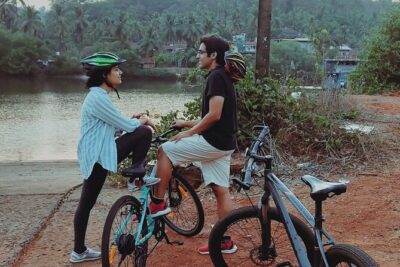
Divar Island feels like another Goa. An e-bike sightseeing loop from Old Goa combines a ferry ride, hill-friendly electric cycling, and slow, local-paced stops that make the island feel lived-in. You’ll roll past paddy fields and Portuguese-era buildings, then pause for temple and church sights that many visitors never get to.
I like this for two practical reasons: you get guided context (temples, architecture, and local life explained with real names like Riaz and Cedric), and you’re fed along the ride with snacks and refreshments. One thing to watch: a few departures can run later if the group is waiting on late arrivals, so I’d plan to show up early and keep your schedule flexible.
In This Review
- Key takeaways before you book
- Divar Island by e-bike: why this tour fits real sightseeing
- From Old Goa to Divar: the ferry ride sets the mood
- Stop 1: Riding Divar Island countryside, Portuguese buildings, and village life
- Stop 2: Saptakoteshwar Temple and the submerged temple mystery
- Stop 3: Our Lady of Piety Church viewpoint and baroque architecture
- Stop 4: Fishing traditions at the sluice gates and water control
- What you actually get for $35: value check on food, gear, and guidance
- E-bike comfort, pace, and what to bring (so you don’t have a stressful ride)
- Guide skills that make the difference (names you’ll likely hear)
- Timing and meeting point: how to reduce stress before you start
- Who should book this e-bike Divar Island tour
- Should you book BLive Electric Bike Tours for Divar Island Discovery?
- FAQ
- How long is the Divar Island e-bike tour?
- Where does the tour start and end?
- What sights do you visit on the route?
- Is the ferry ride included?
- What’s included in the price?
- Do I need to be able to ride an e-bike?
Key takeaways before you book
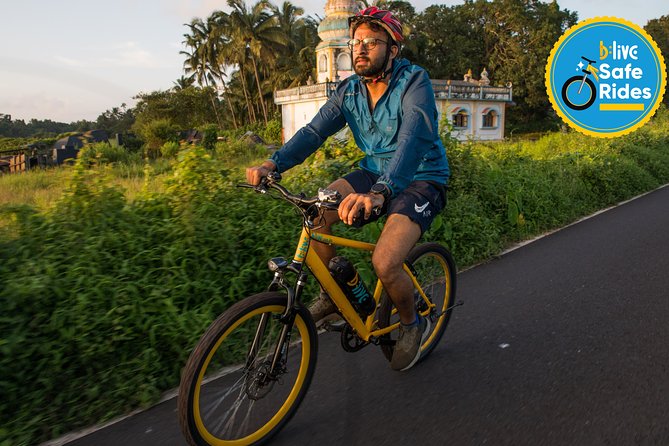
- Electric assist helps, but the hills still exist: it’s easier than biking the whole way, yet steep bits can be a workout.
- Portuguese Goa + local faith sites: you’ll see churches and temples close together, not as separate day trips.
- Submerged-history stop: Saptakoteshwar Temple is a UNESCO-listed Shiva site tied to ancient dynasties.
- Local food stops are part of the charm: home-baked snacks and host-family hospitality show up on many rides.
- Pace is usually relaxed: most people like the pace, but you should feel comfortable asking for photos and slowing down.
Divar Island by e-bike: why this tour fits real sightseeing
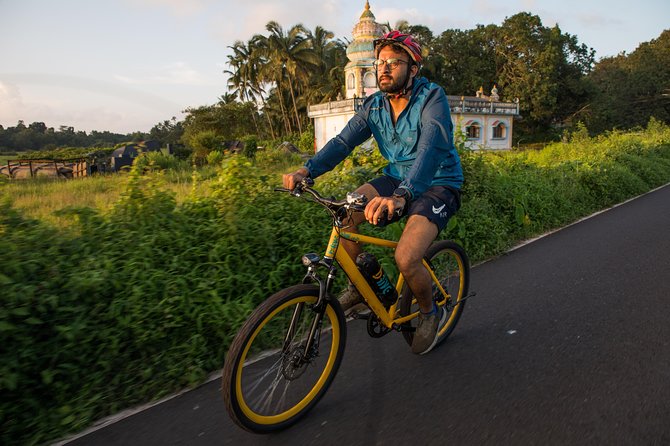
Divar Island is one of those places where you can feel the pace change the moment you arrive. It’s not all big attractions on a single strip. It’s small roads, water, churches, temples, and everyday island life—exactly the stuff that gets skipped when you only have resort time.
An e-bike matters here because Divar has hills. The motor won’t turn you into a couch potato, but it takes the sting out of the steeper climbs so you can stay focused on sights instead of burning out on the road. The tour’s goal is comfortable cycling plus meaningful stops, not athletic suffering.
Also, the experience is designed as a guided loop. You’ll ride, stop, and then get explanations you can actually use—like what you’re seeing, why it matters, and how local people live around it.
You can also read our reviews of more cycling tours in Goa

From Old Goa to Divar: the ferry ride sets the mood
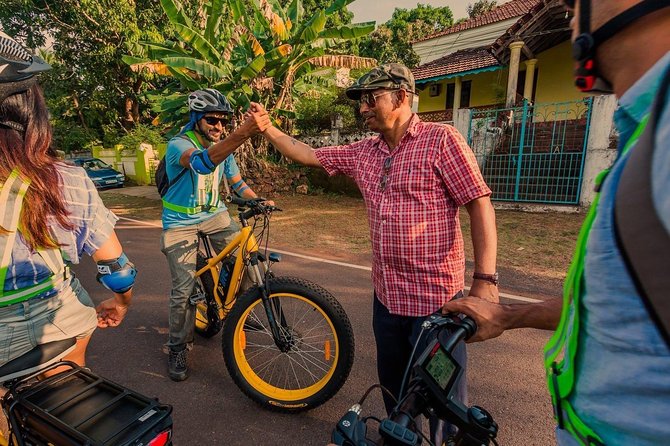
You start at the meeting point in Panaji/Goa (GW22+267 area) and then head to Old Goa for the ferry to Divar Island. That short crossing is more than transport—it’s the transition from busy mainland energy to the slower island rhythm.
Once you’re on Divar, the route immediately shifts into countryside mode. Think lush paddy fields, quiet roads, and Portuguese influence mixed into working villages. This is the kind of sightseeing where the journey is part of the attraction.
Practical tip: if you’re arriving on your own, give yourself extra time to get to the hub calmly. One theme in feedback is that delayed starts can happen if the group is waiting.
Stop 1: Riding Divar Island countryside, Portuguese buildings, and village life
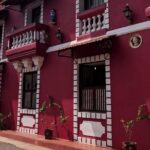
The first big segment is all about getting your bearings. You bicycle through the island’s countryside with fertile fields and heritage architecture—historic churches and temple areas show up along the way, plus those traditional Portuguese-style homes people associate with Goa.
What makes this stop work for you is that it’s not a single photo-op. It’s a riding-and-looking phase. You get to watch how farmland sits beside settlements, and how the island’s character shows up in everyday design.
Where it can feel “less than perfect” is simple: it’s still an active bike ride. One person noted their e-bike didn’t love steep hills, even with assist. So if you know you hate climbing, plan to take it slow, use the assist early, and don’t wait until your legs are already cooked.
Stop 2: Saptakoteshwar Temple and the submerged temple mystery
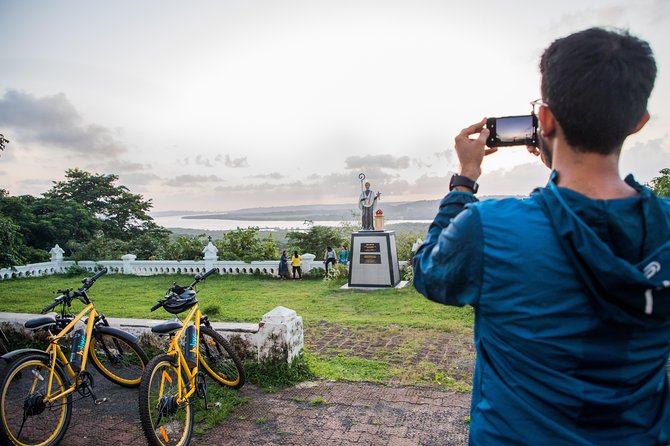
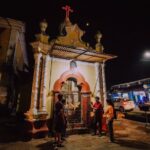
Next you head to the Saptakoteshwar Temple, described as a mystical submerged temple and a UNESCO heritage site in the Konkan area. This one is tied to Lord Shiva and is linked to the Kadamba Dynasty.
The best part of this stop is the contrast: you’re riding through green countryside, and then you arrive at a religious site that feels unusual because of its submerged character. Even if you don’t know the background, the setting tends to grab your attention fast.
How to get more out of it: when your guide explains what you’re seeing and why it’s significant, let it land instead of treating it like a checklist. Sites like this reward a calm minute. Look, then listen. That’s how the meaning sticks.
Time-wise, you’ll have about 45 minutes here, which is long enough to understand the basics and still not feel rushed.
Stop 3: Our Lady of Piety Church viewpoint and baroque architecture
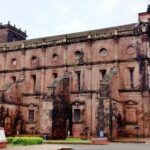
Then it’s up a hill to Our Lady of Piety Church, paired with a panoramic viewpoint overlooking Divar. This stop is where you get the island’s scale: roads, water, and green stretches all make more sense once you’ve seen them from above.
The church is known as one of Goa’s finest baroque churches. You’ll learn about its architecture and history, which is useful because many travelers just snap pictures at churches without really noticing details.
A helpful mindset for this stop: don’t only aim your camera at the view. Also pay attention to what your guide points out about the church design and style. The viewpoint is for perspective; the church is for story.


Stop 4: Fishing traditions at the sluice gates and water control
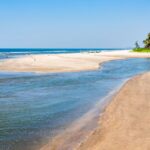
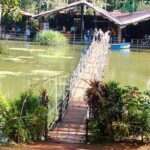
Your final stop returns you to the island’s practical side: fishing methods and water management. You’ll learn about the sluice gate area where river and land meet, plus the older system of bamboo and wooden rafters used to control water flow.
This is one of my favorite kinds of stops—where history isn’t just in stone. It’s in how people make a living and how communities manage natural forces. Goa can feel like a postcard, but these details show what keeps places running.
How to enjoy it more: slow down and watch the water relationship. Even if you’re not an expert, listening to the explanation helps you see why certain structures exist and why they’ve lasted.
What you actually get for $35: value check on food, gear, and guidance
At about $35 per person for roughly 3 hours, this tour is good value if you care about guided context and want an easy way into Divar Island without driving.
Here’s what’s included:
- E-bike plus a safety kit and safety gears
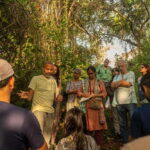
- A trained captain and guided tour
- A sling bag, first aid support, and snacks
- Admission tickets at the stops are listed as free
You also get the “invisible value” that comes from a guide who can connect buildings and landscapes to local life. Feedback highlights guides like Riaz and Cedric for being patient, informative, and really helpful with photos.
Food is also part of the deal. The tour includes snacks and refreshments, and many rides have been described as having tasty home-style baking or local treats. On some morning options, people have mentioned breakfast experiences with welcoming hosts. That matters because it turns the ride into a proper half-day activity instead of a quick snack-and-go loop.
E-bike comfort, pace, and what to bring (so you don’t have a stressful ride)
The e-bike makes hills easier, but you’re still cycling on a real island route. Think of it like: you’ll work a bit, and you’ll sweat a bit, but you won’t feel stuck at the worst climbs.
A few practical considerations from real experiences:
- Some bikes struggle with the steepest sections. If you’re heavier than average or dislike climbs, plan to use assist early.
- Pace can feel fast if you prefer slow wandering. If you want extra photo time, say so early.
- Footwear matters. One person felt uneasy on uneven road conditions. Wear shoes with grip and skip flimsy slippers.
Also, bring a light layer if the weather shifts. The tour requires good weather, so you don’t want to be stuck cold or uncomfortable if the day is windy.
The tour is designed for most travelers, but there are clear limits:
- minimum height requirement: above 5 feet
- maximum weight requirement: 90 kg
- group size: up to 30 travelers
That last point (30 max) usually keeps things organized without feeling like a marching band.
Guide skills that make the difference (names you’ll likely hear)
One of the standout parts is that the experience leans on people, not just a bike route. Guides mentioned include Riaz and Cedric, both praised for being clear, informative, and steady with safety and pacing.
You might also meet local hosts at snack or food stops. Names that come up include Aryan and Alinda, who are described as welcoming and connected to homemade snacks. That’s a big deal on Divar Island because it’s not only about seeing Portuguese architecture—it’s about hearing how island life works.
If you care about photos and want help framing shots, you’re in the right place. Some guides have been described as patient with taking videos and photos along the way.
Timing and meeting point: how to reduce stress before you start
The meeting point is listed around GW22+267, Panjim – Belagavi Main Rd, Baingini, Panaji, Goa. The tour ends back at the same meeting point.
Here’s the practical advice: because start times can shift when late guests are involved, don’t treat the departure time like a suggestion. Aim to be there early so you’re not rushed into the first ferry connection.
If you’re juggling other plans in North Goa, keep this as your anchor activity. It’s long enough to matter, and it’s dependent on good weather.
Who should book this e-bike Divar Island tour
You’ll probably love it if:
- You want real island life instead of just beaches and bars
- You like guided stops—especially temples and churches—with clear explanations
- You want a bike tour that’s hill-friendly thanks to electric assist
- You’d enjoy paddy fields, Portuguese-era homes, and water-management details
You might choose something else if:
- You dislike waiting around if the group is delayed
- You’re extremely sensitive to pacing (you may want very slow wandering)
- You’re unsure about handling any kind of bike ride, even with e-assist (basic familiarity helps)
Should you book BLive Electric Bike Tours for Divar Island Discovery?
I’d book it if your goal is a calm, culturally focused half-day on Divar Island with the effort dialed down. For the money, you get a guided route, an e-bike with safety support, free admission at key stops, and snacks that make the whole experience feel complete. The biggest reasons to say yes are the guide-led context—people like Riaz and Cedric—and the way the route mixes Portuguese churches, a UNESCO-listed submerged Shiva site, and working island water/fishing details.
If you’re the type who needs strict timing down to the minute, show up early, keep buffer time, and ask for a slower pace if you need photos or extra comfort breaks. Do that, and this becomes one of the more grounded Goa experiences you can fit between bigger day trips.
FAQ
How long is the Divar Island e-bike tour?
The tour lasts about 3 hours.
Where does the tour start and end?
It starts at the meeting point in Panaji (GW22+267, Panjim–Belagavi Main Rd, Baingini, Panaji, Goa 403402) and ends back at the same meeting point.
What sights do you visit on the route?
You’ll cycle on Divar Island, visit Saptakoteshwar Temple, stop at Our Lady of Piety Church with a viewpoint, and see traditional fishing and water-management methods at the sluice gate area.
Is the ferry ride included?
Yes. The tour departs from Old Goa and includes a ferry ride to Divar Island.
What’s included in the price?
The tour includes the e-bike, safety kit and safety gears, a trained captain and guided tour, a sling bag, first aid support, and snacks. Admission tickets for the stops are also free.
Do I need to be able to ride an e-bike?
Most travelers can participate, and basic familiarity with riding an e-cycle is mentioned as helpful. There are also size limits: minimum height above 5 feet and maximum weight of 90 kg.