REVIEW · GOA
Goa: Old Goa and Divar Island E-Bike Tour with Snacks
Book on GetYourGuide →Operated by BLive Electric Bike Tours · Bookable on GetYourGuide
Old Goa by e-bike feels like time travel. You’re zipping past Portuguese-era landmarks, then crossing the Mandovi River by ferry for quieter village roads on Divar Island, and ending with Goan snacks in a local setting.
I love the pairing of UNESCO-listed Old Goa sights with easy e-bike riding. I also love that the tour ends with real Goan snacks served through a local’s connection, not just a stop at a chain.
One consideration: this ride is physical in the real-world sense (heat, cobblestones, and some uneven roads), and it’s not a fit for everyone. The operator notes limits like age, height, weight, pregnancy, and heart problems.
In This Review
- Key Points You’ll Actually Care About
- Old Goa by E-bike: the smarter way to see UNESCO in a short time
- Meeting Next to Old Goa Police Station: smooth start, clear gear, real safety
- Old Goa’s Portuguese landmarks: what to notice at St. Cajetan, Viceroy’s Arch, and Sé Cathedral
- The Mandovi River ferry: a calm reset between big church moments and quieter roads
- Cycling Divar Island village roads: palms, paddy fields, ruins, and local rhythm
- Wildlife and birding moments: when the guide’s attention makes the ride better
- Meeting locals and hearing stories you can’t Google
- Goan snacks at the homestay-style stop: where the day actually finishes well
- Clay or mud bath detour: messy fun if your departure includes it
- Price and value at $40: what you’re really paying for
- Who should book this Old Goa and Divar e-bike tour?
- Should you book BLive Electric Bike Tours for Old Goa and Divar?
- FAQ
- How much does the Goa Old Goa and Divar Island e-bike tour cost?
- Where does the tour start and end?
- Is hotel pickup or drop-off included?
- Are e-bikes and safety gear included?
- Does the tour include a ferry ride?
- What snacks or food are included?
- What should I bring?
- Who is the tour not suitable for?
- What languages are used on the tour?
Key Points You’ll Actually Care About
- Old Goa stops you can picture right away: St. Cajetan’s Church, the Viceroy’s Arch, and Sé Cathedral
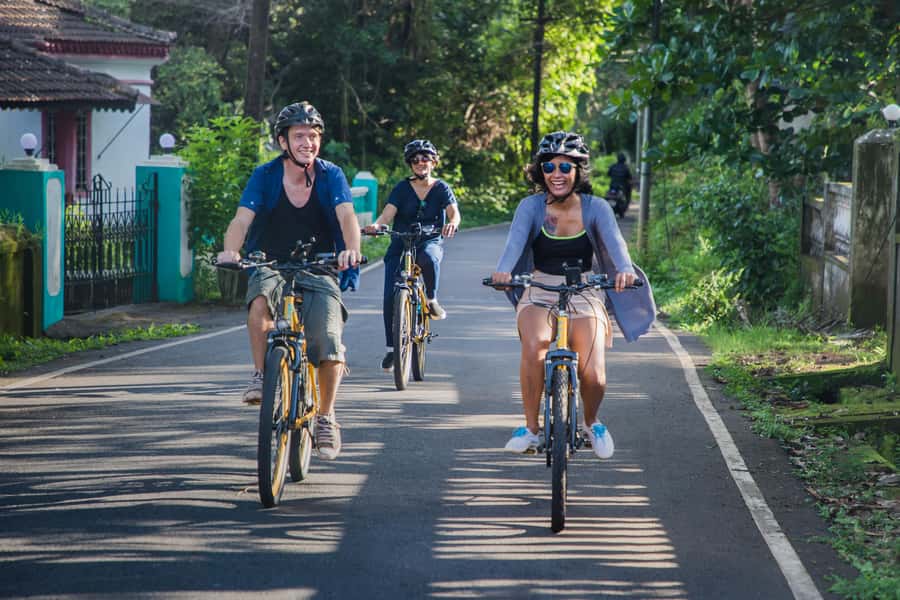
- E-bikes make Divar Island comfortable even if you’re not a strong cyclist
- Mandovi River ferry ride gives you a break from pedaling and big countryside views
- You’ll bike through village life on Divar: homes, palms, paddy fields, churches, and temple ruins
- Wildlife sightings can happen, with guides who are sharp on birds and local fauna
- Snack time is part of the experience, often at a local homestay-style setting
Old Goa by E-bike: the smarter way to see UNESCO in a short time
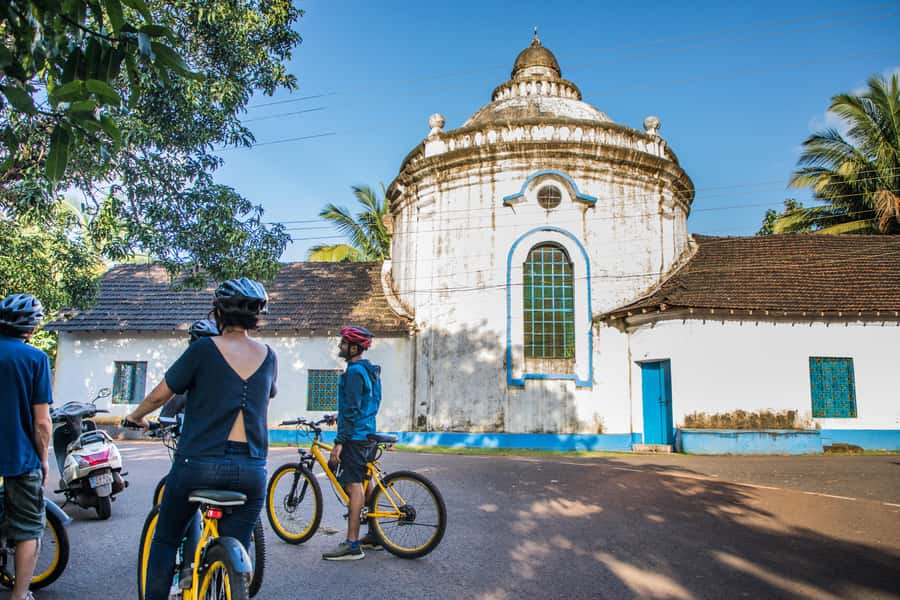
Old Goa was the Portuguese capital of India, and the streets still feel like they’re holding onto that era. Doing it by e-bike matters because you cover more ground than walking, while still going slow enough to take in churches, arches, and the stone streets without rushing.
I especially like that the tour doesn’t treat the day like a checklist. You’re moving between standout stops in a way that lets you notice details, not just snap a photo and sprint to the next location. And because the bikes are electric, you’re less likely to arrive worn out before you even reach the churches.
You can also read our reviews of more cycling tours in Goa

Meeting Next to Old Goa Police Station: smooth start, clear gear, real safety
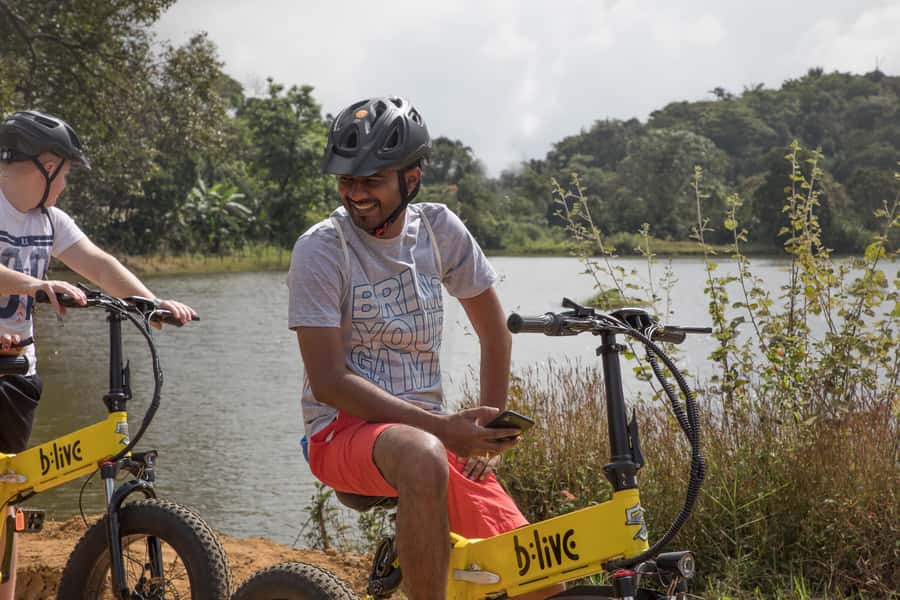
The tour begins next to the Old Goa Police Station, and it ends back at the same meeting point. That makes planning simpler because you’re not trying to figure out a different pickup spot at the end of the ride.
Everything you need for an active day is built in: the e-bikes, a safety kit, safety gear, water, and a sling bag for your belongings. The tour also includes a “trained captain” and first aid support, plus backup support if there’s a technical issue with the bikes. In other words, you’re not on your own if something goes wrong.
A couple smart practical touches also show up in rider feedback: people appreciated guidance on easy bike identification (color key fobs on keys) and suggestions like using something like a shower cap so helmets stay more comfortable for inside use. If you’re the kind of person who hates helmet hair, these small comforts are worth noticing.
What to bring is straightforward and genuinely useful: comfortable shoes, hat, sunscreen, and a camera if you want to document the ferry views and church fronts.
Old Goa’s Portuguese landmarks: what to notice at St. Cajetan, Viceroy’s Arch, and Sé Cathedral
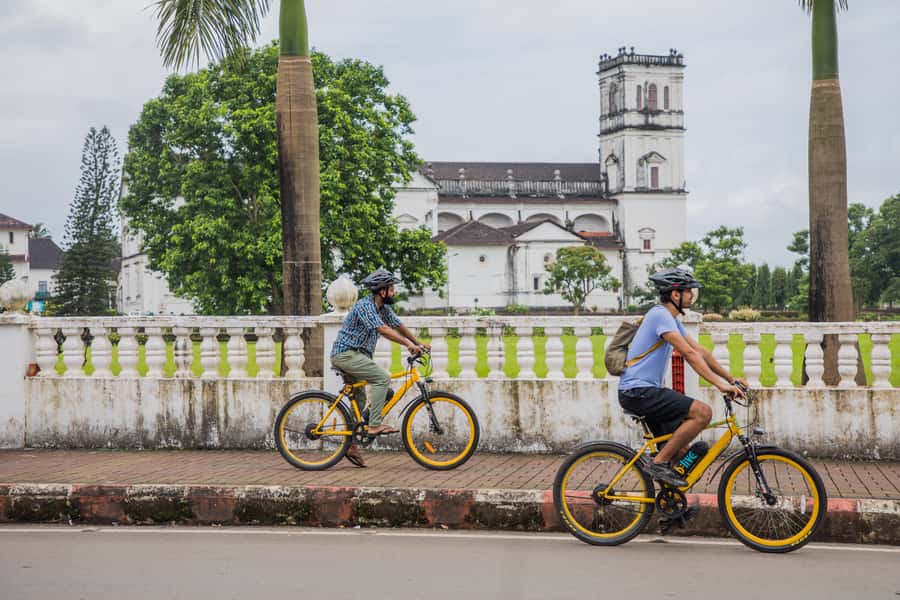
Old Goa is a UNESCO site zone for a reason. The architecture here mixes European inspiration with local craftsmanship, and the tour route focuses on major landmarks that give you a fast mental map of Portuguese influence.
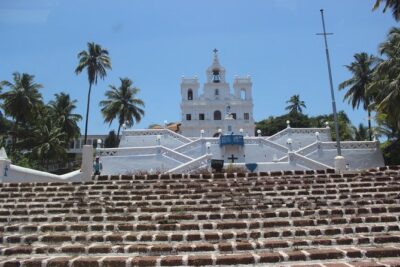
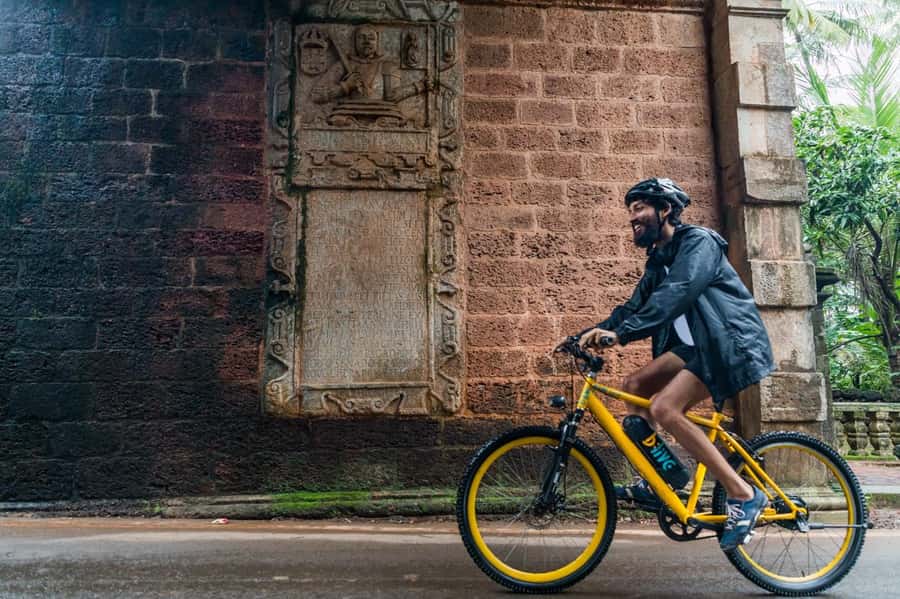
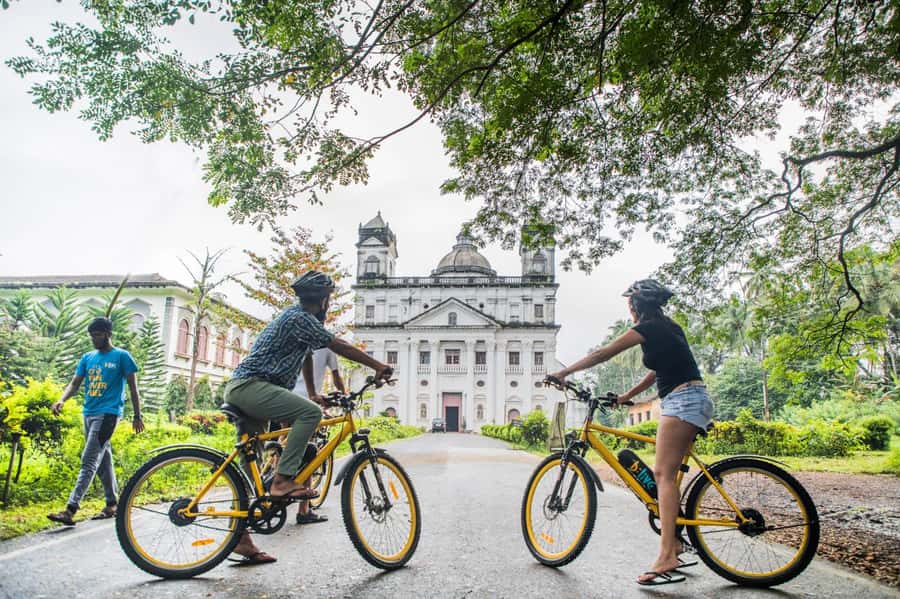
St. Cajetan’s Church is one of the first big wow moments. The tour highlights that it’s inspired by St. Peter’s Basilica in Rome, which helps you look at it with context rather than seeing it as just another church facade. If you’re photographing, stand back first for the overall structure, then walk closer for the texture and openings.
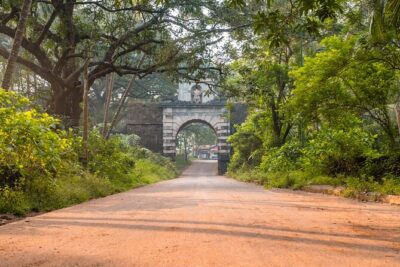
Next up is the Viceroy’s Arch, described as a historic gateway that welcomed Portuguese governors. Even if you’re not an architecture nerd, arches like this work like story markers. You can literally feel how the city would have funneled people and power through key entry points.
Finally, the Sé Cathedral is another star stop. The tour description points out Sé Cathedral as Asia’s largest church, and that scale changes the whole vibe of a place. If you’re going to spend extra time anywhere, spend it here: look at how the building dominates the surrounding space, and pause long enough to let your eyes adjust.
Keep in mind you’ll be riding near and through older stone streets, so comfortable shoes aren’t just a recommendation. They’re what keep the day pleasant instead of annoying.
The Mandovi River ferry: a calm reset between big church moments and quieter roads
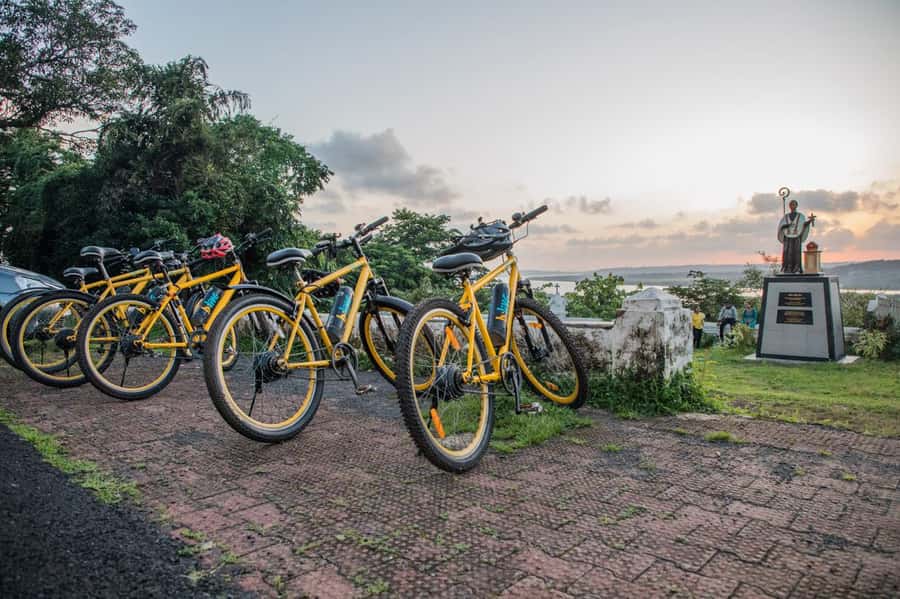
After the Old Goa landmarks, you cross the Mandovi River by ferry. This isn’t a throwaway transfer. It’s a proper break in the day—time to sit, cool down a bit, and take in wide views over the Goan countryside.
You also get a chance to switch gears mentally. Old Goa is all about built heritage—churches, arches, and stone streets. On the ferry, you start noticing the natural edges of the region: greenery, water lines, and the feeling that you’re moving away from crowds and into something slower.
If you’re wearing a hat, this is a good time to use it. Sun can be strong, and the ferry experience is nicer when you’re not constantly trying to shade your eyes.
Cycling Divar Island village roads: palms, paddy fields, ruins, and local rhythm
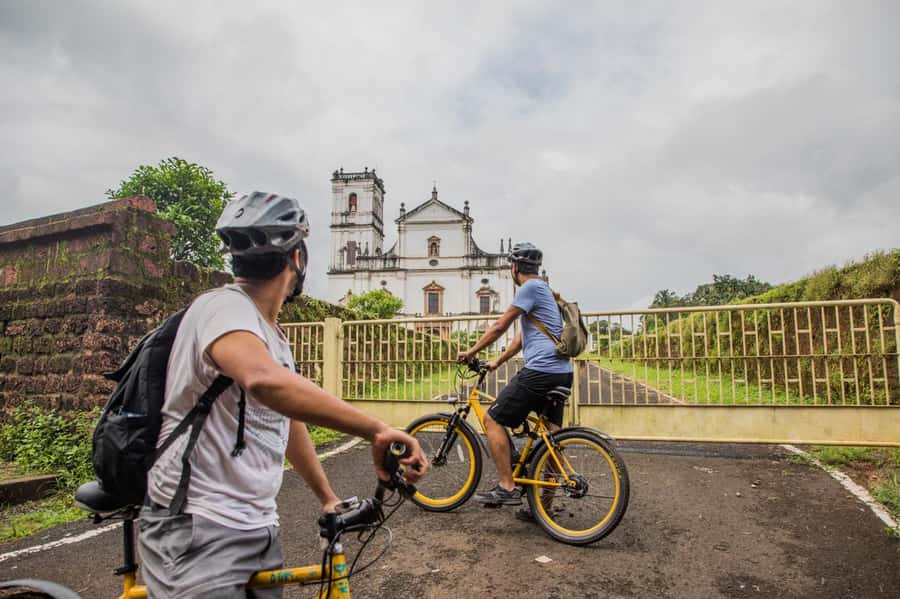
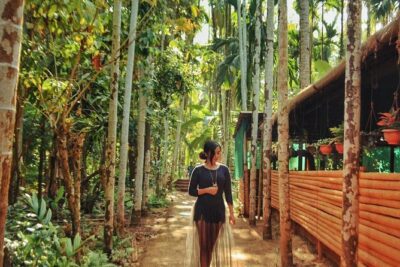
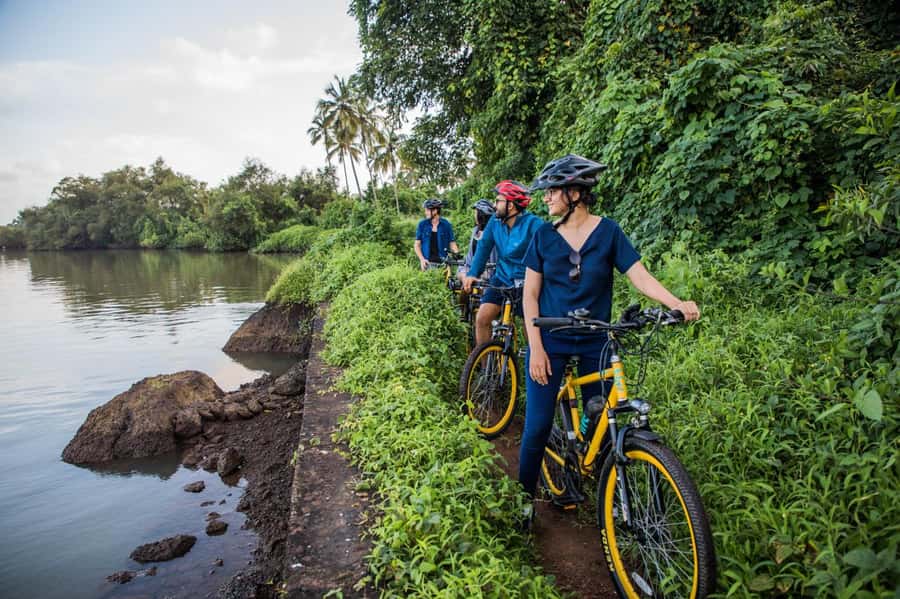
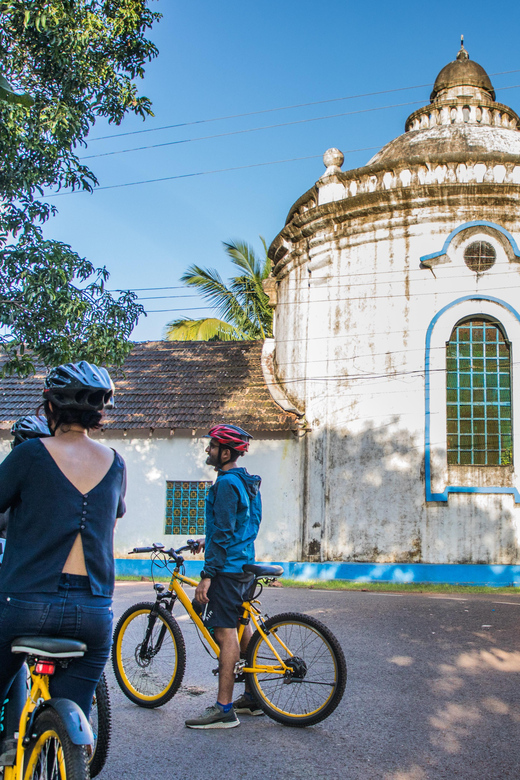
Divar Island is where the tour shifts from famous landmarks to everyday Goa. Once you land, you cycle through tranquil villages with centuries-old Goan homes, swaying coconut palms, and paddy fields.
This part feels valuable because it’s not staged in the same way as the major sights in Old Goa. You’re moving through places that keep living the way they always have—churches, temples, and ruins tied to older dynasties are part of the backdrop, not the whole point.
The tour description notes remnants linked to the Kadamba dynasty, plus ancient churches and forgotten temples. Even when you don’t know every term, you’ll learn by listening. Guides share stories about local history and the island’s cultural significance, which helps you interpret what you’re seeing rather than just passing it.





Wildlife and birding moments: when the guide’s attention makes the ride better
One of the standout themes in feedback is how guides pay attention to nature. One guide is described as an expert on birds, and another group reported seeing wildlife, including a small crocodile.
You don’t have to expect a crocodile on your ride. But you can expect that when something moves—especially along greener stretches—your guide will notice and point it out. That changes the ride from “transport” to “observation,” which is exactly what makes Divar special.
If you’re a bird person, bring your camera early. The best shots often happen when you’re not thinking you’ll get them.
Meeting locals and hearing stories you can’t Google
A big reason this tour is worth your time is the human connection. The tour is designed around interacting with local people and learning how daily life works on Divar Island.
Guides bring this to the front with stories tied to what you’re riding past. Feedback also credits guides like Cedric, Joshua, and Riyaz for being informative and patient, which matters when your group includes first-time e-bike riders.
And there’s a real difference between hearing random facts and getting explanations that match what’s in front of you. You’ll feel that here, especially because so much of Divar is small-scale—homes, lanes, and local routines—not big monumental backdrops.
Goan snacks at the homestay-style stop: where the day actually finishes well
Most tours end with a generic snack. This one ends with a local eatery experience tied to a home setting, with snacks and refreshments included.
In rider notes, this stop shows up as a feast-like meal, lunch, or a homestay breakfast depending on the timing. The common thread is local cooking and a warm welcome—plus sometimes a chance to buy local products. One feedback highlight mentioned stopping to buy Fenni from a local vendor making it in different flavors.
What to expect from the “snack” label: it’s not just a handful of crackers. It’s typically a proper taste of Goan flavors, and it’s also where you slow down to absorb the day. It’s an ideal ending because you’re eating where the stories came from, not somewhere built to impress you.
Also note what’s not included: alcoholic beverages aren’t part of the tour. You can still encounter local drinks at vendors if you choose, but you shouldn’t count on alcohol being included.
Clay or mud bath detour: messy fun if your departure includes it
Some departures appear to add a clay or mud bath experience, and multiple rider notes mention it as a must. One review calls it out as must-do fun, and another strongly recommends including the mud bath.
The only practical advice I can give without guessing your exact route: if your schedule includes a mud bath stop, plan for it mentally as a hands-on, messy activity. Wear or bring clothing you don’t mind getting dirty, and follow your guide’s instructions closely. Also keep in mind the tour rules say no bare feet, so expect that to shape what you can wear during any messy stop.
Price and value at $40: what you’re really paying for
At $40 per person, the value isn’t just the e-bike. You’re also getting:
- a guided Old Goa and Divar Island route
- ferry transit across the Mandovi River
- snacks and refreshments at the local stop
- water, a sling bag, and safety gear
- first aid support and backup help if the bike has a technical issue
If you were to price those pieces separately in Goa, the ferry + guided transport alone often pushes you beyond the “just a bike rental” category. Here, the guide is part of the value because they connect Portuguese landmarks, Kadamba-linked ruins, village lanes, and nature sightings into one story.
Comfort-wise, the e-bike makes this realistic for more people than a standard bike tour. Feedback also mentions the bikes are easy to ride, and a guide gives instruction even for first-time users. So you don’t need to be a road cyclist to enjoy the ride.
The main drawback on value isn’t the cost. It’s that you still need to be physically comfortable with cycling for part of the day and sun exposure. If you’re sensitive to heat or you have health limits, the “electric” part won’t change that.
Who should book this Old Goa and Divar e-bike tour?
This tour is a strong match if you want a mix of Portuguese-era architecture and quiet island village riding without spending the whole day on foot. It also works well if you like wildlife moments and appreciate guides who share bird and local nature details.
It may not be for you if any of the operator’s limits apply: the tour isn’t suitable for children under 11, pregnant women, people with heart problems, wheelchair users, or anyone over 75. Height and weight limits are also strict (under 4 ft 9 in / 150 cm, and over 220 lbs / 100 kg are not suitable).
If you’re traveling with those constraints, it’s better to choose a different style of sightseeing that fits your body and comfort level.
Should you book BLive Electric Bike Tours for Old Goa and Divar?
I’d book it if you want a practical way to see Old Goa’s major UNESCO sights and then enjoy a calmer Divar Island ride with real local food. The ferry break, the village cycling, and the homestay-style snack ending are the kind of combination that makes the price feel fair.
Skip it if you want minimal physical effort or if heat and uneven ground are tough for you. And if a mud bath stop is offered on your departure, treat it as a fun extra, not a surprise you’re unprepared for.
If your goal is authentic Goa beyond the main viewpoints, this is one of the more straightforward ways to get there.
FAQ
How much does the Goa Old Goa and Divar Island e-bike tour cost?
It costs $40 per person.
Where does the tour start and end?
It starts next to Old Goa Police Station and ends back at the same meeting point.
Is hotel pickup or drop-off included?
No. Hotel pickup and drop-off are not included.
Are e-bikes and safety gear included?
Yes. The tour includes e-bikes, safety kit, safety gear, a water bottle, and first aid support.
Does the tour include a ferry ride?
Yes. The tour includes a scenic ferry ride across the Mandovi River to Divar Island.
What snacks or food are included?
Snacks and refreshments are included at a local eatery/home stop. Alcoholic beverages are not included.
What should I bring?
Bring comfortable shoes, a hat, sunscreen, a camera, and water.
Who is the tour not suitable for?
It’s not suitable for children under 11, pregnant women, people with heart problems, wheelchair users, people under 150 cm, people over 100 kg, and people over 75.
What languages are used on the tour?
Guides speak English and Hindi.