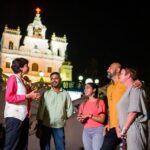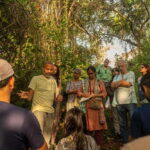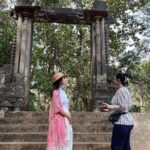
Old Goa stops fast. A 2-hour church walk can still feel meaningful. I like that this route focuses on major Portuguese-built churches you’ll actually see up close, not just pass by, and I also like that the church entrance tickets are included so you can keep moving instead of hunting for paperwork.
I’m also a fan of the guide setup: you get an English- and Hindi-speaking storyteller who talks through what you’re looking at, including the religious side and why these buildings mattered in daily life. One heads-up: this is a long walk in the heat, and if you’re in summer months you’ll want water and sun protection.
In This Review
- Quick Reasons This Old Goa Walk Works
- Where Old Goa’s Portuguese Churches Fit Into Your Day
- Meeting at Basilica of Bom Jesus and Getting the Pace Right
- Basilica of Bom Jesus: UNESCO First, Questions Answered
- St Francis of Assisi Church, Plus Museum and Art Gallery
- Sé Cathedral: The Largest Church in Asia and Its Big Presence
- Adil Shah Palace Gateway and Viceroy’s Arch: More Than Church Walls
- St Cajetan Church and Mandovi River Views Toward Divar Island
- Price and Value: Why $13.07 Can Make Sense Here
- Group Size, Guide Style, and the Conversation You’ll Actually Use
- What to Pack and How to Handle the Heat
- Who This Tour Suits Best
- Should You Book This Walk Through the Old Goa Ruins?
- FAQ
- How long is the Walk Through the Ruins of Old Goa?
- What does the ticket price include?
- Do I need hotel pickup for this tour?
- Where do I meet and where does the tour end?
- What languages does the guide speak?
- Is there any transport during the tour?
- Is free cancellation available?
Quick Reasons This Old Goa Walk Works
- Basilica of Bom Jesus (UNESCO) as your anchor stop, so the tour starts with heavyweight significance
- St Francis of Assisi area plus the Archaeological Museum and Kristu Kala Mandir Art Gallery for more than just church walls
- Sé Cathedral highlighted as the largest church in Asia, with a Statue of Jesus included on the route
- Adil Shah Palace Gateway and Viceroy’s Arch add layers beyond strictly church-only sightseeing
- A small group capped at 15 guests, with conversations led by a guide like Geronimo or Joaquim
Where Old Goa’s Portuguese Churches Fit Into Your Day
If you’re basing yourself in Goa and want something with a clear “why,” this walking tour gives you that. Old Goa is where Portuguese colonial rule left a visible stamp, especially through churches built and reshaped over centuries. The value here is that you see several standout sites in one compact loop, and you get context that helps you read the buildings instead of treating them like background scenery.
This tour is also good if you like a structured route. You’ll know where you’re going next, and you won’t waste time standing around wondering which door to enter or why the facade looks the way it does. The guiding focus on religion, local importance, and Portuguese-era influence keeps the walk from turning into just “look, another church.”
One more practical point: it’s only about 2 hours, so you can fit it between beach time or after a slower morning. That matters in Goa, where weather can change your plan fast.
You can also read our reviews of more walking tours in Goa


Meeting at Basilica of Bom Jesus and Getting the Pace Right
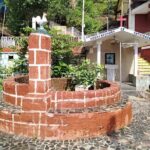
Your walk starts at the Basilica of Bom Jesus on Old Goa Road (Goa 403402). You end at St. Cajetan Church near the Old Goa area (GW48+62M).
Because there’s no hotel pickup, you’ll want to plan your own way to the starting point. If you’re staying in Old Goa, that’s easy. If you’re elsewhere, factor in some transit time so you’re not sprinting to a tour start you can’t control.
The itinerary is compact, but it still adds up to a genuine walk. The reviews that mention intense weather are the kind of warning you should take seriously—especially in June, when heat and humidity can feel heavy. I’d treat this as a “walk with purpose” experience: comfortable shoes, a cap, sunscreen, and a bottle of water are not optional if it’s hot out.
Basilica of Bom Jesus: UNESCO First, Questions Answered
The Basilica of Bom Jesus is the tour’s opening act, and it’s not there just for a photo. It’s a UNESCO World Heritage Site, which means the guide can frame it in terms of significance, not just architecture.
What I like about starting here is simple: you build context first, then everything else feels connected. Instead of wandering into later churches with no grounding, you get a baseline understanding of why Portuguese-era religious sites took on such importance in Goa.
Also, because entrance to churches is included, you don’t burn time on ticket lines. Your guide can keep the pace steady so you stay in the “walk and learn” mode rather than the “pause and manage logistics” mode.
St Francis of Assisi Church, Plus Museum and Art Gallery
From Bom Jesus, you move to the Church of St Francis of Assisi area. This stop is more than a single building moment. You’ll also visit the Archaeological Museum and the Kristu Kala Mandir Art Gallery.
Why this combination works: churches can feel similar to newcomers until someone points out differences in style, details, and how each site’s story connects to broader Portuguese influence. The museum and art gallery add variety without fully breaking the theme. They also give you a chance to slow down and see how the local cultural layer sits alongside the Christian architecture you’re walking through.
A small-group tour helps here. When the group is under about 15, it’s easier for a guide to answer questions without turning every stop into a bottleneck.
Potential drawback at this stop: if you only want pure church architecture and nothing related to museums or art, the schedule might feel slightly broader than you expected. But if you like context, it’s a smart add-on.
Sé Cathedral: The Largest Church in Asia and Its Big Presence
The Sé Cathedral is next, and the highlight is clear: it’s described as the largest church in Asia. That scale changes how you experience the building. Even if you don’t know the first thing about church design, the size alone pulls your attention upward and outward.
You’ll also encounter a Statue of Jesus as part of this segment. Stops like this are where a guide’s explanations really matter. Without context, big churches can turn into “stand and look around.” With context, you start noticing how space, symbolism, and placement affect what people feel when they’re inside.
This is also a good moment to take a breather. Your group may move together, but you can pause to look closely at details and absorb the setting. If you’re traveling with someone who likes photos, this is a prime stop.
You can also read our reviews of more guided tours in Goa





Adil Shah Palace Gateway and Viceroy’s Arch: More Than Church Walls
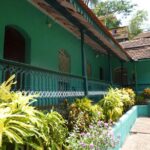
Not every highlight on this tour is a church. You also pass the Adil Shah Palace Gateway and the Viceroy’s Arch, plus another Statue of Jesus.
These are the kinds of landmarks that keep the walk from becoming a one-note church circuit. They help you understand that Old Goa wasn’t just Portuguese religious influence—it also carried political and cultural signals from different eras.
This section is a good reminder that history in Goa is layered. The Portuguese churches are the main event, but the surrounding structures show how power, design, and religious life overlapped.
If you’re the type of traveler who gets bored when every stop looks the same, this is the portion that keeps interest high.
St Cajetan Church and Mandovi River Views Toward Divar Island
The tour closes at St. Cajetan Church, and this is where you get something practical and scenic: views of the Mandovi River and Divar Island.
I like ending with a view because it shifts your brain out of “read the building” mode. After walking through churches and arches, you get to look at the water and island landscape. That kind of contrast makes the whole tour feel more complete.
The stop itself also fits the religious theme, so you’re not switching topics completely. You’re just balancing indoor-focused architecture with outdoor perspective.
In hot weather, this final segment can be a tough time to be standing around for photos. If you’re heat-sensitive, keep your water handy and pace your picture-taking.
Price and Value: Why $13.07 Can Make Sense Here
At about $13.07 per person for a guided, two-hour, small-group walk, the biggest value is the included entrances. Entrance fees can quietly double or triple the effective cost on tours like this, especially when multiple churches are involved.
You’re also getting:
- A friendly English & Hindi storytelling guide
- Church entry access for all the stops
- A setup for conversation, including religious beliefs and local importance
- Transport to places on this tour if any required (with no hotel pickup)
The “no hotel pickup” part is worth noting. If you’re far from Old Goa, you’ll pay in time (and maybe in rides) to reach the meeting point. But once you’re there, the tour itself keeps friction low: you show up, you walk, you enter where you need to enter.
If you want a low-cost way to sample Old Goa’s most famous religious sites in a single go, this is easy to justify.
Group Size, Guide Style, and the Conversation You’ll Actually Use
This is designed for a maximum of 15 guests, which is the sweet spot for walking tours. Big groups can feel rushed, and the guide can’t slow down for questions. Here, the smaller group setup makes it more likely you’ll get real explanations and not just “follow me” instructions.
The guide format is also a key selling point. You get someone who can speak English and Hindi, and the tour focuses on how these religious spaces connect to belief and local meaning. That’s the difference between a checklist visit and a tour that helps you understand what you’re seeing.
The guide names Geronimo and Joaquim show up in strong feedback, and that hints at a consistent strength: guides who know the story behind what you’re looking at, and who can keep things engaging.
If you like your travel with conversation—short answers, clear context, and a bit of humor—this kind of guided walk fits well.
What to Pack and How to Handle the Heat
This is one place where I’d be practical rather than romantic. The walk can be long, and the weather can be intense.
Pack:
- Water (bring more than you think)
- Sunscreen
- A cap
- Light, breathable clothing
- Comfortable shoes with grip
If you’re visiting during a hotter month, plan to start fresh, not already tired. When the air is humid, it’s not only about comfort—it’s about keeping energy for the standing and looking time inside churches.
If you have moderate physical fitness, you should be fine, but don’t schedule this when you’re already spent.
Who This Tour Suits Best
This walking tour is ideal if you:
- Want a focused route through Old Goa churches without planning a self-guided day
- Like UNESCO and major religious architecture, including Bom Jesus and Sé Cathedral
- Enjoy history explained through what’s visible right in front of you
- Want a half-day-ish experience that doesn’t eat your whole day
It may be less ideal if you:
- Want nonstop variety beyond churches and arches
- Need strict accessibility or very low walking stamina
- Expect hotel pickup and a fully chauffeured schedule
Should You Book This Walk Through the Old Goa Ruins?
I’d book it if you want the best “Old Goa in two hours” approach: multiple major Portuguese-era religious sites, included church access, a small group, and a guide who makes the meaning clear. The price is low enough that it doesn’t feel like a big gamble, and the route ends with river views so it doesn’t finish in a whiplash of pure indoor stops.
I’d think twice only if you’re sensitive to heat, or you truly dislike walking between sites. If you handle the weather and you’re open to a church-heavy route, this is a strong value way to experience the Old Goa core.
FAQ
How long is the Walk Through the Ruins of Old Goa?
It runs for about 2 hours.
What does the ticket price include?
It includes entry to the churches on the route and the services of the guided storyteller/guide.
Do I need hotel pickup for this tour?
No. Hotel pickup and drop-off are not included, and you’ll meet at the Basilica of Bom Jesus.
Where do I meet and where does the tour end?
Start: Basilica of Bom Jesus, Old Goa Road, Goa 403402.
End: St. Cajetan Church, Old Goa, Goa 403402.
What languages does the guide speak?
The guide can speak English and Hindi.
Is there any transport during the tour?
Transport to places on this tour is included if any transport is required.
Is free cancellation available?
Yes. You can cancel up to 24 hours in advance for a full refund. Cancellation changes within 24 hours of the start time are not eligible for a refund.