REVIEW · GOA
Fontainhas Heritage Walk by Make It Happen
Book on Viator →Operated by Make It Happen · Bookable on Viator
Fontainhas sounds small, but it tells a lot. This 2-hour 30-minute walking tour turns Panaji’s Latin quarter into a story you can follow block by block, with the colorful Portuguese-era houses and careful restorations doing most of the talking. Small-group size (typically up to 15) also keeps the experience personal, and you can actually hear your guide.
What I really like is that it is not just sightseeing: you get heritage-building entry (non-residential) plus Goan bakery tastings and a music stop, so the neighborhood hits your senses, not only your camera. One possible drawback to plan around: on hot days, the pacing can feel slow and the listening time can add up, so an early evening start is often the smarter move.
In This Review
- Quick Hits: What Makes Fontainhas Heritage Walk Work
- Fontainhas Latin Quarter: Why This Walk Beats Another Beach Day
- What’s Included for $12.27: Value You Can Actually Feel
- The Tour Route in Plain English: Where It Starts and Ends
- Stop 1: Fontainhas at Altinho Hills and Those Color-Covered Streets
- Goan Bakery Break: Snacks, Sweets, and Why This Stop Matters
- Live Music Performance: A Neighborhood That Sounds Like It Looks
- Guide Quality: Why Storytelling Makes or Breaks This Walk
- Timing Advice: Choose the Cooler Hours and Bring Sun Armor
- Who This Is Best For (And Who Might Not Love It)
- Should You Book the Fontainhas Heritage Walk?
- FAQ
- How long is the Fontainhas Heritage Walk?
- Where does the tour start?
- Is this tour mainly walking?
- How big is the group?
- What food and drinks are included?
- Does the tour include heritage building entry fees?
- Is private transportation included?
- Is a mobile ticket used?
- What if the weather is bad?
Quick Hits: What Makes Fontainhas Heritage Walk Work
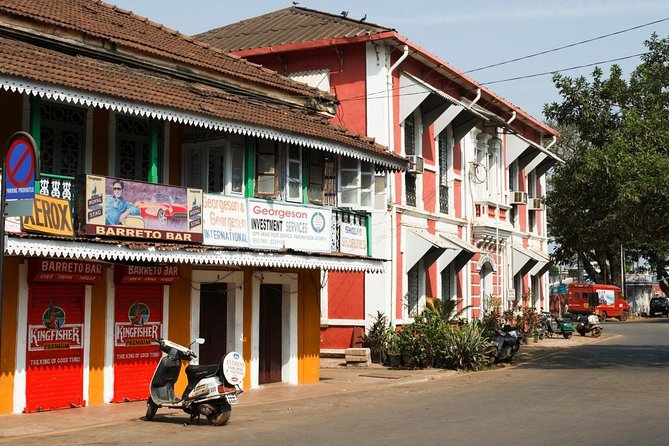
- Portuguese-era streets you can read on foot: colored houses, wrought-iron balconies, tiled roofs, and the story behind the Latin quarter nickname
- Non-residential heritage entry included: you see beyond the facades and get inside history
- Goan bakery tastings + a cold local drink: it is part of the tour rhythm, not a random detour
- Live music performance in the neighborhood: the day shifts from walking to listening
- Guides who steer the narrative: many people highlight the storytelling tone and how guides tailor it to the group
- Route stays in one area: great for focus, but don’t expect a tour that covers the whole city
Fontainhas Latin Quarter: Why This Walk Beats Another Beach Day
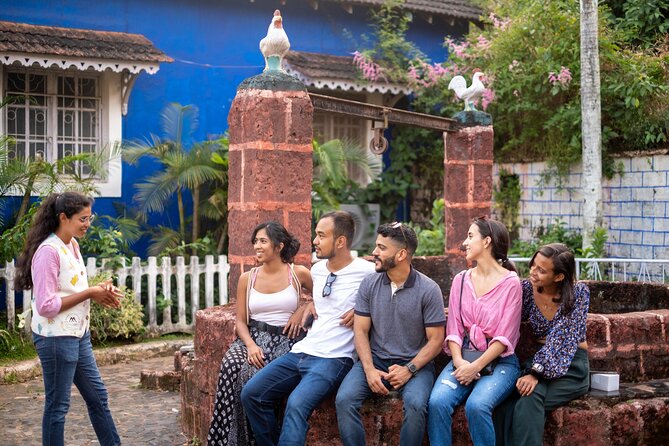
If your Goa plan is mostly beaches and seafood, this tour gives you a different angle on the state. Fontainhas is Panaji’s historic Latin quarter, shaped by Portuguese rule and the local communities that kept going long after the dramatic political chapters ended. It sits at the foot of Altinho hills, with springs on the west side—yes, that is where the Portuguese name for little fountain comes from.
On this walk, you are not just passing pretty buildings. You are learning how the neighborhood’s geography, architecture, and everyday life fit together—why the houses look the way they do, why some features survived intense development, and what that means now. It feels like getting an illustrated map, except the map is standing in front of you.
You can also read our reviews of more walking tours in Goa


What’s Included for $12.27: Value You Can Actually Feel

At about $12.27 per person, this is one of those Goa activities where the value is in what is bundled. You get more than a guided walk: you also get heritage-building entry, tastings, and a music performance.
Here is what that means in real life:
- You spend less time hunting for snacks and more time staying with the story.
- Entrance fees are already handled, so you avoid that let’s-figure-it-out moment mid-tour.
- The food stop is tied to local traditions, not just convenience.
You will receive a mobile ticket, which is perfect if you are bouncing between spots and hate printing anything. And since it is a walking tour, you also keep the pace flexible—no waiting for a car, no traffic detours, no guessing where you will park.
The Tour Route in Plain English: Where It Starts and Ends
The meeting point is Panjim Post Office, in Patto Colony, Panaji. The tour ends back at the meeting point, so you can plan your next activity knowing you will return to the same starting area.
This matters more than it sounds. When a tour does not loop back, you can lose half your time just getting yourself home. Here, the “return to the start” structure helps if you are also trying to squeeze in dinner plans or another museum visit.
One practical note: a couple of people had issues related to address recognition around the meeting point. The fix is simple—double-check the exact location on your map app the day before, and arrive a few minutes early so you are not racing daylight.
Stop 1: Fontainhas at Altinho Hills and Those Color-Covered Streets
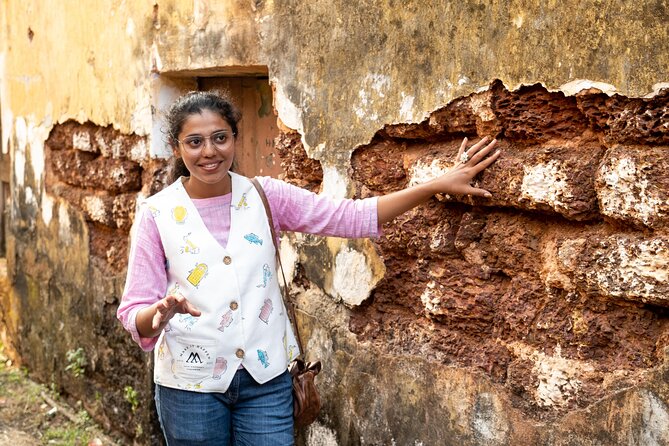
Your main focus is Fontainhas, the oldest and largest Latin quarter in Asia (a detail often highlighted by guides and described in the tour narrative). The neighborhood is wrapped by the Altinho hills, and that “little fountain” origin story connects geography to name in a way that is easy to remember.
When you walk through, keep an eye out for the signature look:
- Houses dressed in yellow, green, and blue
- Balconies with wrought-iron railings
- Tiled roofs and Portuguese-style details
The big payoff here is that the restored facades are not just decoration. They are part of how the Latin quarter survived development pressure in the 21st century—at least in pieces—and how Panaji kept layers of Portuguese influence visible.
Is there a downside? Yes. Since this is one focused neighborhood walk, you are not going to see every corner of Panaji in one session. If your goal is a broad “first day in Goa” sweep across many districts, you might find this tour a bit narrow. But if your goal is to understand one place deeply, the route choice is the whole point.
Goan Bakery Break: Snacks, Sweets, and Why This Stop Matters
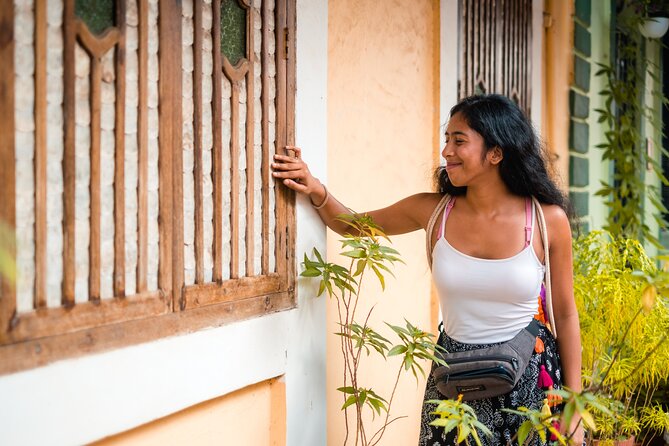
This tour includes tastings of traditional Goan sweets, plus a soda or healthy local non-alcoholic beverage. People tend to remember this part because it changes the pace of the walk and makes the cultural story tasteable.
Goan bakery culture is not just about dessert. It is also about history, trade, and day-to-day life under Portuguese influence and after. When a tour ties sweets to the surrounding buildings and streets, you start connecting flavors to place instead of treating snacks as a separate errand.
If you have a sweet tooth, you are likely to enjoy the stop. If you do not, the good news is that this break is generally short and the tour keeps moving—so you are not stuck waiting forever while everyone else finishes dessert.
You can also read our reviews of more historical tours in Goa






Live Music Performance: A Neighborhood That Sounds Like It Looks
One of the most praised elements is the music. The experience includes a music performance by a renowned Goan musician, and multiple groups highlight it as a highlight of the walk.
In practice, it gives you a change of mode. You go from looking at architecture to listening to the kind of Portuguese-influenced, local interpretation that Goa does so well. It is also a friendly way to meet the neighborhood through the senses instead of only through facts.
Timing affects how this feels. Some people specifically love evening starts because the air cools down and the mood becomes more relaxed, which makes the listening segment even easier to enjoy.
Guide Quality: Why Storytelling Makes or Breaks This Walk
This is a small-group format (max 15 mentioned in the experience description, and the broader max is listed as 20). That size is not just comfort—it changes the whole dynamic of the tour.
With fewer people, the guide can:
- Keep the group together on narrow lanes
- Answer questions without turning the tour into a debate club
- Maintain a steady narrative thread
In the past, names like Calvin, Alita, Shreeya, Trancy, Hinaz, Mugdha, Joan, Rachana, and Petulla have shown up in group experiences tied to clear, attentive storytelling and good pacing. You can treat that as reassurance that the tour leans on narration and atmosphere, not dry recitation.
A caution, though: one or two negative comments complain about long, slow stretches where guests were standing in heat or where the story drifted off track. That is not something you can control as a guest, but you can control your comfort level—see the timing advice below.
Timing Advice: Choose the Cooler Hours and Bring Sun Armor
Goa heat is real. Even if the buildings look cool, you can still end up baking while you listen.
One review flagged late March as too hot and mentioned time spent in the sun to hear the stories. Another comment praised a 6pm start for cooling down, which makes a strong case for booking an evening slot when possible.
So my practical advice:
- If you can pick between start times, choose the later one.
- Bring a hat and sunscreen. Even a short break from walking can still leave you exposed during stops.
- Carry water, even though snacks and a drink are provided. Staying hydrated keeps you from getting cranky, which makes the tour better for everyone.
Who This Is Best For (And Who Might Not Love It)
This tour fits you best if you want to understand Panaji beyond beaches and Instagram corners. You will probably like it if you enjoy:
- Architecture with context (not just photo angles)
- Culture you can taste (sweet stop)
- Local music you can sit with for a few minutes
It is also a good choice if you like small groups and clear guidance. People often highlight that the walk is not too taxing, including for older family members.
Who might skip it? If you want a wide-ranging, multi-neighborhood city tour in one go, this will feel focused. And if you hate listening-heavy experiences during heat, plan around that by picking cooler hours and using sun protection.
Should You Book the Fontainhas Heritage Walk?
I think you should book it if you want a low-cost, high-signal cultural hit in Panaji. For roughly the price of a decent meal, you get heritage-building entry, traditional sweet tastings, and a live music moment inside Fontainhas—so the tour delivers more than a walk and more than a photo stop.
It is especially worth it as a first or second visit to Panaji, when you want orientation fast and you care about what Portuguese influence did to the city’s look and daily life. If your trip is already packed with museums and guided history elsewhere, this may still be a good change of pace because the streets themselves do the teaching.
Go for it with one mindset: you’re signing up for a story-led neighborhood walk, not a speedrun. Pick a cooler time if you can, arrive on time at Panjim Post Office, and you will likely leave with a much clearer feel for what makes Fontainhas distinct.
FAQ
How long is the Fontainhas Heritage Walk?
It lasts about 2 hours 30 minutes.
Where does the tour start?
The start point is Panjim Post Office, Patto Colony, Panaji, Goa 403001, India.
Is this tour mainly walking?
Yes. It is a walking tour, and it is best suited to mobile travelers.
How big is the group?
The experience is described as a small-group tour, with a maximum of 15. Another detail lists a maximum of 20 travelers.
What food and drinks are included?
You get tasting of traditional Goan sweets plus a soda/pop and a healthy local non-alcoholic beverage.
Does the tour include heritage building entry fees?
Yes. Entry to non-residential heritage buildings is included.
Is private transportation included?
No. Private transportation is not included.
Is a mobile ticket used?
Yes, the tour uses a mobile ticket.
What if the weather is bad?
This experience requires good weather. If it’s canceled due to poor weather, you’ll be offered another date or a full refund.