REVIEW · GOA
Heritage Houses of Goa-Chandor by Soul Travelling
Book on Viator →Operated by Soul Travelling · Bookable on Viator
Chandor’s old houses are a great Goa change-up. This Heritage Houses of Goa – Chandor tour takes you past the town’s most striking Indo-Portuguese architecture with a live guide and a steady story flow. Guides like Tavanya (and others such as Rajat and Heidi) turn details into an easy timeline you can follow, starting at the church and ending with a short break by the river.
Two things I like a lot: you get all entry fees handled for you, so you’re not stopping mid-walk to sort tickets, and you’re traveling in a small group (max 15), which makes the Q&A feel real instead of rushed. I also like that the tour includes local Goan snacks at the end, which is a simple comfort at the 3:30 pm start time.
One drawback to consider: you need your own transport to get between stops, and bottled water isn’t included, so plan to carry what you’ll need.
In This Review
- Key highlights worth knowing
- Chandor’s heritage homes: the Goa you don’t see on postcards
- Starting at Igreja de Nossa Senhora de Belém (3:30 pm): get your bearings fast
- Stop 1: Nossa Senhora de Belém Church as the story primer
- Stop 2: Fernandes House and the Indo-Portuguese home details you’ll actually notice
- Stop 3: Kushavati River break with legend and a breather
- Local snacks included: a small comfort that improves the whole experience
- Price and value: why $17.84 works when entry fees are included
- Logistics that can trip you up (and how to handle them)
- Who this Chandor heritage walk is perfect for
- Final call: should you book Heritage Houses of Goa – Chandor?
- FAQ
- How long is the Heritage Houses of Goa – Chandor tour?
- What time does the tour start, and where is the meeting point?
- How many people are in a group?
- What’s included in the price?
- Do I need my own transportation during the tour?
- Is bottled water included?
- Can I get a full refund if I cancel?
Key highlights worth knowing
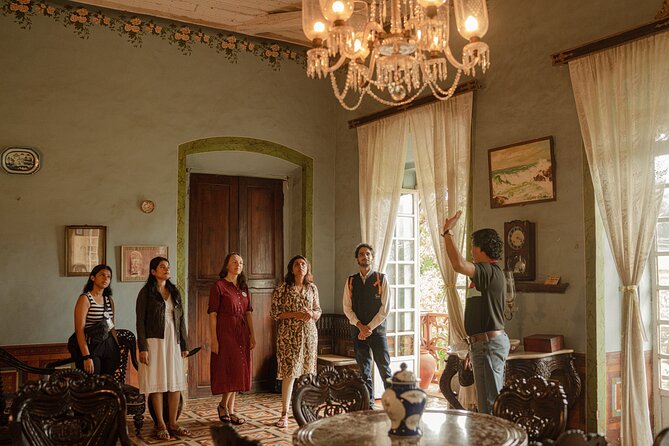
- Fernandes House stop focuses on Indo-Portuguese home design and the blend of influences behind it
- Small group of up to 15 keeps the walk personal with real attention from your ambassador
- Snacks included at the end of the tour, so you’re not stuck hunting for food afterward
- All entry fees covered for the paid stops, which adds real value
- Kushavati River gives you a short, relaxing pause plus local legend storytelling
Chandor’s heritage homes: the Goa you don’t see on postcards
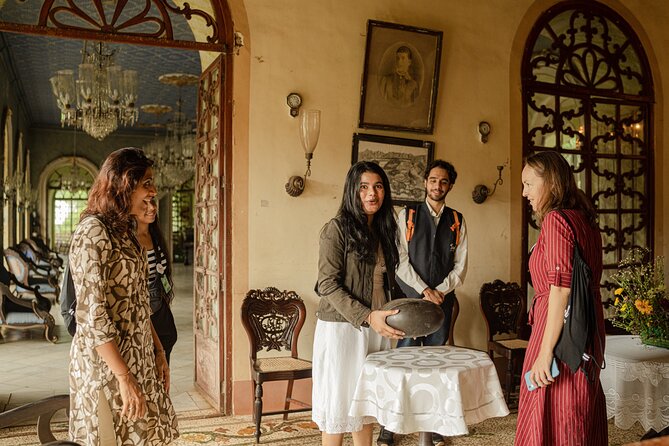
If you’ve only been thinking of Goa as beaches and parties, this tour is a smart correction. Chandor (Goa’s erstwhile capital) is where you can read the island’s past in the built environment. Instead of big, loud sights, you get a calmer pace and architecture that shows how cultures mixed over time.
The standout here is the Indo-Portuguese look: think palatial homes, religious pluralism, and everyday spaces shaped by different traditions. Your guide doesn’t just point at buildings. They explain what to notice—how religious and cultural influences show up in house design and shared local life.
This is also a great choice if you travel with anyone who’s not into long museum days. The duration is only about 3 to 4 hours, and the stops are spaced so you’re not slogging all afternoon.
You can also read our reviews of more historical tours in Goa


Starting at Igreja de Nossa Senhora de Belém (3:30 pm): get your bearings fast
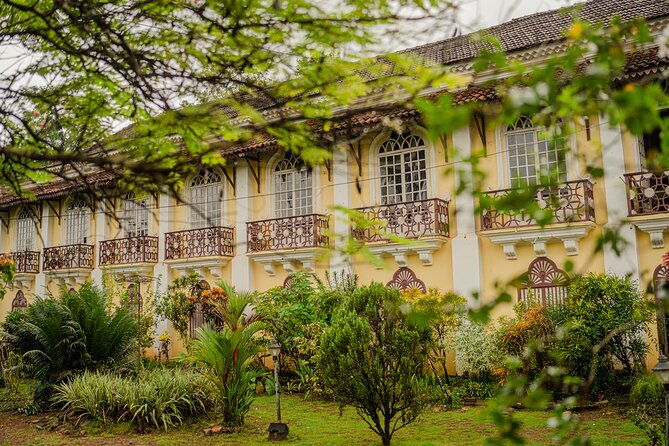
The tour meets at Igreja de Nossa Senhora de Belém in Chandor, starting at 3:30 pm. That timing matters. You’re visiting in the late afternoon window, when the light is often more forgiving for photos and you’re not fighting midday heat all day.
This first stop is also where the guide sets expectations. You spend about 10 minutes here, and it’s less about lingering and more about context. You’ll get an intro to Chandor as a town, what the church represents, and how the surrounding heritage houses fit into the story.
Practical tip: arrive a few minutes early so you can find the exact meeting spot easily and start the walk with zero stress. The meeting point is listed as near local public transportation too, which can help if you’re using a bus or shared ride to reach the area.
Stop 1: Nossa Senhora de Belém Church as the story primer
At the church, the guide uses the building as a reference point for everything that comes next. You learn how Chandor’s heritage connects to the wider Portuguese-era presence in Goa, and you get a quick framework for reading the homes you’ll see afterward.
Even if churches aren’t your usual thing, this works because you’re not getting a generic lesson. You’re using the church as a map for understanding the town. That makes the later house visit land much harder.
The church stop includes the admission ticket, so you won’t need to track down cash or tickets on arrival. That’s a small detail, but it keeps the flow of the walk intact.
Stop 2: Fernandes House and the Indo-Portuguese home details you’ll actually notice
The Fernandes House is the headline moment of the experience. You spend about 30 minutes inside on a guided visit, and it’s one of the older palatial houses in Chandor.
What makes this stop valuable is the way the guide talks about the house as a living artifact, not just a pretty exterior. You’ll hear about the blend of Hindu and Portuguese influences, plus how that shows up in the layout and feel of the home. In other words: you’re not only looking at architecture—you’re learning how people lived with mixed cultural influences around them.
The guide also tends to point out the kinds of details that most people miss when they pass a heritage building without explanation. That includes the religious-pluralism angle and the types of artifacts and lifestyle cues that help you build a picture of daily life in that era.
If you love architecture, this is where you’ll slow down mentally. If you’re more into stories than design, this still works because the home is explained through real cultural connections, not abstract dates.
Tip: wear comfortable clothes and shoes that can handle uneven ground. You’re not spending hours here like a full museum visit, but you do want to move confidently from stop to stop.
Stop 3: Kushavati River break with legend and a breather
After the house visit, the tour adds a softer moment: Kushavati River. It’s about 20 minutes, and it’s listed as admission free.
This isn’t a random scenic pause. Your guide shares local stories tied to the river, including a legend about a curse on the village, told by the ambassadors guiding the walk. It’s a change of pace from architecture—more folklore, atmosphere, and a chance to reset.
If you get tired halfway through sightseeing, this stop is helpful. It’s short enough to keep you energized, and it breaks the pattern of only looking at built structures. For many people, it’s the stop that makes the experience feel more like a true walk through a living town rather than a checklist.



Local snacks included: a small comfort that improves the whole experience
The tour includes local Goan snacks. These are provided at the end, which is a smart move for a 3:30 pm departure. You’re usually hungry by then, especially if you’ve been out exploring or not eating a full early lunch.
It’s also part of the value. For $17.84 per person, you’re not only paying for guided narration and entry fees. You’re also covering the basic snack need that would otherwise turn into a last-minute stop for something overpriced or inconvenient.
What to remember: bottled water isn’t included, so if you tend to drink a lot during walks, bring your own or plan to buy water nearby before or after.
Price and value: why $17.84 works when entry fees are included
At $17.84 per person, this tour is priced low enough that it doesn’t feel like a big commitment, but high enough to include meaningful parts that most DIY plans would cost you.
Here’s what you’re getting for the price:
- Guided tour with narration through the stops
- All entry fees and taxes (for the paid sections)
- Snacks included
- Small group size up to 15
- Mobile ticket (so you’re not juggling paper)
The two big value wins are the entry fees included and the small-group guidance. When heritage homes charge for entry, it’s easy for the cost to quietly rise if you plan this yourself. Here, it’s handled. And with smaller groups, your guide can answer questions about the cultural blend and house details without the tour turning into a hurry-up conveyor belt.
The main thing you’re still responsible for is transport. The tour notes that you’ll need your own transportation to get around. So if you’re already staying nearby or using local rides, the cost-benefit stays strong. If you’re far away and will need repeated taxi trips, your total expense rises.
Logistics that can trip you up (and how to handle them)
This tour runs about 3 to 4 hours and starts at 3:30 pm. It ends back at the meeting point, which simplifies the finish.
You should know these practical points:
- You’ll need your own transport between stops. The tour does not include transport.
- Bottled water isn’t included, so plan ahead.
- Expect a walk-through style experience rather than a long museum-style sit-down day.
- Maximum group size is 15, so it’s not a huge crowd experience.
Because the meeting point is near public transportation, you can often get there without needing a private car. Still, once you’re at the church, you’ll want a plan for moving to the house and the river area.
For comfort: wear shoes you trust. Heritage areas can have uneven paths, and you want to focus on the story, not on balancing.
Who this Chandor heritage walk is perfect for
This is a great fit if you like:
- Architecture with cultural meaning, not just architecture for photos
- Religious and cultural blend stories (Hindu and Portuguese influences in the home design)
- A slower Goa option that’s not beach-centered
It also works well for people who appreciate short, focused stops. The tour doesn’t try to cram in everything. It picks a church for framing, one standout palatial home, and then the river for mood and legend.
You might skip it if you want a full-day plan with meals included or if you strongly prefer tours where everything is covered end-to-end (including transport and water). Here, you bring your own basics.
Final call: should you book Heritage Houses of Goa – Chandor?
If you want Goa beyond beaches, this is an easy yes. The combination of guided Indo-Portuguese heritage homes, included entry fees, and a friendly small-group pace makes it feel like good value instead of a basic walking tour.
Book it especially if you enjoy getting the meaning behind buildings and want a town experience that feels more local than typical sightseeing circuits. If you can handle bringing your own water and arranging transport between stops, you’ll likely love how the day flows from church context to the Fernandes House details and then out to the river stories.
FAQ
How long is the Heritage Houses of Goa – Chandor tour?
It lasts about 3 to 4 hours.
What time does the tour start, and where is the meeting point?
It starts at 3:30 pm at Igreja de Nossa Senhora de Belém, 726V+HVP, Villa Formosa, Chandor, Goa 403714, India.
How many people are in a group?
The tour has a maximum of 15 travelers.
What’s included in the price?
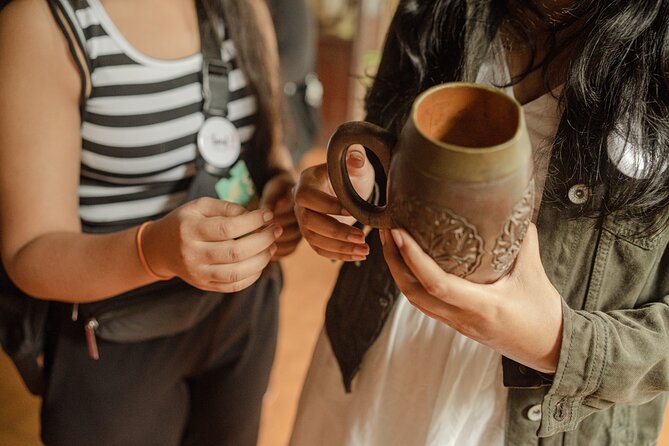
The tour includes guided tour, local Goan snacks, all entry fees and taxes, and Soul Travelling goodies.
Do I need my own transportation during the tour?
Yes. The tour notes that you will need your own transportation to get around.
Is bottled water included?
No. Bottled water isn’t included.
Can I get a full refund if I cancel?
Yes. You can cancel up to 24 hours in advance for a full refund. If you cancel less than 24 hours before the start time, the amount paid is not refunded.