REVIEW · GOA
Campal Heritage Walk by Make It Happen
Book on Viator →Operated by Make It Happen · Bookable on Viator
Campal has a way of slowing you down. This Campal Heritage Walk by Make It Happen takes you through one of Panaji’s most distinct planned neighborhoods, with riverfront scenery along the Mandovi and St Inez Creek, plus history shared by local storytellers. I especially like the way the walk mixes architecture and everyday life, and the included break with refreshments so it doesn’t feel like a nonstop lecture. One thing to consider: it’s a walking experience, and it needs good weather to run well.
If you want something more personal than a bus tour, this fits. The small-group feel (up to 30 people) and the meet-and-chat focus make it easier to ask questions about what you’re seeing—like how Campal’s grid-like street plan shapes daily life. The main practical drawback is that the Panaji Kala Academy stop lists admission as not included, so you may pay a little extra depending on what’s required on the day.
In This Review
- Quick hits before you go
- Campal Heritage Walk: a planned neighborhood with real river edges
- Your walking start at Panaji Kala Academy (and why it matters)
- Walking Campal’s grid streets, ornate railings, and house-by-house character
- Mandovi views, local life stories, and the human scale of “heritage”
- Sodas included, plus live music when the day lines up
- How the 2-hour format works in real time
- Price and value: what $12.31 gets you (and what might cost extra)
- Who should book this Campal Heritage Walk (and who might want something else)
- Tips to make your Campal walk more meaningful
- Should you book Campal Heritage Walk by Make It Happen?
- FAQ
- How long is the Campal Heritage Walk?
- Where does the tour start, and where does it end?
- What time does the tour begin?
- Is admission to Panaji Kala Academy included?
- What’s included in the tour price?
- Is the tour affected by weather?
Quick hits before you go
- Start at Panaji Kala Academy for a cultural context boost right away (designed by Charles Correa; started in Feb 1970).
- Campal’s planned grid streets and self-sufficient residential blocks give you a rare look at how the neighborhood was designed to function.
- River-edge views near the Mandovi and St Inez Creek help you connect architecture to real place.
- Sodas/pop are included, so you get a built-in refreshment break.
- Live music can be part of the experience, adding a Goan touch beyond sightseeing.
- Small group size (max 30) keeps the pace comfortable and conversation possible.
Campal Heritage Walk: a planned neighborhood with real river edges
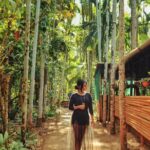
Campal is part of Panaji that feels intentionally made—less touristy, more lived-in. As you walk, you get the sense of a neighborhood built around daily usefulness: a grid iron street pattern, fully residential compounds, and houses designed to meet their own needs. And because this area connects to the Mandovi River and the St Inez creek, you’re not just looking at buildings. You’re watching the river-breath of the city.
What makes this walk worth your time is the balance: you get a cultural anchor at Panaji Kala Academy, then the route moves into neighborhood details—roads, compounds, railings, and building styles—so the stories don’t float in the abstract. Guides like Trancy, Rachana, and Vimala show up by name in past tours, and you can see the emphasis on explanation and conversation, not just walking.
The vibe here is also easygoing. The tour is about 2 hours, and it moves at a pace that works for most people. If you’re the type who likes to stop and ask, you’ll probably enjoy how the “meet the locals” part is part of the structure, not an afterthought.
You can also read our reviews of more walking tours in Goa

Your walking start at Panaji Kala Academy (and why it matters)
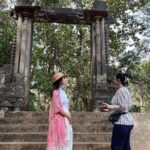
You begin at Kala Academy in Panaji, and it sets the tone fast. This isn’t just a random stop—it’s a prominent cultural center run by the Government of Goa. It’s registered as a society and was started in February 1970.
The building itself was designed by Charles Correa, and that detail matters because it gives you a “why this building exists here” context. Even if you don’t know his work yet, you’ll be looking at the space with better questions in mind: What role does a cultural center play in a neighborhood like Campal? How does art and public life connect to the planning around it?
Timing-wise, this stop is around 20 minutes, and the admission ticket is not included. That means you should treat the Academy stop like a place where you might have a small extra cost, depending on what’s required at the time you visit.
Practical tip: arrive a few minutes early so you can meet up, get oriented, and start the tour without feeling rushed. With a meeting point at Kala Academy (403001), it’s a straightforward start.
Walking Campal’s grid streets, ornate railings, and house-by-house character
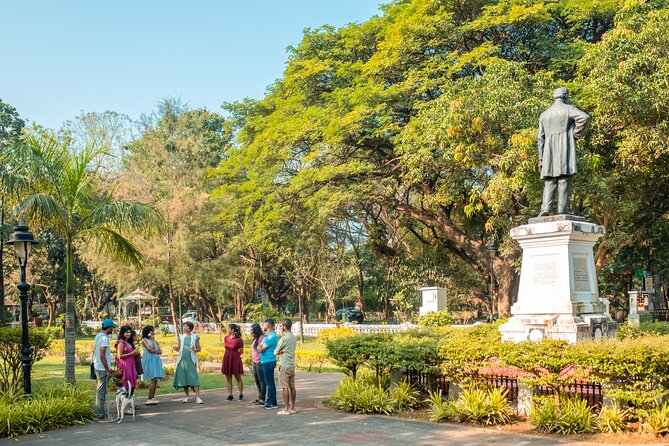
After the Academy, you shift into the heart of what makes Campal interesting: the neighborhood’s design and how that design shows up on the ground.
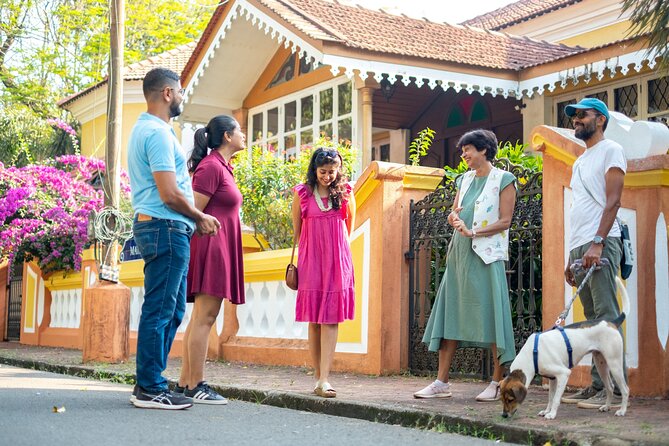
Campal’s street pattern is described as grid iron, and the key detail is that it’s not just a grid for convenience. It’s tied to the character of the area—residential houses that are fully self-sufficient in their needs and demands. You’ll notice that the walk isn’t about monuments at every corner. It’s about the rhythms of daily space: well-tarred roads, parking spaces, and compounds that feel like they have their own boundaries and identity.
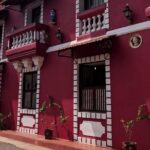
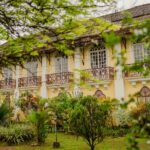
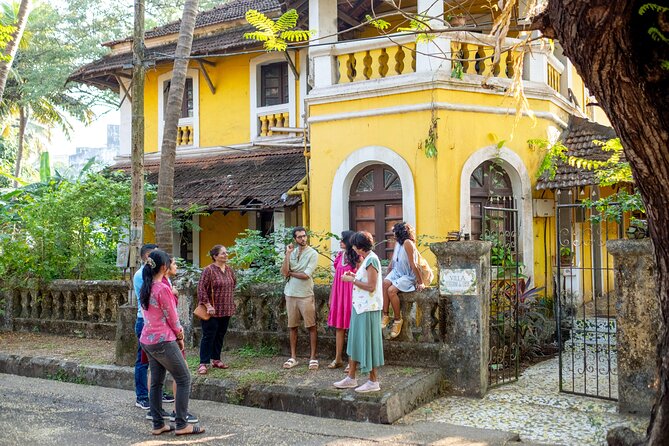
One of the most memorable elements you’re guided toward is how different houses can be even within the same planned area. The tour highlights that every house has its own character, with construction that uses a distinct technology. You’ll also hear about the ornamental touch: compounds housed with railings carved in stones.
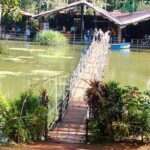
Then there’s the river system. This area is where the St Inez creek joins the Mandovi River, and the walk points out how modernization and economic growth can create problems for the environment and local life. The value here is that you get to see the relationship between development and water-adjacent neighborhoods instead of treating the river as just a scenic backdrop.
Stop length here is about 30 minutes, and entry for the Campal area itself is free. So you’re paying for the storytelling and the route—not an attraction fee every step of the way.
Mandovi views, local life stories, and the human scale of “heritage”
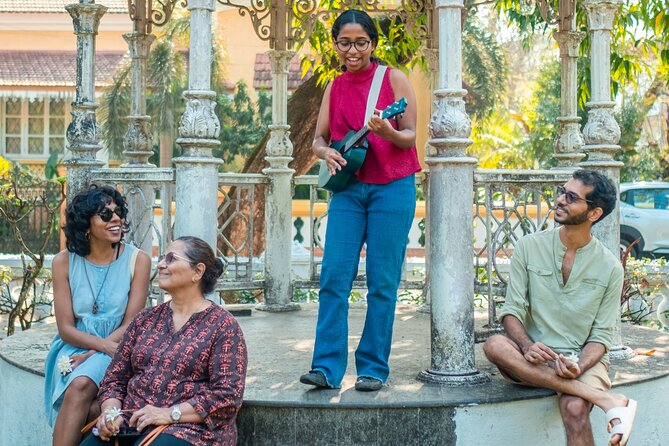
A common complaint with heritage tours is that they can turn into a checklist: here’s a building, here’s a date, move on. This walk feels different because the emphasis stays close to people and place.
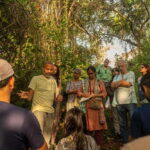
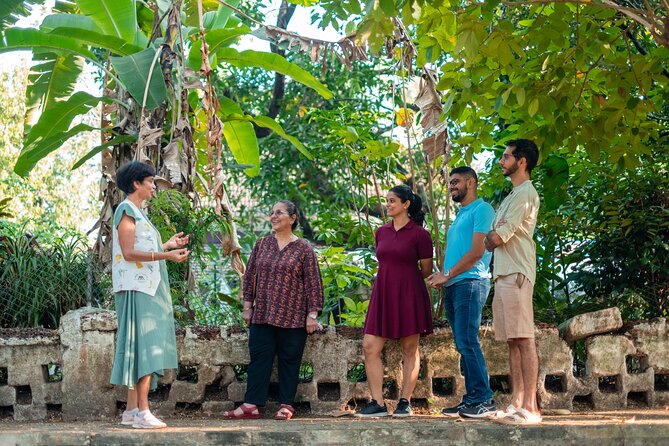
The “meet the locals and gain an insight into everyday life” part isn’t vague. It’s woven into the walking approach, and it lines up with what Campal’s design suggests: a neighborhood meant for everyday living rather than a staged tourist scene. You’re not being pushed past doors just to prove you went somewhere. Instead, you’re being shown how the neighborhood functions—what the layout supports, and where change brings stress.
And because the route connects to the river edges, your brain keeps linking the stories to physical cues. When you hear about the impact of modernization, you’re already looking at the kind of area where water and built space interact. That makes the information easier to hold on to.
If you like history that has consequences—not just dates—you’ll probably appreciate that the walk doesn’t hide the tension between old neighborhood identity and newer pressures.
Sodas included, plus live music when the day lines up
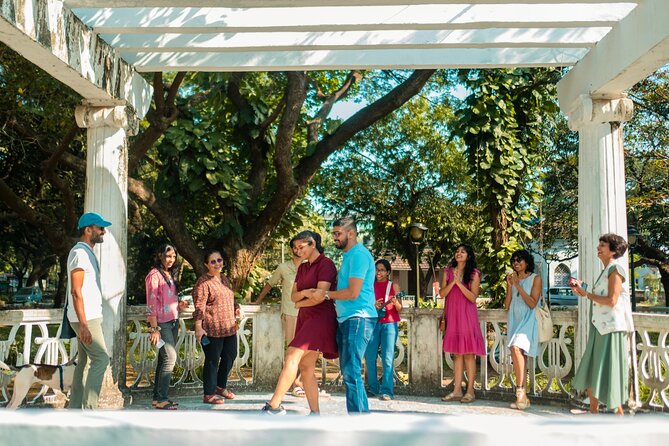
You get a refreshment break built into the experience: soda/pop is included. That’s not just a perk. In a two-hour walk, a planned pause keeps the tour from feeling like a steady march. It also gives you an easy moment to chat with your guide and ask follow-ups while you’re sitting instead of constantly listening while walking.
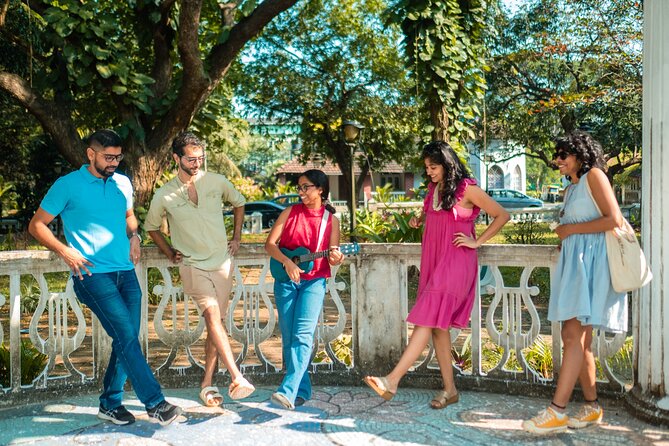
In past experiences with Make It Happen, this refreshment time has also been paired with live music. You may hear about Goan musicians performing during the tour, and the name Maxie Miranda has come up in that context. If live music is your kind of travel detail, you’ll likely find it adds real local flavor rather than feeling like an add-on.
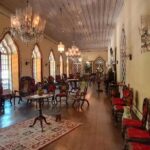
There’s also mention of enjoying refreshments in a heritage hotel setting during the walk. The key takeaway for you: plan for at least one rest moment that feels social and Goan, not just snack-and-go.
You can also read our reviews of more historical tours in Goa

How the 2-hour format works in real time
This is not a half-day production. It’s about 2 hours (approx.) from 10:30 am start, and it ends back at the meeting point at Kala Academy.
A few details that affect how it feels:
- Mobile ticket: you won’t be stuck handling paper confirmations.
- Maximum 30 travelers: you’re less likely to get lost in a big crowd.
- Near public transportation: you can reach the start point without planning a private ride.
- Most travelers can participate: it’s designed to be broadly workable for day-to-day visitors.
Weather matters. The experience requires good weather, and if it’s canceled due to poor conditions, you’re offered a different date or a full refund. So if you’re visiting during monsoon season, keep an eye on forecasts and be ready to be flexible.
What to bring: comfortable walking shoes, water for after the included soda break, and a light layer if the morning feels cool or windy near the river.
Price and value: what $12.31 gets you (and what might cost extra)
At $12.31 per person, this is priced like an efficient, local-style walking experience—not an all-in premium cultural package. For that cost, you’re getting:
- A guided walk focused on Campal neighborhood details
- Soda/pop included
- Time for meeting and interaction with the local community
- A structured route between Panaji Kala Academy and the Campal area
The main “watch this” item is that the Academy stop lists admission ticket not included. That means your final total could be slightly higher depending on whether the Academy requires a paid ticket during your visit.
Still, even with a possible add-on, the value holds because you’re paying for narrative, local contact, and a route that highlights specific neighborhood design features—grid planning, self-sufficient residential compounds, and building character—rather than generic city walking.
Also, there’s no private transportation included. That’s normal for a walking tour, but it’s worth knowing if you’re expecting the provider to handle everything end-to-end.
Who should book this Campal Heritage Walk (and who might want something else)
This walk is a great match if you:
- Like neighborhoods more than postcard landmarks
- Enjoy architecture details you can actually point to while walking
- Want a cultural story that ties into daily life
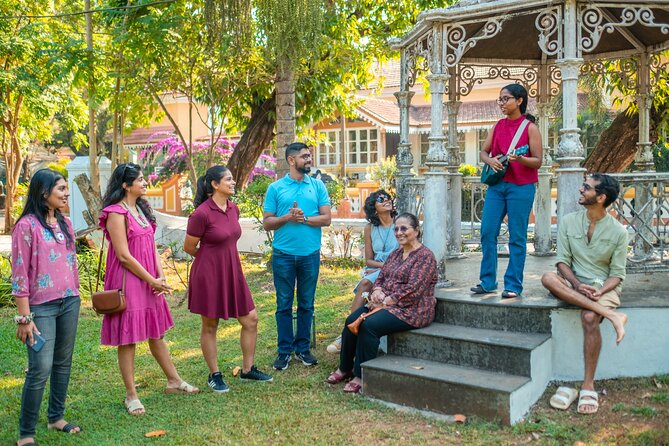
- Prefer small-group tours where questions feel welcome
It might be less of a fit if you:
- Want major museum time or lots of indoor sights
- Dislike walking in the open, especially if weather shifts
- Are chasing only the biggest famous attractions (this is more about planned neighborhood heritage than “top 10” sites)
Because the itinerary is short and focused, it’s also a smart add-on to a Panaji day. You’ll come away with a better mental map of Campal’s layout and why it feels different from other parts of the city.
Tips to make your Campal walk more meaningful
A few simple moves help you get more from this kind of guided neighborhood walk:
- Start with curiosity at Kala Academy. Ask what the Academy does for the area and how culture shows up in daily life.
- Keep an eye out for the “invisible design” cues—grid streets, compounds, railings, parking spaces, and how houses relate to the road layout.
- When your guide talks about modernization and economic growth near the creek and river edges, don’t treat it like a lecture. Look around and connect the words to what you see.
- If music is part of your date, give it your attention. It’s part of the cultural rhythm of the walk, not just background noise.
Should you book Campal Heritage Walk by Make It Happen?
If you’re visiting Panaji and want a neighborhood-focused experience that feels grounded in how people actually live, I think this is an easy yes. The price is reasonable for a guided two-hour route, sodas are included, and the route’s emphasis on Campal’s planned design—plus the Mandovi and St Inez Creek context—gives you a memorable “place makes sense” effect.
The only real reason to skip is if you don’t want to walk, or you’re only interested in big-ticket attractions. Otherwise, book it, wear shoes you trust, and lean into the stories. Campal rewards slow attention.
FAQ
How long is the Campal Heritage Walk?
It’s listed as approximately 2 hours.
Where does the tour start, and where does it end?
The tour starts at Kala Academy, Panaji, Goa 403001, India, and it ends back at the same meeting point.
What time does the tour begin?
The start time is 10:30 am.
Is admission to Panaji Kala Academy included?
No. The stop at Panaji Kala Academy lists admission ticket not included.
What’s included in the tour price?
Soda/pop is included, along with meeting and interaction with the local community.
Is the tour affected by weather?
Yes. The experience requires good weather, and if it’s canceled due to poor weather you’ll be offered a different date or a full refund.