
REVIEW · GOA
Goa: Heritage Trail of Portuguese Mansions & Museum
Book on GetYourGuide →Operated by Crossmiles Travel · Bookable on GetYourGuide
Portuguese mansions in South Goa, minus the crowds. On this heritage trail you get the Portuguese-era family home story in real rooms, not just photos on a screen, plus the Goa Chitra Museum’s 4,000+ artifacts that explain how Hindu and Catholic life mixed over centuries. I especially like that the day is designed around three different houses, each with its own personality and collection.
The best part for me is how personal it feels, because you often meet the people behind the homes. In one past group, the guide Stanley brought real passion for local history, and even coordinated extra stops like finding an ATM and picking up sugar cane drinks with help from driver Alvin. One thing to keep in mind: photography can be restricted in some homes, so plan to ask permission before you start shooting.
In This Review
- Key Highlights You’ll Actually Notice
- How This Six-Hour Heritage Trail Works in Real Life
- Figueiredo Mansion: A Jesuit-Era House Turned Family Museum
- Menezes Braganza House: 17th-Century Artifacts and a Library Mood
- Palácio do Deão by the Kushavati River: Hindu–Portuguese Blend and Gardens
- Goa Chitra Museum: 4,000+ Exhibits and Agrarian Tools
- Optional Lunch at Palácio do Deão or Figueiredo Mansion
- Price and Value: Is $76 Worth It?
- Guide and Driver Matter More Than You Think
- Pickup, Timing, and How to Avoid Day-of Friction
- Who This Tour Suits Best
- Should You Book This Portuguese Mansion and Museum Day?
- FAQ
- How long is the Goa Portuguese Mansions and Goa Chitra Museum tour?
- What does the $76 per person price include?
- Is lunch included?
- Which mansion houses are visited?
- How many exhibits are at Goa Chitra Museum?
- Where is the Palácio do Deão located?
- Can I take photos during the tour?
- What language is the guide?
- Where can the pickup happen?
- Is there a cancellation policy?
Key Highlights You’ll Actually Notice
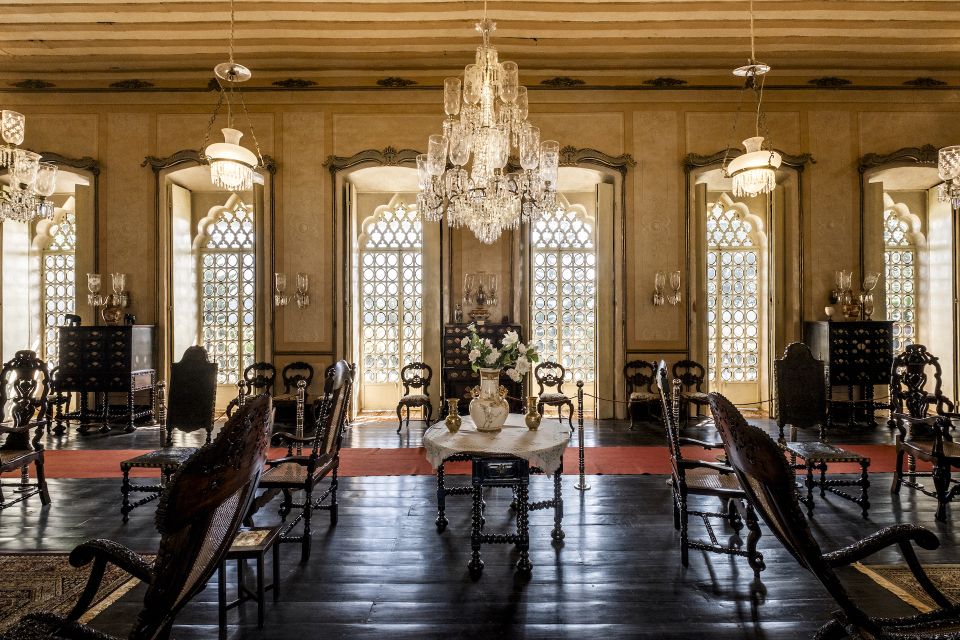
- Three mansion stops, three different vibes: Figueiredo, Menezes Braganza, and Palácio do Deão each show a different side of Portuguese-era Goa.
- A house visit that feels like a family museum: the Figueiredo Mansion includes a section turned into a museum, with the owner often sharing personal context.
- 17th-century furniture and portraits: the Menezes Braganza House leans art-loving, with a large library and family portrait collection.
- Goa Chitra Museum built with recycled materials: you see over 4,000 exhibits and learn about agrarian tools through the ages.
- Private, air-conditioned transport plus hotel transfers: hotel pick-up and drop-off keep the day smooth.
- Optional lunch at the sites: you can add a meal at either Palácio do Deão or Figueiredo Mansion (food isn’t included in the price).
How This Six-Hour Heritage Trail Works in Real Life
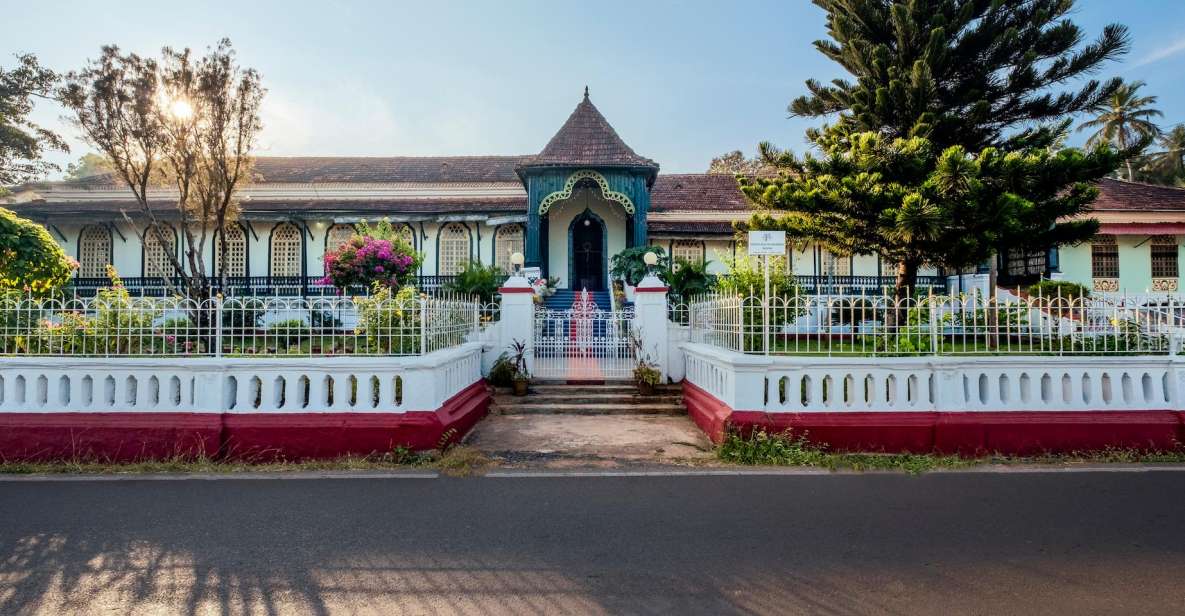
This is a private, guided sightseeing day focused on South Goa’s Portuguese and Goan heritage. You’ll cover three mansion visits and then finish at Goa Chitra Museum, with time built in for a calm pace through each property.
You’re not doing a sprint. Still, six hours is long enough that you’ll want comfortable shoes and a flexible mindset. You’ll move between houses, sit to listen, and walk through rooms where artifacts and architecture are the main event. If you’re hoping for beach time or markets, you’ll want a different day for that.
You can also read our reviews of more historical tours in Goa


Figueiredo Mansion: A Jesuit-Era House Turned Family Museum
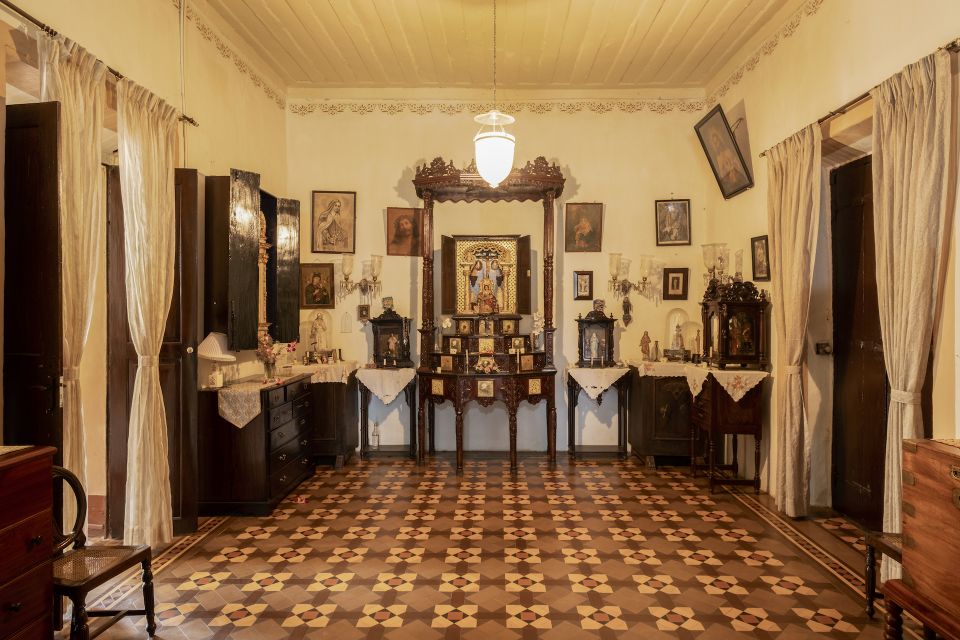
Your day starts at The Figueiredo Mansion, built in the 1590s by Jesuit priests for an influential Goan family that had converted faith. That detail matters, because it explains why the house doesn’t feel like a generic colonial-era postcard. It’s tied to a specific moment in Goa’s religious and social history.
A portion of the mansion has been converted into a museum to showcase the family’s prized belongings. What to look for here is the contrast between domestic life and public display. It’s still a home story, but shaped into a museum format so visitors can understand what the family valued and kept.
One highlight is the chance to meet the owner. In the kind of home where the family story is part of the visit, you often get context that you wouldn’t get from a standard plaque. In a previous group, the owner was described as friendly and genuinely passionate about family roots, with the ability to give a personalized tour. That’s the difference between seeing rooms and understanding why those rooms matter.
Practical note: some houses can restrict photography. I’d treat this as normal, not awkward. Ask first, and you’ll avoid the uncomfortable scramble.
Menezes Braganza House: 17th-Century Artifacts and a Library Mood
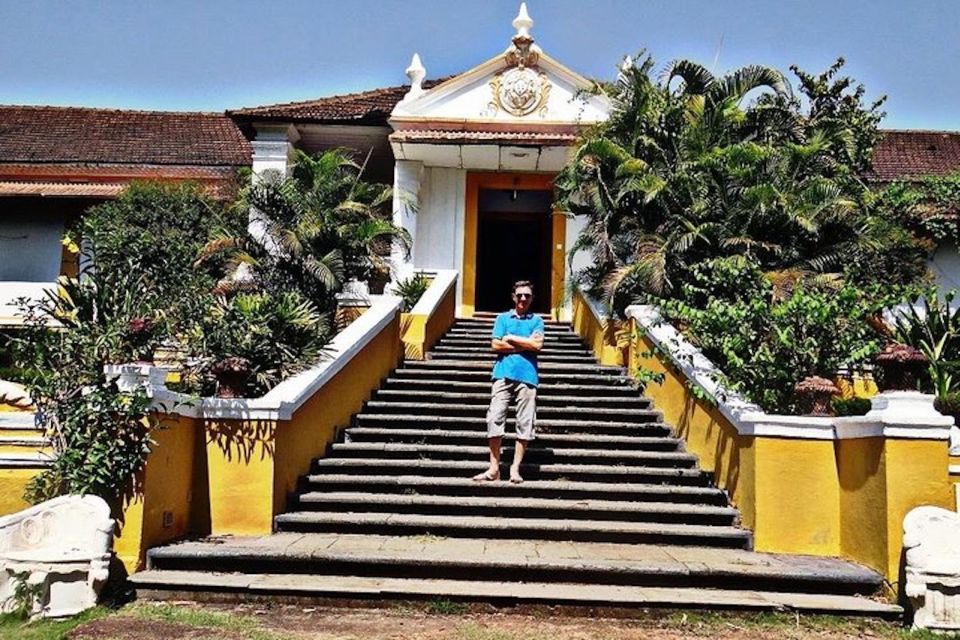
Next comes the Menezes Braganza House, where the key theme is age and refinement. The furniture and artifacts here date back to the 17th century, and it has the feel of a home arranged for display and reading rather than modern convenience.
Two things I’d put at the top of your list at this stop:
- The large library, which makes the home feel intellectual and personal.
- The collection of family portraits, which helps you connect the artifacts to real people and lineage.
If you like architecture, you’ll notice how the house supports a “lived-in museum” experience: rooms designed for daily life that later become settings for preservation. If you’re more into objects than rooms, you’ll still enjoy this stop because the descriptions focus on what’s kept, not just what’s old.
Again, photography rules can vary by house. If you’re keen to take pictures, ask at the start of the visit so you’re not repeating yourself later.
Palácio do Deão by the Kushavati River: Hindu–Portuguese Blend and Gardens
The third mansion is Palácio do Deão, located in a quieter area close to the Kushavati River. This is where Portuguese and Goan influences meet in a more visible way, because the house is known for an unusual blend of Hindu and Portuguese architecture.
What makes this stop feel different is the scale and the outside space. Palácio do Deão covers around 11,000 square feet, and it’s famous for well-maintained gardens. Even if you’re not the type who studies landscaping, gardens are part of the story here. They show how the house functioned as a property, not only as an indoor collection of valuables.
As you walk through, try to focus on “how the building reads.” You’re looking for the mix: where Portuguese styles show up, where local forms and influences shape the spaces, and how the overall house design supports a peaceful rhythm rather than a purely formal one.
If you’re traveling during humid hours, take a slower pace. Gardens are great, but they can also be a test of patience if you’re overheated. I’d plan to bring a light layer or at least be ready for warm sun.
Goa Chitra Museum: 4,000+ Exhibits and Agrarian Tools
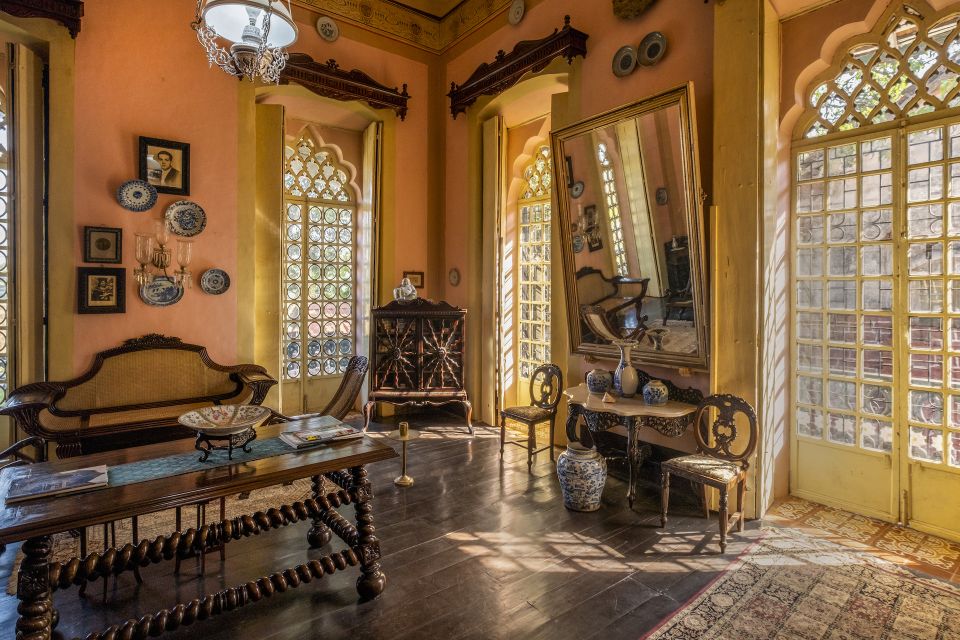
The final major stop is Goa Chitra Museum, built around Goa’s ethnography with an emphasis on how Hindu and Catholic influences show up in everyday life and community culture.
You’ll see a curated collection of over 4,000 exhibits. That’s a lot, so don’t try to “cover everything.” Instead, use the guide’s direction and focus on the themes that relate to how people lived. That’s where this museum becomes more than a storage room of artifacts.
Here’s what I think makes Goa Chitra special:
- The museum explains continuity, showing implements used by agrarian communities through the ages.
- It highlights preservation of Goan art and culture, not just decoration.
- The museum building itself was made using recycled materials from traditional houses that were demolished in the area.
That last point changes how you experience the museum. You’re not only viewing artifacts; you’re inside a structure built from the idea of reuse and cultural memory. It turns preservation into something you can physically feel.
If you want a good photo experience, ask the staff and guide about what’s allowed. Museums often have rules, and this one may restrict photography in certain sections.
You can also read our reviews of more museum experiences in Goa

Optional Lunch at Palácio do Deão or Figueiredo Mansion
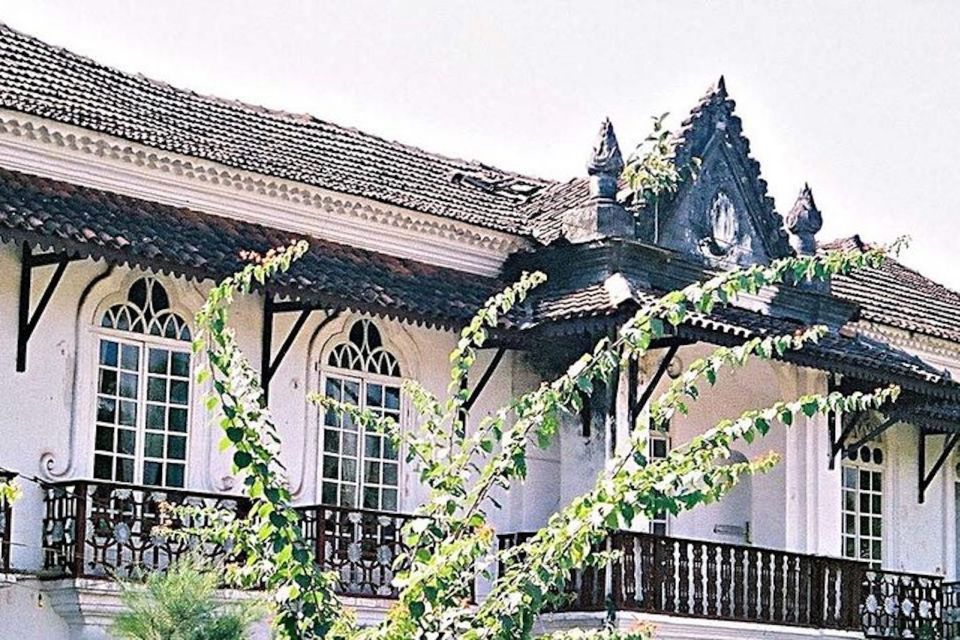
Lunch is optional, and it’s offered at either Palácio do Deão or The Figueiredo Mansion. Food and drinks are not included in the tour price, so think of lunch as a chance to slow down and eat in a heritage setting rather than a guaranteed included meal.
I like optional lunch models because you can decide based on hunger and pace. If you’re eager to keep momentum, you can skip lunch and move straight through. If you’d rather absorb the atmosphere, lunch at one of the sites can make the day feel more connected.
A practical tip: if you’re picky about timing, let your guide know early. When you have a fixed six-hour schedule, small timing changes can help you avoid feeling rushed inside the museum.
Price and Value: Is $76 Worth It?
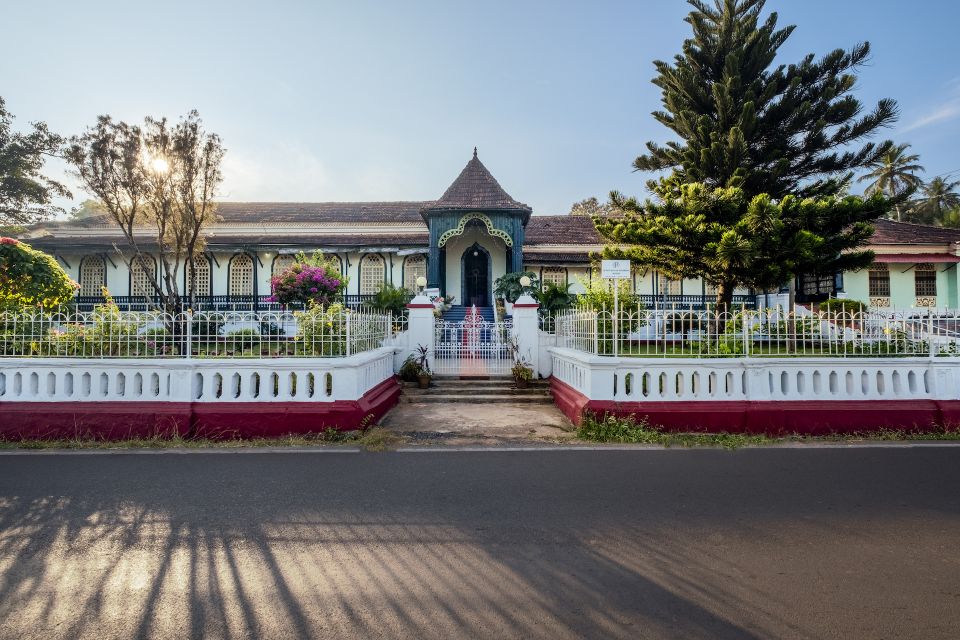
At $76 per person for about 6 hours, you’re paying for more than “a guide.” You’re paying for the full package: private air-conditioned car, hotel pick-up and drop-off, an English-speaking guide, and entrance fees to the houses and museum.
Here’s how that value adds up:
- Three mansion visits (each with its own collection and access to interiors).
- One museum visit with 4,000+ exhibits.
- Transfers that save you from figuring out timing and driving logistics on your own.
If you were to arrange transport and pay for each site separately, the total usually climbs fast. Even without comparing to other tours, this itinerary is unusually concentrated: you’re seeing multiple curated heritage interiors in one day, not only passing by exteriors.
The only “hidden” cost risk is lunch and drinks, since they’re not included. If you plan your day with water and a lunch budget, the price feels straightforward.
Guide and Driver Matter More Than You Think
This tour’s quality shows up in the human details. In one set of experiences, Stanley stood out as an excellent local guide with clear passion for local history. That kind of guide makes the facts land, especially when you’re moving between houses where every room has a backstory.
It also helps that driver Alvin went beyond the default. The group was supported with extra coordination for an ATM and sugar cane drinks. That’s not a typical sightseeing detail, but it’s the kind of small care that makes a cultural day feel easier.
If you’re booking this, treat your guide like a resource. If you need a specific stop for cash, refreshments, or a small timing adjustment, ask early. A good guide can’t always change everything, but being prepared and communicating helps.
Pickup, Timing, and How to Avoid Day-of Friction
You’ll get hotel pick-up and drop-off, and the tour can also pick up from Mormugao port cruise terminal car/coach or paging area and from airports including Goa Dabolim (GOI) and Goa Mopa (GOX). The key rule is simple: provide your complete pick-up address and be ready about 10 minutes before the scheduled time.
That “10 minutes early” thing sounds minor, but in Goa traffic and handoffs, it adds up. Arrive on time, and you’ll keep the day relaxed instead of stressful.
Also, since photography might be restricted, think about how you want to document the day. If you can’t take many pictures inside certain rooms, you’ll still get value from notes and the guide’s explanations.
Who This Tour Suits Best
This experience is a strong fit if you:
- Like architecture, interiors, and the human story behind old houses.
- Enjoy museums that explain how communities lived, not just how buildings look.
- Want Portuguese-era heritage in South Goa without the randomness of self-planning.
It’s also a good pick for couples and small groups who want private pacing. Since transport and entrances are handled, it works well if you’d rather spend energy listening than negotiating directions.
If your ideal Goa day is beach lounging, nightlife, or pure seafood hunting, this tour won’t replace that. It’s heritage-focused, and it rewards curiosity more than speed.
Should You Book This Portuguese Mansion and Museum Day?
I’d book this tour if you want a heritage day that feels structured but still human. The combination of three Portuguese-era mansions plus Goa Chitra Museum gives you variety: family collections, art and portraits, architecture blends, and then the broader community picture through 4,000+ exhibits.
I’d also book it if guide-led storytelling matters to you, because the standout praise centers on a passionate local guide like Stanley and that extra bit of care that makes the day smooth.
The main reason to pause is practical: photography restrictions in some homes, and a six-hour schedule that can feel full if you prefer long downtime. If you’re okay with asking permission and keeping a steady pace, the day is an efficient way to understand South Goa’s Portuguese-Goan heritage without guessing.
FAQ
How long is the Goa Portuguese Mansions and Goa Chitra Museum tour?
It lasts 6 hours.
What does the $76 per person price include?
It includes private air-conditioned car, hotel pick-up and drop-off, an English-speaking guide, and entrance fees to the houses and museum.
Is lunch included?
No. Food and drinks are not included, but you can choose an optional lunch at Palácio do Deão or The Figueiredo Mansion.
Which mansion houses are visited?
You visit The Figueiredo Mansion, Menezes Braganza House, and Palácio do Deão.
How many exhibits are at Goa Chitra Museum?
The museum focuses on Goan ethnography and features over 4,000 exhibits.
Where is the Palácio do Deão located?
It’s in a tranquil area close to the Kushavati River.
Can I take photos during the tour?
Photography may be restricted in certain homes. You should ask permission before taking pictures.
What language is the guide?
The guide is English-speaking.
Where can the pickup happen?
Pickup is from your hotel or accommodation lobby in Goa, and can also be arranged from Mormugao port cruise terminal car/coach or paging area, and from Goa Dabolim (GOI) or Goa Mopa (GOX) airports.
Is there a cancellation policy?
Yes. There is free cancellation up to 24 hours in advance for a full refund.