REVIEW · GOA
Waterfall & Plantation
Book on Viator →Operated by Crossmiles Travel Pvt. Ltd. · Bookable on Viator
Dudhsagar Falls feels otherworldly from the start. On this 7 to 8 hour outing in Goa, you’ll see the 310m Sea of Milk waterfall up close, then switch gears to a real working spice farm where tradition still drives the day. Dudhsagar Falls and the spice plantation both give you that Goan feel without needing to plan a thing.
What I like most is the way the day mixes big nature moments with small, human details. You’ll be in the Bhagwan Mahaveer Sanctuary and Mollem National Park area around the Western Ghats, then you’ll step into a spice farm experience that starts with an aarti, kumkum, and a garland of flowers before you even taste anything. The tone is personal, and the stops are long enough to matter.
One thing to think about: this isn’t just a sit-and-snap day. You’ll do walking right up to the falls area, and the tour also depends on good weather. If you or your travel group has limited mobility, plan carefully and choose footwear with grip.
In This Review
- Key points to know before you go
- Dudhsagar Falls: 310m Sea of Milk at the Goa-Karnataka border
- The jeep ride to Dudhsagar: jungle, riverbank, and real travel time
- Walking up to the falls: close-up views without pretending it’s effortless
- Sahakari Spice Farm: aarti, kumkum, herbal tea, and food on a banana leaf
- The full 7 to 8 hour rhythm: two 2-hour stops plus transfer time
- Price and value: what $140 includes and why it can work
- Guide impact: Joaquim, Gladys, Francis, and Brice make the day click
- Tips for a smoother day at Dudhsagar and the spice farm
- Who should book this tour, and who should think twice
- Should you book Waterfall & Plantation?
- FAQ
- How long is the Waterfall & Plantation tour?
- What’s included in the $140 price?
- Do I get pickup for this tour?
- How many people are in the group?
- Is moderate physical fitness required?
- What happens if the weather is bad?
Key points to know before you go
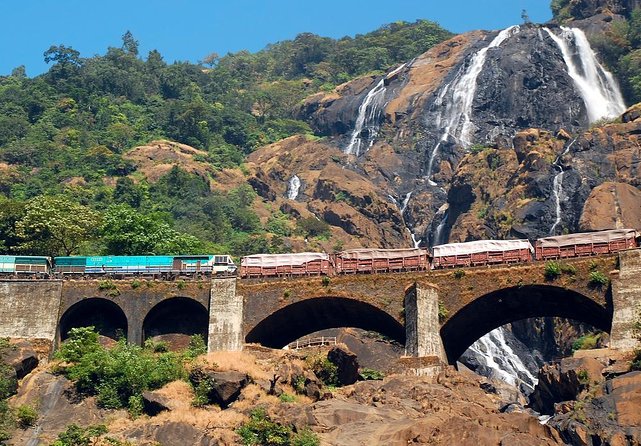
- Four-tier Dudhsagar Falls: 310m height and a width of about 30m, across the Mandovi River.
- Protected forest setting: the falls sit inside Bhagwan Mahaveer Sanctuary and Mollem National Park.
- Traditional welcome at the spice farm: aarti, kumkum, and a flower garland before herbal tea.
- Two main experiences, both with admission: each stop runs about 2 hours, and tickets are included.
- Small group size: up to 15 travelers, with a mini van on shared shore excursions.
- Time and weather matter: the day can feel long due to travel, and poor weather may require a change.
Dudhsagar Falls: 310m Sea of Milk at the Goa-Karnataka border
Dudhsagar Falls is famous for good reason. The name literally means Sea of Milk, and the look lives up to the nickname: it’s a four-tier waterfall, about 310m tall, with an average width around 30m. If you like scale, this is your stop.
The waterfall forms a border between states, with the falls located where Goa and Karnataka meet. It’s not just an isolated waterfall either. You’re in the Bhagwan Mahaveer Sanctuary and Mollem National Park region, part of the Western Ghats, which means you’re surrounded by forest and biodiversity rather than a paved sightseeing strip.
What’s special is that you’re not treated like you’re just passing by. You’ll spend time at the falls with an option that gets you close to the water area. Some visits include a short walk to the lake area underneath the waterfall, which is where the experience turns from viewing to standing there and feeling the spray.
Practical note: water and wet rocks are part of the deal. Wear shoes that can handle uneven ground. Even if the weather is good, the falls area can still feel slippery.
You can also read our reviews of more tours and experiences in Goa.


The jeep ride to Dudhsagar: jungle, riverbank, and real travel time
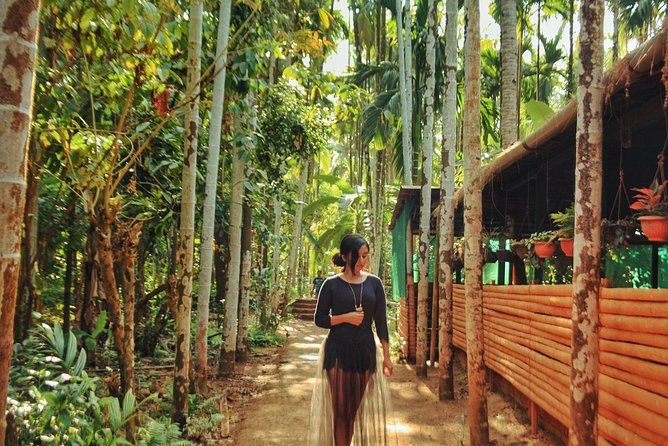
Getting to Dudhsagar is part of the story. Many days include a jeep ride to the waterfall area, with the route running along riverbank and through thick jungle. It’s not a city drive. It’s Goa’s interior, framed by greenery and big changes in scenery as you move toward the falls.
Now the honest bit: travel time is long. One of the best signals that you’ll enjoy the ride is whether you’re okay with a full day schedule. The route takes time, so you’ll want to treat this like a day trip with a bit of patience, not like a quick morning outing.
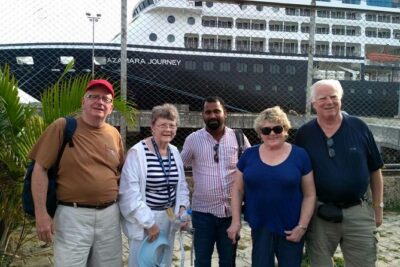
If you’re on a tight timetable, this matters. Guides on these tours have a track record of working hard to keep things on schedule, including for cruise-style return time pressure. That doesn’t make travel shorter, but it can make the experience feel smoother.
Bring what keeps you comfortable for a long transit window: water, sun protection, and a layer you can handle if the air changes near the forest and waterfall.
Walking up to the falls: close-up views without pretending it’s effortless
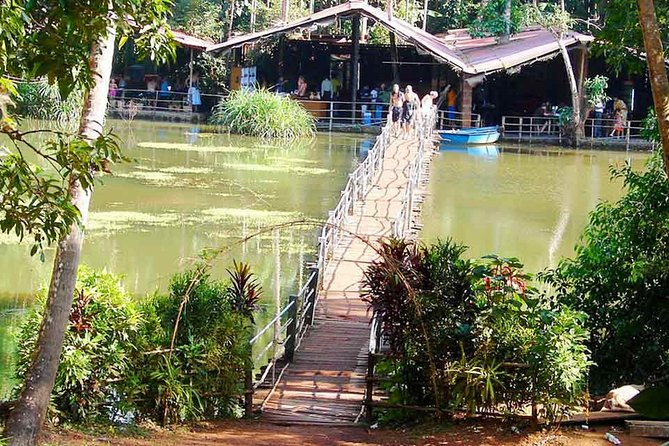
The best part of Dudhsagar is also the part you should plan for. This isn’t a totally flat, watch-from-a-deck setup. You should expect walking right up to the waterfall area.
That’s great for photos and for feeling the power of the falls. It’s also where your “moderate physical fitness” requirement becomes real. If you’re traveling with someone who moves slowly, the right approach is to go steady, keep an eye on footing, and count breaks as part of the plan—not as an emergency.
One of the most reassuring moments in the reviews is how guides can make the difference when someone in the group needs extra care. A guide named Gladys stood out for helping a grandmother-focused group feel supported. Another guide, Joaquim, was praised for guiding with historical facts and stories throughout, which helps pass the time and makes the day feel more intentional rather than rushed.
Sahakari Spice Farm: aarti, kumkum, herbal tea, and food on a banana leaf
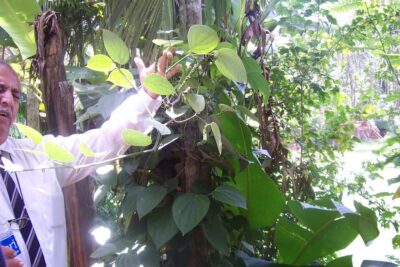
After the waterfall, you shift from roar and spray to scent and ritual. At the Sahakari Spice Farm, the experience starts with a traditional welcome: aarti, kumkum, and a garland of flowers. It’s a small moment, but it changes the whole tone. You’re not just touring plants; you’re participating in the farm’s cultural rhythm.
Next comes herbal tea. Again, it’s not a big add-on. It’s built into the experience flow, and it gives you a quick reset after the heat and walking of the falls area.
Then you’ll get healthy and nutritious food served in a traditional way on a banana leaf. That detail matters. A banana leaf meal isn’t just a fun picture—on many farms, it reflects how food has been served for generations, and it keeps the meal grounded in local practice rather than turning the whole thing into a generic show.
If you like learning how daily life connects to nature, this stop does that. Spices weren’t invented for tourism. They’re part of the local economy and routine, so you’ll feel the authenticity here more than you would on a purely staged attraction.
The full 7 to 8 hour rhythm: two 2-hour stops plus transfer time
The schedule is simple on paper: Dudhsagar Falls first, then the spice farm. Each main stop is about two hours. In total, you’re looking at roughly 7 to 8 hours once transport is included.
That structure helps because it gives you enough time at each place to actually experience them, not just snap a few photos and move on. But the trade-off is that you’ll spend a lot of the day in transit. This is a remote-feeling outing, and the drive time is part of the package.
Here’s the day-shaping advice I’d give you: treat this like a full-day outing. Eat before you set out, plan for a slower pace at the falls walk, and keep snacks and water handy. If you’re the type who hates waiting, bring a book or download offline music, because the road time is real.


Price and value: what $140 includes and why it can work
At $140 per person for a 7 to 8 hour tour, the value comes from what’s bundled in. Both main stops include admission tickets, so you’re not paying extra at each location. That alone matters in Goa, where separate tickets can quietly add up.
Also, you usually get pickup. On shore excursions (pickup from the port), this is treated as a group tour. On FIT-style bookings (pickup from hotel or the airport), it’s treated as private using a car. In shared cases, the group can be up to 15 people using a mini van.
Small group size is one of those boring details that pays off. Up to 15 people means you’re less likely to feel lost in a huge crowd, and it can make the guide’s attention feel more personal when you’re dealing with walking and timing.
So is $140 “cheap”? Not exactly. But for a day that combines a major waterfall experience plus a structured spice farm program with traditional welcome and included tickets, it’s priced like a real outing rather than a loose arrangement.
Guide impact: Joaquim, Gladys, Francis, and Brice make the day click
The best part of any day trip is how it’s guided. Here, the guides really come through.
Joaquim is singled out for endless historical facts and stories, which turns the jeep ride and waiting time into something you can actually enjoy. Instead of the drive feeling like dead time, it feels like you’re traveling with context.
Gladys gets praise for care and attentiveness. The takeaway is simple: when you have someone in your group who needs extra support, having a guide who notices and helps makes the difference between a stressful day and a workable one.
Francis and Brice are mentioned together for being outstanding. They also worked hard to address timing concerns about returning on schedule, including for cruise-style return pressure. That’s the kind of “behind the scenes” effort that you feel most when plans tighten.
Tips for a smoother day at Dudhsagar and the spice farm
You don’t need fancy gear, but a few practical choices will make this day better.
- Wear grippy shoes: you’ll walk up to the falls area, and footing matters near water.
- Bring sun and rain protection: the tour needs good weather, but you can still get sun exposure during travel. A small rain layer is smart if conditions shift.
- Pack light but plan for comfort: the day is long enough that you’ll appreciate a water bottle and a small personal item for shade.
- Go steady at the waterfall: moderate fitness is required, and the closer you get, the more important pacing becomes.
If your group includes older adults or anyone who gets tired easily, plan breaks as part of the day. With the right guide support, this kind of tour can still work, but only if you treat the falls walk seriously.
Who should book this tour, and who should think twice
This tour fits you if you want two different Goa experiences in one day: one dramatic nature site and one cultural food-and-spices stop. It’s also a strong choice if you like structure—pickup, ticketed entry, and a guide who helps you understand what you’re seeing.
You might think twice if:
- you dislike walking right up to a waterfall area,
- you have mobility limitations that make uneven ground hard,
- you’re very sensitive to schedule risk because travel time is long and timing depends on conditions.
The good news is that the small group size helps keep things manageable. And the guide support described in the experience makes it clearer that the tour can accommodate real-world needs, as long as everyone plans within the moderate fitness requirement.
Should you book Waterfall & Plantation?
If you’re heading to Goa and want a day that feels like real places, not just check-the-box stops, this one is worth considering. Dudhsagar gives you a rare mix of scale (a 310m, four-tier waterfall) and protected-forest setting. Then the spice farm adds culture through ritual, herbal tea, and a banana leaf meal that’s built into the visit.
Book it if you’re comfortable with a full day and at least some walking. Skip it if you want a totally low-effort, mostly seated outing.
FAQ
How long is the Waterfall & Plantation tour?
It runs about 7 to 8 hours total.
What’s included in the $140 price?
Admission tickets are included for both Dudhsagar Falls and the spice farm. Pickup is also offered.
Do I get pickup for this tour?
Yes. Pickup is offered. Shore excursion bookings pick up from the port, while FIT bookings pick up from the hotel or airport.
How many people are in the group?
The experience has a maximum of 15 travelers.
Is moderate physical fitness required?
Yes. The tour/activity asks for travelers with a moderate physical fitness level.
What happens if the weather is bad?
The tour requires good weather. If it’s canceled due to poor weather, you’ll be offered a different date or a full refund.