REVIEW · PANAJI
Goa Shore Excursions: Highlights of Goa
Book on GetYourGuide →Operated by Romara Tourism · Bookable on GetYourGuide
Goa can feel like two places at once: Catholic churches and Hindu temples side by side. This 6-hour shore excursion strings those worlds together, then adds a spice plantation lunch and a guided walk through Panaji’s Latin Quarter.
I like how tightly the day is organized: you hit major sights like the Basilica of Bom Jesus and Se Cathedral without wasting time. I also love that the guide brings it to life with an English-speaking explanation, so the places feel more than just photo stops.
One thing to consider: you’re on a schedule. It’s a packed day with several monuments, so if you prefer slow wandering (or long beach time), this might feel like a sprint.
In This Review
- Key highlights you’ll actually care about
- How this Goa shore excursion feels in real life
- Pickup and air-conditioned travel: keeping the day comfortable
- Old Goa’s church circuit: Bom Jesus, Se Cathedral, and St. Cajetan
- Basilica of Bom Jesus (about 30 minutes)
- Se Cathedral (about 30 minutes)
- Church of St. Cajetan (about 30 minutes)
- Shri Mangueshi Temple: seeing Hindu heritage in the middle of the day
- Tropical Spice Plantation: the part that’s not just scenic
- Fontainhas in Panaji: Portuguese-era streets and a slower mood
- Price and value: what $60 really buys you
- Who should book Highlights of Goa?
- A few practical tips before you go
- Should you book this Goa shore excursion?
- FAQ
- FAQ
- How long is the Highlights of Goa tour?
- What does the tour cost?
- Where are the pickup locations?
- Where will I be dropped off?
- Is the tour guided, and what language is it in?
- What major stops are included?
- Is lunch included?
- Are drinks included at the spice plantation?
- Does the tour include monument entry fees?
- Is there any cancellation flexibility?
Key highlights you’ll actually care about
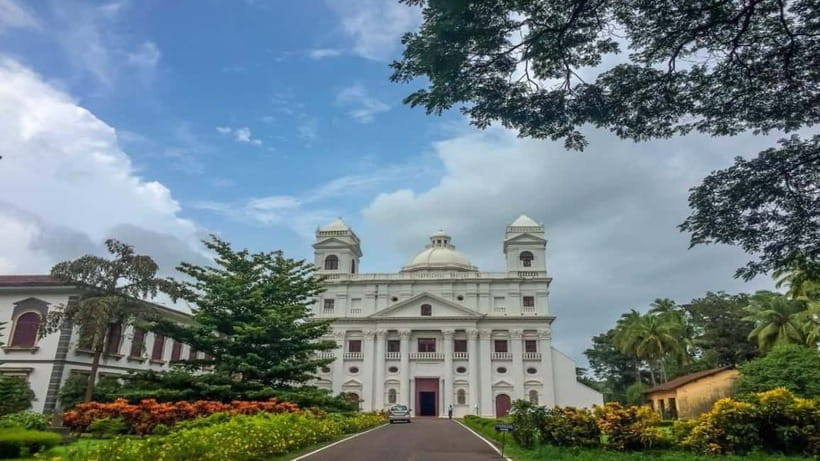
- Old Goa’s biggest church names in one guided loop, including Basilica of Bom Jesus
- A clear contrast of Catholic and Hindu heritage with Shri Mangueshi Temple on the same day
- Tropical Spice Plantation with a guided walkthrough and a provided lunch
- Fontainhas (Latin Quarter) in Panaji for colorful Portuguese-era streets and views
- Air-conditioned coach plus monument entry fees handled for you
- Skip-the-line via a separate entrance so your time stays sightseeing-focused
How this Goa shore excursion feels in real life
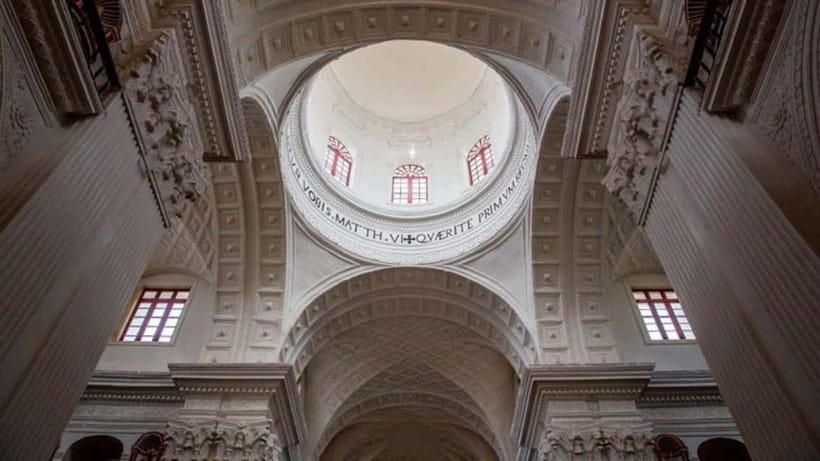
This tour works best if you want the headline version of Goa’s culture in one go. Instead of only beaches, you get the story of the Portuguese era, the local blend of faiths, and the island’s agriculture—then you finish in Panaji, where the streets feel smaller and more human-scale.
You’ll be guided from start to finish. That matters because churches, temples, and heritage districts can feel overwhelming when you’re just clicking through them. With a good English-speaking guide, you’ll know what you’re looking at and why it matters, and you’ll get help spotting photo-worthy corners as you move along.
The pacing is also practical for a shore excursion. You’re not guessing where to go or how to connect sites across town; the day is designed as a straight line of experiences with transport time built in.
You can also read our reviews of more tours and experiences in Panaji.


Pickup and air-conditioned travel: keeping the day comfortable
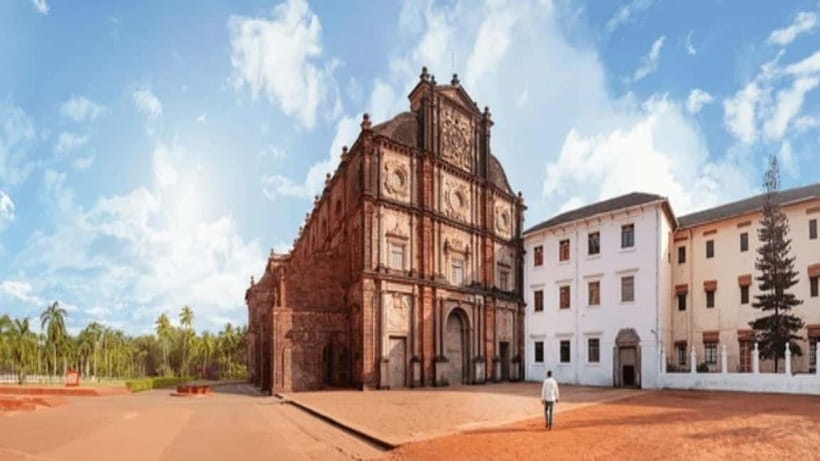
You start with pickup from one of the two areas listed: Mormugao or North Goa. From there, you board the air-conditioned bus/coach for the drive to Old Goa.
A coach ride sounds boring until you’re in Goa heat and humidity. Having air-conditioned transport means you can arrive at each stop with your energy still intact. And because the tour includes monument entry fees, you’re not stopping to negotiate tickets mid-day.
Two small practical notes. First, the day runs to a 6-hour duration, so you should plan on being ready at pickup on time. Second, pickup is coordinated by mobile call; make sure your WhatsApp calls are working so the driver can reach you.
Old Goa’s church circuit: Bom Jesus, Se Cathedral, and St. Cajetan
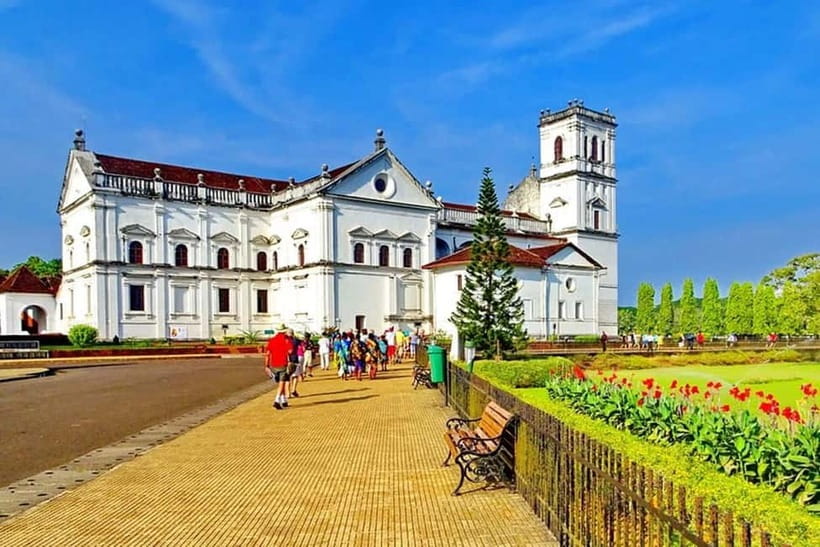
This is the part of the day that most clearly shows Goa’s Portuguese Catholic legacy. You’ll spend about 30 minutes at each major site, which gives you enough time to see the important elements without turning it into a half-day museum marathon.
Basilica of Bom Jesus (about 30 minutes)
The day starts at the Basilica of Bom Jesus. Even if you’re not the type to read every plaque, the basilica sets the tone fast: this is a landmark church with serious historical weight in Goa.
What I like here is the guided framing. When you know what the basilica represents and where its importance comes from, your time feels more focused, not just decorative.
Se Cathedral (about 30 minutes)
Next comes Se Cathedral. This stop gives you a different architectural mood compared with Bom Jesus, and your guide’s explanations help you catch the details you might otherwise miss—like what makes the cathedral distinct and how its role fits into the wider Old Goa story.
The main drawback? You’ll be moving on quickly. If you’re the type who wants to linger quietly, plan to take your time in the moments the guide pauses for questions.



Church of St. Cajetan (about 30 minutes)
Then you’ll visit the Church of St. Cajetan. This is where the day keeps building momentum: three big Catholic landmarks, each with its own vibe, all in one compact route.
If you care about photography, this is a good stretch to ask your guide about photo angles. In recent groups, guides have been especially helpful with photo points, which can turn a quick stop into a set of great, not-rushed shots.
Shri Mangueshi Temple: seeing Hindu heritage in the middle of the day
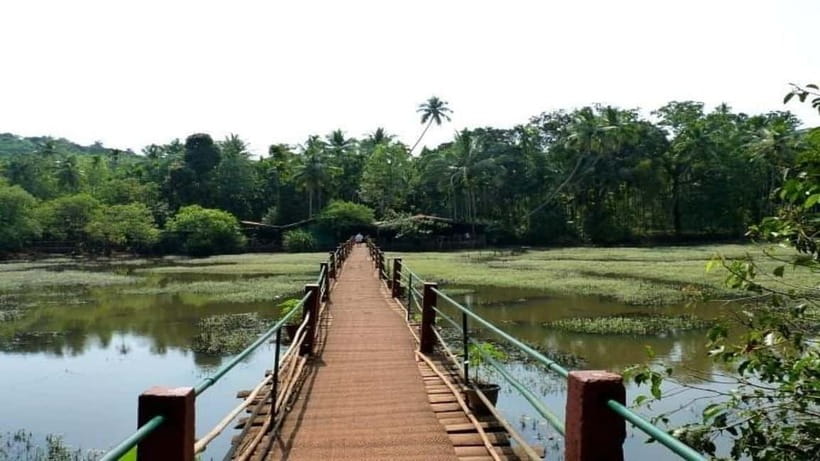
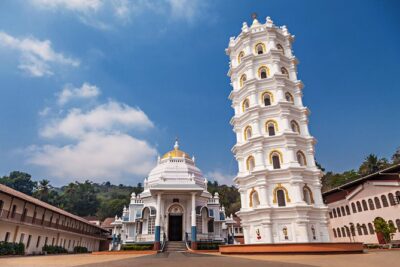
After the churches, the tour shifts to Shri Mangueshi Temple. This contrast is the point. Goa isn’t one-style tourism. It’s a place where Catholic history and Hindu devotion sit side by side—sometimes literally on the same routes you’re walking.
You’ll spend about 30 minutes here with guided time. This is long enough to understand what you’re seeing and to observe respectfully, without feeling like you’re being rushed out.
Practical tip: temples can have their own rules for clothing and behavior. The tour includes monument entry fees, but you’ll still want to dress appropriately and be mindful once you enter sacred spaces.
Tropical Spice Plantation: the part that’s not just scenic
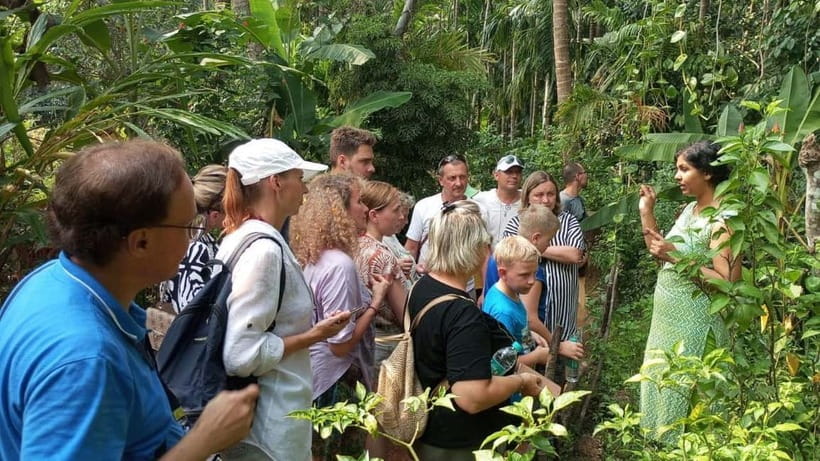
Most tours in Goa toss in nature like a bonus. Here, the spice plantation is a core experience. You’ll spend about 1 hour at the Tropical Spice Plantation with a guided visit.
What to expect on the plantation side is education you can actually use: you’ll learn about spices and herbs, including how they’re used and why they matter locally. Some of the most memorable moments here are the medicinal uses of herbs and spices—especially if you like food and you’ve ever wondered what’s behind the flavors in Goan cooking.
And yes, you’ll eat. Lunch is included, served as part of this stop. Based on how guests describe it, the meal is a real highlight: plentiful, with choices, and served in the pleasant surroundings of the plantation. It’s a nice break from churches and city streets, and it gives you time to refuel before the final Panaji walk.
One consideration: drinks purchased at the plantation aren’t included. If you’re someone who drinks soda, water bottles, or special beverages with lunch, set aside a little extra cash.
Also, this isn’t a high-speed tourist factory. Guides often steer you toward a more personal experience with the plantation setup, and you’ll likely come away with a better sense of Goa’s agricultural life beyond the beach.
Fontainhas in Panaji: Portuguese-era streets and a slower mood
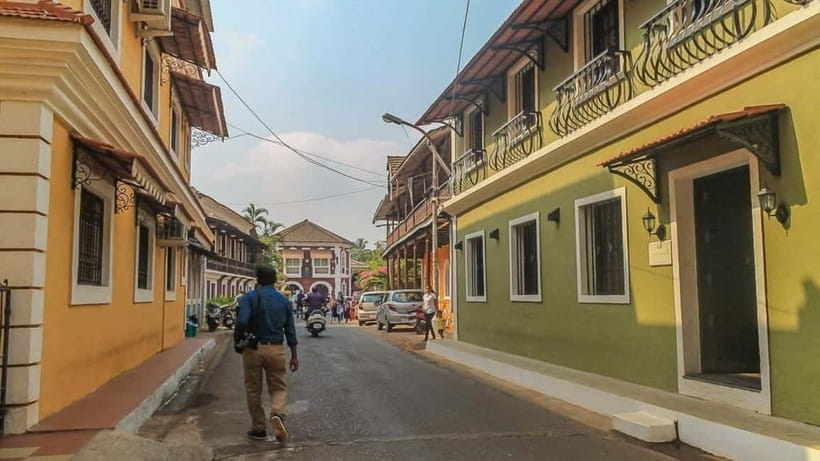
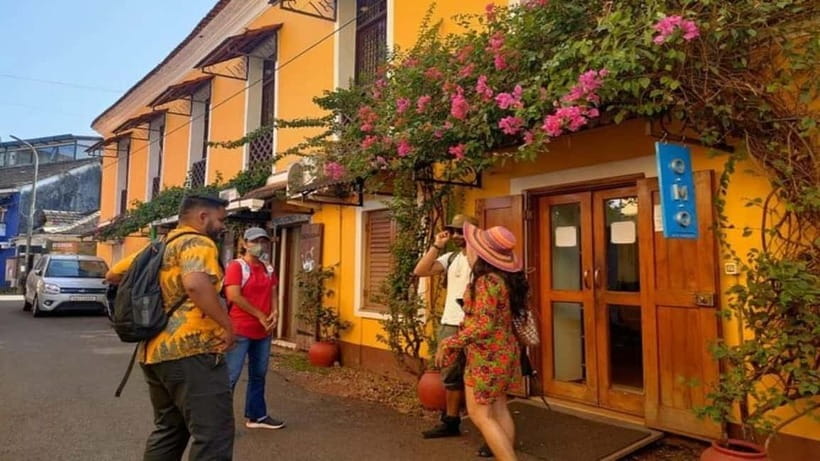
After the plantation, you head toward Panaji and the Fontainhas area, sometimes called the Latin Quarter. You’ll have about 1 hour for this guided walk.
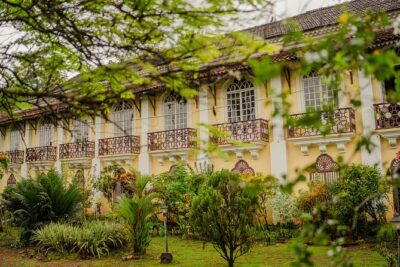
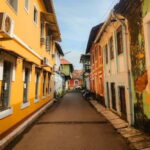
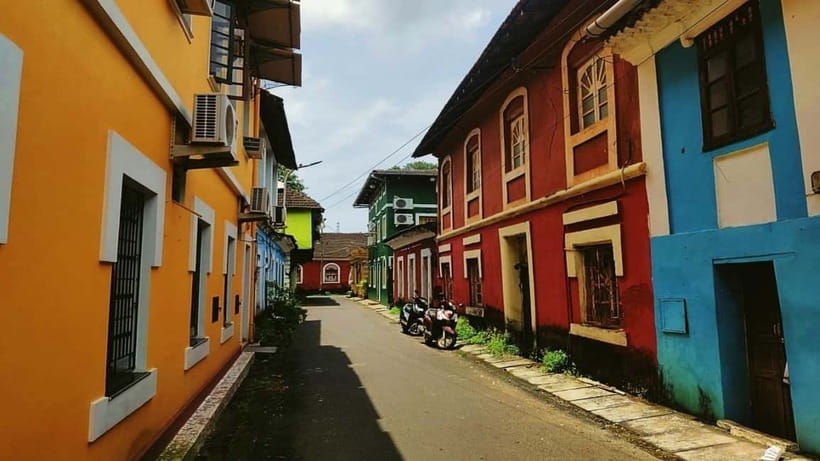
This is where the day changes pace again. Churches and temples are powerful, but Fontainhas is a different kind of experience: narrow lanes, colorful architecture, and a street-level mood that feels more everyday than ceremonial.
What I like about finishing here is that it lets you bring the story full circle. Goa’s Portuguese influence isn’t only in churches; it’s also in the way neighborhoods look and how the city feels. If you’re walking with a guide who points out historical influence and notable spots, this hour becomes more than a stroll.
If you want great photos, Fontainhas is often where you’ll use the skills you built at the earlier stops—watch your angles, pause before crossing busy stretches, and ask your guide where the best light hits.
Price and value: what $60 really buys you
At $60 per person for about 6 hours, this tour is priced as a bundled experience. And that’s the key word: bundled.
You’re getting:
- air-conditioned transport
- an English-speaking guide
- monument entry fees
- lunch
- and skip-the-line access via a separate entrance
When you try to piece together similar stops on your own, the costs add up fast: local transport, tickets, and guide time aren’t free. Here, the pricing is built around saving you that planning effort while still covering the major sights people actually want in Goa.
Is it expensive? For a short, guided cultural day that includes entry fees and lunch, it’s a fair deal. Is it cheap? It’s not a budget “sit on the bus and wave” excursion either—because the tour is organized around real visits, not just passing landmarks.
My advice: if you’re only in Goa for a short time and you don’t want to spend your day coordinating transport and ticketing, this price structure makes sense.
Who should book Highlights of Goa?
This tour is a good match if you:
- want a culture-first day (churches, temples, and Panaji’s Latin Quarter)
- like guided context, not just sightseeing from the curb
- enjoy food experiences tied to place, especially the plantation lunch
- want a single route that covers multiple sides of Goa without stress
It may not be your best fit if:
- you’re hoping for a long, slow, beach-style day
- you dislike scheduled sightseeing with several stops in one morning/afternoon stretch
- you want only one theme (like only beaches, only temples, or only Portuguese architecture)
A few practical tips before you go
- Wear comfortable shoes. You’ll walk in heritage areas, including Fontainhas.
- Plan for weather. Goa can be hot, and you’ll feel it most outside AC sections.
- Bring a light layer if you get chilly in the bus after being in warm air.
- If you care about photos, ask your guide about picture points as you go—guides often know where the best angles are.
- Have a small amount of cash ready for drinks at the plantation, since that part isn’t included.
Should you book this Goa shore excursion?
I’d book it if you want a smart, guided way to see Goa’s cultural mix in one day. The combination of Old Goa churches, Shri Mangueshi Temple, and the plantation lunch gives you variety without the headache of planning multiple transfers. Add Panaji’s Fontainhas, and the day ends with a neighborhood feel instead of just more monuments.
If you’re the type who needs downtime or prefers unstructured exploration, you might choose a slower itinerary. But for a shore day—or for first-time Goa visitors who want to understand the place fast—this one hits the main beats with good value and comfortable logistics.
FAQ
FAQ
How long is the Highlights of Goa tour?
The tour duration is 6 hours.
What does the tour cost?
The price is $60 per person.
Where are the pickup locations?
Pickup is available from Mormugao or North Goa.
Where will I be dropped off?
Drop-off is available in North Goa or Mormugao.
Is the tour guided, and what language is it in?
Yes. The tour includes a live guide who speaks English.
What major stops are included?
You visit the Basilica of Bom Jesus, Se Cathedral, Church of St. Cajetan, Shri Mangueshi Temple, Tropical Spice Plantation, and Fontainhas in Panaji.
Is lunch included?
Yes. Lunch is included as part of the tour.
Are drinks included at the spice plantation?
Drinks purchased at the spice plantation are not included.
Does the tour include monument entry fees?
Yes. Monument entry fees are included.
Is there any cancellation flexibility?
You can cancel up to 24 hours in advance for a full refund.