REVIEW · GOA
Private Cultural Tour: Ancestral Goa, Shantadurga Temple and Spice Village Including Lunch
Book on Viator →Operated by GeTS Holidays · Bookable on Viator
Spice and temples in one private Goa day. This small-group tour blends Portuguese-flavored architecture with Hindu temple visits and a hands-on spice farm, guided in English for a smooth, no-stress morning. I especially liked Casa Araujo, a 250-year-old Portuguese mansion, and the spice village lunch, where you actually connect the spices on the plants to the flavors on your plate.
The only catch is timing: lunch runs mid- to late-afternoon, so you may want to plan ahead or pack a snack for earlier hunger.
In This Review
- Key Points to Know Before You Go
- A Small-Group Day With Portuguese Goa and Temple Stops
- Ancestral Goa and Casa Araujo: Portuguese-Era Life in Loutolim
- Shantadurga Temple: Indo-Portuguese Details You’ll Actually Notice
- Mangueshi Temple: Shiva, Community, and Pillars With Purpose
- Sahakari Spice Farm: Biologist-Led Plant Explanations and the Best Lunch on the Trip
- How the Timing Works (and Why Lunch Is the Only Tricky Part)
- Price, Inclusions, and When This Tour Feels Like a Smart Buy
- Who Should Book This Goa Cultural Day
- Should You Book This Tour? My Quick Decision Guide
- FAQ
- How long is the private cultural tour in Goa?
- Is hotel pickup and drop-off included?
- What does the lunch include and when is it served?
- Which sites do you visit during the day?
- Is the tour private, and how many people are in a group?
- Can I cancel for a full refund?
Key Points to Know Before You Go
- Big Foot Museum (Ancestral Goa) in Loutolim focuses on saving local culture, not just taking photos.
- Casa Araujo includes a dining hall and chapel, plus that dramatic, towering staircase.
- Shantadurga Temple (1738) shows Indo-Portuguese touches like stained glass and a golden palanquin.
- Mangueshi Temple (Shiva connection) is 400 years old and still central to the community.
- Spice farm guided by a biologist, with medicinal herb explanations and a buffet lunch where spices get used for real.
A Small-Group Day With Portuguese Goa and Temple Stops
Goa can feel like two different trips at once: beaches and party energy on one side, and deep local traditions on the other. This private cultural day leans hard into the second half. You get hotel pickup, a private air-conditioned vehicle, and an English-speaking guide who helps you connect the dots between Portuguese-era buildings and the Hindu faith you’ll see at the temples.
I like that it is private but not oversized: up to 9 people per booking means the tour won’t be one long cattle-car shuffle. You’ll have time to ask questions, and the guide can steer you toward the details worth noticing—like how Portuguese influence shows up in temple interiors and old mansions.
The vibe is practical too. You’re not just dropped at landmarks and left to figure it out. You’re traveling south to Loutolim for Ancestral Goa, then moving through two major temple stops, and ending with a spice village experience that connects agriculture to food.
You can also read our reviews of more private tours in Goa



Ancestral Goa and Casa Araujo: Portuguese-Era Life in Loutolim
Your morning starts with a pickup from your Goa hotel, then a drive to Ancestral Goa, also known locally as the Big Foot Museum. The point here isn’t entertainment for its own sake. It is a cultural center designed to preserve local art, traditions, and the environment, all set in a traditional village in Loutolim.
When you walk through, you get a sense of how Goa life used to work—how people built community, held beliefs, and kept practical traditions alive. One detail worth paying attention to is how the guide frames Portuguese influence as a layer of history, not a replacement for local culture. You’ll even hear about feni, a local moonshine made from cashews or coconut, which is one of those Goa-specific topics that makes the stories feel grounded.
Next comes Casa Araujo Alvares, a 250-year-old Portuguese mansion. This is one of the stops where timing and access matter, because the building itself is the show. You get inside to see the lavish rooms, including a dining hall and a chapel. The most dramatic element is the doorway leading to a towering staircase—exactly the sort of architectural moment that makes you slow down and look at the craftsmanship instead of rushing for the next photo.
A realistic note: the time here isn’t long. You’ll get enough to understand why it matters, but if you want a long, quiet, hours-long mansion wander, you might feel the pace is brisk. Still, the guide’s context helps the rooms click instead of feeling like a quick walk-through.
Shantadurga Temple: Indo-Portuguese Details You’ll Actually Notice
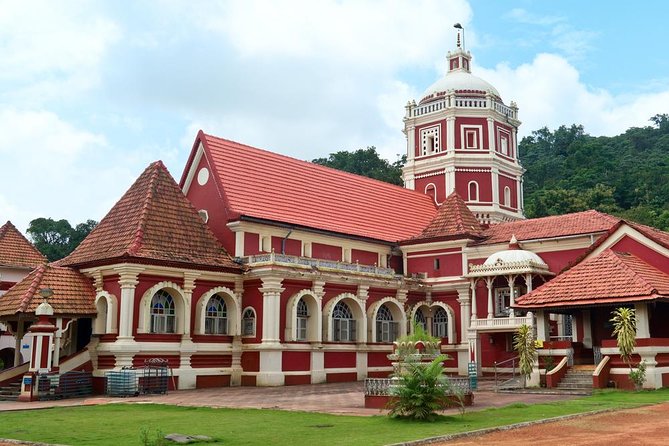
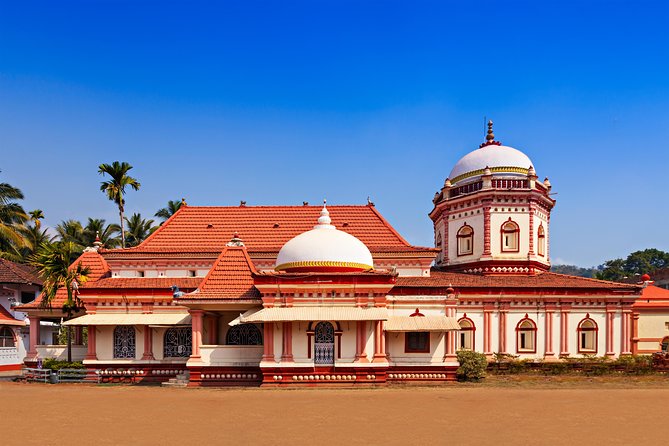
After Ancestral Goa and Casa Araujo, you head to Shantadurga Temple, built in 1738 AD. It’s surrounded by green foliage, which makes it feel calm even though you’re visiting as part of a structured tour day.
What makes this temple stop interesting is the way the guide connects architecture to culture. You’ll learn about Indo-Portuguese architecture as you venture inside, and you’ll see how that blend shows up in the details. Two of the most memorable visual cues are the stained-glass windows and a golden palanquin, known as a palkhi.
If you’ve only seen temples in one style, this is the kind of place that shows you how flexible religious spaces can be. It is still unmistakably a Hindu temple complex, but it carries the Portuguese era’s influence in materials and interior design touches.
Practical tip: dress appropriately for temple visits, and keep your expectations for photos realistic. Temples are living religious sites, so you’ll do best if you focus on watching and listening rather than treating it like a theme park stop.
The visit is short—about 20 minutes—but the interior details are concentrated. With a good guide, that short window can feel satisfying.
Mangueshi Temple: Shiva, Community, and Pillars With Purpose
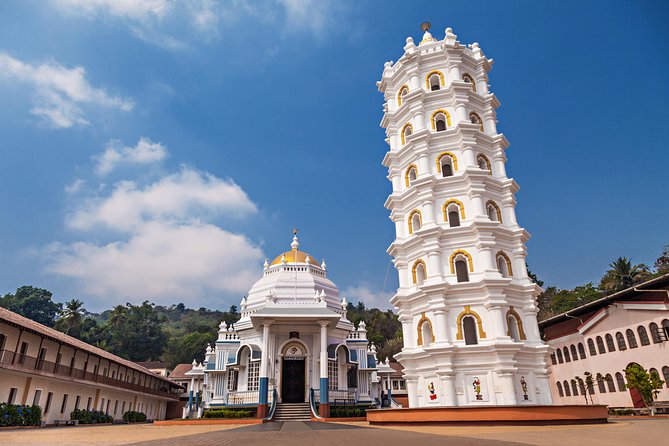
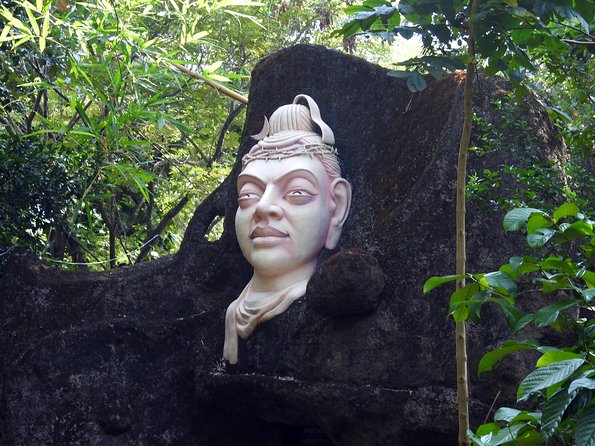
Then you’ll move to Mangueshi Temple, often called Shree Mangesh Temple. This one is older—around 400 years old—and it honors the goddess Shiva. The temple and its iconic pillars play an essential role in the community, which is a key phrase to keep in mind during your visit.
The way a guide explains the pillars and the temple’s place in daily life can change how you experience it. Instead of just seeing stone and carvings, you start to understand that the building functions like a community anchor—somewhere people return to for worship and for cultural continuity.
Again, the time is around 20 minutes. So you won’t get the slow, lingering visit some people may prefer. But if you enjoy a focused stop that teaches you what to look for—rather than letting you stare at random details without context—you’ll likely enjoy it.
The temples are also where the guide’s English storytelling really matters. When you can follow the meaning behind symbols, stained glass, and temple elements, the visit becomes more than scenery.
Sahakari Spice Farm: Biologist-Led Plant Explanations and the Best Lunch on the Trip
By late in the day, you head to Sahakari Spice Farm for the spice village portion. This is where the tour shifts from religion and architecture to agriculture, and it often becomes the favorite part for a lot of people.
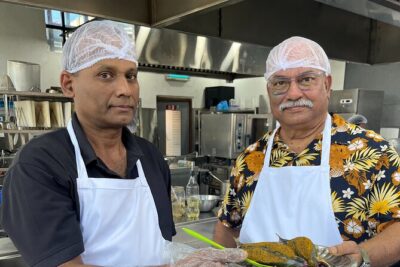
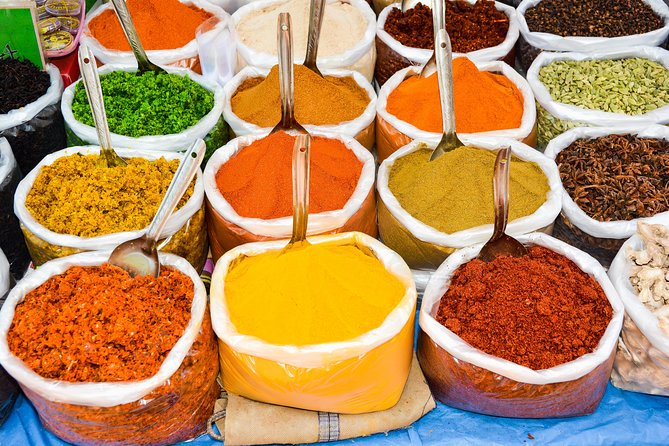
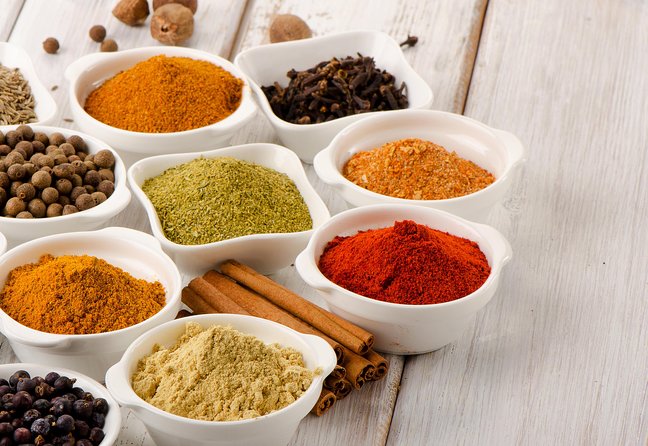
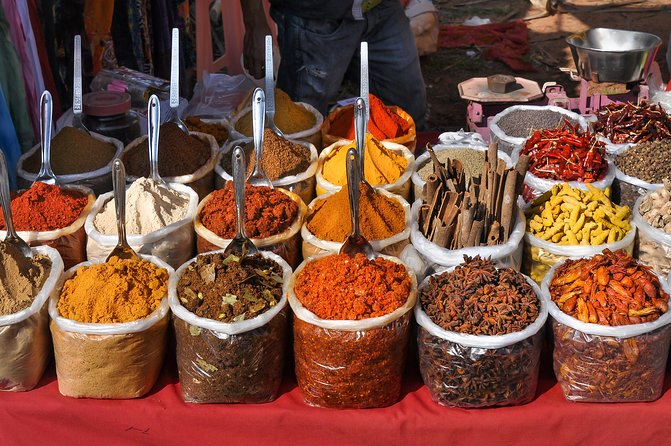
Here’s what you do: you’re greeted by a biologist who explains the vegetation on the plantation. You’ll hear about medicinal purposes for herbs, and then you’ll get to sample cuisine that uses these flavorful spices.
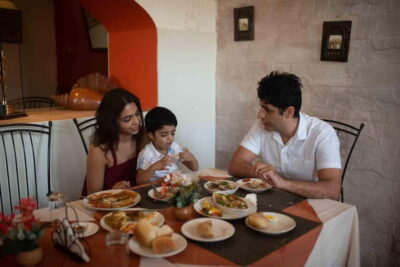
One of the nicest touches is that the guide doesn’t keep things abstract. You get a connection between what you saw growing and what you’ll eat. The lunch is a full buffet of authentic Indian fare, and the spices you’ve learned about show up in the flavors on your plate.
The lunch is also where you should come with the right expectations. It’s included, yes—but it is not served immediately. The tour notes lunch comes mid- to late-afternoon. That means if you arrive hungry, you might feel the wait. If you’re the type who gets cranky before buffet doors open, bring a packed lunch or snack earlier as suggested.
Another plus: the spice portion includes admission, and the tour wraps up afterward with your drive back to your hotel. So you’re not left figuring out how to get around after a farm stop, which can be a hassle in Goa.
You can also read our reviews of more historical tours in Goa




How the Timing Works (and Why Lunch Is the Only Tricky Part)
This is a 7-hour private tour in total. It feels like a full day, but it is structured so you’re not constantly waiting around. Still, the timing has one built-in quirk: lunch lands later than you might expect.
If you’re used to tours that serve lunch around noon, you’ll want to adjust your expectations. Plan for the fact that the temples and the Portuguese stops take time, and the farm segment runs into the afternoon.
Here’s how I’d handle it:
- If you’re sensitive to long gaps between meals, bring a light snack for earlier in the day.
- Wear comfortable walking shoes, because even though the stops are not marathon hikes, you’ll be moving through village grounds, temple areas, and the farm.
- Stay hydrated. Water is provided on board, and you’ll appreciate it once the day heats up.
The good news is that the transport is air-conditioned, and it’s a private vehicle for your group. That takes the edge off between stops and keeps things from turning into a tiring shuffle.
Price, Inclusions, and When This Tour Feels Like a Smart Buy
At $148 per person, this tour isn’t the cheapest thing in Goa. But it also isn’t just a casual taxi ride with a schedule.
You’re paying for:
- Hotel pickup and drop-off
- A private air-conditioned vehicle
- An English-speaking guide
- The spice plantation tour and lunch
- Water on board
- Mobile ticketing
- A group limit of up to 9 people
On top of that, the big cultural and temple stops show free admission on the tour details for the key sites, which helps the value. Spice farm admission is also indicated as included.
Where the value can feel strongest is if you care about interpretation—Portuguese influence, Indo-Portuguese temple architecture, and the meaning behind Hindu symbolism. With a good guide, those connections make the day feel like a guided course, not just sightseeing.
Where the value can feel weaker is when someone expects every stop to be longer or expects a more dramatic “once-in-a-lifetime” wow at each location. The short time at each place can feel perfect if you like a tight itinerary. If you want lots of wandering time, you might feel it is too controlled.
One more reality check: since this is private, you’ll want to confirm what you expect the guide to emphasize. If you’re excited about Portuguese architecture and temple symbolism, this format fits well. If you want a looser cultural day with more free time, you may prefer a different style of tour.
Who Should Book This Goa Cultural Day
This tour is a great match if you want:
- A balanced day: Portuguese-era buildings, two temple stops, and a spice farm with food
- A guide who helps you understand what you’re seeing, especially the temple details and historical blend
- A guided lunch experience that ties agriculture to cuisine
It’s also well suited for people who don’t want to negotiate transport between multiple locations. Hotel pickup and drop-off remove a chunk of stress.
You might skip or rethink if:
- You strongly prefer earlier lunch times
- You want long stays at a single site instead of short, focused visits
- You’re looking for a party-style Goa day instead of culture
Should You Book This Tour? My Quick Decision Guide
Book this tour if you’re the type of traveler who enjoys structure when it has a purpose. The combination of Portuguese architecture at Casa Araujo, temple symbolism at Shantadurga and Mangueshi, and a biologist-led spice farm with lunch is a smart mix. It also tends to land well because it ends with food you can taste and understand.
Hold off if your top priority is spending lots of time inside one location or if a mid- to late-afternoon lunch would genuinely mess up your day. In that case, a different tour with an earlier meal might fit better.
FAQ
How long is the private cultural tour in Goa?
It runs about 7 hours.
Is hotel pickup and drop-off included?
Yes. Pickup and drop-off from your Goa hotel are included.
What does the lunch include and when is it served?
Lunch is included and served as an authentic Indian buffet, but it will not be served until mid- to late-afternoon.
Which sites do you visit during the day?
You visit Ancestral Goa (Big Foot Museum), Casa Araujo Alvares, Shantadurga Temple, Mangueshi Temple, and a spice village/spice plantation.
Is the tour private, and how many people are in a group?
It’s a private tour, with a maximum of 9 people per booking. Only your group participates.
Can I cancel for a full refund?
Yes. You can cancel up to 24 hours in advance for a full refund.