REVIEW · GOA
Private Portuguese Heritage Tour: Se Cathedral, Basilica of Bom Jesus and Dona Paula Beach in Goa
Book on Viator →Operated by GeTS Holidays · Bookable on Viator
Portuguese Goa gets real fast. This private heritage tour pairs a great guide with UNESCO’s Basilica of Bom Jesus and the stroll through Panaji’s Latin Quarter, Fontainhas. You’ll also get big sea views at Dona Paula. One thing to keep in mind: the route is sold as a 6-hour experience, but timing can feel shorter on the day, so confirm the expected end time with your guide.
I like that it’s built for comfort and clarity: hotel pickup gets you out of the traffic, and you bounce between sites in an air-conditioned vehicle. There’s a bit of walking (church floors and old streets), but it’s manageable with good shoes and sensible clothing for places of worship.
In This Review
- Key highlights to expect
- Why Portuguese Goa feels different from other tours
- Price and value: what $130 gets you
- The timing matters: how the half-day really plays out
- Stop 1: Basilica of Bom Jesus and the St. Francis Xavier experience
- Stop 2: Se Cathedral of Santa Catarina and the bell moment
- Panaji’s Fontainhas: walking the Latin Quarter right
- St. Sebastian Chapel and the Abade Faria connection
- Dona Paula Jetty: sea views, harbor geometry, and a photo win
- Lunch timing: keep it simple and budget-friendly
- What the guide adds (and why language really matters)
- Small logistics that make or break a heritage day
- Who should book this Portuguese heritage tour?
- My booking verdict: should you book?
- FAQ
- FAQ
- How long is the Private Portuguese Heritage Tour in Goa?
- What time does the tour start?
- Is hotel pickup and drop-off included?
- Do I need to pay admission tickets for the stops?
- Is lunch included?
- What about dress code for churches?
- Is transportation private and air-conditioned?
- Can I cancel for a full refund?
Key highlights to expect
- UNESCO Basilica of Bom Jesus: marble-inlaid floors and the legacy of St. Francis Xavier
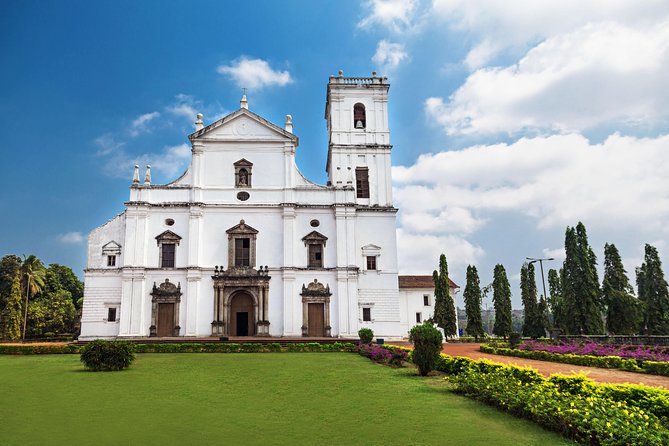
- Se Cathedral of Santa Catarina: Gothic-Portuguese architecture and one of Goa’s biggest bells
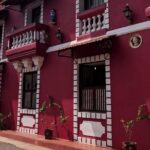
- Fontainhas (Latin Quarter): narrow lanes and colorful old villas with Portuguese fingerprints
- St. Sebastian Chapel: statues tied to historical Portuguese-era figures, including Abade Faria
- Dona Paula Jetty: Arabian Sea and Mormugao Harbor views for easy photos
Why Portuguese Goa feels different from other tours
Goa’s Portuguese period isn’t just on posters. It’s in the churches’ shapes, the names on stone, and the way neighborhoods look and sound as you walk. This tour is a focused half-day way to see the ingredients of that story without losing hours to guesswork.
What makes the experience work is the mix of “big” and “small.” You hit the major religious sites, but you also slow down in Fontainhas, where the Portuguese influence shows up in street layout and architecture more than in a single monument. Then you end with open sea views at Dona Paula, which helps the day feel like a complete Goa snapshot instead of a church-only sprint.
You’ll also benefit from having a private guide rather than a crowd. When you can ask follow-up questions—why a bell is there, why a chapel matters, why certain artworks show up—it changes the whole feel of a heritage tour.
You can also read our reviews of more private tours in Goa


Price and value: what $130 gets you
At $130 per person, this is not a budget bargain. It’s more like “pay for time, comfort, and a real guide,” which is often the smart move in Goa when traffic can eat your schedule.
Here’s what you’re paying for that matters:
- A private English-speaking guide who can explain the Portuguese connection beyond simple labels.
- Hotel pickup and drop-off, so you’re not figuring out routes and meeting points.
- Air-conditioned private transport, which is a big deal in Goa’s heat and humidity.
Also, the trip is positioned as private, meaning it’s just your group, not a mixed-language scramble. That matters if you want the history to land, not just the photos.
One value check: your tour includes the main stops listed on the route, and the itinerary notes admission tickets as free for those sites. You still need to budget for your own lunch, but you’re not facing a stack of entrance fees on top of the price.
The timing matters: how the half-day really plays out
The tour starts at 10:00am and runs about 6 hours on paper. In practice, the day is built around a sequence: UNESCO church visit, a second cathedral walk, Latin Quarter wandering, a chapel stop, then Dona Paula for views and photos, plus lunch on your own.
A small amount of walking is involved. You’re not doing a marathon, but you will move:
- inside churches with stone floors,
- through older narrow streets in Panaji,
- and between photo points near the jetty.
If you’re traveling with older relatives, the setup can work well. One previous group reported that the guide and driver were accommodating with elderly parents, which is what you want to hear for a heritage day with churches and steps.
My practical tip: before you start, ask your guide to confirm the expected end time and how flexible they’ll be. There’s at least one situation where the day ended much earlier than the stated time, leaving the car idle. That’s not what most people want, so it’s worth clarifying upfront.
Stop 1: Basilica of Bom Jesus and the St. Francis Xavier experience
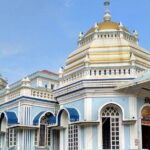
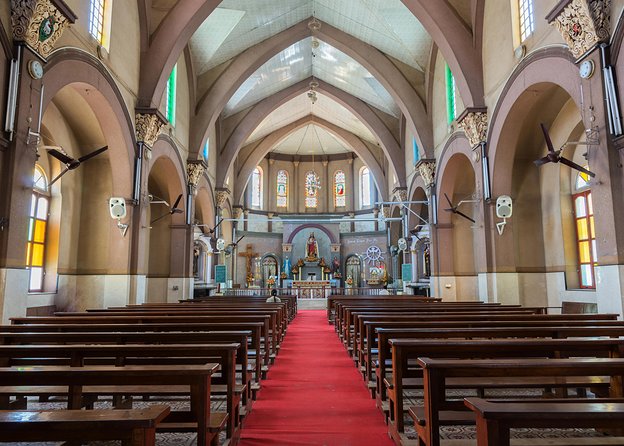
The day’s anchor is the Basilica of Bom Jesus, a UNESCO World Heritage Site tied to St. Francis Xavier. This is the stop that gives the Portuguese era its emotional center—missionary work, art, and a long religious legacy in one place.
What to expect on arrival:
- You’ll enter the basilica and walk across a marble floor inlaid with precious stones. It’s the kind of detail you almost miss if you rush, so slow down for a few minutes and look down.
- The visit focuses on St. Francis Xavier’s remains (described as part of the casket area and the key interior features).
- The interior also includes detailed paintings, which add context to his story rather than just decoration.
There’s also an upstairs element: you may go to a gallery with surrealist paintings from Dom Martin, a Goan painter. That’s a nice surprise because it shows how later art styles can still orbit the same spiritual center.
Why this stop is worth your time:
It doesn’t feel like a generic church visit. You get physical craftsmanship underfoot, a strong connection to the missionary figure, and artwork that helps you understand why the site holds such weight.
Small drawback to plan for:
Church visits can tempt you to rush for the next stop. If you’re the kind of person who likes to take photos, set a couple of photo moments and then do one slower circuit instead of hopping from corner to corner.
Stop 2: Se Cathedral of Santa Catarina and the bell moment
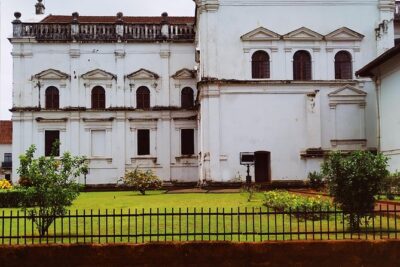
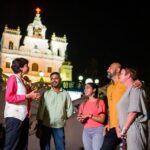
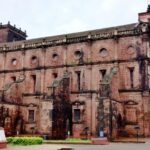
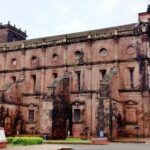
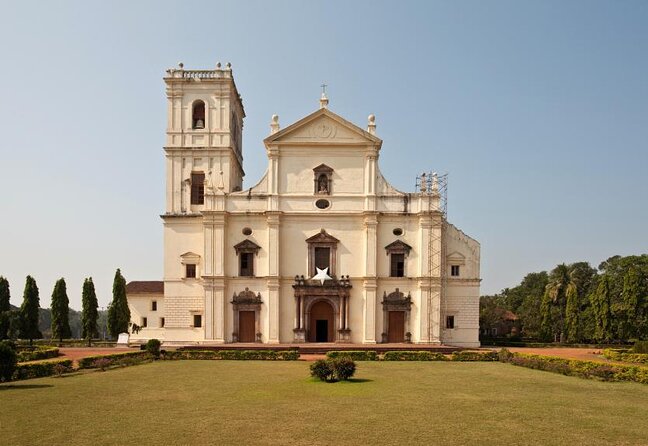
Next up is Se Cathedral, locally known as Se Cathedral of Santa Catarina. This is Portuguese-era Gothic architecture, and it brings a different visual vibe than Bom Jesus.
The big points here:
- The cathedral is dedicated to a Christian saint, described as being martyred in the 4th century for devotion.
- The architecture is Gothic-style with strong Portuguese flavor.
- The cathedral houses one of Goa’s largest bells, which is a signature detail you can remember even if you’re not a church-architecture expert.
The practical approach:
Give yourself a short pause inside. It’s easy to treat this as a quick stop between driving blocks, but the cathedral has a distinct feel. Look up, then look around. The bell and the building proportions do most of the work.
Also, dress matters a bit. The tour notes no strict dress code, but you should dress accordingly. Avoid short shorts and sleeveless tops in worship spaces. It’s not about rules—it’s about comfort and respect, and you’ll likely feel more at ease.
You can also read our reviews of more historical tours in Goa

Panaji’s Fontainhas: walking the Latin Quarter right
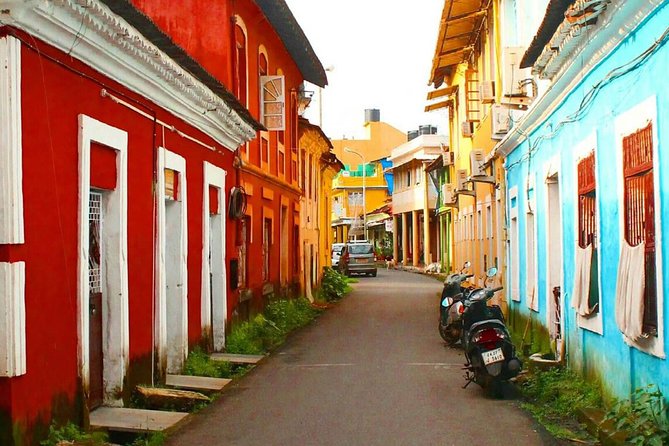
Then you shift from “major site” mode into neighborhood mode: Fontainhas, Panaji’s Latin Quarter.
This is where Portuguese influence becomes visible in everyday space:
- narrow streets,
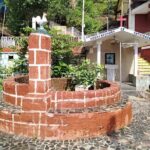
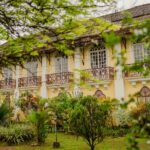
- colorful old villas,
- the feel of a neighborhood shaped by the old colonial era.
You’re not just looking at buildings. You’re walking through an area where the architecture and street scale help you understand how a past era lived. It’s the kind of stop where a guide makes a real difference, because the story isn’t always obvious from one facade.
How long you’ll spend:
The route lists around 15 minutes here, which is short. That means you should choose what matters most to you. If you love photos, pick a couple of street corners and get your angles. If you love context, ask your guide what to notice so you don’t lose the whole quarter to aimless wandering.
And here’s an extra bonus built into this section: you’ll make time for St. Sebastian Chapel.
St. Sebastian Chapel and the Abade Faria connection
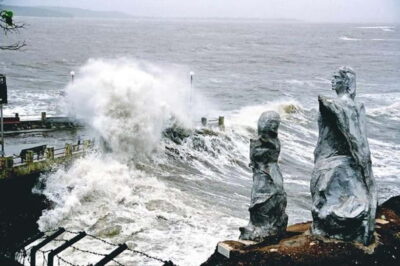
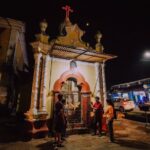
At St. Sebastian Chapel, you’ll see statues of historic figures, including Abade Faria (a Roman Catholic monk). This stop is smaller than the cathedral moments, but it adds a key layer: Portuguese-era influence in Goa wasn’t only about major churches. It also showed up in the figures and memorials that communities preserved.
In a short tour, these chapel moments work because they give you one concrete person tied to a broader story. It’s easier to remember names when you see the statue right in front of you.
If you want an extra-smart strategy:
Spend your chapel time looking for details your guide highlights, then take one steady photo rather than five quick shots. Small places often reward stillness.
Dona Paula Jetty: sea views, harbor geometry, and a photo win
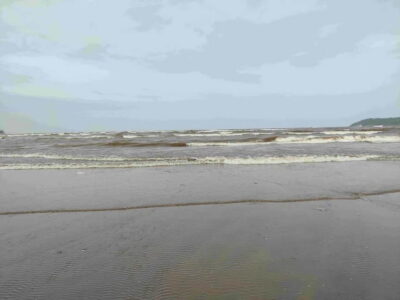
The last major visual stop is Dona Paula Jetty by the Arabian Sea. This is described as a peaceful bay with impressive views of Mormugao Harbor and the sea—prime conditions for photos.
This is also where the pacing shifts. You’ve spent the morning inside stone buildings and old streets. Now you get air, horizon, and light. That contrast makes the day feel balanced instead of heavy.
A couple things to know:
- The route includes time to take in the harbor and sea views.
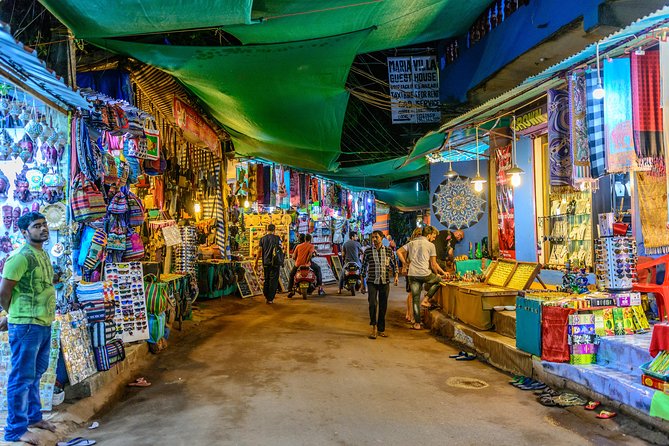
- There may also be a stop near a tiny market on the waterway, adding texture and local rhythm.
If you care about photos, bring a quick plan:
- Arrive early in your photo window and get your wide shots first.
- Then do close-ups afterward, once your eyes adjust to the brightness near the water.
Lunch timing: keep it simple and budget-friendly
Lunch isn’t included, but the tour notes typical lunch costs (including drinks) can range from USD $2 to $15. That range is wide, which usually means you’ll be able to find something comfortable based on what you like: quick local plates, or a sit-down option.
My advice: don’t let lunch drag. Since this is a half-day route, eat close to the end of the main sightseeing block so you don’t end up hungry and annoyed during the drive back.
If you’re unsure where to go, ask your guide for a safe local choice that fits your tastes. The value in a private guide isn’t only history—it’s reducing decision fatigue.
What the guide adds (and why language really matters)
A big theme in the best experiences is the guide. Several named guides and drivers have come up in feedback: Mahesh with Dilip, Dyanadeep with Ramesh, Sachin with Santos, and Francis.
That matters because this tour isn’t just about ticking off churches. It’s about understanding why Portuguese influence shows up where it does—religion, architecture, even how you read the neighborhood streets.
Still, there’s one caution worth respecting: one report said the guide wasn’t easy to understand at times and customization didn’t happen smoothly. If you’re traveling with someone who needs clear communication, it’s smart to confirm your language expectations before you leave your hotel and mention any must-see priorities.
Small logistics that make or break a heritage day
A few practical things you should plan around:
- You’ll use a private, air-conditioned vehicle for transport. That reduces stress when you’re moving between old Goa sites and Panaji.
- Comfort shoes matter. Marble floors and uneven old streets add up.
- Expect a short but real walk in multiple areas. It’s manageable for most people, but plan for it.
- The tour is built for your group only. That keeps the experience personal, but it also means you’ll want your guide to manage time well.
And yes, there’s the timing consideration again. The tour is listed as about 6 hours, but at least one situation ended around 2 hours. When your price includes private vehicle and guide time, you’re right to care. If your schedule is tight, ask for a firm end-time target and a clear plan for how you’ll handle stops.
Who should book this Portuguese heritage tour?
This tour is a good match if you:
- like heritage that connects religion, art, and architecture,
- want a short plan that covers major Goa Portuguese sites,
- prefer a private guide who can answer questions,
- value comfort in transport but still enjoy walking old streets.
It may be less ideal if you:
- want a full-day pace with lots of extra stops,
- need very flexible routing and lots of customization on the fly,
- dislike church interiors and prefer beaches and food-focused itineraries instead.
My booking verdict: should you book?
If you’re going to spend a half-day in Goa’s Portuguese past, I think this tour is a strong choice. It hits the must-see spiritual anchor at Bom Jesus, adds the striking Se Cathedral moment with the bell and Portuguese Gothic look, and then balances it with a real neighborhood walk through Fontainhas plus the sea-view finish at Dona Paula.
The only reason I’d hesitate is if your schedule depends on a strict 6-hour block. If timing is tight for flights or other plans, message the operator ahead of time and ask for confirmation of your exact pickup and return window. Otherwise, this is the kind of practical, story-forward route that gives you more meaning per hour than a random checklist.
FAQ
FAQ
How long is the Private Portuguese Heritage Tour in Goa?
It’s listed as about 6 hours.
What time does the tour start?
The start time is 10:00 am.
Is hotel pickup and drop-off included?
Yes. Pickup and drop-off from your Goa hotel are included.
Do I need to pay admission tickets for the stops?
The itinerary lists admission tickets as free for the Basilica of Bom Jesus, Se Cathedral, Fontainhas, St. Sebastian Chapel, and Dona Paula Beach.
Is lunch included?
No. Food and drinks aren’t included. Lunch costs (including drinks) are typically listed between USD $2 and USD $15.
What about dress code for churches?
There’s no strict dress code, but you’re advised to dress accordingly. Short shorts or sleeveless tops are not recommended.
Is transportation private and air-conditioned?
Yes. You travel in a private, air-conditioned vehicle.
Can I cancel for a full refund?
You can cancel up to 24 hours in advance for a full refund. If you cancel less than 24 hours before the start time, it isn’t refunded.