REVIEW · GOA
Private South Goa City Tour with Spice Plantation and Lunch from North Goa Hotel
Book on Viator →Operated by TripBea · Bookable on Viator
Old Goa feels different when you pair it with spice country. This private day trip strings together Portuguese-era landmarks and temple sights with a real taste of Goa at a Tropical Spice Plantation lunch. You start on the coast, then move into Old Goa’s big-ticket churches, and finish with a guided walk through plantations—so the day doesn’t feel like just another beach loop.
Two things I really like: first, you get concentrated value in one route—Bom Jesus and Se Cathedral are UNESCO-linked stops, not random sightseeing. Second, the meal isn’t an afterthought: you’re served a Tropical Goan Meal as part of the spice plantation visit. The main drawback to consider is that it’s a long time in the car, and some stops are brief, so you’ll want to have a flexible mindset (and respect any dress code at the cathedral).
In This Review
- Key things to know before you go
- A Portugal-to-India route in one long day
- Miramar Beach: Portuguese name to Indian state name
- Dona Paula’s cliffside legend and quick photo stops
- Old Goa’s UNESCO-linked churches: Bom Jesus and Se Cathedral
- Temple contrast: Mangeshi and Shantadurga
- Mangeshi Temple: lingam relocation and big scale
- Shantadurga Temple: community-built tradition
- Fontainhas: Portuguese-styled lanes and a quick wander
- Tropical Spice Plantation lunch near Ponda
- Miramar to spice country: managing the long car time
- What’s included in the price—and what to watch
- Who this tour suits best
- Quick check: should you book this South Goa day?
- Bottom line
- FAQ
- How long is the private South Goa city tour?
- Is pickup included, and from where?
- What food is included?
- Are entrance tickets included?
- Which stops have free admission?
- Is the river cruise included?
- Is this a private tour or shared group?
- Is there a dress code?
- Is the tour dependent on weather?
- What’s the cancellation policy?
Key things to know before you go
- A well-packed route: Miramar Beach, Dona Paula, Old Goa churches, two temples, Fontainhas, and spice plantation lunch
- UNESCO-linked church stops: Bom Jesus is part of the Churches and Convents of Goa site
- Temple history with movement: Mangeshi’s lingam was reportedly shifted in 1543 after a Portuguese invasion
- Fontainhas street time: short, easy walk through Portuguese-styled lanes rather than a long tour
- Included lunch at the plantation: not just a photo stop, you’ll have a guided plantation experience
- Expect a dress code: Se Cathedral has one, so plan clothing accordingly
A Portugal-to-India route in one long day
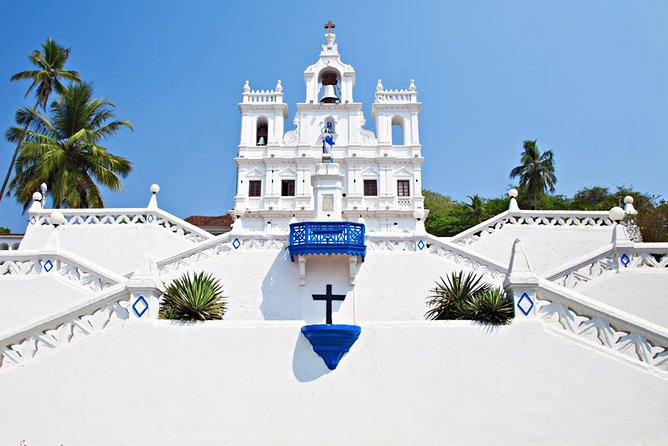
This is the kind of tour that works best when you like variety. You’ll see Goa as a mix of sea towns, Portuguese architecture, and temple culture in roughly eight hours. It’s private, so you’re not stuck joining a big cattle-car group—and pickup from your North Goa hotel helps you start the day without dealing with transfers.
The pacing is “high value, short stops.” That’s great if you want highlights. It can feel rushed if you prefer slow wandering and long conversations. So think of this as a curated sampler: coastal legend, Old Goa monuments, and then greenery and birds at the plantation.
You can also read our reviews of more city tours in Goa



Miramar Beach: Portuguese name to Indian state name
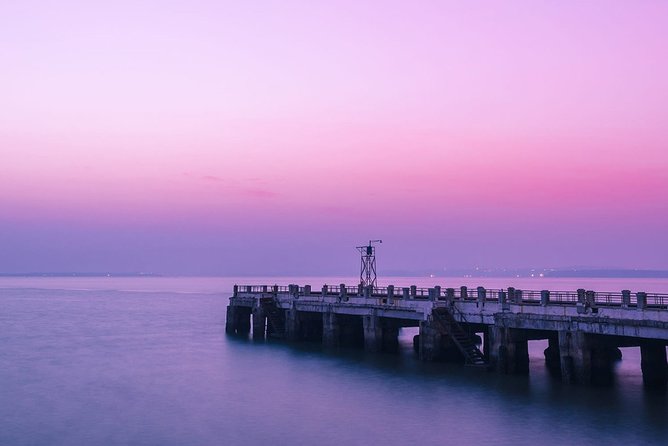
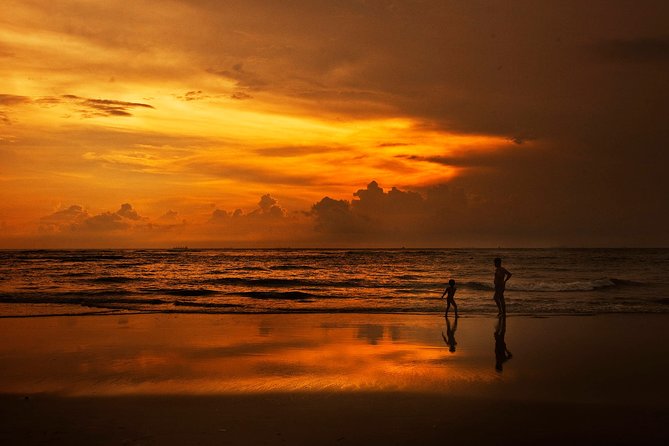
You’ll begin at Miramar Beach, also known by its Portuguese name Porter de Gasper Dias. Later, it was renamed Miramar after Goa became part of the Indian states. It’s set where the Arabian Sea meets the Mandovi River, so you get that classic coastal-meets-waterway view.
This first stop is also where you set your day’s rhythm. You typically get a short window (about 15 minutes), which is enough time to orient yourself, grab a quick photo, and feel the sea air. If you’re expecting a full beach swim session, adjust expectations—this stop is more “look and stretch” than “all-day relaxation.”
Dona Paula’s cliffside legend and quick photo stops
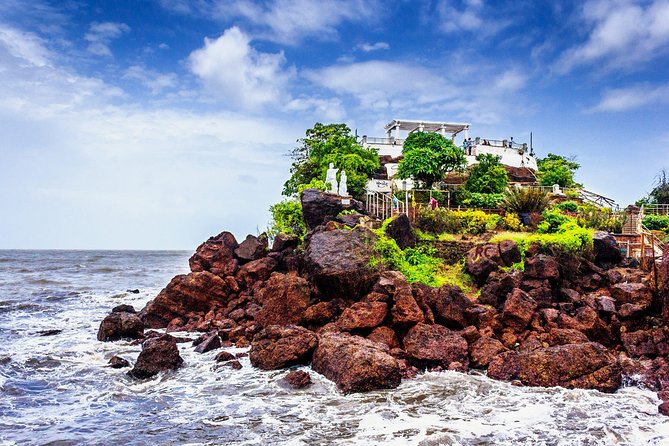
Next up is Dona Paula, famous for the legend of Dona and Paulo, star-crossed lovers who (in the story) jumped from a rocky cliff. The name has real staying power in Goa because it’s attached to one of those local tales people repeat for generations.
You get another short stop (around 15 minutes). That means you’ll likely focus on viewpoints and the story itself rather than a long exploration. I like this kind of timing here, because the legend and setting work best when you can stand back, look toward the coastline, and let the mood land quickly.
Old Goa’s UNESCO-linked churches: Bom Jesus and Se Cathedral
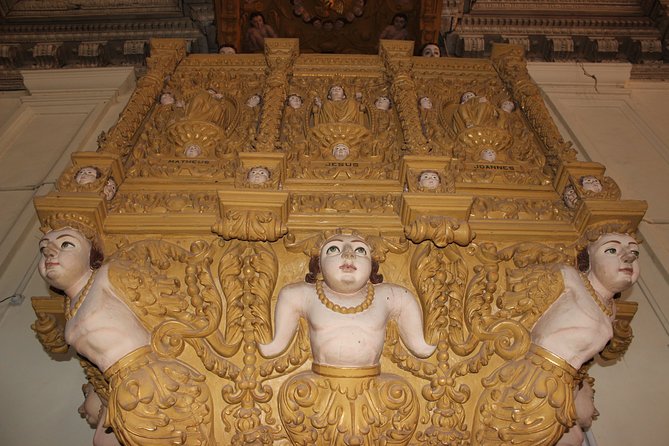
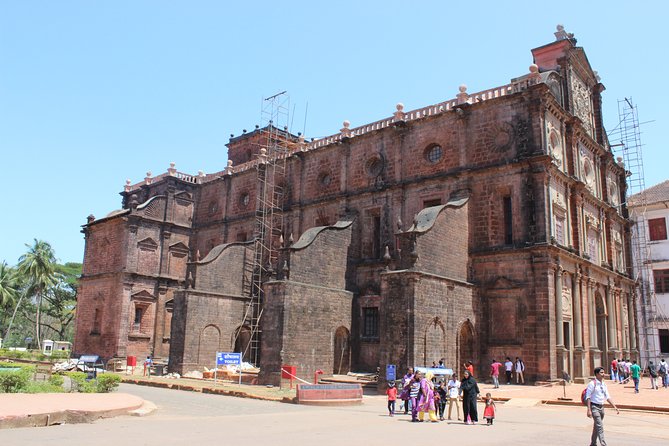
Old Goa is where the architecture starts doing the talking. You’ll visit Basilica of Bom Jesus first. It’s tied to the Churches and Convents of Goa UNESCO World Heritage site, and it’s known for housing the remains of St. Francis Xavier. Also, it’s described as India’s first small basilica, which helps you understand why people treat it as a major stop rather than a quick church photo.
The practical point: your time here is short (about 15 minutes). So if you want more than snapshots, aim for a quick scan of key features and focus on the overall Portuguese flavor of the building—rather than trying to read every detail.
Then you move to Se Cathedral (de Santa Catarina), another Old Goa powerhouse. It was built by the Portuguese to memorialize their victory over a Muslim army in 1510, and the structure is described as Portuguese-Manueline style. This is one of those places where the exterior and interior feel different: you’ll often notice how the design language shifts compared with modern churches.
One key consideration: Se Cathedral has a dress code. That’s the kind of rule that can quietly ruin a plan if you show up in the wrong outfit. Wear something comfortable but modest enough to avoid hassle.
Temple contrast: Mangeshi and Shantadurga
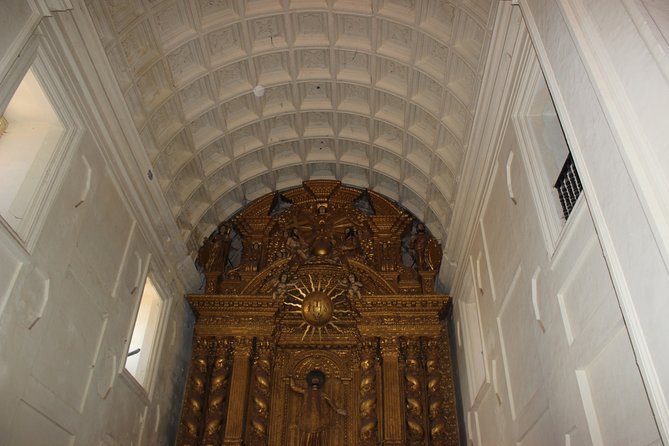
After the churches, the tour switches gears to temple culture, and the contrast is the point.
You can also read our reviews of more private tours in Goa






Mangeshi Temple: lingam relocation and big scale
You’ll visit Mangeshi Temple (Shri Mangesh temple). It’s described as being built about 150 years ago under Maratha rule, with its original site at Kushasthali. Then, after a Portuguese invasion, the Mangesh lingam was shifted to the current location in 1543. That detail matters because it shows Goa’s history wasn’t just artistic—it was also political and physical.
You get about 20 minutes here, and the entrance is marked as included. Mangeshi is noted as one of the larger temples of Goa, so even in a short window you’ll feel the scale and craftsmanship. If you’re sensitive to noise or crowds, be mindful that temple visits often have a more active atmosphere than churches.
Shantadurga Temple: community-built tradition
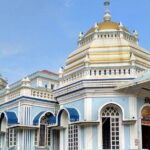
Next is Shri Shantadurga Temple, also known as Santeri. It’s described as a family deity of many Goud Saraswat Brahmins in Goa. The temple was built by the community after the original temple at Keloshi was destroyed in 1566.
This is a “meaning matters” stop. You won’t just be looking at architecture—you’ll be seeing how community identity connects to a specific deity and why the temple was rebuilt where it stands now. Your time here is around 15 minutes, so again: you’ll want to focus on the main area and the idol details rather than trying to cover everything.
Fontainhas: Portuguese-styled lanes and a quick wander
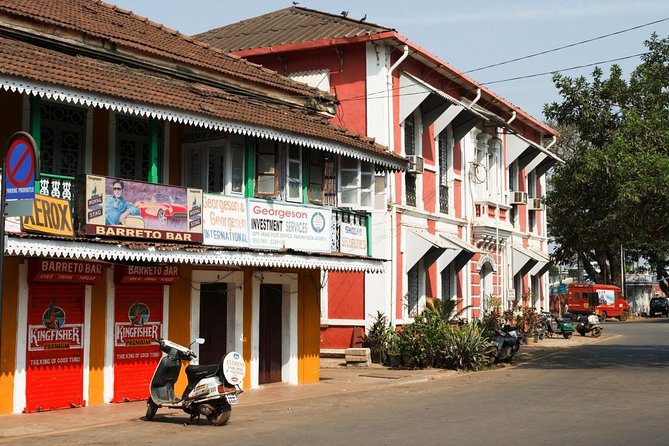
Fontainhas is a different energy from the temples and churches. It’s described as a street area founded in the late 18th century by wealthy Portuguese Antonio Joao de Sequeira, who used the land for coconut plantations. Later, due to an epidemic spread in Old Goa in the early 1800s, the Portuguese government shifted arrangements (the story continues beyond what’s listed, but the takeaway is clear: this area grew out of a real historical need).
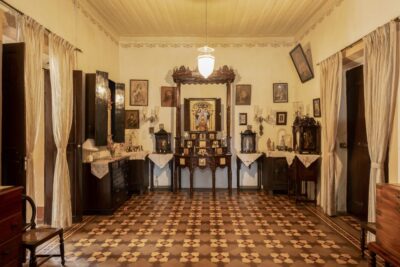
Your visit here is about 30 minutes with free admission. This is enough time to walk the lanes, notice Portuguese-styled houses, and get a feel for everyday Goa rather than only monuments. I like that the day shifts to “human scale” before you head to the plantation.
Tropical Spice Plantation lunch near Ponda
The highlight for food-and-nature lovers is the Tropical Spice Plantation stop. It’s about 6 km from Ponda Village, and it’s positioned as an area near Keri village, described as “unexplored and unpolluted,” with plantations and birds.
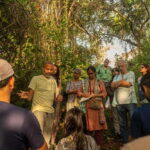
This part is where the tour slows down a bit. You get around 1 hour, and the plantation visit includes an admission ticket. The tour includes a guided experience, so you’re not just walking through trees—you’re learning what’s grown there and likely seeing how spice plants fit into daily life.
Then comes lunch: Tropical Goan Meal is included. That’s valuable because spice plantation meals are often the difference between a gimmick stop and something you’ll actually remember. Here, the meal is built into the experience, not tagged on at the end as an optional add-on.
If you’re heat-sensitive, plan to drink water before you start the plantation walk. The itinerary doesn’t mention a break, and Goa can be warm during the day.
Miramar to spice country: managing the long car time
A private day tour is comfortable, but it’s still a long day. The car time is part of the deal because you’re traveling between coastal points and Old Goa, then pushing over toward Ponda for the plantation.
So here’s how to handle it:
- Pack patience for traffic and transitions.
- Use each short stop to capture the main angles quickly.
- If you’re the type who likes to linger, compensate by asking your driver to time viewpoints efficiently.
Also, don’t ignore the fact that this tour is private. That’s good for flexibility, but it doesn’t magically erase travel time between stops. The driver being courteous and helpful is a big plus here, especially if you want quick adjustments without slowing everything down.
What’s included in the price—and what to watch
The price listed is $89 for an approximately 8-hour private tour, which includes:
- Private transfers
- Lunch (Tropical Goan Meal)
- Entry tickets for the included sights
That’s the value story: you’re not paying separately for the church and temple admissions, and you’re getting the plantation lunch tied into the visit. For many people, that makes the cost feel more reasonable than a “just transport” day.
Not included are things like:
- River cruise (you can pay INR 500 on the spot)
- Personal expenses and tips
If you want the river cruise, decide ahead of time whether it’s worth the extra cost and time. Because your day already runs tightly, any add-on can affect the flow at later stops.
Who this tour suits best
This tour fits you if you want a structured, highlights-first day. It’s also a good match if you’re staying in North Goa and want pickup without arranging separate legs.
You’ll likely enjoy it most if:
- You want a mix of churches, temples, city streets, and a spice plantation
- You like Portuguese architecture and Old Goa culture
- You care about getting a proper included lunch, not just snacks
- You don’t mind short stops as long as the route stays varied
If you prefer long beach time or deep museum-style visits, you might find the timing a bit short at each monument. This is a best-of route, not a slow-drift itinerary.
Quick check: should you book this South Goa day?
If your goal is to pack in Goa’s cultural highlights plus a guided plantation lunch, I think this is a solid buy. The biggest strengths are the UNESCO-linked church stops, the temple pair with meaningful historical context, and the fact that lunch is included as part of the spice experience rather than tacked on.
I’d skip or adjust expectations if you strongly dislike driving days, hate dress codes, or need lots of time at each stop. Do the math for yourself: short stops can either feel energizing or slightly rushed.
Bottom line
Book it when you want one efficient day that shows the real mix of sea, Portuguese design, temple culture, and Goan food. Pass if you’re only here for long beach hours or you want slow, unstructured wandering.
FAQ
How long is the private South Goa city tour?
It’s about 8 hours (approx.), running through multiple stops from the coast to Old Goa and ending at the Tropical Spice Plantation.
Is pickup included, and from where?
The tour offers pickup, and it’s described as from your North Goa hotel. It also includes private transfers.
What food is included?
Lunch is included as a Tropical Goan Meal during the Tropical Spice Plantation visit.
Are entrance tickets included?
Yes. Entry tickets are included for the stops marked as included (such as Bom Jesus Basilica, Se Cathedral, Mangeshi Temple, Shantadurga Temple, and the spice plantation).
Which stops have free admission?
Miramar Beach, Dona Paula, and Fontainhas are listed with admission ticket free.
Is the river cruise included?
No. The river cruise is not included, but you can pay INR 500 on the spot if you want it.
Is this a private tour or shared group?
It’s a private tour/activity, meaning only your group will participate.
Is there a dress code?
Se Cathedral has a dress code mentioned in the information, so plan clothing that fits the requirement.
Is the tour dependent on weather?
Yes. The experience requires good weather. If it’s canceled due to poor weather, you’ll be offered a different date or a full refund.
What’s the cancellation policy?
You can cancel for free up to 24 hours in advance for a full refund. Cancellation rules are based on the experience’s local time.