REVIEW · GOA
Margao City Food Trail by Make It Happen
Book on Viator →Operated by Make It Happen · Bookable on Viator
Margao has a way of feeding both your stomach and your curiosity. On this food trail, you start at Holy Spirit Church, then graze through local bakeries, pause at the market, and end with a Goan meal at Longuinhos. What makes it work is the focus on how trade, neighborhoods, and food connect in everyday Margao life.
I really like that the tour mixes multiple tastings with short stops that explain what you’re seeing, not just what you’re eating. I also like the small scale, with a maximum of 20 travelers, which keeps the storytelling easy to follow and the vendor interactions more natural.
One thing to factor in: this is not a fully walking route. You’ll need transportation arranged by you, even though the stops are concentrated around central Margao.
In This Review
- Key highlights you should know
- Price and what you actually get for $31.18
- Getting there: the route needs transport, not just comfortable shoes
- Stop 1: Holy Spirit Church and Margao’s origin story
- Stop 2: Bakery stops in Margao for snacks and non-alcoholic drinks
- Stop 3: Margao Market where you see the day-to-day rhythm
- Stop 4: Longuinhos for a heritage Goan meal finish
- Guides: Pawan and Alita bring the city to life through food
- Timing and group size: small, focused, and a bit flexible
- Weather and comfort: pack for reality, not a postcard
- Who should book this Margao food trail?
- Should you book the Margao City Food Trail by Make It Happen?
- FAQ
- How long is the Margao City Food Trail?
- Where is the tour starting point and where does it end?
- Is transportation included?
- What food and drinks are included?
- Is there a vegetarian or vegan option?
- What should I bring if the weather turns?
- How many people are in a group?
Key highlights you should know
- Local storytelling at the start at Holy Spirit Church to set Margao’s context fast
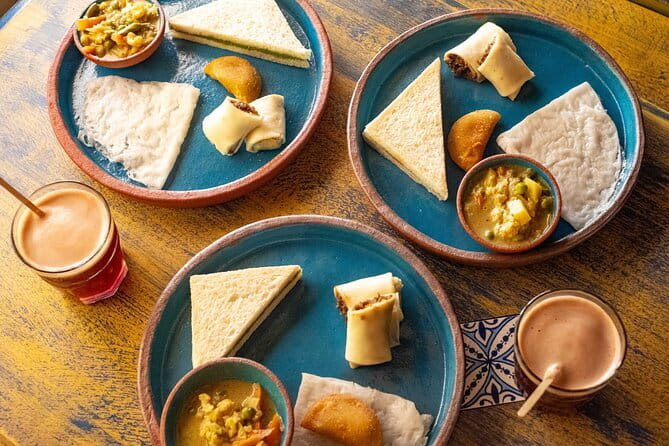
- Bakery-and-snack pacing, with food served at two establishments plus a bakery stop depending on hours
- Margao Market time to see how vendors work and what locals buy
- A heritage finish at Longuinhos, with a sit-down Goan meal to round out the experience
- Small group size (max 20) for better guide attention and smoother transitions
Price and what you actually get for $31.18

At $31.18 per person, this can feel like a bargain if you enjoy food that’s tied to place. You’re not just getting one snack and calling it a day. The trail includes snacks at two establishments, non-alcoholic refreshing beverages, a market visit, and a decent Goan meal at a heritage spot at the end.
The trick to value here is that you’re paying for three things at once: eating, local guidance, and structure. The guide leads you stop-to-stop, so you’re not trying to figure out where to go in a city center and guessing what’s worth your money.
If you’re the type who prefers big restaurant meals only, this might feel more snack-focused than you want. But if you like tasting across places—especially bakeries and market foods—this is priced like a smart afternoon plan.
You can also read our reviews of more food & drink experiences in Goa



Getting there: the route needs transport, not just comfortable shoes
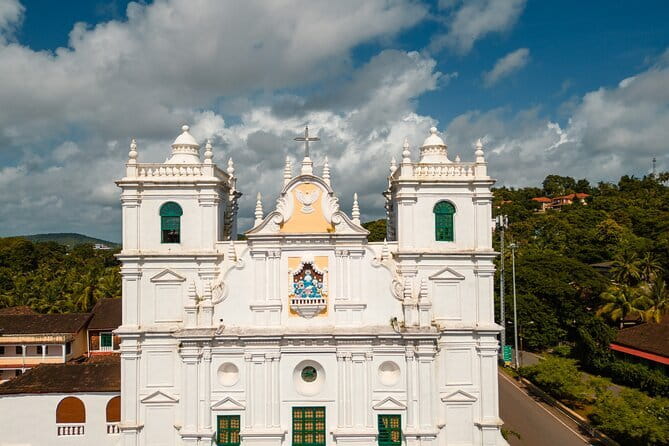
The tour notes it plainly: it’s not entirely a walking trail, so transportation is required. That matters because your timing depends on getting between stops efficiently.
The good news is the meeting point—Holy Spirit Church, Holy Spirit Rd, Borda, Madgaon—is described as near public transportation, so you can likely plan your own ride from where you’re staying without too much hassle. You’ll end at Longuinhos Bar, Restaurant & Confectioners (Dr Antonio Dias Building, opposite Margao, Madgaon).
My practical advice: map your end point first (Longuinhos is your anchor) and plan your transport for the middle segments. Also, keep in mind the route may take you across slightly different pockets of central Margao, not a straight line you can leisurely walk end-to-end.
Stop 1: Holy Spirit Church and Margao’s origin story
You begin at Holy Spirit Church and meet a storyteller from Make It Happen. This first stop is short—about 20 minutes—but it’s doing heavy lifting. You get an introduction to Margao and how the city developed into the place people live and trade in today.
Why this matters: it changes how you’ll read the rest of the tour. When you understand what shaped the town’s food culture—trade routes, community links, and the roles of different neighborhoods—you stop treating snacks like random bites and start seeing them as part of a local system.
From the guide-style described in feedback, the storytelling is also detailed. People mention guides like Pawan sharing insights about Goa and Margao, including small local histories and architecture details. That makes the church stop a strong kickoff, even if you’re not a hardcore church historian.
Stop 2: Bakery stops in Margao for snacks and non-alcoholic drinks

This is the longest part of the route—about 1 hour 40 minutes—and it’s the heart of the eating. You’ll visit multiple establishments in Margao, with bakery items and lighter snacks served at two establishments and non-alcoholic refreshing beverages included.
There’s also a bakery stop, but it depends on operational hours, so your exact tastings can vary slightly day to day. That’s normal for a local food trail, and it’s usually a sign the tour follows what’s genuinely open in the city rather than forcing every stop on a fixed schedule.
What I’d watch for as you eat:
- This part is snack-paced, not a full restaurant meal yet. Go in ready for smaller portions.
- Try what the guide offers, but feel free to ask what something is and where it’s commonly eaten. The value here is learning what you’re tasting.
- If you have dietary restrictions, note that the tour asks questions like vegetarian, vegan, gluten intolerance, and dairy intolerance at booking. That’s your cue to be clear up front so the guide can steer you toward appropriate options.
Also, because this segment involves food stops across shops, it can help to be light on baggage. You’ll want your hands free for tasting and for moving between places.
Stop 3: Margao Market where you see the day-to-day rhythm

Next comes Margao Market for about 30 minutes. This is where the tour shifts from eating to observing. You get time to experience the market’s atmosphere and to engage with local vendors.
This stop is valuable because markets aren’t just for shopping—they’re where people learn value, freshness, and routine. Even if you don’t plan to buy much, watching how vendors talk, what they prioritize, and what customers reach for helps you connect the food you ate earlier with the supply chain that makes it possible.
In the feedback, people highlight how this kind of stop can make you feel closer to how locals operate, not like you’re only observing from a distance. That’s the sweet spot: the guide helps you ask questions and look at products with context.
Quick tip: if you’re planning to buy something, keep small bills handy. The tour includes a structured experience, but markets can be cash-and-situational depending on vendor.
You can also read our reviews of more tours and experiences in Goa

Stop 4: Longuinhos for a heritage Goan meal finish
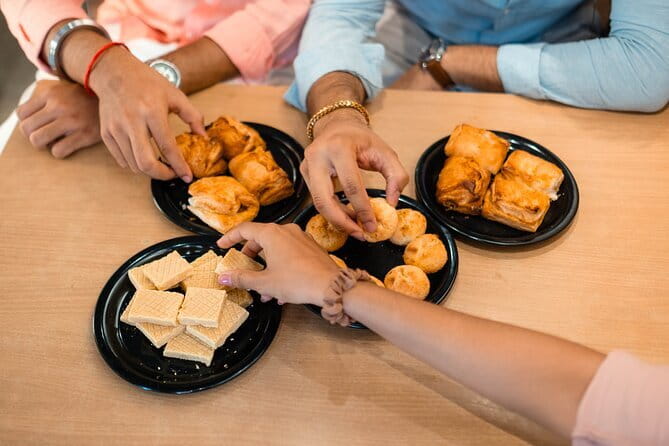
You wrap up at Longuinhos Bar, Restaurant & Confectioners for about 30 minutes. The emphasis here is on ending with a delectable Goan meal at a heritage establishment.
This stop works well because it provides closure. After snacks and market exploration, you get one proper meal to reset your appetite and let flavors settle in your memory. Longuinhos also feels like a fitting endpoint because it ties the tour back to an established food culture—places like this tend to carry recipes and customer habits across generations.
If you’re picky about your last meal being satisfying, aim to save your favorites for this portion. Don’t assume you’ll feel completely stuffed at stop three; the tour pacing is designed to build.
And if you’re traveling with different food preferences, this is where you want to confirm options early so nobody feels left out right at the end.
Guides: Pawan and Alita bring the city to life through food
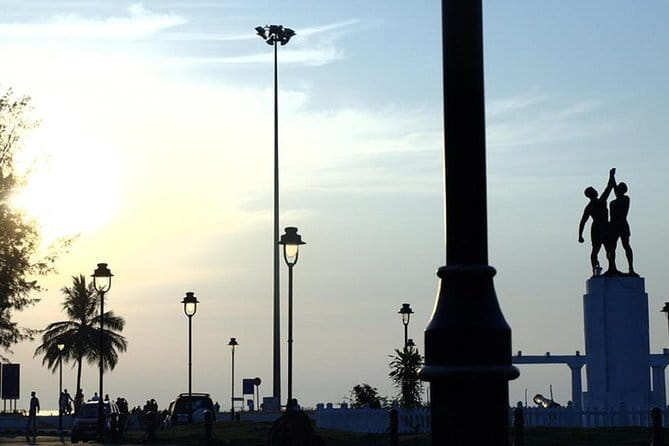
The biggest recurring strength is the guide. People specifically call out Pawan and Alita as standout storytellers, with a style that’s both passionate and packed with detail.
What you’ll likely notice on the walk:
- The guide doesn’t just name dishes. They explain why certain foods exist where they do.
- The storytelling includes big picture Goa context plus small neighborhood histories.
- Guides pay attention to architecture and local detail, which makes the walk feel purposeful even when you’re not in a museum.
One practical benefit of this kind of guide: you get better at spotting details during the day. Even after the tour ends, you may find yourself noticing building styles, market layouts, and social patterns in the places you pass.
If you care about food as culture—not just food as calories—this guide-led structure is a big reason the experience earns such high marks.
Timing and group size: small, focused, and a bit flexible
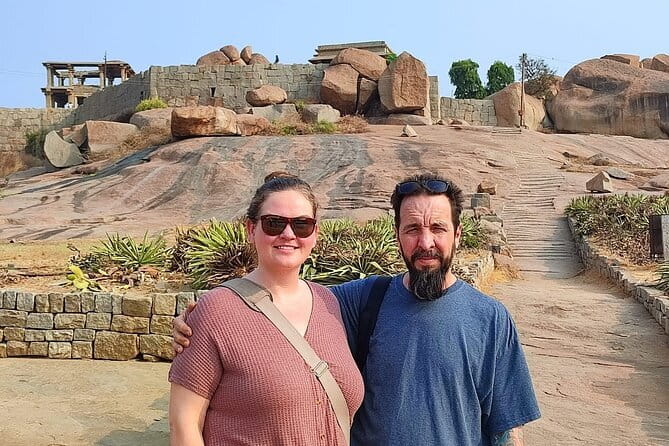
The duration is listed as about 3 hours, but feedback suggests the experience can run closer to 3.5–4 hours depending on the group flow and the pace of storytelling. That’s not a complaint; it’s usually a sign the guide isn’t rushing through stops.
Group size matters here. With up to 20 travelers, you’re more likely to get direct answers when you ask questions at the market or about food choices. It also helps the guide manage transitions between locations, especially since transport is needed and stops aren’t all front-door-to-front-door.
Booking is also described as happening about 17 days in advance on average, which tells you this is the kind of tour people plan ahead. If you’re visiting during peak season or on a tight schedule, booking earlier can reduce stress.
Weather and comfort: pack for reality, not a postcard
The tour is described as requiring good weather. That means you should check the forecast before you go. If conditions are poor, the experience can be canceled and you’ll be offered another date or a full refund.
Comfort-wise, the tour notes items like umbrellas, raincoats, hats/caps, face masks, and sanitizers aren’t included. You won’t want to be caught unprepared if Margao gets sudden rain.
What I recommend you bring:
- Something lightweight for sun or light rain
- Comfortable shoes (even if it’s not all walking, you still move between stops)
- A quick plan for transport so you’re not waiting at each transition
If you’re sensitive to heat, plan to drink when the guide offers non-alcoholic refreshments, and pace your snacks so you don’t overdo it early.
Who should book this Margao food trail?
I’d book this if you want:
- Goan food tasting that comes with local context
- A guided look at Margao’s market life and neighborhood history
- An afternoon plan that’s small-group and not just another checklist
I’d think twice if:
- You hate being flexible about shop timing (the bakery stop can depend on operational hours)
- You don’t want to deal with required transport between stops
- You only want one big meal and don’t care about snacks and drinks
For most people, it hits a good middle ground: food first, story alongside, and practical pacing across central Margao.
Should you book the Margao City Food Trail by Make It Happen?
Yes, if you like food trails that explain the why—not just the what. The combination of bakery tastings, a market visit, and an included heritage Goan meal makes the price feel fair, especially with a small group size and guides like Pawan and Alita known for strong storytelling.
Make sure you’re comfortable arranging transport for a route that’s not fully walkable, and plan for weather. If you do that, you’ll leave with more than a full stomach—you’ll understand how Margao’s daily trade and community ties shape what you eat.
FAQ
How long is the Margao City Food Trail?
It runs for about 3 hours (approx.).
Where is the tour starting point and where does it end?
You start at Holy Spirit Church, Holy Spirit Rd, Borda, Madgaon, Goa 403601, India, and you end at Longuinhos Bar, Restaurant & Confectioners, Dr Antonio Dias Building, opposite Margao, Madgaon, Goa 403601, India.
Is transportation included?
No. This is not entirely a walking trail, and transportation needs to be arranged by the guests.
What food and drinks are included?
You’ll get snacks (bakery items) at two establishments, non-alcoholic refreshing beverages, and a delectable Goan meal at a heritage establishment. The experience also includes a visit to the market.
Is there a vegetarian or vegan option?
The tour asks during booking whether your group is vegetarian, non-vegetarian, or vegan, and also whether you have gluten or dairy intolerance. Put your dietary needs in during booking so the team can guide you appropriately.
What should I bring if the weather turns?
Umbrellas, raincoats, hats/caps, face masks, and sanitizers are not included. Since the tour requires good weather, bring what you need for sun or light rain.
How many people are in a group?
The tour has a maximum of 20 travelers.
If you want, tell me your travel dates and whether you’re vegetarian or have any food intolerances, and I’ll help you plan a simple “what to eat first” game plan for the stops.