REVIEW · GOA
Goa: 2-Hours Small Group Walking Tour of the Panjim City
Book on Viator →Operated by Yo Tours · Bookable on Viator
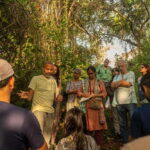
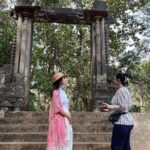
Panjim feels like it reveals itself at your pace. This 2-hour small-group walking tour helps you connect the dots between Goan history, culture, and folklore by guiding you through old streets you would usually miss.
I especially like two things: the story-first guide narration (English and Hindi) and the way the route stays compact, about 1.2 miles / 2 kilometers, so you can still explore the rest of Panjim afterward. The focus on practical local tips also makes your time feel more useful than just sight-seeing.
One caution: while the experience is generally straightforward, there was at least one recent case where the operator canceled with little notice, leaving a big hassle for the person affected. If you’re arriving from far away or juggling tight plans, I’d keep a little flexibility and re-check the day-of details with the operator.
In This Review
- Key highlights to know before you go
- Panjim works best when you walk it
- Starting at Altinho: the church that sets the mood
- Altinho Hill stepped street: where the city shows its “everyday” face
- Archbishop’s Palace stop: history you can see at street level
- The mid-walk story lanes: folklore, culture, and practical takeaways
- Ending at Maruti Temple: your navigation gets easier
- Price and value: $13.15 for a story-led old-town walk
- What the guide experience feels like in practice
- Group size, pacing, and who should book
- Logistics that can trip you up (and how to handle them)
- Should you book this Panjim walking tour?
- FAQ
- Where does the tour start and end?
- How long is the walking tour?
- How far do we walk?
- What’s included in the tour price?
- What is not included?
- How big is the group?
- Is it easy to reach the meeting point?
Key highlights to know before you go

- English & Hindi storytelling from a trained local guide, with history, stories, and anecdotes
- Altinho Hill stepped street and stops tied to major old-town landmarks
- Hidden lanes and quieter corners that are hard to spot without local help
- Local advice on how to explore and save money while you’re in Goa
- Small group size with a maximum of 15 people, which keeps the pace comfortable
Panjim works best when you walk it

Old Goa is one thing. Panjim is another. Panjim’s charm is more about layers—Portuguese-era influence, local traditions, and the everyday flow of people moving through side streets. A short walking tour is a smart way to get those layers into your head fast, without needing a full-day plan.
This one stays tight on purpose. You’re covering about 1.2 miles / 2 kilometers in roughly 2 hours, so it’s doable even if you’re tired from travel or the heat. The real win isn’t the distance. It’s the guided path that turns scattered sights into a connected story.
You’ll also leave with momentum. The tour is designed to give you ideas for what to do next in town, so you’re not staring at a map wondering what’s worth your time.
You can also read our reviews of more walking tours in Goa


Starting at Altinho: the church that sets the mood
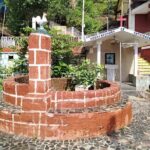
The walk begins at Our Lady of the Immaculate Conception Church in Altinho, Panaji. Starting at a church makes sense here because Panjim’s older identity shows up in religious architecture and the street life around it. Even if churches aren’t your main interest, the guide’s framing helps you see the neighborhood as more than just buildings.
From the start, expect a narration-led rhythm. Instead of a stop-and-go list of facts, you’ll get stories and anecdotes tied to what you’re looking at. If you like your travel with context—how and why something is where it is—that style tends to land well.
Practical note: this is a meeting-point tour, not a hotel pickup. So plan on reaching the starting church on your own. The good part is that the meeting area is near public transportation, which reduces stress if you don’t want to arrange a private ride.
Altinho Hill stepped street: where the city shows its “everyday” face
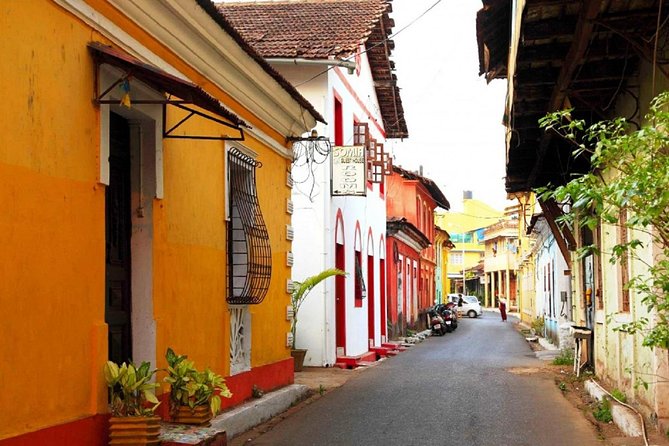
After the church, the tour moves into the Altinho Hill stepped street area. Stepped streets can look like just another slope at first glance, but guided walking changes how you experience them. You start noticing how street design shapes movement—where people pause, where views open, and how daily life interacts with historic layout.
This section is also a reminder that Panjim isn’t only a postcard center. It’s small neighborhood streets stitched into the wider city. Walking them makes it easier to understand how locals likely move through town at different times of day.
Comfort matters here. If steps feel like a struggle for you, go slow, take breaks when needed, and choose good footwear. The tour is short overall, but steps add up quickly if you’re not used to them.
Archbishop’s Palace stop: history you can see at street level
The next key stop is the Archbishop’s Palace. When a walking tour includes an institutional landmark like this, it helps you anchor the stories you hear. You’re not just hearing about the past—you’re standing beside a place tied to older power structures and religious life.
The guide’s job here is to connect the building to the surrounding streets, so it doesn’t feel isolated. You’ll get explanation and context as you move, which is exactly what helps during later self-guided exploring.
What I like about stops like this is that they work for different interests. If you’re into architecture, you’ll look closer. If you’re into culture and folklore, the explanations help you place stories into real locations. Either way, the walking format keeps your attention on what’s around you.
The mid-walk story lanes: folklore, culture, and practical takeaways
One of the tour’s best promises is that you’ll get access to hidden lanes and places—the kinds of side streets you can walk past without realizing they’re worth your time. The guide weaves history, culture, and folklore into the path, so the quieter corners feel intentional rather than random.
This is also where the tour earns its keep for budget-minded explorers. Along the route, the guide shares local tips to save money and practical suggestions on how to explore more effectively in Goa. That can mean how to plan your time, what’s worth prioritizing, and how to avoid wasting energy on less useful detours.
And yes, conversations matter here. The experience is built around the guide being a friendly storyteller and keeping an easy flow with your group. With a maximum of 15 people, questions are more likely to happen naturally without the tour turning into a lecture.
Tip for you: come with one or two interests in mind. Maybe you want to understand Portuguese influence, religious festivals, or why certain neighborhoods feel different. With that, the stories you hear will stick better.
You can also read our reviews of more city tours in Goa






Ending at Maruti Temple: your navigation gets easier
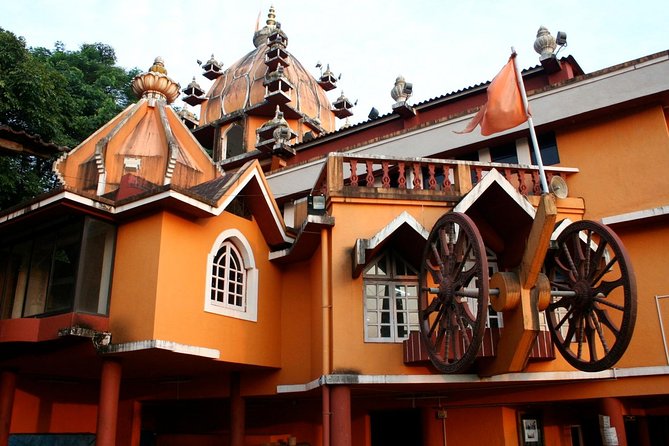
The tour finishes at Maruti Temple, Panjim. Ending at a temple works well because it’s a recognizable landmark and a natural point where you can reset your bearings. After two hours on foot, you’ll usually find it easier to orient yourself around central Panjim.
The walk is designed to resolve mysteries of the city’s present-day look with the stories you hear along the way. In plain terms: the same streets you were viewing as scenery now make more sense. That’s the quiet value of a good guide—your brain starts filing information in the right folders.
When you’re done, use the tour momentum. The experience is specifically meant to leave you with ideas for where else to explore during your stay. If you want a simple next step, pick one nearby area you now understand better, then keep walking or use public transport rather than jumping straight to a far-off plan.
Price and value: $13.15 for a story-led old-town walk
At about $13.15 per person, this is priced like a value add-on rather than a premium experience. For that money, you get a structured 2-hour walk, narration in English and Hindi, and access to side lanes and places you’d likely skip alone.
Here’s why that can be worth it even if you think walking tours are common: not all walking tours give you practical help. This one is built around local recommendations—including money-saving ideas—and the guide’s storytelling is part of the core product. You’re not only paying for movement; you’re paying for interpretation.
Also, small-group format matters. A group up to 15 is big enough to feel social but small enough that you aren’t lost in a crowd. That usually makes questions and interaction more comfortable.
The one thing that isn’t included is food and drinks, unless specified. So treat it as a walking-and-learning block in your day, not a meal replacement. If you want to enjoy local snacks afterward, plan that next.
What the guide experience feels like in practice
This tour is led by a friendly storyteller trained by Yo Tours. The guide can speak both English and Hindi, and the focus is on history, stories, interesting conversations, and anecdotes tied to what you see.
That style is a big deal. When guides just recite names and dates, you forget quickly. When guides talk about folklore and culture in the flow of a walk, you tend to remember the feeling of each place—what it represented and why it mattered. That’s the kind of learning that helps later when you wander on your own.
I also like that the tour is described as giving you real local tips, not generic advice. The best parts of these tours are usually the practical suggestions: where to spend time, how to navigate your day, and how to avoid unnecessary costs.
Group size, pacing, and who should book
With a maximum of 15 travelers, pacing is likely to stay flexible. That’s ideal if you want a guide to set the route but not rush you like you’re in a moving parade. The most people can participate note suggests it’s meant to be broadly doable.
This is a good fit if you:
- want a quick orientation to Panjim’s old-town areas
- enjoy storytelling tied to places, not just lists of sights
- like local tips, especially ones focused on saving money
It might be less ideal if you want long stops, heavy museum-style time, or a tour that’s focused on only one niche topic. This is about mixing history, culture, folklore, and walking in a short window.
If you’re traveling solo, the small group format can make it easier to meet people without forcing it. If you’re with family, the short duration helps you keep the day manageable. Just remember that there are steps in the Altinho Hill section.
Logistics that can trip you up (and how to handle them)
This is not a hotel pickup and drop-off tour. So your biggest planning tasks are: getting to the starting point near Our Lady of the Immaculate Conception Church and being ready to finish at Maruti Temple.
Since the tour uses a mobile ticket, have that accessible on your phone before you arrive. It’s a small detail, but it can save time at check-in.
The tour also has free cancellation up to 24 hours in advance for a full refund. That’s good insurance if your schedule changes. Still, I’ll be blunt about the only real downside pattern I saw from the available feedback: there was one situation where the operator canceled with about 10 minutes’ notice, and the affected person ended up paying a large taxi cost to reach the meeting point from a cruise terminal.
You can’t plan for every surprise. But you can reduce the damage: keep your day flexible if you can, and if your travel plan depends on a tight connection, consider having a Plan B for your transport to the meeting area.
Should you book this Panjim walking tour?
If you want a short, story-led way to understand Panjim—especially Altinho and the older religious landmarks—this tour is a solid choice. The time is reasonable, the group size stays small, and the guide’s English/Hindi storytelling plus local money-saving tips make it more useful than a basic stroll.
Skip it only if you hate walking with steps or you’re traveling with zero flexibility on timing and transport. In that case, you might be better with a self-guided plan where you control every step of the schedule.
My take: for the price, getting a trained guide to connect the dots across church area streets, Altinho Hill, and major old-town landmarks is a smart use of a couple of hours—especially if it’s your first visit to Panjim.
FAQ
Where does the tour start and end?
The tour starts at Our Lady of the Immaculate Conception Church in Altinho, Panaji, Goa. It ends at Maruti Temple in Panjim, after the walk through the city streets.
How long is the walking tour?
The duration is about 2 hours.
How far do we walk?
It’s about 1.2 miles (2 kilometers).
What’s included in the tour price?
Included are a friendly English- and Hindi-speaking guide trained by Yo Tours, local tips and recommendations, access to lanes and places, and conversation with stories.
What is not included?
Food and drinks are not included unless specified.
How big is the group?
The tour has a maximum of 15 travelers.
Is it easy to reach the meeting point?
The meeting point is near public transportation, and the tour does not include hotel pickup and drop-off.