REVIEW · GOA
Capital City, Churches & Forts Of Goa, Old Goa Churches, Panaji City.
Book on Viator →Operated by Crossmiles Travel Pvt. Ltd. · Bookable on Viator
Churches and forts, minus the beach shuffle. This private day in Goa strings together Panaji (Panjim), the old Latin Quarter of Fontainhas, then into Old Goa’s famous church complex before finishing with the big military views at Reis Magos Fort and Fort Aguada. You get the practical win of a guide + comfortable ride, so you’re not doing guesswork between river, neighborhoods, and shoreline viewpoints.
What I really like is how the day mixes picture-taking with context: Portuguese influence is the thread, from architecture in Panaji to the colonial-era monuments of Old Goa. The other big plus is the pace: most stops are about an hour, which keeps it moving without turning into a marathon. One consideration: it’s still 6 to 8 hours and includes walking, so bring comfy shoes—one older guest noted it can feel tiring.
In This Review
- Key things that make this Goa culture day work
- Why Panaji first makes the whole day click
- Fontainhas: the Portuguese quarter you can actually walk
- Old Goa’s churches: where colonial power left a footprint
- Reis Magos Fort: the history-and-views payoff
- Fort Aguada at Taj Fort Aguada Resort & Spa: shoreline strategy
- Your guide and driver: how communication shapes the day
- Timing and energy level: a full day, not a quick hit
- Price value: what $100 gets you (and what it doesn’t)
- Who should book this tour
- Should you book Capital City, Churches & Forts of Goa?
- FAQ
- How long is the tour?
- Do you get pickup?
- Is admission included for the main stops?
- Is lunch included?
- What’s the group size limit?
- Is it a private tour?
- Do I need good weather?
- Is there free cancellation?
- Do they provide digital tickets?
- Are the guides English-speaking?
Key things that make this Goa culture day work
- Small group size (up to 15) with a local guide, so it feels personal without getting cramped
- Private transportation that helps you dodge Goa’s driving chaos and time lost to navigation
- Fontainhas (Bairro das Fontainhas) for Portuguese-era streets and atmosphere in Panaji
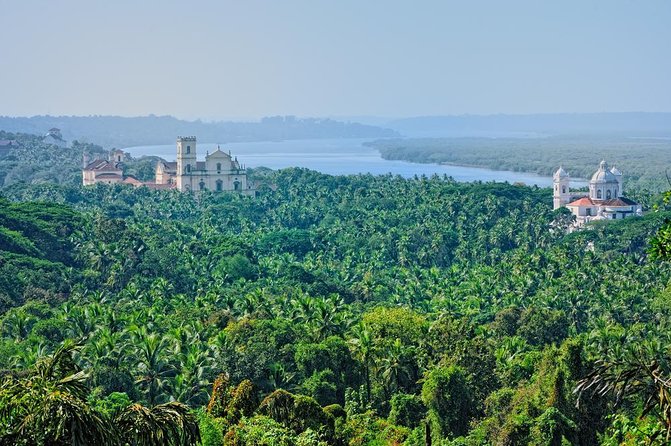
- Old Goa churches and cathedrals tied to the Portuguese capital era, including major sites like the Basilica of Bom Jesus area
- Fort Aguada and Reis Magos for history + big views, not just buildings
- Entry costs are handled (all fees and taxes included; and Reis Magos + Aguada have admissions included)
Why Panaji first makes the whole day click
Starting in Panaji (Panjim) is smart. It’s the state capital, and it sits right on the Mandovi River, which means your brain gets oriented early: streets, river, hills, and that distinct Goan Portuguese layer you’ll keep seeing all day. The heritage walk is also a good warm-up because it’s mostly easy moving and short stops, not a long hike.
You’ll get a feel for how Panaji works today—old buildings next to living city streets—then you can contrast it with what you’ll see later in Old Goa, which feels more time-anchored. Even if your Goa plan is mostly beaches, a “culture day” like this gives you a different memory: not sand and sun, but stone, stories, and civic life.
If you like your tours to have flow, this one does. It doesn’t start with forts and then toss you into churches. It builds context, then pays it off.
You can also read our reviews of more city tours in Goa



Fontainhas: the Portuguese quarter you can actually walk
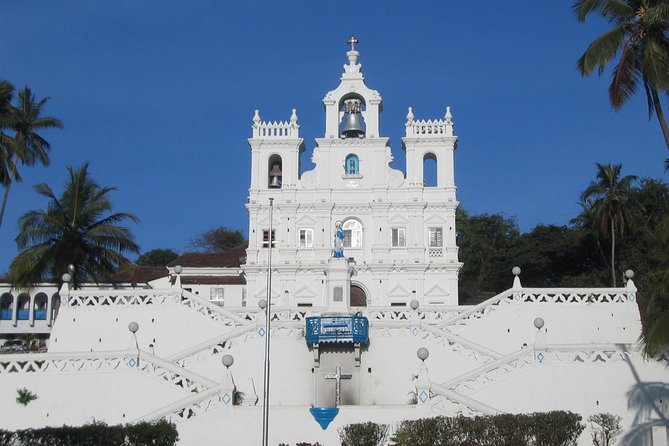
Fontainhas (Bairro das Fontainhas) is the kind of neighborhood where you slow down without meaning to. This old Latin Quarter keeps Portuguese influence most clearly through architecture—colorful facades, heritage streets, and a calmer rhythm than the main roads.
It’s also a relief to have a walking segment here. Panaji’s streets help you understand the “look” of Portuguese Goa before you hit the more formal religious sites later. And because your stop is about an hour, it’s long enough to wander and take photos, but short enough that you’re not cooked before lunch—though lunch isn’t included, more on that later.
Practical note: you’ll likely want to keep your phone handy. The views and angles are better than you expect, and it’s the kind of place where you’ll keep spotting details after you think you’ve already “got it.”
Old Goa’s churches: where colonial power left a footprint
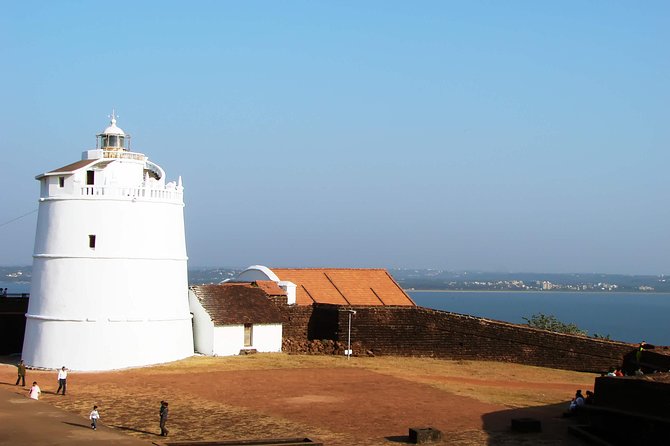
Old Goa (Velha Goa) is where you go when you want the Portuguese era to feel real. This is the former capital of Portuguese India, and it’s packed with colonial-era monuments and churches and cathedrals that are often listed among the UNESCO-recognized sites in the region.
Basilica of Bom Jesus is the big-name landmark you’ll hear about, and it anchors the area’s reputation. The setting by the Mandovi River adds to the “historic enclave” feeling—buildings that look like they belong in a different century, even as Goa continues evolving around them.
What makes this stop valuable isn’t just seeing pretty architecture. It’s understanding why the churches matter: they weren’t only religious landmarks. They were also symbols of power, community, and cultural blending, all concentrated into a walkable cluster.
One more thing: Old Goa can feel hot and brighter than you expect, so pace yourself. If you’re the type who hates rushed photo stops, this is still manageable because you’re not on a nonstop sprint through dozens of sites.
Reis Magos Fort: the history-and-views payoff
After church culture, you shift to military architecture. Reis Magos Fort started as an armed outpost back in 1493, tied to the Adil Shah of Bijapur. When the Portuguese conquered the area in 1541, they built the fort along with a church. Later, the fort lost its defensive role from 1900 onward.
That timeline matters because it explains why the fort feels layered. It’s not just a single “Portuguese fort” story. It’s a crossroads history that changed hands, purposes, and meanings over time.
It’s also a practical break from indoor time. Fort stops usually give you two things: open air and strong views. Here, you’ll get the sense of how shore and river travel mattered. And because the stop includes admission, you’re not scrambling for extra payments on the spot.
Fort Aguada at Taj Fort Aguada Resort & Spa: shoreline strategy
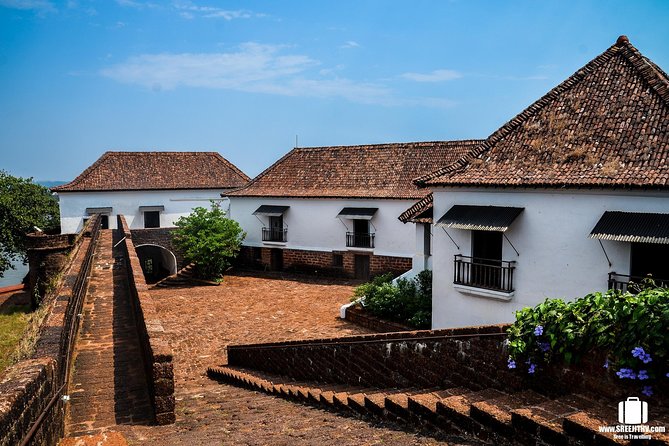
Fort Aguada is one of the most interesting endings for this kind of tour, because it connects history to geography. This Portuguese fort was constructed in 1612 to guard against the Dutch and the Marathas. It also acted as a reference point for vessels arriving from Europe—a reminder that Goa wasn’t just a destination. It was a stop in a bigger maritime system.
And yes, it’s perched by the coast, so the fort experience is equal parts history and coastal perspective. Even if you’re not a “fort person,” the strategic reasoning helps. You start to picture the ships, the coastline, and why someone would build a lookout here.
Admission is included at this stop, so you can focus on the scenery and the guide’s explanation without worrying about ticket logistics.





Your guide and driver: how communication shapes the day
This tour shines when the guide turns sites into stories you can remember. Past experiences highlight local experts, with examples including Stanley and Ashwin, plus guides like Sachin and Antonio, and a guide named Manual. You’ll also see that communication was handled well through Crossmiles Travel, with a contact mentioned as Jeul.
A good guiding style matters here because the sites cover different themes: Portuguese neighborhoods, Old Goa religious monuments, then Portuguese military forts. When the guide links the dots, it feels like one coherent lesson instead of five separate stops.
Driving also matters in Goa. One mention stood out: Nicolas drove like a pro and kept things smooth on the roads. With private transport, you benefit from that local skill and save time that can easily get wasted in traffic and wrong turns.
Timing and energy level: a full day, not a quick hit
Even though each major stop is around an hour, the whole experience is 6 to 8 hours. That’s a real commitment, especially in warmer weather. If you’re traveling with older legs or anyone who doesn’t love standing in sun, wear shoes that you’d trust for uneven pavement and take water.
Also note: the tour requires good weather. If conditions are poor, you’ll be offered a different date or a full refund. That’s a good sign for planning, because it means the operator is trying to avoid turning the day into a wet-weather slog.
Price value: what $100 gets you (and what it doesn’t)
At about $100 per person, this is positioned as a culture-focused day with practical inclusions. Here’s how that price likely feels in real life:
- Private transportation is included, which is usually the biggest cost driver on tours like this.
- A local guide is included.
- All fees and taxes are included.
- Admission is included for Reis Magos Fort and Fort Aguada, while other stops list free admission tickets.
What you should budget separately: lunch. That’s the one obvious gap. If you want to keep costs predictable, plan a lunch pickup near your last stop or pack something simple before you go—whatever fits your style.
So is it worth it? If you want Portuguese Goa without dealing with ticket lines, ride coordination, and route planning, yes. If you’d rather self-drive and wander only at your own pace, you might feel the structure is more than you need. But for first-time visitors, it’s a strong value because you hit the core themes in a single day.
Who should book this tour
This fits best if you:
- Want Portuguese history and architecture but also need a clear, guided plan
- Prefer comfortable private transport over figuring out logistics in a new country
- Like seeing a range: city neighborhoods (Panaji and Fontainhas), then Old Goa monuments, then forts with views
It’s less ideal if you:
- Hate walking segments and prefer fully indoor, low-steps itineraries
- Are trying to fit Goa culture into a short window with minimal time on the go
Should you book Capital City, Churches & Forts of Goa?
I’d book it if you want your Goa trip to include more than beaches. This day gives you a concentrated hit of Panaji street character, Fontainhas Portuguese identity, Old Goa’s famous church legacy, and coastal fort viewpoints—without making you coordinate the pieces yourself.
If you’re the type who thrives on context and appreciates guided explanations, this tour should make the day feel meaningful. Just come prepared for a full 6 to 8 hours with walking, plan for lunch on your own, and keep the weather in mind. Do that, and you’ll leave with a Goa story that’s a lot more interesting than sunburn.
FAQ
How long is the tour?
The tour runs about 6 to 8 hours.
Do you get pickup?
Yes, pickup is offered.
Is admission included for the main stops?
All fees and taxes are included. Admission is listed as free for the Panjim Heritage Walk, Fontainhas, and Old Goa stops, and admission is included for Reis Magos Fort and Taj Fort Aguada Resort & Spa.
Is lunch included?
No, lunch is not included.
What’s the group size limit?
The tour has a maximum of 15 travelers.
Is it a private tour?
It’s described as a private tour with personalized attention, and you’re transported in comfortable private transportation.
Do I need good weather?
Yes. The experience requires good weather. If it’s canceled due to poor weather, you’ll be offered a different date or a full refund.
Is there free cancellation?
Yes. You can cancel up to 24 hours in advance for a full refund.
Do they provide digital tickets?
Yes, it includes a mobile ticket.
Are the guides English-speaking?
Past experiences mention guides with excellent English, and local guides are part of the included package.