
REVIEW · NORTH GOA DISTRICT
Mulgao Folk Village & Coconut Farming Experience – Make It Happen
Book on Viator →Operated by Make It Happen · Bookable on Viator
Mulgao Folk Village feels like a morning shortcut to older Goa. You’ll move through temples, folk shrines, and coconut-farm life in about three hours, starting at Sateri Temple and finishing back there. I like how the day pairs story-driven village visits with hands-on farming lessons at Mulgão Verde, so it’s not just sightseeing. Two highlights for me are the temple guidance by local storyteller Pritam, and the big payoff: a farm-to-table lunch after learning how coconut products are made.
One thing to plan for: this isn’t a walking trail. You’ll need transportation, and good weather matters since the experience can be rescheduled if conditions are poor.
In This Review
- Key Things I’d Not Miss
- Temple Shrines in Mulgao: A Culture Walk That Moves Fast
- The Village Part: What You’ll See and What It Feels Like
- Mulgão Verde Coconut Farm: Agri-Tourism With Real Work
- Virgin Coconut Oil Lesson: Why the Process Matters
- Coconut Palm in Daily Life: Practical Uses You’ll Actually Remember
- Zeroposro Store: Zero Waste Ideas for Kitchens at Home
- Lunch in the Coconut Grove: Farm-to-Table With a Gentle Pace
- Price and Logistics: Getting Value From $31.18
- Who Should Book This Tour (and Who Might Skip It)
- Should You Book Mulgao Folk Village & Coconut Farming?
- FAQ
- Where is the tour meeting point?
- What time does the experience start?
- How long does the tour take?
- Is lunch included?
- Do I need transportation?
- What will I learn at the coconut farm?
- Is there a zero waste stop?
- What happens if the weather is poor?
Key Things I’d Not Miss
- Pritam’s temple stories make the shrines feel personal, not like a checklist.
- Mulgão Verde farm activities show farming stages tied to the coconut palm.
- Learning how virgin coconut oil is produced (and why the process matters).
- A stop at the Zeroposro Store, focused on zero waste kitchen support.
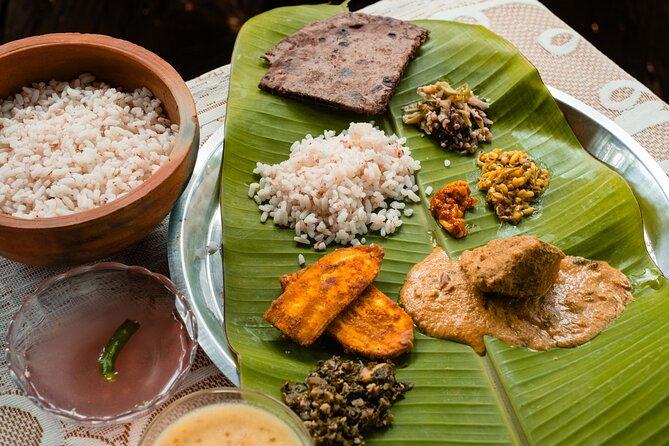
- Lunch is included, served as a traditional farm-to-table meal at the coconut farm.
Temple Shrines in Mulgao: A Culture Walk That Moves Fast
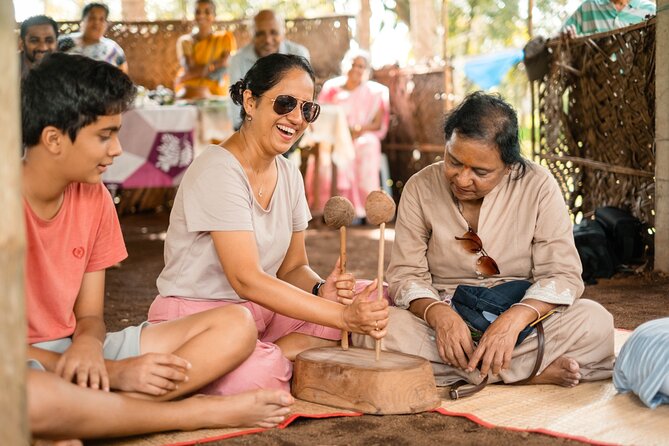
You start at Sateri Temple, Mulgao (around 11:00 am), and from there the day rolls through Mulgao village, known for its folk culture and pre-Portuguese heritage. Mulgao is also famous for an abundance of temples and shrines—think over fifty places of worship—so the “where do we go next?” feeling never drags. Instead, the rhythm is: arrive, learn, look closer, then move on.
What I like most is that these are not treated like random points on a map. The tour frames the shrines through local beliefs—especially the guardian deities that are respected by the community. That changes how you notice things. You start paying attention to the small details you would otherwise skim past: the signs of daily devotion, the way shrines sit within the village routine, and how religious life blends into everyday Goa.
Also, the group size stays small (maximum 15 travelers). In practice, that helps the guide keep things interactive without turning it into a lecture hall. With Pritam leading the storytelling, the temple part feels both informative and fun, with a tone that makes local culture easier to digest.
You can also read our reviews of more tours and experiences in North Goa District.


The Village Part: What You’ll See and What It Feels Like
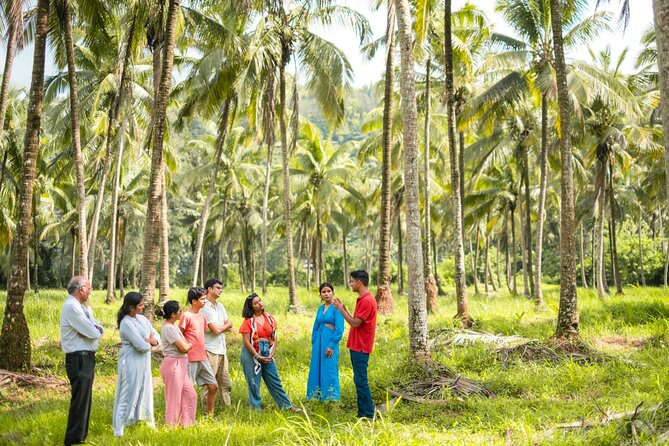
Mulgao village life is the spine of this tour. You’re introduced to the rustic village atmosphere and the role of agriculture and spirituality in the same breath. The tour includes visits to various shrines and holy sites—so you’ll get variety in sacred spaces, rather than repeating the same type of stop.
There’s a practical side here too: because it’s not a long walking route, you can still see a lot without burning the day. That matters if you’re visiting Goa and want culture plus food plus farm learning, all in one morning.
The only drawback is the lack of flexibility if you’re the kind of traveler who likes to wander at your own pace. Since it’s structured and not a walking trail, you’ll follow the flow. If you prefer deep solo time in one place, this may feel a bit guided—but that’s also what keeps it to around three hours.
Mulgão Verde Coconut Farm: Agri-Tourism With Real Work
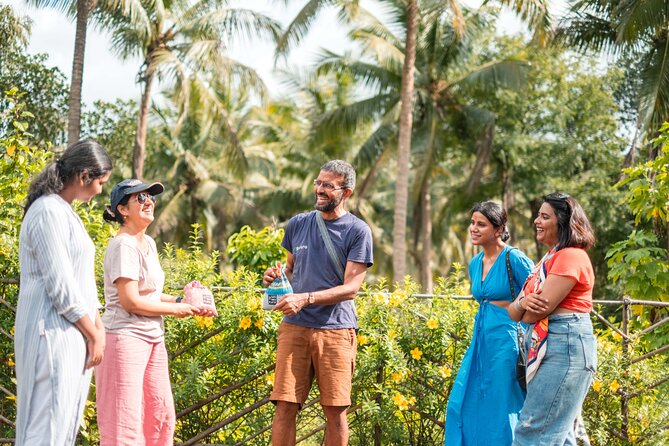
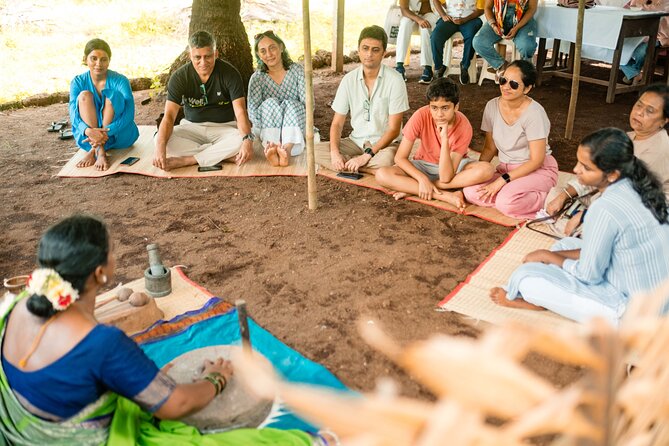
Next comes the agritourism portion at Mulgão Verde, the coconut farm where you’ll join the owners for farm activities. This is where the tour becomes less “look at the farm” and more “understand the farm.” You’ll participate in different stages of the farming process, which is the key to getting why each step exists.
The farm stop also makes the coconut theme feel logical. Instead of treating coconut as a food-only item, the tour connects it to farming choices, daily use, and local production. You start seeing the coconut palm as a full system: something that supports livelihoods, household needs, and local knowledge.
What you should expect here is a more practical feel than the temple portion. You’ll be around people doing work tied to the day’s reality of the farm, and you’ll learn about sustainable farming practices and organic methods.
Virgin Coconut Oil Lesson: Why the Process Matters
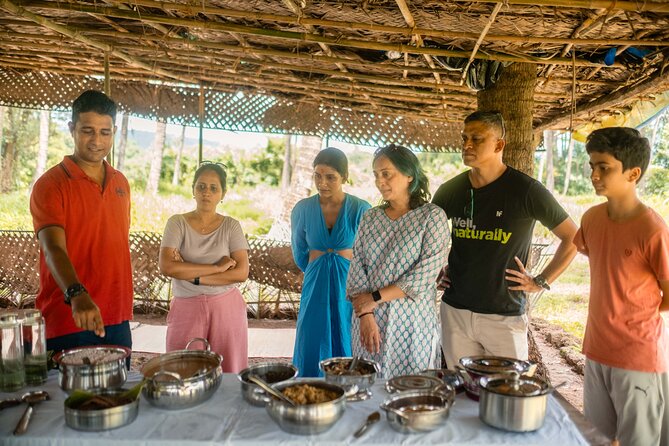
The star product lesson is Virgin Coconut Oil. The experience walks you through the process of production, along with other novel coconut-based products. Even if you already know coconut oil is used in cooking and home care, this part helps you understand that it’s not just a label—it’s tied to how the raw material is handled and processed.
For your brain, this is the moment where the whole tour starts clicking. The village shrines explain cultural meaning. The farm explains practical dependence on nature. The oil production connects the two by showing how local agriculture becomes everyday products.
It also supports a useful takeaway you can apply elsewhere: sustainable isn’t just a buzzword here. The tour links farming practices to the idea of long-term thinking—how to keep land and water healthier so production can continue.
Coconut Palm in Daily Life: Practical Uses You’ll Actually Remember
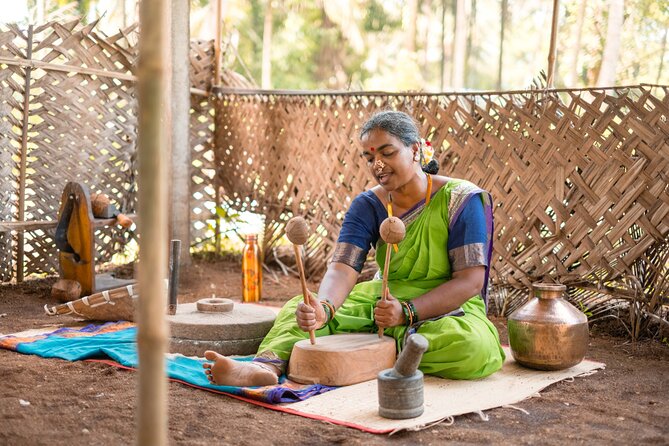
One of the tour’s smartest choices is how it handles coconut. You’re not just told that coconut is important—you get a guided explanation of the various uses of the coconut palm in daily life in Goa.
This matters because it prevents the “single-product” trap. Many tours focus on one highlight (like just oil). Here, the palm is treated as a multi-use resource. That makes it easier for you to leave with a mental map of what coconut supports: food, materials, and the general rhythm of village life.
If you like learning through examples—how something is used at home, not just in a factory—this part hits the right tone.






Zeroposro Store: Zero Waste Ideas for Kitchens at Home
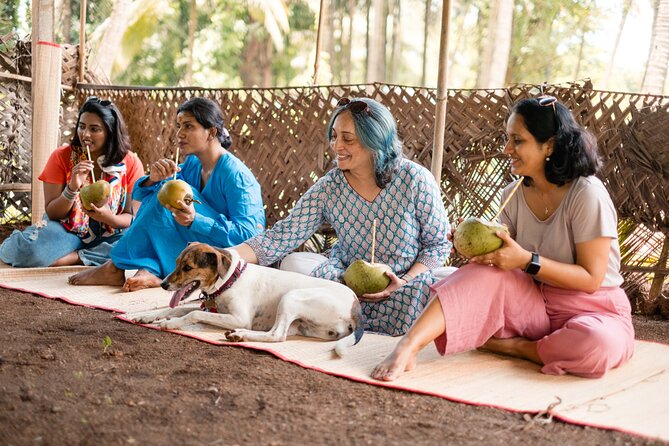
After the farm and the production learning, you’ll visit Zeroposro Store, which is dedicated to supporting zero waste kitchens. This is not presented as guilt or perfection. It’s more like a set of practical ideas you can try, especially if you already care about cutting waste but want clearer habits.
For me, the best value in the store visit is the bridge between farm sustainability and your everyday decisions. You go from learning farming practices to seeing how zero waste can translate into kitchen routines—buying decisions, packaging reduction, and using products in a smarter way.
Even if you don’t go full zero waste at home, it’s the kind of stop that gives you one or two realistic changes. That’s more useful than a lecture that assumes everyone has unlimited time and money to overhaul everything at once.
Lunch in the Coconut Grove: Farm-to-Table With a Gentle Pace
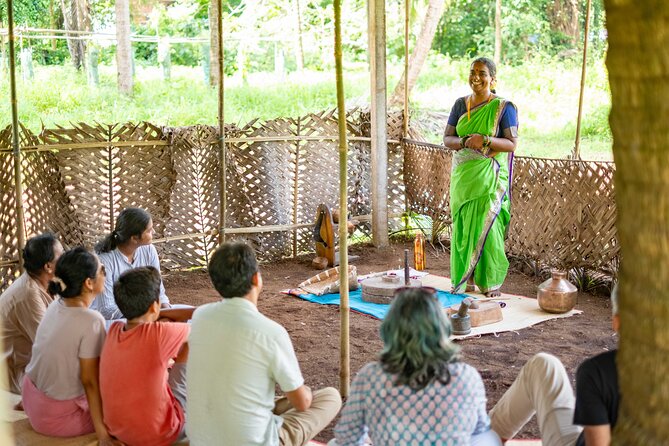
Lunch is included, and it’s served as a traditional Goan farm-to-table meal hosted at the organic coconut farm. This is the payoff moment after the temple and oil lessons, because you get to eat in the setting that explains the story.
The description also hints at the vibe: a meal enjoyed with the gentle breeze in the middle of a coconut grove. In other words, you’re not just paying for food—you’re paying for context, and the context is part of the taste.
One practical note: if you’re planning your morning around this, leave room for a proper meal. Because you’ve spent time listening, walking around sacred spaces (even if it’s not a walking trail), and participating in farm activities, your appetite should show up naturally.
Also, since the tour starts at 11:00 am and lasts about three hours, this works especially well as a late morning plan that avoids turning your day into a schedule marathon.
Price and Logistics: Getting Value From $31.18
At $31.18 per person for about three hours, this tour is priced to feel like a smart local experience rather than a premium “big attraction” day. The value isn’t just the price point—it’s what you get packed into it: temple visits, farm activities, virgin coconut oil production learning, a zero waste store stop, and lunch.
That bundle matters. If you tried to assemble these pieces yourself—getting transport, arranging a farm lesson, and finding an authentic lunch—you’d likely spend more time and often more money.
Now for logistics, the key point is simple: transportation is required. The experience is not a walking trail, and you’ll need your own vehicle or transport arranged at your end. Since the tour is around three hours and returns to the meeting point, you should think of it as a morning circuit rather than a hike.
Also, bring your own basics. The experience does not provide umbrellas, raincoats, hats/caps, face masks, or sanitizers. If you’re visiting during a showery week, don’t assume you’ll be covered. And remember: good weather is required—if it’s canceled due to poor weather, you’ll be offered a different date or a full refund.
Finally, you get a mobile ticket, and you’ll receive confirmation at booking. With a maximum of 15 travelers, it’s unlikely to feel crowded, but it still helps to show up on time so the morning stays on track.
Who Should Book This Tour (and Who Might Skip It)
This is a strong match if you want:
- Authentic Goan village culture with a guide-led story thread
- Farm learning that goes beyond photos, including virgin coconut oil
- A satisfying plan that includes lunch and doesn’t swallow the whole day
- A calmer group setting (max 15) that keeps questions and conversations flowing
It may be less ideal if you:
- Want a totally independent wandering day with lots of free time
- Prefer fully self-paced travel where transport and stops are minimal
- Are relying on the weather being perfectly dry and sunny (good weather is required, and rain can affect plans)
One more thought: if you love learning how food and daily products connect to place—this tour is built for that.
Should You Book Mulgao Folk Village & Coconut Farming?
My take: book it if you want a short, high-impact North Goa morning. The best parts are the way the day connects sacred village life to coconut-farm reality, and the payoff of lunch in the same environment where you learned about the production process.
If you’re price-conscious, this stands out because it bundles farm activities, shrine visits, and lunch into a single ticket. If you’re more interested in either temples or farming but not both, you may still find it worthwhile because the structure links them instead of treating them as separate worlds.
Only hold off if weather is uncertain for your dates or if you strongly dislike guided movement and transport. Otherwise, this is the kind of experience that leaves you with more than memories—you leave with practical understanding of coconut life in Goa.
FAQ
Where is the tour meeting point?
The tour starts at Sateri Temple, Mulgao (JW59+WVQ, Unnamed Road, Mulgaon, Goa 403503, India).
What time does the experience start?
The experience starts at 11:00 am.
How long does the tour take?
The duration is about 3 hours.
Is lunch included?
Yes. Lunch is included as a traditional Goan farm-to-table meal at the organic coconut farm.
Do I need transportation?
Yes. This experience is not a walking trail, so you’ll need transportation. You can use your own vehicle or transport arranged at your end.
What will I learn at the coconut farm?
You’ll learn about sustainable farming practices, participate in farm activities, and understand the process of Virgin Coconut Oil production, along with other coconut products.
Is there a zero waste stop?
Yes. The itinerary includes a visit to the Zeroposro Store, which supports zero waste kitchens.
What happens if the weather is poor?
This experience requires good weather. If it’s canceled due to poor weather, you’ll be offered a different date or a full refund.