REVIEW · NORTH GOA DISTRICT
Chronicles and Echoes of Divar Island by Make It Happen
Book on Viator →Operated by Make It Happen · Bookable on Viator
A ferry ride in Goa can be more than transport. Divar Island turns that short crossing into a slow, local way to understand how Goans live on the Mandovi River’s big inner islands. I like that the day is built around real village routes and viewpoints, not just quick photo stops.
Two things I especially like: you get to travel by ferry while looking out over the river and fishing activity, and you also explore the island from higher ground for a sense of how Divar actually fits into the coastline and waterways. One consideration: this isn’t a walk-everywhere trail, so you should expect road and vehicle time as part of the experience.
And yes, the small-group size helps. With a maximum of 15 travelers, the pace stays human, and the guide’s context has room to land.
In This Review
- Key things to know before you go
- Divar Island: the Goan side most people rush past
- Mandovi River ferry ride: your calm intro
- Stop on Divar Island: paddy fields, temples, churches, and Indo-Portuguese details
- Why this works for first-timers
- One likely drawback
- Hills above Divar: the viewpoint that makes everything click
- Who leads the way: local context with a personal touch
- Food and comfort: snacks included, so you actually enjoy the day
- Duration and pacing: what 4 hours feels like on an island loop
- Group size and tour style: small group, vehicle-based exploring
- Price and value: how $18.41 makes sense here
- Practical details that will help your day go smoothly
- When this tour is a great fit (and when it isn’t)
- Should you book Chronicles and Echoes of Divar Island?
- FAQ
- How long is the Divar Island village tour?
- What’s included in the price?
- What isn’t included?
- Where does the tour start?
- Is this a walking tour?
- How big is the group?
- What if the weather is bad?
Key things to know before you go

- Ferry-first experience: start by taking the ferry across the Mandovi, then keep seeing the island through river and village angles.
- Divar’s geography matters: it’s about 6 km long and 3 km wide, and it’s the second largest of the Mandovi River islands.
- Temples + churches + Indo-Portuguese architecture: expect the layered Goan story in everyday buildings.
- A hill viewpoint gives perspective: you’ll look back over rivers and fields, which makes the village feel less “random.”
- Snacks are included: breakfast snacks for morning tours and high tea for afternoon tours keep the energy steady.
- Not a walking trail: you’ll need vehicle-based island exploring rather than long on-foot stretches.
Divar Island: the Goan side most people rush past

Divar Island is one of the seven islands in the Mandovi River, and it’s the second largest. The biggest island is Charao, but Divar is the one that often feels like a living museum of everyday Goan life—paddy fields, older worship sites, and Indo-Portuguese touches you can still see without any theatrical staging.
What I like about this setup is that you’re not just viewing heritage from a distance. You’re moving through it via the same kinds of roads that connect villages, rivers, and farmland, so the architecture and faith sites make more sense because you’re seeing them in context.
You can also read our reviews of more tours and experiences in North Goa District.


Mandovi River ferry ride: your calm intro
Your tour begins at the ferry to Divar near NH 4A, Ribandar, Piedade, Goa 403006. That matters because the ferry ride is not just a ticketed transfer—it’s your orientation. From the water you can judge the scale of the Mandovi River and spot how fishing and river life shape daily routines.
As you travel, you’ll get that “oh, this island isn’t separate from Goa” feeling. The Mandovi isn’t a postcard backdrop here—it’s the working artery that connects communities and explains why riverside roads and fields matter so much.
Stop on Divar Island: paddy fields, temples, churches, and Indo-Portuguese details
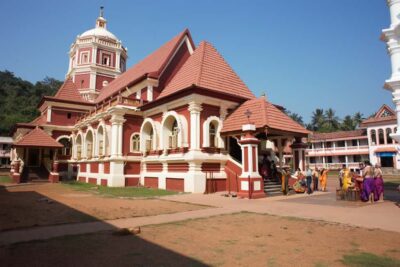
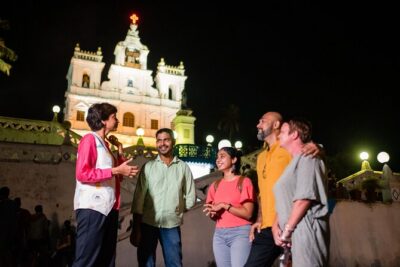
The core time is spent on Divar itself, and the tour is clearly designed to show how different parts of island life connect. You’ll travel along the island’s rivers and winding roads, then encounter the visual rhythm of agriculture and worship—paddy fields, ancient temples, churches, and Indo-Portuguese architecture.
This mix is more meaningful than it sounds. Goa’s story is partly about cultural layers, and Divar gives you that in a way you can read with your eyes: older temple forms beside church buildings, and Indo-Portuguese design language showing up in structures that look lived-in, not museum-like.
Why this works for first-timers
If it’s your first time in Goa, you might only know the beach Goa image. This tour gives you the inland Goa picture fast, and you learn how the Mandovi River system supports settlement, farming, and community space.
One likely drawback
Because this is vehicle-based (not a walking trail), you won’t get the full “slow wandering” feeling some people want. If you’re hoping for long stretches on foot where you can stop anytime, this probably won’t match that style.





Hills above Divar: the viewpoint that makes everything click
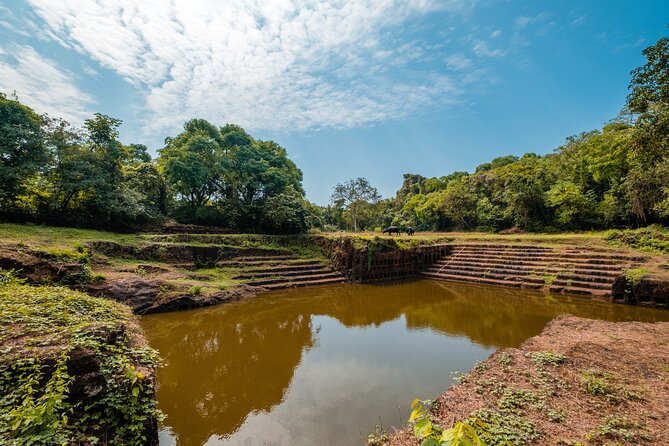
One of the tour’s highlights is getting perspective from hills above the island. That’s a smart move on a river island, because from ground level, it’s easy to think of Divar as just a cluster of roads and buildings. From higher ground, you see how the rivers, fields, and village pockets relate to each other.
I find viewpoint moments are where travel turns from “things I saw” into “I get it.” You start recognizing patterns—how waterways guide movement, where fields spread, and how the island’s shape influences daily life.
Who leads the way: local context with a personal touch
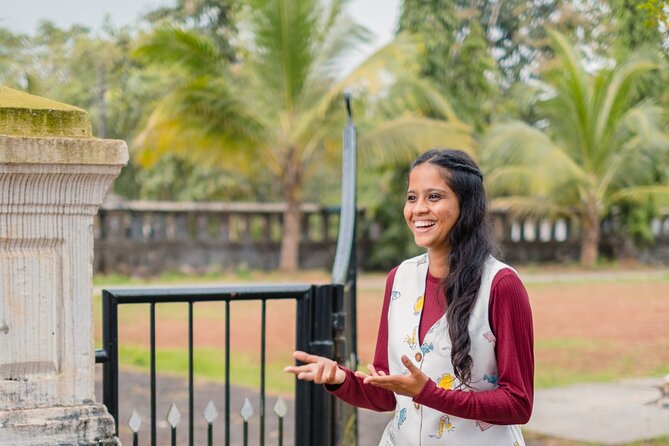
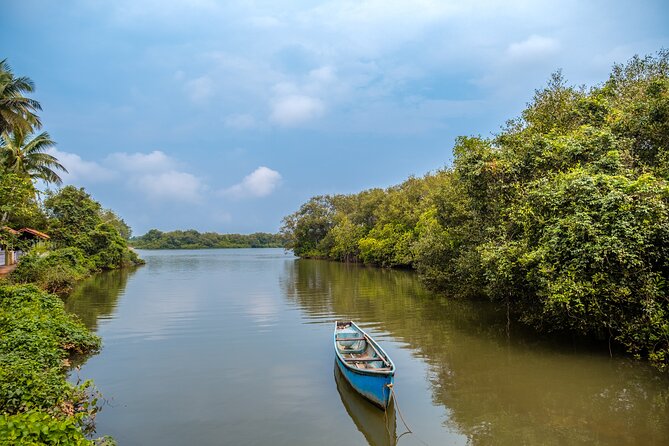
This experience is led by a guide, and the main value is the context around history and social life—not just dates and names. You’re guided through the peaceful green area of the island and you learn how Divar works as a community space, not a detached attraction.
The program is operated by Make It Happen, and one reported highlight from past participants is the host experience involving Antonio and his wife, plus guidance from Pawan, noted for strong local knowledge and making the experience feel easy to connect with. Even if you don’t remember every detail, you’ll likely remember the clarity—what to notice as you move from paddy fields to religious sites to viewpoints.
With up to 15 travelers, questions land better and the guide has more flexibility to pace explanations to the group.
Food and comfort: snacks included, so you actually enjoy the day
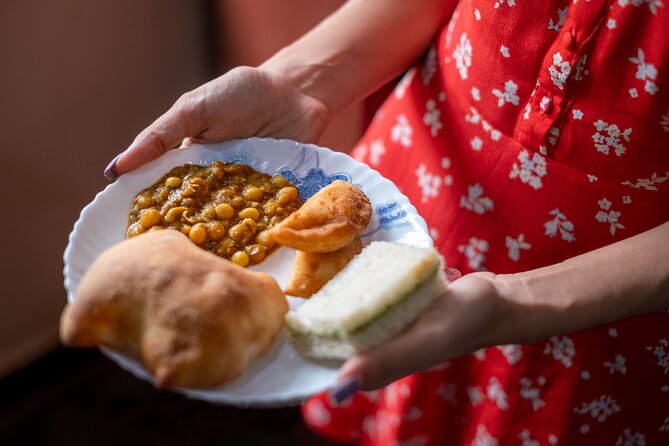
You get snacks for the morning tour (breakfast) and high tea for the afternoon tour, plus all fees and taxes. That’s a genuinely helpful inclusion, especially on a day that’s part ferry ride and part island driving—when you might otherwise be hunting for small bites while you’re away from the main roads.
Two small practical notes:
- Bottled water is not included, so plan to buy it before or at the start if you’re the type who likes having a bottle ready.
- The tour is about 4 hours, so snacks matter more than you might think. You want your energy steady for the viewpoint portion.
Duration and pacing: what 4 hours feels like on an island loop
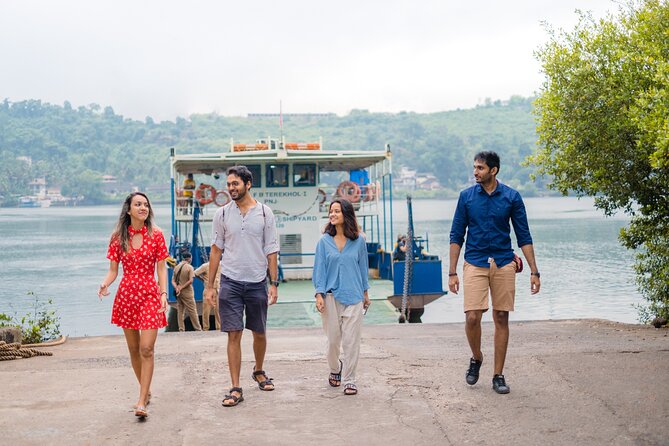
At roughly 4 hours, this is a half-day experience with a clear loop: you start at the ferry to Divar, spend time exploring the island by road, and return back to the meeting point. That timing is ideal if you’re in Goa for multiple activities and you don’t want one tour to swallow a whole day.
The pacing also tends to work well because the itinerary has natural “visual chapters.” Ferry to orient. Village roads and agriculture to absorb. Temples and churches to contextualize. Hills to make sense of it all.
Group size and tour style: small group, vehicle-based exploring

A maximum of 15 travelers keeps things comfortable. You’re not squeezed into a big bus with zero conversation, and you’re more likely to get practical answers when you ask something like how the island’s ferry connections work or why certain areas feel central.
It also comes with a style note: this is not a walking trail and requires transportation. The experience expects you to explore the island using your own vehicle, which is important to know ahead of time. If you prefer tours where you’re fully transported door-to-door and you mostly walk, this might feel more self-directed than you expect.
Price and value: how $18.41 makes sense here
The price is listed at $18.41 per person, with all fees and taxes included. For a tour that combines a ferry component, local guidance, and included snacks (morning breakfast snacks or afternoon high tea), this is the kind of pricing that feels realistic for a half-day cultural outing rather than a full-day private tour.
Is it “cheap” in a way that signals corners cut? Not from what’s described. Instead, it reads like a value-focused program that keeps the group small, sticks to a tight 4-hour flow, and covers the essentials so you can spend your time actually looking and asking questions rather than negotiating ticket bundles.
If you’re comparing options, this is best viewed as: ferry + guided island orientation + religious/cultural stops + viewpoint + snacks.
Practical details that will help your day go smoothly
Here’s how I’d set yourself up based on what’s provided:
- Bring cash or plan to purchase bottled water since it isn’t included.
- Arrive with time for the ferry start area near NH 4A, Ribandar.
- Expect a vehicle-based route. Even with a guide, you’ll want to be comfortable with road travel and short transfers.
- Keep weather in mind. The tour notes that it requires good weather, and if it’s canceled due to poor weather, you’ll get a different date or a full refund.
When this tour is a great fit (and when it isn’t)
I think this is a strong match if:
- You want a Goa experience that isn’t only beaches and nightlife.
- You like cultural layering you can see in everyday places—temples, churches, and Indo-Portuguese architecture.
- You enjoy river geography and want viewpoints that help you understand the whole area.
I’m less sure it’s the best match if:
- You want lots of walking time on paths and foot trails.
- You expect a fully guided, vehicle-to-every-stop “private comfort” format with minimal effort on your part.
Should you book Chronicles and Echoes of Divar Island?
Yes, if your idea of a good Goa day includes ferries, village roads, and the kind of perspective that comes from viewpoint hills. The biggest reason to book is value-for-time: a 4-hour loop that combines ferry travel, guided context, and included snacks, all in a small group setting.
If you’re the type who hates vehicle-based sightseeing or wants long stretches on foot, you might want to look for a different style of tour. But for most first-timers who want Divar’s river-island rhythm without spending a whole day, this is an easy yes.
FAQ
How long is the Divar Island village tour?
It’s approximately 4 hours.
What’s included in the price?
Snacks for the morning tour (breakfast) and high tea for the afternoon tour, plus all fees and taxes.
What isn’t included?
Bottled water and private transportation are not included.
Where does the tour start?
The meeting point is at the ferry to Divar, NH 4A, Ribandar, Piedade, Goa 403006, India.
Is this a walking tour?
No. It is not a walking trail and requires transportation to explore the island.
How big is the group?
The tour has a maximum of 15 travelers.
What if the weather is bad?
The experience requires good weather. If it’s canceled due to poor weather, you’ll be offered a different date or a full refund.