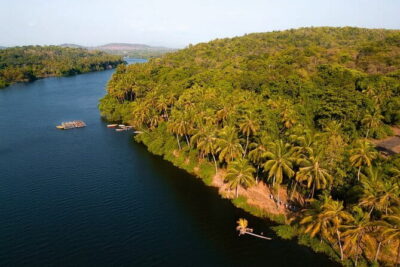
Mangroves, birds, and temple stories in Goa. On Chorao Island, this 4-to-5-hour nature trail mixes a slow boat through mangroves, Portuguese-era clues in local sights, and a calm pace that feels far from the usual beach rush. It’s the kind of half-day plan that lets you see why Goa isn’t only about sun and seafood.
I especially like the start: a Dr Salim Ali Bird Sanctuary boat ride where you have a real shot at spotting birds and even crocodiles along the mangroves. I also love the temple visit, Shri Devaki Krishna Temple, including how the story connects to Portuguese rule and a move of the temple itself.
One possible drawback is logistics: you’ll need your own transport for the whole experience since the operator doesn’t provide a vehicle between spots on Chorao.
In This Review
- Key points
- Chorao Island: Portuguese footprints and a bird sanctuary vibe
- Price and logistics: what you’re paying for
- Raibandar Ferry Terminal meeting point: start smart
- Stop 1: Dr Salim Ali Bird Sanctuary mangrove boat ride
- Stop 2: Shri Devaki Krishna Temple and the Portuguese relocation story
- The rest of the trail: church heritage, a tavern stop, and a seminary trek
- Guides and the feel of the group
- What to bring (so the day stays easy)
- Value check: why this works well for the money
- Who should book this nature trail?
- Should you book The Nature Trail at Chorao Island?
- FAQ
- How long is the Nature Trail At Chorao Island?
- Where does the tour start and end?
- What is included in the price?
- What’s not included?
- Is bottled water provided?
- Do I need my own transportation?
- What happens if the weather is bad?
- What is the cancellation policy?
Key points
- Mangrove boat ride in Dr Salim Ali Bird Sanctuary with a birding expert, plus chance to see crocodiles
- Short, story-rich temple stop at Shri Devaki Krishna Temple (about 15 minutes)
- Local snacks included, so you can focus on the trail instead of finding food
- Small group size (max 15 people) keeps it relaxed on the water and at the sites
- Good weather matters, since this is outdoors for several hours
- You handle transport, with the meeting point at Raibandar Ferry Terminal
Chorao Island: Portuguese footprints and a bird sanctuary vibe
Chorao Island carries a Portuguese nickname too: Ilhas Dos Fidalgos, the Island of the Noblemen. That old label helps explain why the island still feels layered, with religious sites and local stories that don’t match the standard Goa postcard. Add in the fact that Chorao is strongly tied to migratory birds, and you get a place where history and nature share the same dirt roads and waterways.
The trail is designed as a smooth mix: boat time for wildlife, then heritage stops on land, plus food that tastes like where you are. Even the pace fits the island: you’re not rushing from one photo stop to the next, and that makes the scenes feel calmer.
It’s also a smart choice if you want a different side of Goa. Instead of focusing on beaches, you get mangroves, birds, and a few standout religious sites tied to the Portuguese period.
You can also read our reviews of more tours and experiences in North Goa District.


Price and logistics: what you’re paying for
At $22.31 per person, this is priced like a value-focused half-day rather than a “big-ticket” sightseeing package. What helps: several costs are already covered, including boat ride charges, the guided trail, all fees and taxes, and local Goan snacks.
Most of your extra spending will be optional: extra portions of meals/snacks, bottled water, and personal items. Bottled water is specifically not included, so if you’re the kind of person who needs a bottle in hand during an outdoor walk, plan for it before you meet up.
The bigger practical issue is transportation. You’re told clearly that you should have your own transport for the entire experience. That means getting across for the island portions and moving between sites is on you, not on the tour van. In the feedback, this comes up again and again, so treat it as the main thing to plan around.
Raibandar Ferry Terminal meeting point: start smart
The tour starts and ends at Raibandar Ferry Terminal, Ribandar, Goa 403006. That’s convenient if you’re already near public transport or you’re using local rides to hop between areas around Panaji.
Because it’s a loop that returns to the meeting point, you don’t have to solve the final “where do I get back from” puzzle. Still, do give yourself margin. A boat-and-walk schedule only works well if you arrive ready to go, not sprinting for the group.
Bring your phone and charge it. You’ll use a mobile ticket, so having your screen ready helps avoid stress at the start.
Stop 1: Dr Salim Ali Bird Sanctuary mangrove boat ride
This is the headliner. The boat ride takes about 1 hour, and it’s run with a birding expert. That matters because spotting wildlife in mangroves isn’t about luck alone. You want someone who knows where to look and what birds might be active.
The scenery here is practical and real: mangroves and backwaters rather than scenic “views from a viewpoint.” And you’re not just staring at water. The setup is built for observation, including a chance to spot birds and crocodiles along the mangrove edges.
A quick tip: wear shoes you don’t mind getting slightly damp. Mangrove areas and boat crossings can bring moisture, and you’ll feel better if your feet are comfortable for the land stops that come after.
This first hour also sets the tone for the whole day. It’s early and calm-feeling, and it helps you transition into the island’s slower rhythm before you start talking about temples and Portuguese-era stories.
Stop 2: Shri Devaki Krishna Temple and the Portuguese relocation story
After the water, you get a land stop at Shri Devaki Krishna Temple, with an expected visit time of about 15 minutes. It’s short, but it’s not random.
The temple visit focuses on an interesting theme: how the temple was relocated during Portuguese rule. That kind of story adds a layer of meaning to what you’re seeing. You’re not just looking at a building; you’re learning why it exists in its current form.
This stop also helps balance the itinerary. The boat ride is about living nature and movement. The temple stop is about human movement through time—how colonization, decisions, and changing control can physically reshape places.
If you like religious sites with a clear story behind them, this is worth paying attention to. Just don’t expect a long sit-down tour here; the schedule is built to keep you moving through the island.





The rest of the trail: church heritage, a tavern stop, and a seminary trek
Even though the structured stops call out the sanctuary and the temple, the overall experience is broader. The trail is planned to include other points on Chorao, such as the Oldest Church of Chorao, a local tavern visit, and a trek to the seminary.
There’s also a local breakfast with a view baked into the flow. That’s the kind of detail that makes the morning feel like more than just transportation between sights.
Here’s how I’d think about the pacing:
- The boat ride gives you time for wildlife attention.
- The temple stop gives you a quick story hit.
- The remaining time fills in with heritage and walking, including the seminary trek, so you’ll want to keep your energy steady rather than “saving it for later.”
The tavern visit and local food elements are also part of the value. Instead of you hunting for lunch on your own, the tour helps keep the meal timing simple with included snacks and planned food moments.
Guides and the feel of the group
This tour runs in small groups, with a maximum of 15 people. That size matters. On boats, it helps keep the ride calmer. On land, it makes it easier to hear instructions and explanations.
It can also come down to who’s leading you. In the past departures, guides such as Royston, Bob, and Eric have led groups, and their style shows up clearly in the feedback: engaging delivery, clear explanations, and a focus on making sure you understand what you’re seeing out there.
If you prefer tours that feel like a guided walk with stories rather than a lecture, this structure fits well. You spend time on the water, then you move through meaningful stops.
What to bring (so the day stays easy)
Since you’ll be outdoors for several hours and you handle transport yourself, pack with comfort in mind.
I’d bring:
- Comfortable walking shoes for the trek portion and any damp surfaces
- A light layer for early morning and boat wind
- Sunscreen and insect protection (mangroves and daytime humidity are a common mix in Goa)
- Bottled water or a refill plan, since water isn’t included
- Your mobile ticket ready on your phone
Also, because you’re likely to do more than just the two listed stops, it helps to travel with a “half-day stamina” mindset. You’re not going to be walking for hours like a full hike, but there is a trek component and enough movement that you should avoid the brand-new sandals choice.
Value check: why this works well for the money
For $22.31, the big value isn’t just the boat ride—it’s what the booking bundles together: guided trail, boat ride charges, admission ticket for the bird sanctuary, and local Goan snacks. That means you’re not assembling the day from scratch.
The other value is the mix. Many tours pick one theme and stretch it. Here you get nature observation plus religious and Portuguese-era context, plus local food moments. It makes the half-day feel like a complete experience rather than a checklist.
The main tradeoff is the transport requirement. If you don’t have a way to move between sites on Chorao, the day can feel more complicated than the price suggests. So your value depends on how easily you can solve that part.
Who should book this nature trail?
This is ideal if you want:
- a short Goa break from beaches, focused on mangroves and birds
- a guide-led day that includes both nature and heritage
- a calm morning plan that still feels different and active
It might be less ideal if you:
- want a tour where everything including vehicle rides is handled for you
- dislike outdoor mornings or trekking, even in light form
- don’t have an easy transport plan for ferry/island movement and site-to-site travel
If you’re traveling with someone who’s into animals and also into places with a story, this combination is a strong match.
Should you book The Nature Trail at Chorao Island?
I’d book it if you can handle the transport side and you want a Goa day that feels like you stepped into a quieter, wilder corner of the state. The mangrove boat ride in Dr Salim Ali Bird Sanctuary is the kind of experience that you remember because it’s sensory and specific—birds, water, mangroves, and the chance of crocodiles.
But if moving around Chorao by your own means sounds like a headache, don’t ignore that. The tour can be great, and the schedule can be tight, but your day depends on whether you can get yourselves between sites without stress.
If you want a simple half-day plan with real nature and clear cultural stops, this one earns a spot on your itinerary.
FAQ
How long is the Nature Trail At Chorao Island?
It runs about 4 to 5 hours.
Where does the tour start and end?
It starts at Raibandar Ferry Terminal, Ribandar, Goa 403006, and ends back at the same meeting point.
What is included in the price?
Included are guided trail time, local Goan snacks, all fees and taxes, Soul Travelling goodies, and the boat ride charges. The admission ticket for the Dr Salim Ali Bird Sanctuary is also included.
What’s not included?
Extra portions of meals and snacks, personal expenses and medication, bottled water, and private transportation are not included.
Is bottled water provided?
No, bottled water is not included.
Do I need my own transportation?
Yes. You should have your own transportation for the entire experience, since the operator does not provide a vehicle.
What happens if the weather is bad?
This experience requires good weather. If it’s canceled due to poor weather, you’ll be offered a different date or a full refund.
What is the cancellation policy?
You can cancel up to 24 hours in advance for a full refund. If you cancel less than 24 hours before the start time, the amount paid is not refunded.