REVIEW · NORTH GOA DISTRICT
Panjim Food Walk in Goa
Book on Viator →Operated by 5 Senses Walks · Bookable on Viator
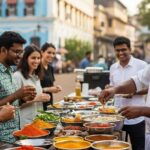
Panjim’s food streets tell stories. This 2.5-hour Panjim Food Walk is a guided route through Portuguese-Goan corners of town, with tastings that help you understand how local ingredients, history, and everyday habits shape the meals here. You’ll also walk past the kind of architecture and alleys you’d miss if you just followed restaurant menus.
I especially love the way the walk mixes real local stops with foods you don’t always see on standard travel spreads. You’ll sample classics like pattoleos (sweet rice parcels) and a ros omelette, then move into market-area bites like fish fry or Goan curry with rice, and finish with a traditional sweet such as perad (guava cheese).
One consideration: tastings are just that. If you’re arriving starving, plan to top up later with a proper meal after the tour, because this is a sampler-style circuit, not an all-you-can-eat dinner.
In This Review
- Key things you’ll notice on this Panjim Food Walk
- Why Panjim’s Portuguese-Goan mix works so well on foot
- Price and what $65 is really buying
- Getting the most out of the 2.5-hour route
- Stop 1: Fontainhas for chai and Goan sweets in the Latin Quarter
- Stop 2: Altinho backstreets for pattoleos and ros omelette
- Stop 3: Rua 31 de Janeiro and the market-area flavors
- Stop 4: India Post head office for a traditional sweet finale
- The guide experience: why small-group matters in food walks
- What kind of traveler should book this Panjim Food Walk?
- A few practical tips before you go
- Should you book this Panjim Food Walk?
- FAQ
- Where does the Panjim Food Walk start and end?
- How long is the Panjim Food Walk?
- What food do you get to taste during the walk?
- How big is the group?
- Do you get a mobile ticket?
- Can I get a refund if I need to cancel?
Key things you’ll notice on this Panjim Food Walk
- Small-group pace (max 15 people) so it doesn’t feel rushed
- Fontainhas Latin Quarter photos and context as you snack your way through
- Altinho backstreet specialties like pattoleos and ros omelette
- Market-area ingredient talk around fresh produce and spices near Panjim Municipal Market
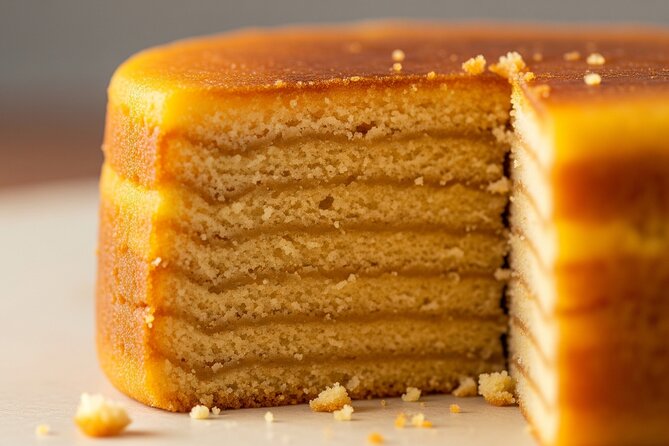
- Sweet finish at the India Post head office area with local desserts like perad
- Mobile ticket format and easy meeting point at Panjim Market, Panaji
Why Panjim’s Portuguese-Goan mix works so well on foot
Goa can feel like two worlds at once: the Indian rhythms of spice, rice, coconut, and seafood, plus Portuguese-era influence that still shows up in the food style and the look of certain neighborhoods. This walk is built to let you experience both, without turning it into a history lecture.
What makes it work is the flow. You’re not just eating random bites. You’re connecting the dots: why certain ingredients show up again and again, how sweets fit into the local food pattern, and how street food and family-run places often tell you the most about day-to-day taste.
And because it’s a guided group format (with a max of 15), you get that social side too. You’ll be able to ask questions without standing in line for your own personal food map.
You can also read our reviews of more tours and experiences in North Goa District.


Price and what $65 is really buying
At $65 per person for about 2 hours 30 minutes, you’re paying for three things at once:
- Access to multiple local eating stops in one outing
- Guidance and cultural context so the tastings actually mean something
- Organization that saves you time in a city where the best food can be hard to find on your own
If you’ve ever done a “walk and snack” that gives you two bites and then sends you off to fend for yourself, this is a better match because the route is structured around specific tasting moments at each stop. Also, it’s not a huge tour crowd, so the experience stays easy to manage.
A small practical note: since it’s booked fairly in advance on average, try to secure your spot when your dates lock in, especially if you’re traveling during peak season.
Getting the most out of the 2.5-hour route
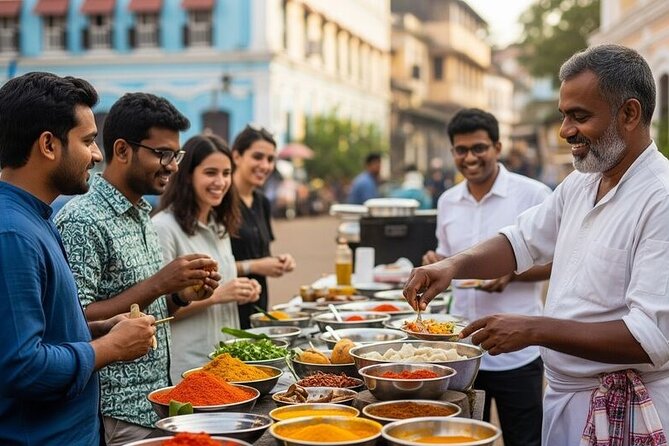
The tour runs about 2 hours 30 minutes and moves through central Panjim on foot. You’ll start at Panjim Market, Panaji, Goa 403001, and it ends back at the meeting point. That “come back to where you started” design is underrated. It means you don’t have to solve transportation at the end while you’re full and slightly sticky from sweets.
Here’s how to make it more comfortable:
- Wear shoes you’re happy to walk in, since you’re moving between neighborhoods and streets.
- Keep water handy nearby (the tour includes tastings, not endless drinks).
- Come with a light appetite. If you show up ravenous, you’ll still enjoy it, but you may end up feeling like you’re always between courses rather than having a full meal.
Stop 1: Fontainhas for chai and Goan sweets in the Latin Quarter

You begin in Fontainhas, Panjim’s Latin Quarter. This is where the city’s Indo-Portuguese identity shows up in the streetscape—colorful houses, charming alleys, and that sense that the neighborhood still remembers older influences.
The tasting here is built around Goan Confectionery and chai. Even without turning it into a complicated drink lecture, the point is clear: sweets and tea are part of everyday food culture, not just a dessert course.
Why this stop matters: it sets your palate. Chai and local sweets help you calibrate your taste before you jump into savory snacks and market-area flavors. It also gives you context for what comes next, because the walk keeps tying food back to place.
Possible drawback: if you’re the kind of person who hates slow introductions, this first segment may feel like more “walking and atmosphere” than instant bites. It’s worth it for the setup, but time passes quickly once the snack cycle starts.
Stop 2: Altinho backstreets for pattoleos and ros omelette
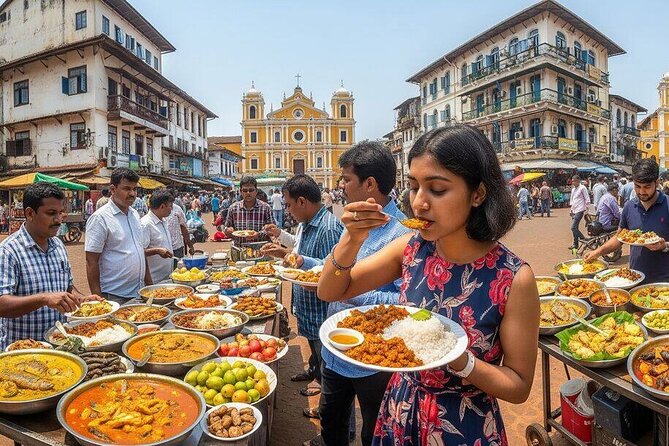
Next you head to Altinho, which is more about backstreets than tourist loops. The tasting stop centers on two specialties:
- Pattoleos, sweet rice parcels that are steamed
- Ros omelette, a local-style omelette with Goan flavor character
This is one of the most interesting parts of the walk because both foods are strongly regional. They aren’t just “Indian food” or “Portuguese food.” They’re Goan, with that mix of technique and taste that makes locals proud and makes visitors curious.
Why I like this stop for first-timers: pattoleos are the kind of snack you might otherwise only hear about in passing. Then you actually eat it, feel the texture, and understand why it’s a favorite. And the ros omelette adds something savory right away, so you don’t feel like you’re stuck in dessert mode.
Small caution: since this is a sampling-style walk, the portion sizes are meant for tasting, not filling you up completely. If you’re very sensitive to spice levels or strong flavors, ask your guide how intense each item is before you take a big bite.






Stop 3: Rua 31 de Janeiro and the market-area flavors
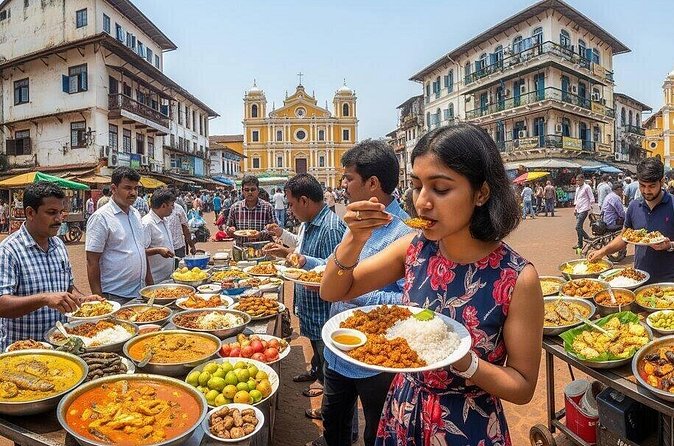
From Rua 31 de Janeiro, you pass by the Panjim Municipal Market area. This stop isn’t just about food on a plate. It’s about ingredients. You’ll discuss the kinds of produce, spices, and everyday staples that shape Goan cooking.
Then comes the tasting: authentic fish fry and/or Goan curry with rice. The fish fry angle is important in Goa because seafood isn’t an occasional luxury here—it’s part of the baseline. The curry-and-rice combo matters too because it shows the comforting side of local meals, the kind of food people rely on.
This is also where the Portuguese-Goan connection often becomes easier to “taste,” even if nobody calls it that while you’re eating. You notice how flavors build, how sauces and spices balance, and how the meal structure fits local eating habits.
One practical note: market areas can be busy. Even with a guided group, you’ll want to slow your pace and keep close so you don’t get separated in crowds near stalls and foot traffic.
Stop 4: India Post head office for a traditional sweet finale
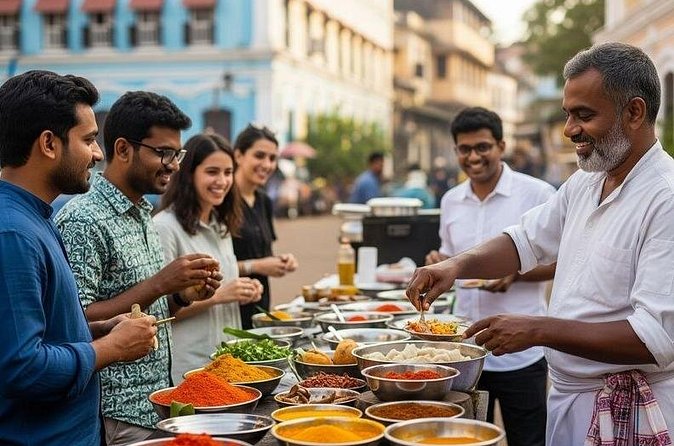
The walk ends near India Post Panjim Head Post Office with one more traditional sweet. The exact option can vary, but you might find favorites like perad (guava cheese) or a seasonal treat from a local vendor.
This is your “wrap it up” moment: after savory tastings and snack stops, the sweet finale gives you a clear finish line. It’s also a smart way to see how Goans think about desserts—often not as a separate event, but as a normal part of the day’s food rhythm.
The tasting here is described as a small sample, so it’s designed to be a last taste rather than a full dessert course. Still, it’s usually the kind of bite you’ll remember later because it’s different from the generic ice-cream-and-cake options you might expect elsewhere.
The guide experience: why small-group matters in food walks
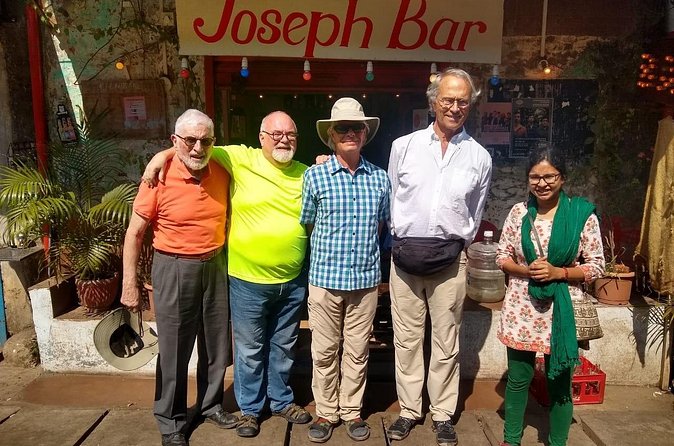
The heart of this tour is the guide. 5 Senses Walks leads the route, and the guiding style you’ll want for this kind of experience is friendly, conversational, and specific. The best food walk guides don’t just name dishes—they explain what to look for, what ingredient choices mean, and how locals actually eat.
Some guest notes specifically highlight a guide named Amreen for being welcoming and passionate, with stories that make the stops feel more personal than a checklist. Even if your guide isn’t Amreen, the tour concept is the same: local expertise, a route that follows the city’s food logic, and tastings that connect to the place you’re standing in.
In practical terms, that matters because Panjim is a mix of streets and small eateries. Without a guide, you can find food, sure. With a guide, you find the reasons behind it—and you avoid the common mistake of picking the most convenient menu instead of the most interesting one.
What kind of traveler should book this Panjim Food Walk?
This tour is a great fit if:
- You want Portuguese-Goan flavor context without getting stuck in museums
- You like trying regional snacks like pattoleos and ros omelette
- You prefer a walk-first format over sitting in one restaurant for hours
- You want a group size that stays manageable (max 15)
It’s less ideal if:
- You want one big meal rather than multiple tastings
- You don’t enjoy walking around neighborhoods with a few crowded pockets
- You hate “ingredient talk” and would rather just eat silently (even then, you’ll still get the tastings)
A few practical tips before you go
Keep it simple and you’ll enjoy it more:
- Come hungry-ish, not empty. You’ll sample multiple savory items and end with sweets.
- Plan for thirst. Tastings don’t necessarily equal drinks all the way through.
- Ask questions early. If there’s something you don’t recognize—like pattoleos texture or fish fry style—your guide can help you understand what you’re actually tasting.
- Wear comfortable shoes for short street hops and alley walking around Fontainhas and the central areas.
If you’re pairing this with other Goa plans, I’d treat it like your “orientation to local food” day. It sets you up to order confidently afterward.
Should you book this Panjim Food Walk?
If you’re interested in Goan cuisine and want the Portuguese influence explained in an edible, street-level way, I think this is a solid booking. The best part is the structure: multiple stops, tastings that cover both sweet and savory, and a route through recognizable Panjim neighborhoods like Fontainhas and the market area.
Book it if you like guided sampling and want to taste foods such as pattoleos, ros omelette, fish fry or curry with rice, and a sweet finale like perad. Skip it if you’re expecting a full meal or a long, slow cultural walking tour without much food.
FAQ
Where does the Panjim Food Walk start and end?
The tour starts at Panjim Market, Panaji, Goa 403001, India and ends back at the same meeting point.
How long is the Panjim Food Walk?
It lasts about 2 hours 30 minutes.
What food do you get to taste during the walk?
You’ll have tastings at the different stops, including chai and sweets, pattoleos and ros omelette, fish fry and/or Goan curry with rice, and a traditional Goan sweet treat such as perad.
How big is the group?
The group size is capped at a maximum of 15 travelers.
Do you get a mobile ticket?
Yes, the experience includes a mobile ticket.
Can I get a refund if I need to cancel?
Yes. Free cancellation is available up to 24 hours in advance of the start time for a full refund. If you cancel less than 24 hours before, the amount paid is not refunded.