REVIEW · GOA
Panjim Art Saunter by Make It Happen
Book on Viator →Operated by Make It Happen · Bookable on Viator
Panjim has a way of turning corners into art lessons. This 3-hour Panjim Art Saunter uses an interactive trail format to show you how the city’s architecture and social shifts shaped what people made and how they expressed themselves. I especially like that you’re not just looking at history from the sidewalk; you’re actively producing a piece inspired by Panjim while learning the why behind it.
Two things I really enjoy are the hands-on materials (drawing pad, paper, pencils, and natural dyes) and the way the guide ties monuments to culture, folklore, and even politics in Goan society. One thing to consider: this is weather-dependent, so plan for heat or sudden rain since you’ll be stopping outdoors to sketch and paint.
In This Review
- Key points worth marking on your map
- Panjim’s streets as your art classroom
- Meeting at Panaji Residency at 3:30 pm
- Stop 1: The Gateway of Yusuf Adil Shah and Panjim’s oldest clues
- Stop 2: Church of Our Lady of the Immaculate Conception above Panjim
- Stop 3: Fontainhas and the Latin Quarters postcard moment
- Sketchbook time: natural dyes, materials, and a no-pressure approach
- Heritage cafe break: Indo-Portuguese home, Goan sweets, and a cold soda
- How the art-history blend helps your brain (not just your camera)
- Price and what you actually get for $24.91
- Who this Panjim art saunter fits best
- Should you book this Panjim Art Saunter by Make It Happen?
- FAQ
- Is the Panjim Art Saunter about artmaking or just sightseeing?
- How long is the tour?
- Where do I meet, and where do I end?
- What time does the tour start?
- What’s the price?
- Is the ticket mobile?
- What’s included in the tour?
- Do I need to pay admission for the stops?
- Can I cancel if the weather is bad?
Key points worth marking on your map
- Small group pace: up to 15 people, so you can actually ask questions while you draw.
- Real art materials included: pencils, sketch paper, and natural dyes to finish your artwork.
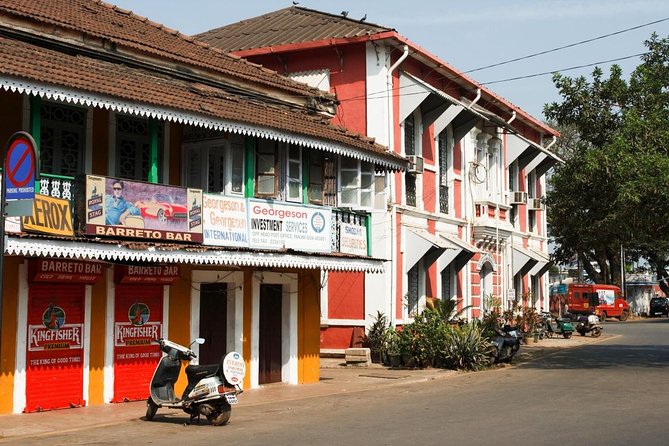
- Latin Quarters on the trail: Fontainhas (UNESCO zone) makes the best “visual references” for your postcard-style creations.
- Classic Panjim sights, timed well: you hit the Yusuf Adil Shah gateway, a major 1600s church, and the most photogenic heritage streets.
- Snack-and-soda break at a heritage cafe: an Indo-Portuguese home stop for Goan sweets plus a cold drink.
Panjim’s streets as your art classroom
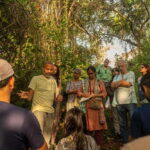
This tour works because it treats Panjim like a sketchbook you can walk through. You start by learning how the city changed over time, then you get to apply that thinking immediately—what you see becomes your prompt for what you draw. It’s a smart approach for people who want more than a sightseeing checklist.
You’ll also get a guided explanation of how art movements show up in everyday life, plus how art can reflect the politics and self-expression of Goan society. That makes the visual stops click. A facade stops being just pretty, and turns into evidence of who lived where, what power looked like, and how style traveled through the city.
You can also read our reviews of more tours and experiences in Goa.


Meeting at Panaji Residency at 3:30 pm
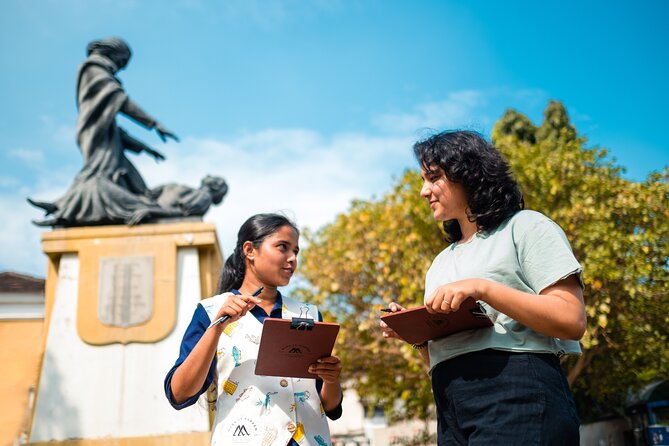
You’ll meet at Panaji Residency on MG Road, near the District and Sessions Court in Patto Colony, Altinho, Panaji. The start time is 3:30 pm, and the tour runs about 3 hours, ending back at the same meeting point.
This timing is practical. Late afternoon in Goa usually feels calmer for walking, and you’re far less likely to feel rushed. It’s also useful if you want a plan that doesn’t steal your whole day—no breakfast or lunch required since those aren’t included.
The group size is capped at 15, and the ticket is mobile, so you won’t be dealing with paper confusion or large crowds.
Stop 1: The Gateway of Yusuf Adil Shah and Panjim’s oldest clues
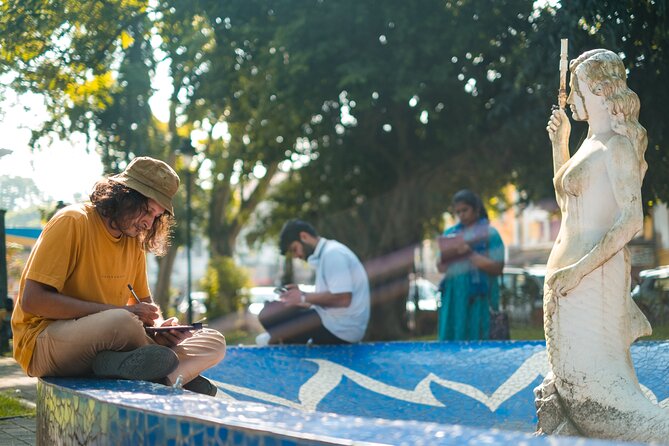
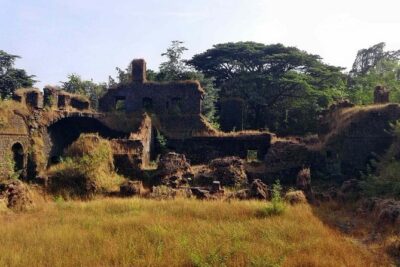
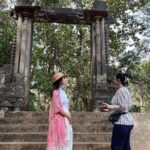
Your first stop is the Gateway of the Palace of Yusuf Adil Shah, described as the oldest heritage building in Panjim. In a short visit, the goal isn’t to memorize facts—it’s to notice the structure and let it set the tone for the rest of the walk.
As you look, pay attention to how gateways frame movement. In a city like Panjim, that framing matters: it hints at earlier eras of power and how people organized space. For your sketching, this stop is useful because it gives you something solid and structured to draw. Straight lines, arches, and stone details are easier to translate into quick pencil work than more scattered street scenes.
Since admission here is ticket-free, you’re spending your time on observation rather than entry logistics.
Stop 2: Church of Our Lady of the Immaculate Conception above Panjim
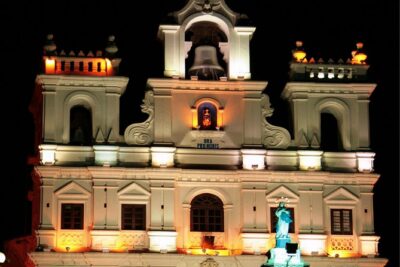
Next is the Church of Our Lady of the Immaculate Conception, a major sight built in the 1600s with views over Panjim. The church adds a different kind of visual language to the walk—religious architecture, public presence, and a landmark silhouette that makes your map feel more accurate.
A practical tip: bring your eyes, not just your phone camera. From this kind of viewpoint, you can sketch the relationship between a building and the streets around it. Even if your artwork isn’t “perfect,” the act of capturing proportions and sightlines is the point.
Again, admission is free at this stop, so you keep momentum and don’t burn time on entrances.
Stop 3: Fontainhas and the Latin Quarters postcard moment
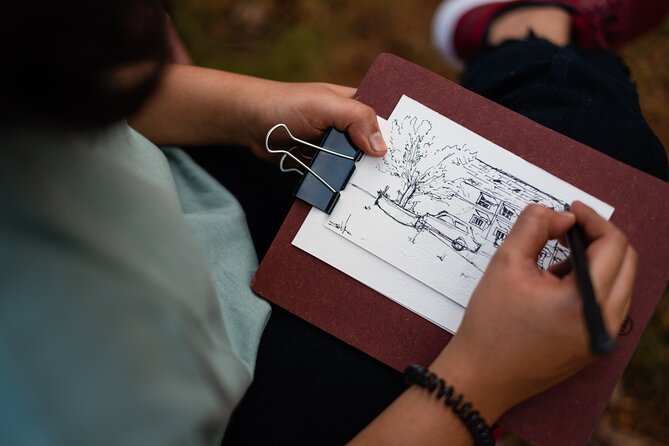
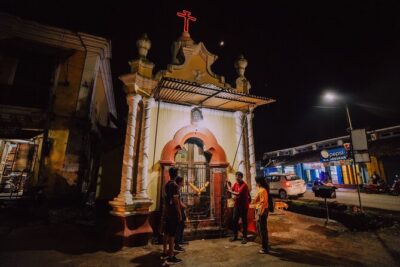
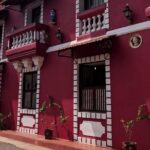
After that, you move into Fontainhas (Bairro das Fontainhas), part of Panjim’s Latin Quarters, which sits inside a UNESCO world heritage zone. This is where the tour’s “make your own art” idea gets easier, because the neighborhood provides natural inspiration.
You’ll likely notice color, small-scale street detail, and the kind of layered cultural look that makes Panjim feel lived-in rather than staged. One review I read praised the guide’s attention to the little, colorful details of Fontainhas—exactly the sort of things you want to hunt for with a pencil in your hand.
Fontainhas is also a great place for postcard-style creativity. The streets give you multiple compositions: a corner wall, a doorway shape, a bit of street rhythm. If you feel unsure what to draw, this area gives you options.
Admission is listed as free, which helps keep the tour focused on the walk and artwork instead of fees.
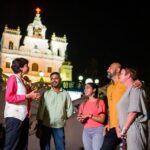

Sketchbook time: natural dyes, materials, and a no-pressure approach
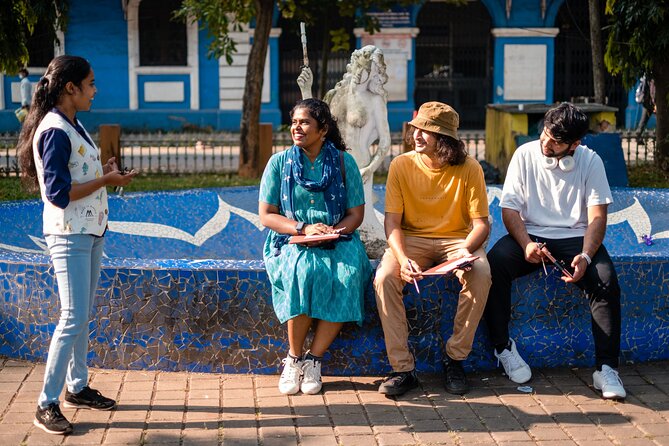
Here’s the best value part: you don’t show up empty-handed. You’re provided with a drawing pad, paper, pencils, and natural dyes for painting. That matters because many “photo walk + history talk” tours leave you responsible for supplies. This one hands you the basics so you can participate even if you’re not an artist.
You also get guided prompting for what to create based on what you’re seeing—history, folklore, and the architecture around you become your theme. The tour description even points out the option to capture your work in a sketchbook or make postcard-style creations you can send to loved ones.
What I’d watch for: natural dyes are fun, but they can behave differently than standard poster paint. So treat it like a craft activity, not a lab. If you make a mess, it’s still part of the experience.
If you learn best when someone slows down, you’re in good shape. One art-focused review mentioned a guide who was kind and patient with art skills, including explaining how to use drawing techniques comfortably.
Heritage cafe break: Indo-Portuguese home, Goan sweets, and a cold soda
Between stops, you’ll have an interaction at a heritage cafe described as an Indo-Portuguese home. This is more than a sugar break. It’s where the cultural story gets grounded in food and daily life, which makes the history you just heard feel less abstract.
Included in your package:
- Goan sweets
- Soda/pop
- A snack stop at that heritage cafe
This is a good moment to recharge before you head back out. Also, the cafe interaction helps you connect the region’s Portuguese-influenced layers with what you’re sketching—sometimes the visual details of a place show up in how food and social spaces are designed too.
How the art-history blend helps your brain (not just your camera)
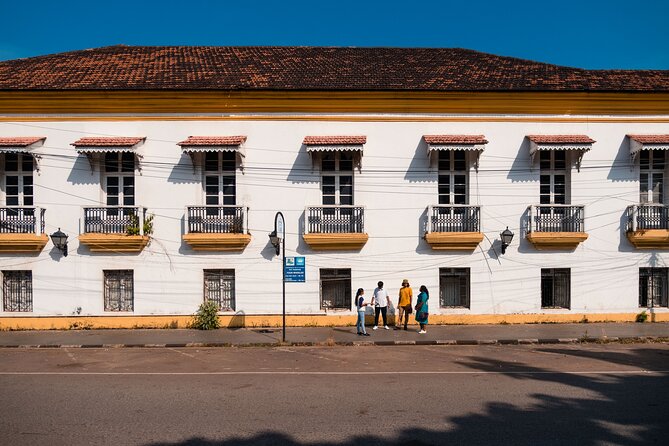
This tour’s format is built for understanding, not just photographing. It links:
- how Panjim evolved over time
- art movements and how they show up in culture
- how art can reflect politics and social expression
- local folklore you can translate into symbolism
That last part matters. When a guide offers folklore, you’re not only drawing a building—you can draw meaning. Even a simple motif (a shape, a repeated pattern, a color choice) can become your personal response to what you heard.
And because you’re working in stages—look, learn, sketch, paint—you’ll remember more. You won’t just pass through. You’ll leave with something you made and a clearer sense of why the city looks the way it does.
Price and what you actually get for $24.91
At $24.91 per person for about three hours, the value is mostly in the art supplies and the snack-and-drink element. You’re not only paying for walking and storytelling—you’re also getting the tools to produce an artwork (drawing pad, pencils, paper, and natural dyes) plus Goan sweets and a soda/pop.
Since admission at each of the main heritage stops is free, your money stays focused on the guide, the creative materials, and the cafe interaction. If you were planning to buy sketch supplies or a snack anyway, this becomes an easy “bundle” decision.
The main trade-off is that you’re not getting private transportation or meals like lunch or brunch. If you’re hungry earlier in the day, eat first and keep your energy for the afternoon walk.
Who this Panjim art saunter fits best
This is ideal if you:
- like walking tours but want something active to do
- enjoy art and want to make a piece inspired by the place
- care about how cities reflect culture and power through architecture
- want a small-group experience with a guide you can talk to
It also works well if you’ve been to Goa before and still feel like the city’s story is confusing. Several people highlighted that even with repeat trips, they learned fresh connections between Panjim’s development and what they were seeing.
If you’re only interested in a fast photo route with zero drawing, you may find the art component distracting. This experience is built around sketching and painting, so lean into that.
Should you book this Panjim Art Saunter by Make It Happen?
Yes, if you want Panjim to be more than a backdrop. The combo of heritage stops, a small group, and included natural-dye art materials makes this a strong value choice for people who enjoy learning by doing.
I’d think twice if rain and heat will ruin your afternoon. The experience notes that it depends on good weather, and poor weather can lead to a different date or a full refund. If you can handle a weather plan, this tour is a fun way to leave with both better memories and actual artwork.
FAQ
Is the Panjim Art Saunter about artmaking or just sightseeing?
It’s both. You walk through heritage areas while learning about art, culture, and Panjim’s changes over time, and you also sketch and paint using the included materials.
How long is the tour?
The duration is about 3 hours.
Where do I meet, and where do I end?
You meet at Panaji Residency on MG Road near the District and Sessions Court in Patto Colony, Altinho, Panaji. The tour ends back at the same meeting point.
What time does the tour start?
The start time is 3:30 pm.
What’s the price?
It costs $24.91 per person.
Is the ticket mobile?
Yes, it’s listed as a mobile ticket.
What’s included in the tour?
Included items are soda/pop, Goan sweets, GST, interaction at the heritage cafe, drawing pad/paper/pencils for sketching, and natural dyes for painting.
Do I need to pay admission for the stops?
The listed stops have free admission/ticket-free entry.
Can I cancel if the weather is bad?
If the experience is canceled due to poor weather, you’ll be offered a different date or a full refund. You can cancel up to 24 hours in advance for a full refund.