REVIEW · GOA
Chandor Heritage Trail by Make It Happen
Book on Viator →Operated by Make It Happen · Bookable on Viator
Chandor feels like time travel, minus the ticket hassles. This 2 hours 15 minutes Goa tour focuses on Portuguese-era and even earlier village life, guided in a story-first way while you visit major religious sites and heritage architecture.
Two things I’d put at the top: the storytelling. The guides named in guest feedback—Alita and Pawan—are praised for being engaging and passionate, including legends that reach back before the Portuguese arrived. Second, the tour actually feeds you a bit: snacks and soft drinks are included, which makes the 2+ hour block feel easier to handle.
One consideration: this is not a simple walking trail. You’ll need transportation during parts of the route, and private transportation isn’t included, so plan for that before you show up.
In This Review
- Key highlights worth your attention
- Why Chandor’s Heritage Trail feels worth your time
- Getting started at Igreja de Nossa Senhora de Belém (and what to expect)
- Guides who turn buildings into stories (Alita and Pawan)
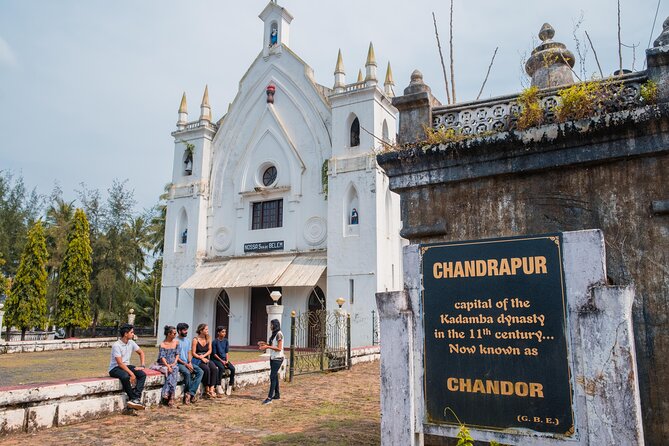
- Stop 1: Igreja de Nossa Senhora de Belém in Chandor
- Stop 2: Menezes Braganza House and the village-square atmosphere
- Stop 3: Capela Nossa Senhora da Piedade on its hillock
- Snacks, soft drinks, and conversation with the community
- Transportation reality check: this isn’t a pure walking trail
- Timing and pace: what 2 hours 15 minutes really means
- Price and value: how $14.54 adds up for this route
- Weather, tickets, and small practical tips
- Who should book this Chandor tour?
- Should you book Chandor Heritage Trail by Make It Happen?
- FAQ
- How long is the Chandor Heritage Trail?
- Where do I meet for the tour?
- Is admission included for the stops?
- What food and drinks are included?
- Is transportation included?
- What if the weather is bad?
Key highlights worth your attention
- Portuguese-era plus much earlier village stories, told as you move between sites
- Menezes Braganza House with admission included and time spent in the village-square setting
- Historic Goan churches and a chapel with clear timelines (1748/1758/1760 are part of the story)
- Snacks and soda/pop included, so the tour feels less like a dry lecture
- Small group size up to 20, which helps questions and conversations stay real
- You’ll need transportation at times, since it’s not designed as one continuous walk
Why Chandor’s Heritage Trail feels worth your time
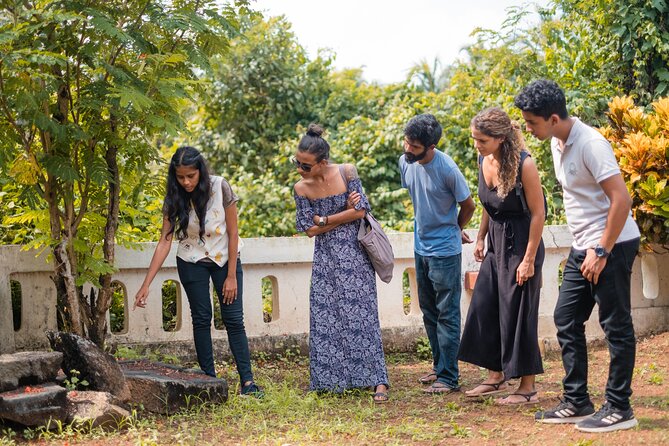
This is a short, focused outing that targets one village—Chandor—rather than bouncing you around all over Goa. That matters. You get enough time to connect the dots between church buildings, old family estates, and what daily life may have looked like across eras.
At about $14.54 per person, the pricing feels designed for value: you get guided interpretation, multiple heritage stops, and the basics covered like snacks and soft drinks. If you’re the kind of traveler who wants context (not just photos), this tour fits that style.
And it’s not only about Portuguese chapters. The best part is the push beyond that, into earlier traditions and legends—something you’ll hear tied into the storytelling as you visit the sacred spaces and heritage home.
You can also read our reviews of more historical tours in Goa


Getting started at Igreja de Nossa Senhora de Belém (and what to expect)
Your meeting point is Igreja de Nossa Senhora de Belém in Chandor (Villa Formosa area). The tour description also references San Tiago Chapel as part of the host meeting setup, so expect a host-led start from the local church area rather than a far-off pickup.
Good news: this start point is listed as near public transportation, which is helpful if you’re trying to keep logistics simple in south Goa. Also, you’ll receive a mobile ticket, which cuts down on time spent hunting for paper confirmations.
When you arrive, be ready to switch into “listen first” mode. This experience is described as knowledge-focused through your guide’s narration, and the pacing assumes you want the story as much as the sights.
Guides who turn buildings into stories (Alita and Pawan)
The core of the tour is interpretation. You’re not just walking up to places and reading plaques. You’re getting a guide who ties architecture and religious sites to the way people lived—first in Portuguese times, and then earlier layers that shaped the region’s identity.
From guest feedback, Alita and Pawan come up often, both described as engaging and passionate. What stands out is not only facts, but how the guide connects themes: religion, community roles, and local legends that help explain why these spaces look the way they do.
One useful tip: if you’re the type who likes an overview before the first stop, you might appreciate arriving with a little curiosity. The tour works best when you let the guide build the framework as you go, since you’ll be hearing how each stop links to the next.
Stop 1: Igreja de Nossa Senhora de Belém in Chandor
You begin at Igreja de Nossa Senhora de Belém. This church was originally built in the 17th century, and it’s the opening anchor for the tour’s Portuguese-era storytelling.
Admission is listed as free for this stop. Time-wise, it’s about 10 minutes, so treat it as a “set the stage” moment rather than a long, sit-down church visit.
A practical note: this start is also where the reality of the tour shows up—this isn’t structured as a loop of endless walking. Even at the beginning, the plan assumes movement by vehicle/transport between points. So wear shoes you’re comfortable with, but don’t expect a long scenic footpath.
Stop 2: Menezes Braganza House and the village-square atmosphere
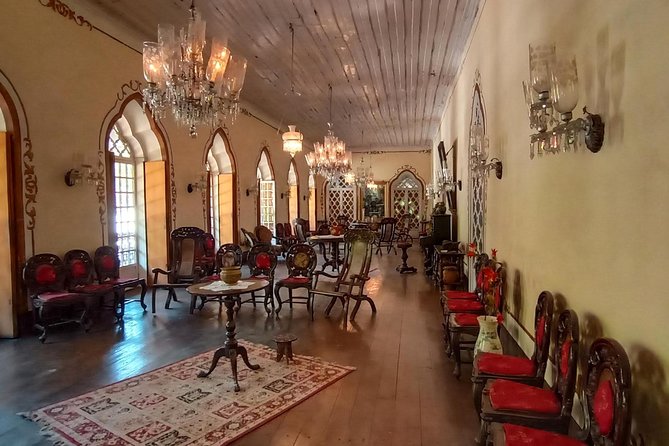
The second stop is Menezes Braganza House, one of the major heritage structures in Chandor. This huge house sits on one side of the village square, which is a big deal for how you experience it. You’re not just touring a standalone building—you’re seeing how estate life and community life share the same visual center.
What the guide will focus on here includes the timeline: the house was first built in the late 16th century, then rebuilt into its present state in the 18th century. That layering is exactly the kind of detail that helps you understand Goa as an overlap of periods rather than a single-date story.
You’ll get about 20 minutes at this stop, and admission is listed as included. That’s a value win versus tours that tack on extra fees at the door.
If you like heritage architecture, this is the moment where the tour shifts from “church setting” into “how families and power actually shaped the village.”



Stop 3: Capela Nossa Senhora da Piedade on its hillock
Next comes Capela Nossa Senhora da Piedade. This chapel sits on a small hillock—about 500 meters ahead of the church side area (as described)—and that slight elevation gives it a different feel than a flat village-square stop.
This is another church-related site with free admission, and you’ll usually spend around 10 minutes here. The chapel’s history is very specific: it was built by Francisco Fernandes on 3rd July, 1748, rebuilt in 1758, and established on 14th March, 1760.
Those dates matter because they turn the chapel from a pretty photo moment into a timeline you can remember. When the guide explains why repairs and re-establishment happened, you start to see how local religious life endured through change.
Also, since the tour includes interaction with the local community, your guide may use this stop to connect faith, tradition, and the social fabric that keeps these buildings relevant today.
Snacks, soft drinks, and conversation with the community
The tour includes soda/pop and light snacks (described as light sweet or snacks). In practice, that means you can keep your energy up during a story-heavy route.
The format matters too. This isn’t a silent-hike style tour. The experience is built around meeting and interaction with the local community, and that’s where the heritage part becomes more human. In guest feedback, you’ll see mention of insights from descendants of heritage homes, which is one of the best ways to understand “history” as lived experience instead of distant dates.
One small caution: because your time is limited (roughly a bit over two hours total), don’t expect a long chat with everyone you meet. Treat conversations as short, focused exchanges—take what you can, ask one or two smart questions, and let the guide translate what you’re seeing.
Transportation reality check: this isn’t a pure walking trail
Here’s the key logistics point: this is not a walking trail. The tour description says you’ll need transportation during the trail, and it also lists private transportation as not included.
So, while you’ll be outdoors and moving between stops, you should assume you’ll rely on some combination of local transport and/or arranged movement between points. This is especially relevant if you’re planning your day around other activities.
If you’re used to “free walking tours” in Europe, adjust your expectations here. You’re touring heritage sites, yes—but you’re also traveling between them like a village route, not like one continuous pedestrian loop.
Timing and pace: what 2 hours 15 minutes really means
The tour duration is listed as about 2 hours 15 minutes, with stop durations that add up to a quick, efficient rhythm. Most of the on-site moments are around 10 to 20 minutes each, which is ideal if you want highlights without turning the day into a multi-stop marathon.
That pacing also explains why it can feel “knowledge-heavy.” You’re getting a guided narrative while you’re standing in place, looking at buildings, and moving on. If you prefer slow travel where you wander freely and read every sign, you might feel slightly time-pressed.
But if you enjoy hearing how places connect—and you like the story as part of the experience—this length is a sweet spot. It keeps the tour focused while leaving you time later for Goa’s beaches, markets, or other town exploring.
Price and value: how $14.54 adds up for this route
At $14.54 per person, the value is driven by what’s included: guidance, snacks and soft drinks, and admission included for at least one major stop (Menezes Braganza House). Other religious sites on the route are listed as free admission.
So what are you really paying for? You’re paying for interpretation—someone to connect the architecture and the village layout to a broader story about Portuguese influence and earlier layers of life. That kind of “why it matters” doesn’t cost much extra if you compare it to the price of just paying admissions and hoping you understand the rest on your own.
The only “hidden” value cost is time and movement. Because transportation is required during parts of the trail and private transport isn’t included, you’ll want to account for that in your day planning. Still, compared to tours that include everything but charge far more, this one feels like it’s keeping the costs down while giving you the essential experience components.
Weather, tickets, and small practical tips
This experience requires good weather. If conditions are poor, you’ll be offered a different date or a full refund—so don’t book it as a “no matter what” plan on a day when rain is likely all afternoon.
You’ll also have a mobile ticket, and the start area is near public transportation. That combination is handy if you’re staying nearby or doing a half-day in the area.
Finally, since the tour is story-forward and you’ll be standing in multiple locations, bring simple comfort: water (even if snacks are included), sunscreen if the day is sunny, and a small layer if evening air feels cooler.
Who should book this Chandor tour?
This tour is best for you if you enjoy:
- History as a story, not a list of dates
- Church and heritage architecture, especially when it connects to community life
- Cultural curiosity around Portuguese Goa and earlier legends
It might not be your best match if you want:
- A long, relaxing walk with downtime
- A tour that’s mostly sightseeing without interpretation
- A fully transport-included day (since transportation during the trail isn’t listed as included)
If you’re visiting south Goa and want one outing that makes Chandor feel alive—how people lived, believed, and preserved heritage—this tour is a strong choice.
Should you book Chandor Heritage Trail by Make It Happen?
Yes, I’d book it if you want a compact, high-context experience. The combination of heritage stops, storytelling from guides like Alita and Pawan, and the included snacks and soft drinks makes it good value for the time.
Before you go, do two quick checks: confirm you’re set for transportation during the trail, and pick a day with good weather. If those boxes are covered, you’ll likely leave with the kind of understanding you can’t get from a quick photo stop—how Chandor’s sacred spaces and heritage houses fit together across eras.
FAQ
How long is the Chandor Heritage Trail?
The tour lasts about 2 hours 15 minutes (approx.).
Where do I meet for the tour?
You meet at Igreja de Nossa Senhora de Belém in Chandor (726V+HVP, Villa Formosa, Chandor, Goa 403714, India). The activity ends back at the meeting point.
Is admission included for the stops?
Admission is listed as free for Igreja de Nossa Senhora de Belém and Capela Nossa Senhora da Piedade, and included for Menezes Braganza House.
What food and drinks are included?
The tour includes soda/pop and light snacks (light sweet or snacks).
Is transportation included?
Private transportation is not included, and the tour description notes it is not a walking trail, so you need transportation during the trail.
What if the weather is bad?
The experience requires good weather. If it’s canceled due to poor weather, you’ll be offered a different date or a full refund.


![Traditional Indian Cooking Class in Goa, Anjuna [vegetarian] - The 3-hour flow: 3:30 pm start, 5 dishes, and a shared meal](https://b.goaindiatourism.com/wp-content/uploads/traditional-indian-cooking-class-in-goa-anjuna-vegetarian-400x266.jpg)