REVIEW · GOA
Traditional Indian Cooking Class in Goa, Anjuna [vegetarian]
Book on Viator →Operated by Project Tres · Bookable on Viator
Spices, stories, and a shared meal in Goa. Behind Anjuna’s energy, Project Tres brings you into a small village kitchen where you’ll learn ayurvedic spices and cook a 5-dish vegetarian menu with local women.
I love how hands-on the experience can be, with real chances to chop, prep, and jump in during cooking rather than just watching from afar. I also like the relaxed pace, where conversation and laughs feel part of the class, not a distraction.
One drawback to consider: this is traditional and you may sit on the floor. And depending on timing and group flow, you might do more prep than the final cooking steps if dishes move quickly.
In This Review
- Key things I think you’ll like
- Entering Anjuna’s real home kitchen, not a restaurant show
- The 3-hour flow: 3:30 pm start, 5 dishes, and a shared meal
- Hands-on cooking: what you’ll likely do (and what you might not)
- The ayurvedic spice lesson you can actually use
- Vegetarian 5-dish menu: local ingredients with a Goan home feel
- Comfort in a traditional setup: floor seating and chairs
- Small group size (6 max) means you’ll get more attention
- Value and responsible tourism: paying for the meal and the mission
- What to bring and how to set yourself up for success
- Should you book this traditional Goa vegetarian cooking class?
- FAQ
- Is this cooking class vegetarian?
- How long is the experience?
- What time does the class start in Anjuna?
- Where do I meet for the cooking class?
- How many people are in the group?
- Do I have to sit on the floor?
- Are mineral water and drinks provided?
- Can the hosts handle allergies or dietary restrictions?
- What happens if the weather is bad?
- Is there a cancellation window?
Key things I think you’ll like
![Traditional Indian Cooking Class in Goa, Anjuna [vegetarian] - Key things I think you’ll like](https://b.goaindiatourism.com/wp-content/uploads/traditional-indian-cooking-class-in-goa-anjuna-vegetarian-1.jpg)
- Small group (max 6) means more personal attention than big tour buses ever deliver
- 5 vegetarian dishes plus a shared meal lets you eat what you help make
- Ayurvedic spice learning goes beyond flavor, with ideas about how spices are used and why
- Mineral water is used for prep and served to you
- Women-led community impact: every class supports economic development efforts in India and Kenya
- Traditional floor seating is part of the experience, with chairs available if you need them
Entering Anjuna’s real home kitchen, not a restaurant show
![Traditional Indian Cooking Class in Goa, Anjuna [vegetarian] - Entering Anjuna’s real home kitchen, not a restaurant show](https://b.goaindiatourism.com/wp-content/uploads/traditional-indian-cooking-class-in-goa-anjuna-vegetarian-2.jpg)
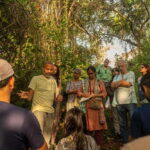
Goa can feel like two different worlds at once. There’s the beach-and-party version, and then there’s Anjuna’s quieter village life. This class puts you in the second one, in a small community setting behind the usual tourist rush, with the cooking led by local women.
That matters because this isn’t built to impress you with polished theater. It’s built to teach you how everyday Indian home cooking really works—down to the smells, the rhythm of prep, and the fact that the meal is the point.
You’ll also get the project context right away. Project Tres is an initiative designed to support and amplify economic development for women in India and Kenya. That background changes the tone of the visit. You’re not only buying a class; you’re joining a community activity that channels the class fee back into the women involved.
You can also read our reviews of more cooking classes in Goa
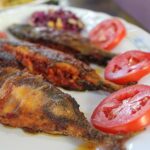
The 3-hour flow: 3:30 pm start, 5 dishes, and a shared meal
![Traditional Indian Cooking Class in Goa, Anjuna [vegetarian] - The 3-hour flow: 3:30 pm start, 5 dishes, and a shared meal](https://b.goaindiatourism.com/wp-content/uploads/traditional-indian-cooking-class-in-goa-anjuna-vegetarian.jpg)
The experience runs about 3 hours and starts at 3:30 pm, with the activity ending back at the meeting point. The meeting spot is the Project Tres Centre at HPPW+MM, Dmello Vaddo, Anjuna, Goa 403509, India.
Here’s the realistic shape of the evening based on how the session is described:
- You begin with an introduction to the food culture side of Indian cooking, including the role of spices in everyday meals.
- You then work through a five-dish vegetarian menu, using local ingredients and aromatic, ayurvedic spices.
- Along the way, you’ll have chances to participate—often chopping and helping with prep—while the cooking itself unfolds at home-kitchen speed.
- At the end, you sit down together and enjoy the meal made by the group.
Because the cooking is traditional and the menu is built around multiple dishes, the class can feel fast at times. That’s not necessarily a negative—it’s how you get a full menu in one sitting—but it does explain why some people feel they learn more by doing, while others feel they want slower instruction.
Hands-on cooking: what you’ll likely do (and what you might not)
Let’s talk about the most practical part: your role in the kitchen.
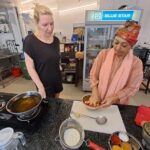
This class is designed to feel interactive. Many people are encouraged to join in, and the experience can include hands-on steps like chopping and basic prep. You’re also invited to watch the cooking processes, which is important because spice technique often makes the biggest difference in Indian home flavors.
That said, there’s a difference between being involved and being fully in charge of every pot. A few participants have described the process as leaning more toward watching, with the ladies doing most of the cooking while learners help with smaller tasks. Another common theme is that instruction can be minimal if language isn’t fully shared in your preferred way, so you may rely more on what you see and taste than on a detailed step-by-step explanation.
So here’s the way I’d plan your expectations:
- If you want hands-on prep and a chance to participate in a real home rhythm, you’ll likely enjoy it.
- If you’re expecting a very structured cooking class with long, clear explanations for each step, you might find the pace and teaching style less comprehensive than you hoped.
The ayurvedic spice lesson you can actually use
The class focuses on aromatic, ayurvedic spices, and that’s not just marketing language. The learning goal is about understanding what spices do for flavor and how Indian spice use is tied to traditional ideas about cooking and well-being.
You should expect spice talk that connects aroma, cooking function, and Indian food culture. The practical outcome you want is simple: leave with a stronger sense of why certain spices are used together and how they fit into a vegetarian menu.
A good sign: people consistently highlight great flavours, aromas, and colours from the dishes. That usually means you’re not just learning theory—you’re tasting the result of the spice work while the cooking is still fresh.
Vegetarian 5-dish menu: local ingredients with a Goan home feel
This specific session is vegetarian. All dishes are described as vegetarian and made with local ingredients. That’s a big plus for most visitors because it keeps the class focused and accessible, and it also means the menu is built around the kind of plant-based cooking that’s common across Goa and southern Indian cuisines.
You also get mineral water used for both preparation and serving. That’s a small detail, but it’s helpful when you’re eating in a home-style setting and you want to feel comfortable.
Even if you’re not a strict vegetarian, this is a nice way to see how Indian cuisine does flavor without relying on meat. Indian vegetarian cooking can be deeply satisfying, especially when spices are doing most of the heavy lifting.
You can also read our reviews of more tours and experiences in Goa
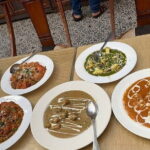
Comfort in a traditional setup: floor seating and chairs
![Traditional Indian Cooking Class in Goa, Anjuna [vegetarian] - Comfort in a traditional setup: floor seating and chairs](https://b.goaindiatourism.com/wp-content/uploads/traditional-indian-cooking-class-in-goa-anjuna-vegetarian-4.jpg)
This class is prepared quite traditionally. The description is very direct: be prepared to sit on the floor.
Here’s the practical advice: if floor seating isn’t your thing, tell one of the ladies that you need a chair before you start. Reviews have also noted that there are chairs and bench seating available if you struggle getting down to the floor. So you’re not stuck with a hard-sit only situation, but it’s still better to speak up early.
Also remember: because the cooking is happening in a real home-kitchen rhythm, you’ll likely be seated for a good chunk of the meal and prep time. Bring a mindset that treats this like sitting down with a family meal, not a show venue with stadium seating.
Small group size (6 max) means you’ll get more attention
This is a maximum of 6 travelers, which is rare for cooking classes at this price point. The group size matters because it affects how much time the hosts can spend with you.
With a small group:
- It’s easier for the hosts to check in on dietary needs.
- It’s easier for you to participate instead of being one more body in a crowd.
- You’re more likely to end up in conversation, especially around spice choices and food culture.
If you like learning through social exchange—asking questions while the meal comes together—this size is part of the value.
Value and responsible tourism: paying for the meal and the mission
At $39.27 per person, you’re not just paying for ingredients. You’re paying for:
- a multi-dish cooking session (five dishes)
- a shared meal at the end
- hands-on time in a home-style kitchen
- a project that supports economic development for women in India and Kenya
That last part is the real differentiator. Project Tres isn’t positioned as a one-off event; it’s an initiative. Each class contributes directly to the local community and women in the project.
In plain terms: if you want your travel spending to do something beyond your own dinner, this is the kind of experience that matches that goal.
What to bring and how to set yourself up for success
This class uses mineral water, so you don’t need to worry about that specific detail. But you do need to think about comfort and communication.
My practical checklist:
- If you need a chair, ask for one ahead of time.
- If you have allergies or dietary restrictions, advise them when booking. The experience description specifically asks you to let them know.
- Be open to cultural differences in cooking methods and what ingredients may be used compared to what you’re used to.
- Expect a traditional pacing. You may chop, help, and watch, then eat what’s made—rather than getting a slow, highly scripted lesson.
And one more thing: the project invites you to share photos and videos and tag @projecttres on Instagram. If you’re the kind of person who likes to remember the smells and textures later, that’s a nice touch.
Should you book this traditional Goa vegetarian cooking class?
Book it if you want:
- an authentic, home-style cooking experience in Anjuna
- a women-led project with real community impact
- a vegetarian menu and spice-focused learning
- a small group evening where conversation feels natural
Skip it or choose another option if:
- you need a very detailed, step-by-step English-heavy instruction style for every cooking action
- you’re uncomfortable with traditional floor seating (even with chairs/benches available, you should confirm what you need)
- you prefer ultra-slow teaching where each step gets time to land
If you’re flexible and curious, this is the kind of class that leaves you with both a full plate and a better understanding of how Indian vegetarian cooking uses spices for real everyday flavor.
FAQ
Is this cooking class vegetarian?
Yes. The menu for this class is all vegetarian and includes a five-dish program.
How long is the experience?
It takes about 3 hours (approximately).
What time does the class start in Anjuna?
The start time is 3:30 pm.
Where do I meet for the cooking class?
You meet at Project Tres Centre (HPPW+MM, Dmello Vaddo, Anjuna, Goa 403509, India).
How many people are in the group?
The class has a maximum of 6 travelers.
Do I have to sit on the floor?
The class is prepared traditionally and you should be prepared to sit on the floor. If you need a chair, you should let the ladies know.
Are mineral water and drinks provided?
Yes. Mineral water is used for the preparations and served to guests.
Can the hosts handle allergies or dietary restrictions?
Yes, but you must advise them in advance about dietary requirements or allergies.
What happens if the weather is bad?
The experience requires good weather. If it’s canceled due to poor weather, you’ll be offered a different date or a full refund.
Is there a cancellation window?
Yes. You can cancel for a full refund up to 24 hours before the experience starts.