REVIEW · PANAJI
From Panaji: North Goa Guided Sightseeing Tour
Book on GetYourGuide →Operated by Yo Tours · Bookable on GetYourGuide
Goa’s old stones tell the loudest stories. This Panaji guided loop uses a car and a real English-speaking guide to connect the city’s Portuguese-Catholic architecture with viewpoints you’ll remember, from the Altinho Hill stepped lanes to 17th-century Fort Aguada. The best part is how the guide ties everything together—at least one guide named Joe earned praise for clear, energetic explanations of Goan history and culture.
I also love the balance: sacred sites (churches and chapels) plus street-level heritage in Fontainhas and sea views around Miramar. One thing to watch is logistics around pickup and the word private—some bookings reported a pickup zone surcharge and a couple of spots where the day felt less strictly solo than expected, so confirm your pickup address up front.
In This Review
- Key Things You’ll Notice on This Panaji Guided Sightseeing Tour
- Entering Panaji by Car With a Real Guide Behind the Wheel
- Altinho Hill: Stepped Streets, Archbishop’s Palace, and a View With Meaning
- Fontainhas and Chapel of St Sebastian: Portuguese Streets With a Local Rhythm
- Institute Menezes Braganza, Campal Houses, and Kala Academy
- Old Goa Churches and the Portuguese-Catholic Architecture Lens
- Fort Aguada: 17th-Century Portuguese Power at the Waterline
- Ending at Panaji Beaches and Enjoying Local Specialties
- Price and Logistics: Is $126 Good Value for a Private Day?
- Who This Tour Suits Best (and Who Might Feel It’s Not for Them)
- Should You Book This Panaji North Goa Sightseeing Tour?
- FAQ
- FAQ
- How long is the Panaji North Goa guided sightseeing tour?
- What languages is the live guide available in?
- Is pickup included, and how early should I be ready?
- What areas are covered during the tour?
- Is there a tasting included?
- Can I get a refund if my plans change?
Key Things You’ll Notice on This Panaji Guided Sightseeing Tour
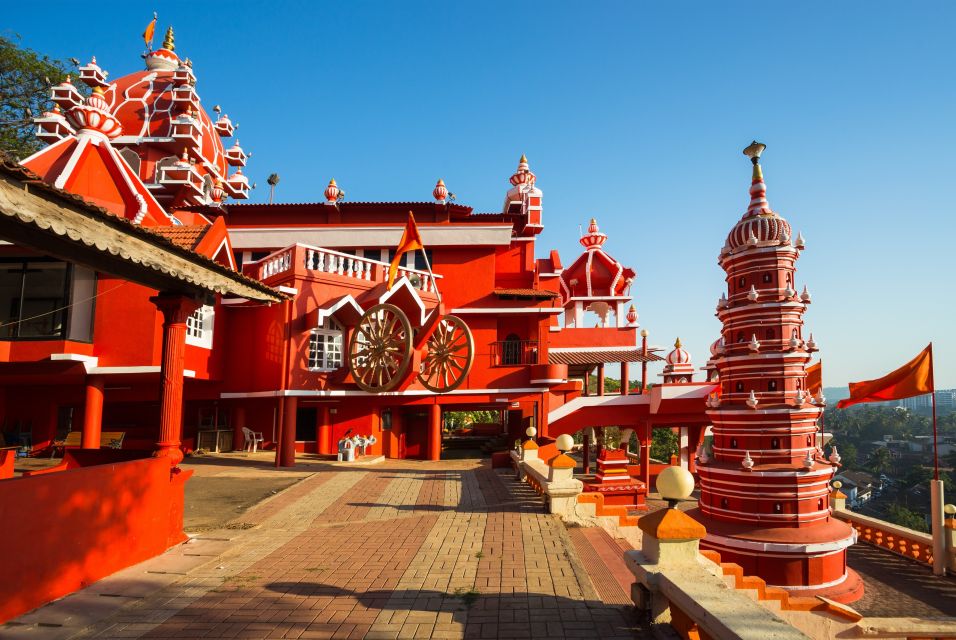
- Altinho Hill’s stacked viewpoints: stepped street feel, plus landmarks like Archbishop’s Palace and a Maruti Temple atop the hillock
- Fontainhas + St Sebastian’s Chapel: a Portuguese-era religious stop inside the Latin-quarter style streets
- Architecture spread across eras: expect stops tied to Baroque through Renaissance-era influences
- Ship-shaped museum angle: one standout highlight focuses on Goan cultural and architectural history
- Fort Aguada lighthouse views: Portuguese fort energy with classic coastal scenery
- A guided pace that feels tailored: praised for not rushing and for keeping explanations in the right amount
Entering Panaji by Car With a Real Guide Behind the Wheel
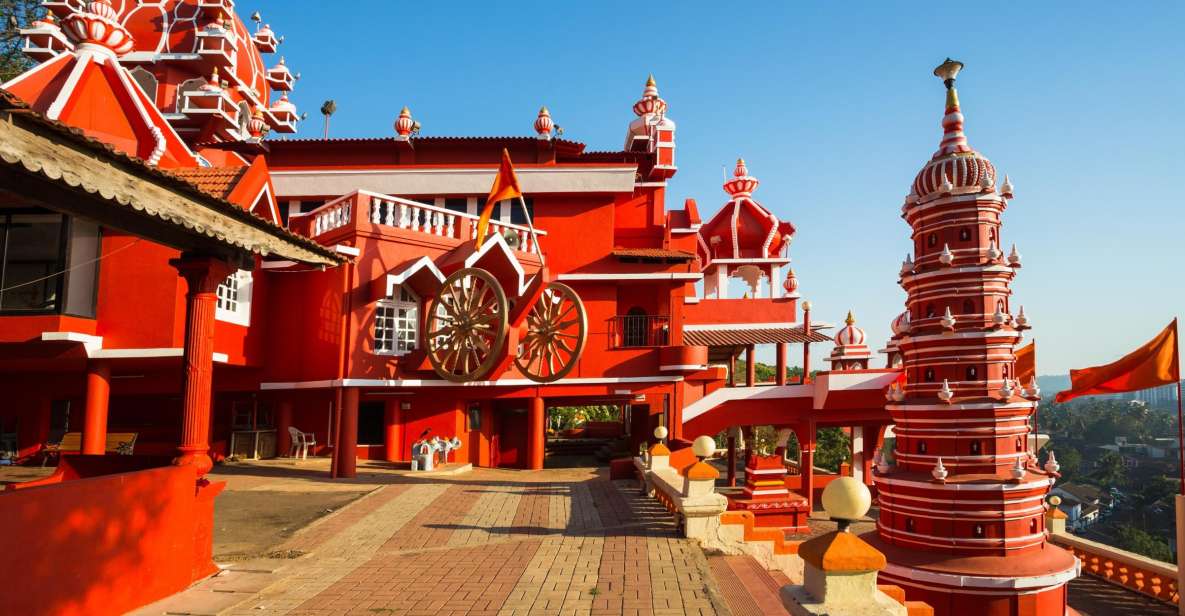
This is an 8-hour private guided sightseeing tour that moves by car, which is a big deal in Goa. You’re not just hopping between spots—you’re getting the story that helps those buildings make sense. The tour includes an English-speaking live guide (also Hindi), so you can ask questions without playing charades.
I like that the day is built around the city’s architecture and faith sites rather than only beach time. If you’re short on days, this format helps you see a lot while still feeling organized. Pickup is included, and you’re asked to wait about 10 minutes in the hotel lobby before the scheduled pickup time.
If your stay is outside the pickup area (listed as within 10 km of the city areas), the provider says pickup/drop can be organized for additional charges. That’s one of those small details that can quietly change the price—so it’s worth checking early.
You can also read our reviews of more guided tours in Panaji

Altinho Hill: Stepped Streets, Archbishop’s Palace, and a View With Meaning
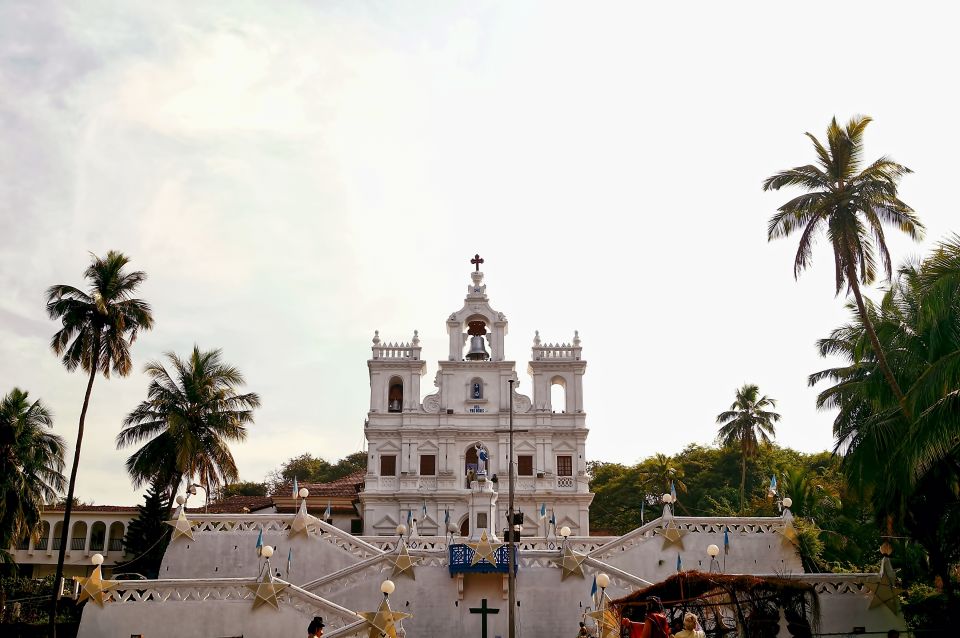
The day starts with Panjim’s church area and the Altinho Hill surroundings, which is a smart way to get oriented. You’ll visit the Panjim Church and then see the stepped lane feel of Altinho Hill plus the Archbishop’s Palace. This is where the city’s “up on a hill” identity starts to click—Panjim isn’t flat, and the layout affects the vibe of everything around it.
You also get a religious mix at Altinho: after the church area, you’ll visit the Maruti Temple on top of the Altinho hillock. That pairing—Christian architecture landmarks close to a Hindu temple viewpoint—sums up Goa better than most photo stops. It shows how the region’s layers overlap instead of staying in separate boxes.
Practical note: the Altinho Hill portions involve walking around viewpoints and lanes. It’s not described as an intense hike, but you’ll still want comfortable shoes and some patience for local foot traffic.
Fontainhas and Chapel of St Sebastian: Portuguese Streets With a Local Rhythm
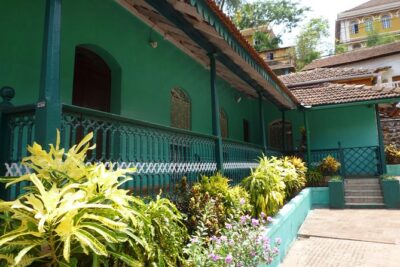
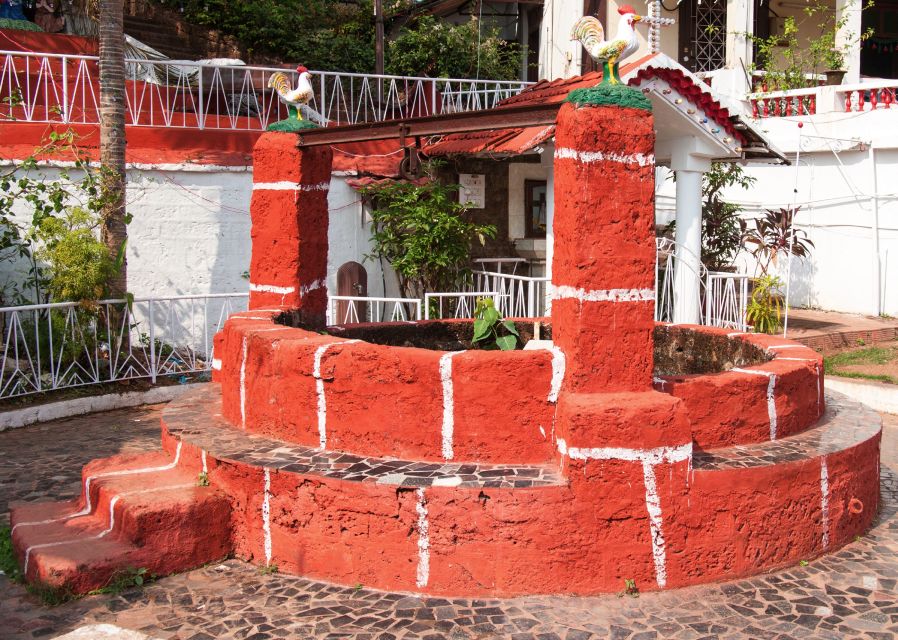
After the hill area, the tour heads into Fontainhas, famous for its Portuguese influence and Latin-quarter character. You’ll visit the Chapel of St Sebastian here, a key stop for understanding how Portuguese Catholic presence shaped Goa’s built environment.
What I like about Fontainhas is that it gives you the “human scale” of the architecture. Churches and forts are impressive, but they can feel far away without the neighborhood context. This section helps you picture what daily life looked like when these buildings were the center of community identity.
If you enjoy architecture stories, pay attention to how the guide frames design choices and how they connect to Portuguese rule. The vibe here is more about atmosphere and details than big panoramic proof. That makes it a good palate cleanser between the larger landmark stops.
Institute Menezes Braganza, Campal Houses, and Kala Academy
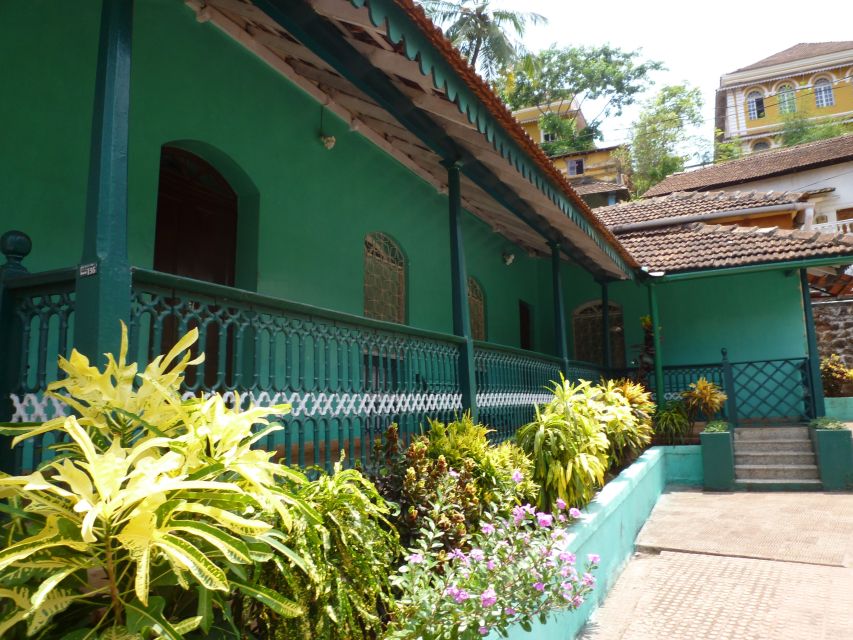
Next comes a run of stops that sit in the middle ground between heritage sites and modern civic life. You’ll visit the Institute Menezes Braganza, the Campal Houses, and Kala Academy, then head toward Miramar Beach.
Here’s why this matters: these aren’t just names on a map. They help you see Panaji as a living city shaped by historical power and later cultural institutions. Even if you’re not an architecture nerd, the guide can help you spot what’s Portuguese-influenced versus what’s evolved over time.
Miramar Beach acts like a gentle reset after the buildings. It’s a good moment to stretch your legs, breathe sea air, and let the day’s history land in your body instead of your brain.
Old Goa Churches and the Portuguese-Catholic Architecture Lens
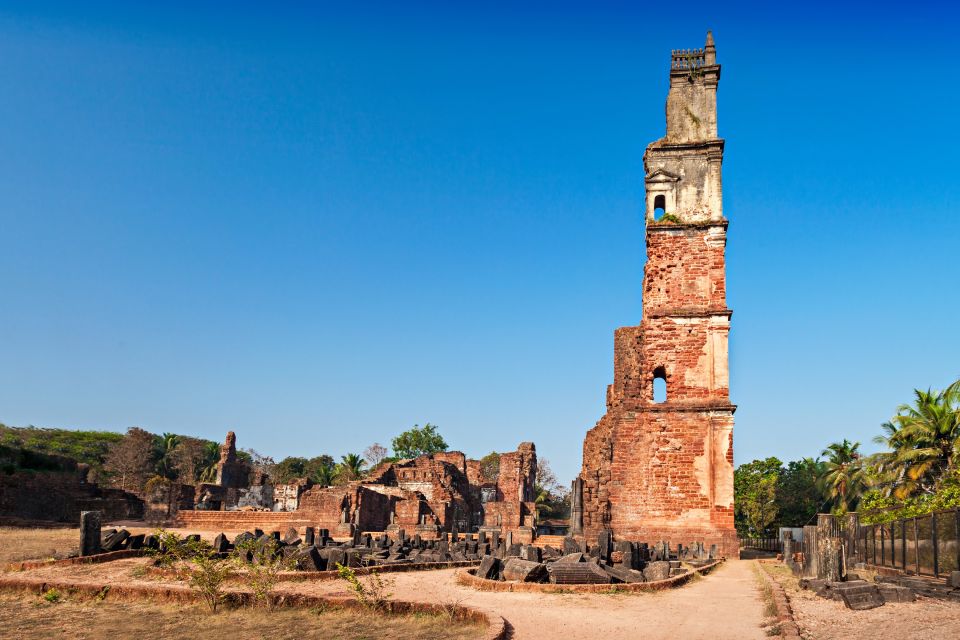
The tour includes visits to Goa’s magnificent churches, where you can learn more about the region’s cultural and architectural history. This is the part of the day that’s most clearly framed as a “read the architecture” experience—where style and symbolism are the point.
You’ll get architectural range from Baroque to Renaissance styles, at least in the overall tour emphasis. That’s useful because Goa’s church architecture can feel like one big blur until someone points out the differences. With a guide, you can start seeing patterns: how facades, interiors, and layouts connect back to European influence while still adapting to local reality.
One of the tour’s highlights also mentions a unique ship-shaped museum about cultural and architectural history. Even if you’re not sure what you’ll think of it ahead of time, it’s a distinctive way to break up the church-and-fort rhythm. Museums like this tend to turn a list of landmarks into a bigger story you can remember.





Fort Aguada: 17th-Century Portuguese Power at the Waterline
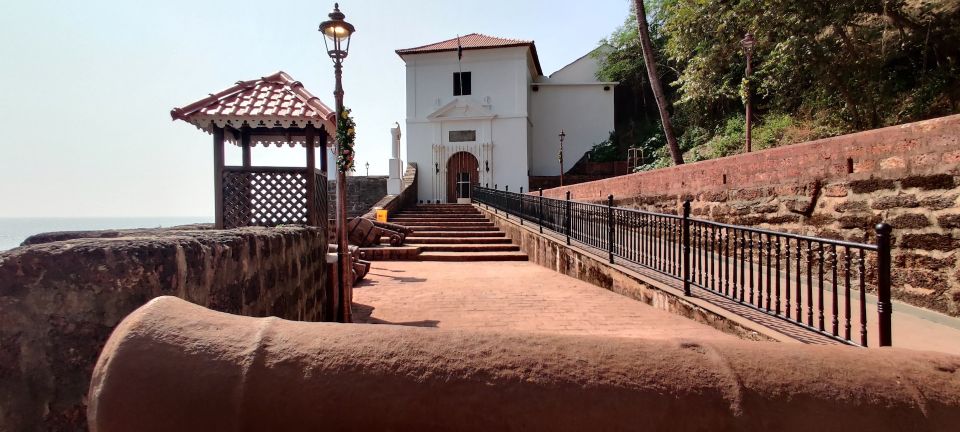
Fort Aguada is the kind of stop that makes the trip feel “real,” fast. You’ll visit the 17th-century fort and spend time admiring the lighthouse and the Portuguese architecture. Forts can be dry if the tour is only photo time—but this one is guided, so you should get context for why the fort was built and what it controlled.
The best value here is the combination: massive stone presence plus coastal views. You’re not just looking at a building; you’re looking at the shoreline the building guarded. That gives the day’s history a physical anchor.
If you love views, build in extra seconds for the lighthouse area and sea-facing angles. This is usually where the day’s pacing pays off—when you reach Fort Aguada after earlier city walking, your eyes learn to read the terrain.
Ending at Panaji Beaches and Enjoying Local Specialties
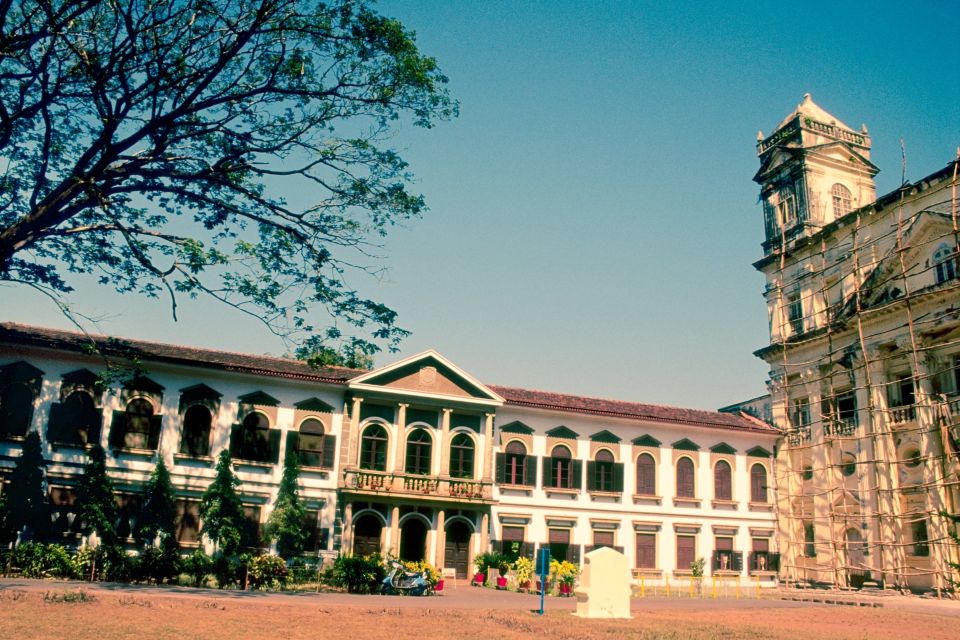
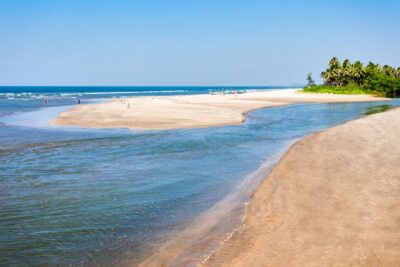
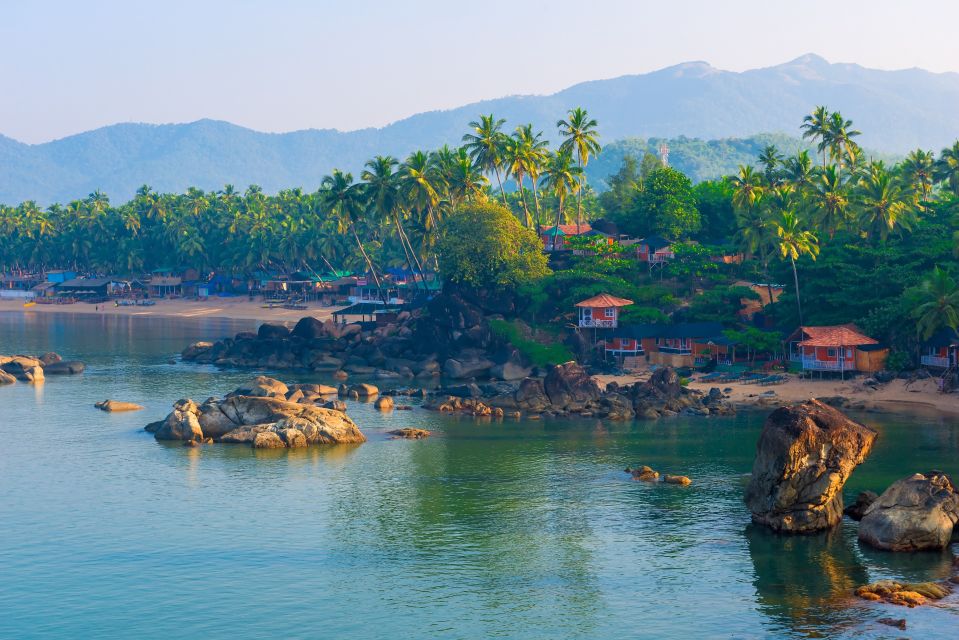
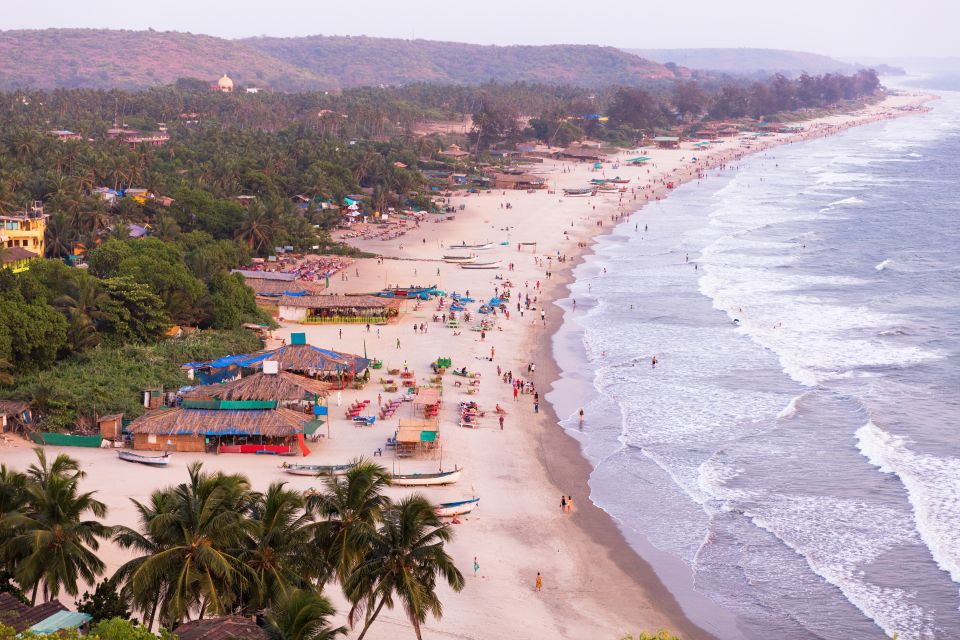
To close things out, the tour finishes with a stroll along Panaji’s most famous beaches and includes a tasting of local specialties. This ending makes sense. After churches and forts, the beach section lets you feel the “city of sun, sand, and sea” part without turning the whole day into a single long beach session.
The tasting is also a small but important value-add. It’s not just sightseeing; you get a food moment that ties into Goan everyday culture. If you have dietary limits, you might want to mention them before you go, since the specifics of the tasting aren’t spelled out in the details you provided.
At the end of the day, you’ll be dropped back at your hotel. That matters in Goa because traffic and parking can easily eat into sightseeing time if you’re doing it on your own.
Price and Logistics: Is $126 Good Value for a Private Day?
The price shown is $126 per group up to 2 for an 8-hour guided car tour. On paper, it can look like a lot compared to a walking tour. But car-based, guided sightseeing with multiple major stops usually costs more than you expect once you add up transportation, a guide, and the time commitment.
In terms of value, you’re paying for three things:
- Expert guidance that turns Portuguese and Catholic architecture into an understandable story
- A well-stacked itinerary that mixes viewpoints, neighborhoods, churches, and Fort Aguada
- Time efficiency—you’re not spending half the day figuring out routes between scattered sites
Where it can go sideways is logistics around pickup and what exactly “private” means in practice. A couple of reviews flagged extra charges after the pickup was treated as outside the zone, including amounts around 1000 to 1200 rupees. Another note described a day that was labeled private, but a few sights were shared due to combining groups.
You don’t need to panic. You do need to be careful:
- Confirm your pickup point/address is within the stated zone
- If your hotel is on the edge of the radius, ask how surcharges work before money is taken
- Ask whether your day stays strictly private for every stop, not just the overall tour label
If you handle those points early, the experience looks like strong value for an architecture-and-history day in Panaji.
Who This Tour Suits Best (and Who Might Feel It’s Not for Them)
This tour is especially good if you want Portuguese-influenced architecture plus Christian sites without doing a full-day Old Goa trek yourself. It also fits you if you enjoy a guide’s explanations and like learning patterns, not just chasing landmarks.
You’ll likely enjoy it if:
- You’re in Goa for a short window and want the Panaji story quickly
- You prefer guided structure over wandering
- You like mixing churches, neighborhoods, and viewpoints in one day
You might think twice if:
- You hate any walking on hill lanes and near waterfront areas
- You want a totally unstructured, no-guidance beach day
- You’re very sensitive about pricing surprises around pickup location
Should You Book This Panaji North Goa Sightseeing Tour?
I’d book it if you want a guided, architecture-focused Panaji day that actually explains what you’re looking at. The repeated praise for guide quality—clear talks, good energy, and a safe, well-planned route—points to a day that’s designed for understanding, not just checklists.
I’d also book it with one homework task: lock in your pickup address inside the stated zone and ask about any possible add-ons. Do that, and you should feel confident you’re buying a smooth, memorable route through Panaji’s Portuguese and Catholic layers—ending with sea air, beaches, and a little local tasting to round it out.
FAQ
FAQ
How long is the Panaji North Goa guided sightseeing tour?
The tour duration is listed as 8 hours.
What languages is the live guide available in?
The live tour guide is available in English and Hindi.
Is pickup included, and how early should I be ready?
Pickup is included. You’re asked to wait in the hotel lobby 10 minutes before your scheduled pickup time.
What areas are covered during the tour?
The tour includes Panjim Church and Altinho Hill landmarks, Fontainhas and the Chapel of St Sebastian, the Maruti Temple on Altinho hillock, stops like Miramar Beach, Goa churches, and Fort Aguada, plus a final stroll along Panaji’s famous beaches and a local tasting.
Is there a tasting included?
Yes. The day includes a tasting of some local specialties.
Can I get a refund if my plans change?
The experience states free cancellation is available up to 24 hours in advance for a full refund.