REVIEW · GOA
Glimpses Of Goa: Churches,Temple and Spice Plantation
Book on Viator →Operated by Exotic Goan Excursions · Bookable on Viator
Goa’s past feels walkable on this day trip. I love how this route strings together Fontainhas colonial lanes and the UNESCO monuments of Old Goa in one smooth afternoon, with a guide who keeps the stories human-sized and clear. You also get a real taste of how Portuguese-era buildings and local traditions sit side-by-side in modern Goa.
My favorite part is the balance: you’re not stuck only in churches. You get time for a practical look at how Goans live—plus a spice plantation visit where the tour explains medicinal uses of the herbs grown there, not just the flavor.
One thing to plan around: the dress rules at churches and temples are strict, so you’ll want shoulders and legs covered (no quick “I’ll just manage” gamble).
In This Review
- Key highlights I’d bank on
- Fontainhas Old Quarter: Colonial Houses and Everyday Streets
- Old Goa UNESCO: Basilica De Bom Jesus and Sé Cathedral
- Sancoale Hindu Temple: A Quick Stop That Still Matters
- Tropical Spice Plantation: Medicinal Lessons With Real Plant Knowledge
- Lunch at the Plantation: Locally Sourced, Simple, and Filling
- How the Day Flits Along: Timing, Transport, and Group Setup
- Price and Value: What $106.29 Buys You in One Go
- Dress Code and Comfort Tips You’ll Be Glad You Follow
- Getting the Most From Your Guide (Mario Is a Great Example)
- Should You Book Glimpses Of Goa?
- FAQ
- What’s the duration of the tour?
- What’s included in the price?
- Is lunch included, and are drinks included with it?
- Do I need to pay admission at every stop?
- What should I wear for churches and temples?
- What if the tour has weather issues or you cancel?
Key highlights I’d bank on
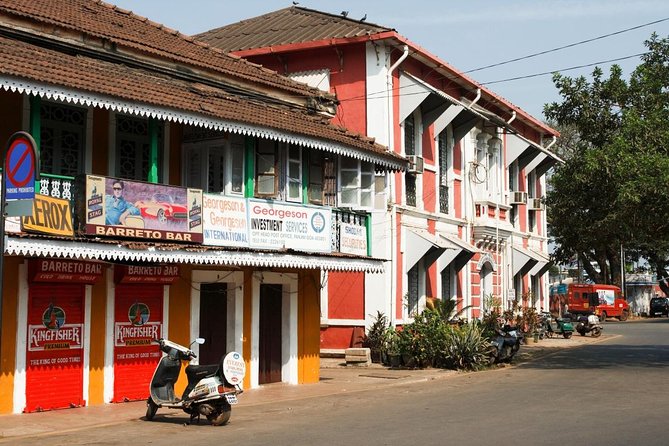
- Old quarter architecture at Fontainhas with classic Goan homes and colonial-style streets
- UNESCO sights in Old Goa including Basilica De Bom Jesus and Sé Cathedral
- A short Hindu temple visit in Sancoale that’s focused and to the point
- Tropical Spice Plantation education tied to medicinal values of spices and herbs
- Lunch at the plantation made from locally sourced ingredients (with a clear no-alcohol rule)
Fontainhas Old Quarter: Colonial Houses and Everyday Streets
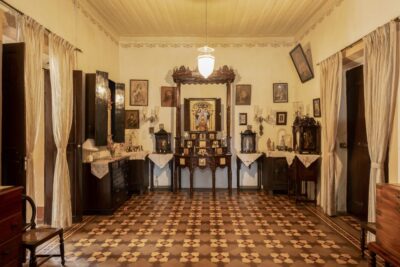
The tour starts in Panaji around 9:00 am, then heads straight for Fontainhas, Goa’s old quarter. This is where the day feels most like a stroll through layers of time rather than a checklist. The narrow lanes and old Goan houses give you the visual story of Portuguese influence—buildings that still stand, not just postcards.
You’ll get a guided walk (about 30 minutes) through the area, and it’s long enough to get your bearings without turning into a full-on hike. The guide points out colonial-style architecture details as you go, so you’re not guessing what you’re seeing. Even if you only remember a few things, the contrast between old facades and current street life makes it stick.
What I like for your planning: this stop is free time-wise and admission-wise, so you can focus on soaking it in. What to watch: the walking is short, but old quarters can mean uneven surfaces and tight corners—wear something stable.
You can also read our reviews of more tours and experiences in Goa.



Old Goa UNESCO: Basilica De Bom Jesus and Sé Cathedral
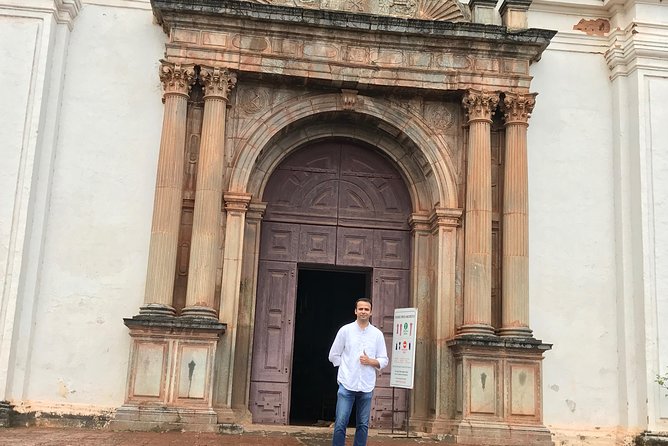
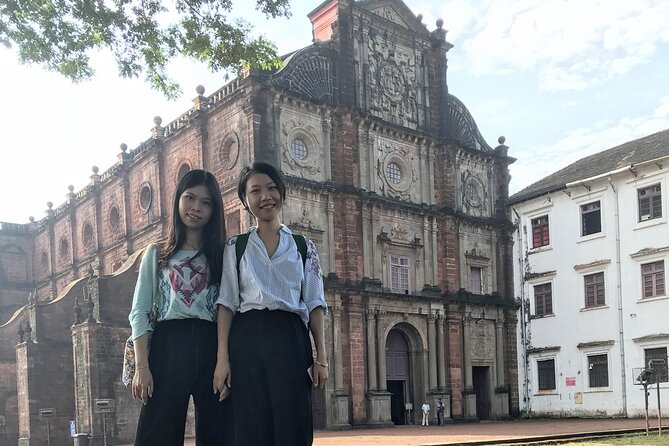
Next comes Old Goa, and this is the “slow down and look up” portion of the day. The tour targets two major landmarks tied to UNESCO World Heritage: Basilica De Bom Jesus and Sé Cathedral. You’ll spend around an hour here, with admission listed as free for these visits.
Basilica De Bom Jesus is one of the big-name churches in Goa. The architecture and setting give you that feeling of a place that’s been doing its job—religious ceremony and community meaning—for a very long time. Sé Cathedral has a different vibe, but the pairing is smart: it lets you compare styles and get a clearer sense of how sacred spaces evolved in the same region.
A key value of this stop is that you’re not just touring buildings. You’re hearing the factual context behind Goa’s “in-between” identity: Goa’s Portuguese rule lasted centuries, and that legacy shows up in buildings, town planning, and cultural rhythms. The tour frames Goa as a once-famous entrepot where traders and merchants moved through, which helps explain why so many influences landed and stuck.
Practical consideration: churches can be cool and quiet, but they also enforce decorum. The tour has a strict dress code, and it’s not the time to improvise with whatever you wore for the beach.
Sancoale Hindu Temple: A Quick Stop That Still Matters
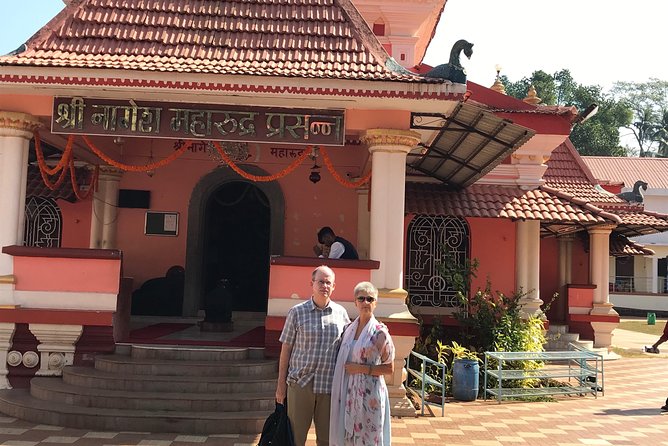
After Old Goa, you’ll head to Sancoale for a Hindu temple visit. This stop is shorter—about 30 minutes—and admission is listed as free. The goal here isn’t sightseeing overload. It’s a respectful, focused look at how temple spaces play a role in everyday Goan religious life.
Because this is a worship space, you’ll notice how the atmosphere changes compared with the church stops earlier. Even with limited time, the guide’s explanations help you read what you’re seeing—signs, space, and the way people treat the site. It also helps balance the day so it’s not only Portuguese-era architecture dominating your photos.
The main thing to be ready for is behavior and clothing. The tour is very clear that you need to follow a strict dress code at churches and temples: no shorts, no sleeveless tops, no mini skirts, and no strapless or fine strap dresses, and also no short dresses or sleeveless T-shirts. If you don’t want to think about it on the day, pack something simple that covers you fully and still feels comfortable in Goa heat.
Tropical Spice Plantation: Medicinal Lessons With Real Plant Knowledge
Then the day shifts gears—away from stone monuments and into greenery—with a visit to a Tropical Spice Plantation. You’ll get about one hour here, and the admission is included. This part feels valuable because it’s practical. The tour explains the medicinal values of each spice and herb grown on the plantation, so you’re learning more than the obvious “this is cinnamon” type of facts.
Spice plantations in Goa can be very “show and sell” in some tours. What makes this one worth your attention is that the visit is positioned as education: you see the plants and hear how the spices and herbs are used. Even if you don’t become a home apothecary afterward, you come away with better context for why Goans have long used these ingredients in cooking and folk remedies.
The plantation visit is also a nice pacing break. You get shade, fresh air, and something visual to focus on that’s not a church interior. If you’re traveling with family or friends who might find religious sites long, this stop often keeps the group interested because it’s more interactive and sensory.
The only thing to consider is that one hour can feel quick depending on how many questions you ask. If you like asking “why” questions, bring them. The guide is there to make sure you understand what you’re seeing.
Lunch at the Plantation: Locally Sourced, Simple, and Filling
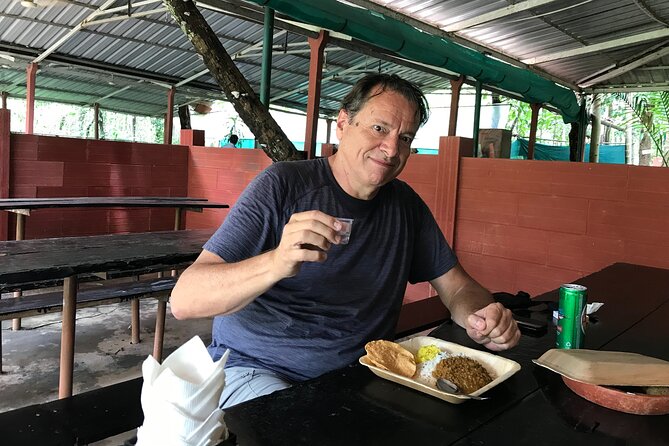
Lunch is provided at the plantation, and it’s described as made from locally sourced ingredients. This matters because it turns the spice visit into something you can taste. Instead of leaving the plantation with only photos of plants, you get a meal that connects to what you just learned.
One rule is very clear: no alcoholic or non-alcoholic beverages are served with lunch. If you want drinks, they’re purchased separately on direct payment. So if you know you’ll want a soda or a cold drink, plan for it. Bottled water is included on the tour, so you’re not left scrambling.
Food quality can’t be predicted from a short description, but the setup is promising: spice knowledge + ingredients local to the region + a planned lunch time means you’re likely to eat something that tastes like it belongs in Goa, not just a generic buffet stop.


How the Day Flits Along: Timing, Transport, and Group Setup
This experience runs about 7 hours and includes transport by air-conditioned vehicle. That’s a big deal in Goa. Roads can take time, and the day includes a few separate locations, so having AC gets you out of the “sweaty transit” problem.
It’s also a private tour/activity, meaning only your group participates. That setup can be great if you want questions answered without feeling like you’re competing for time. You also get group discounts listed, so if you’re traveling with more than one person, you’re not paying full rate for a “solo experience” situation.
Start point is Panaji, and the tour ends back at the meeting point. Pickup is offered if you’re coming from Mormugao Harbour: the guide will stand at the exit point after immigration check with a Viator placard showing your name. If you’re flying in and want to reduce stress, confirm your pickup details early so you’re not timing your own arrival too tightly.
One more practical note: the tour requests moderate physical fitness. The walk segments are short, but the day includes movement through old streets and temple/cathedral areas. Wear shoes you can stand and walk in for the day, not just for photos.
Price and Value: What $106.29 Buys You in One Go
At about $106.29 per person for roughly 7 hours, this sits in the midrange for guided cultural tours in Goa. The value comes from the fact that you’re getting multiple “categories” in one day: colonial architecture walk, UNESCO church visits, a temple stop, a plantation education session, and lunch.
What makes it feel fair is that several stops list admission as free (Fontainhas and the Old Goa churches, plus the Sancoale temple). The spice plantation admission is included, and lunch is provided. Add a guide, air-conditioned transport, bottled water, and English-speaking guidance, and you can see where the money goes: less standalone ticket-buying, fewer transfer headaches, and more guided interpretation per hour.
The biggest value lever for you is whether you’ll use the guide’s storytelling. If you like context—Portuguese influence, Goa as an entrepot of traders and merchants, and local lore around what you see—this tour rewards that interest. If you’re only looking for fast photo ops, you might feel the day moves too much between stops.
Dress Code and Comfort Tips You’ll Be Glad You Follow
This tour’s dress code isn’t vague. For churches and temples, it requires a strict decorum:
- No shorts
- No sleeveless tops
- No mini skirts
- No strapless or fine strap dresses
- No short dresses
- No sleeveless T-shirts
- No T-shirts or tops with a hem above midriff
It’s easy to pack around, but it’s also easy to forget until you’re at the gate. Bring a light layer that covers you without making you sweat more than needed. You’ll also want shoes with grip, since old areas can mean uneven stone or tricky pavement.
If you’re someone who likes flexibility—say, you want to wear a light travel shirt or a long skirt/dress—this tour is still doable. Just set the outfit early and you won’t waste time arguing with clothing rules or watching the group wait.
Getting the Most From Your Guide (Mario Is a Great Example)
One of the best signs is that the guide doesn’t just show up and talk. After booking, the provider emails you and asks for specific needs—what you like to drink, for example. In one review, the guide was Mario from Exotic Goan Excursions, and the email-touchpoint was described as part of why the experience felt smooth.
You can take advantage of this. If you have preferences or needs—timing concerns, mobility limits, or dietary constraints for lunch—communicate them before the day. It’s a small step that can make the itinerary feel tailored rather than rigid.
Also, because the tour includes multiple sites with cultural expectations, your questions matter. Ask about what you’re seeing in Fontainhas, what makes the UNESCO churches significant, and what the spices are actually used for. That’s where the guide’s local storytelling turns into something you’ll remember.
Should You Book Glimpses Of Goa?
I’d book this if you want a single, well-paced day that covers Portuguese-influenced Goa, major UNESCO church sights, and a spice plantation with lunch—without having to plan the route and ticket logic yourself.
I’d pause if you dislike dress code restrictions, or if you’re hoping for a beachy, low-effort day with lots of free time. This is a culture-and-story itinerary, and it rewards the mindset of “I’m here to learn and look closely,” not the mindset of “I want to do minimal walking and minimal rules.”
If you fit the first group—curious about Goa’s mix of Christian, Hindu, and Portuguese-era influences—you’ll likely find this format a strong value for a 7-hour cultural overview.
FAQ
What’s the duration of the tour?
It runs about 7 hours.
What’s included in the price?
It includes an air-conditioned vehicle, bottled water, all fees and taxes, an English-speaking guide, lunch at the spice plantation, and the spice plantation admission. Mobile ticket and pickup offered are also listed.
Is lunch included, and are drinks included with it?
Lunch is provided at the plantation. No alcoholic or non-alcoholic beverages are served with lunch, so any drinks you want must be purchased separately.
Do I need to pay admission at every stop?
Fontainhas, Old Goa (Basilica De Bom Jesus and Sé Cathedral), and the Sancoale temple are listed as free admissions. The tropical spice plantation admission is included.
What should I wear for churches and temples?
You need to follow a strict dress code: no shorts, no sleeveless tops, no mini skirts, no strapless or fine strap dresses, no short dresses, no sleeveless T-shirts, and no T-shirts or tops above the midriff.
What if the tour has weather issues or you cancel?
The tour requires good weather; if it’s canceled due to poor weather, you’ll be offered a different date or a full refund. Cancellation is free up to 24 hours before the experience starts for a full refund.