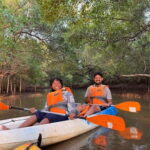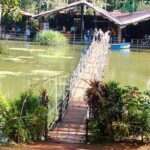
Mangroves pull you into calm silence. This 90-minute Goa kayak outing on flat, dammed waters turns wildlife watching into a hands-on paddle—sliding through narrow channels where birds feel close enough to wave at. I really love the birdwatching (kingfishers and more, at eye level) and the quiet mangrove feel that makes the whole trip feel like a slower Goa. One caution: you’re out in the sun on open water and paddling for a while, so you’ll want sunscreen planning first, not last.
You meet at Water’s Edge in Nuvem (off Majorda Beach Road) and get a proper on-the-water briefing: how to use the kayak, what to look for, and what’s living around you. The group stays small (up to 14), the pace is gentle, and the experience includes the basics you need—life vests, leashes, paddles, bottled water, and fruit juice—so you can focus on the scenery and wildlife.
In This Review
- Key points worth knowing
- Why Sal Backwaters feels different from other Goa tours
- The 90-minute pacing: what you’ll do on the water
- Your guides’ briefing: the hidden value
- What you’ll see: birds first, then the rest of the ecosystem
- Mangroves, lotus ponds, and mango groves
- The tall grasses/scrub section: a fun change of pace
- Equipment and safety basics (and why they matter on calm water)
- Price and value: what $65 buys you in real terms
- Who should book this kayaking tour
- Simple planning tips (so your day goes smoothly)
- Is it worth it? My booking recommendation
- FAQ
- How long is the kayaking experience?
- What’s included in the tour price?
- Is hotel pickup and drop-off included?
- Where do I meet, and where does it end?
- What’s the minimum age, and are kids required to paddle?
- How many people are in the group?
- What if the weather is bad?
Key points worth knowing
- Small-group kayaking (max 14) keeps the briefing personal and the channel space comfortable
- Mangrove + lotus-pond route means you’re not doing the same view the whole time
- Birdwatching at close range with 70+ species and a good shot at kingfishers
- Local guide focus on flora, fauna, and what to spot as you glide
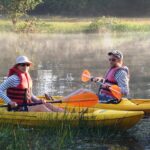
- Equipment included (kayaks, paddles, life vests, leashes) so you can travel light
- Sun protection matters—one sunburn tip shows up again and again for a reason
Why Sal Backwaters feels different from other Goa tours
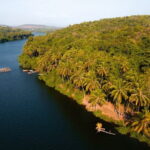
Goa can be all beach time. This tour gives you another side of the state: waterways shaped by mangroves, lotus ponds, and mango groves. Instead of just looking at wildlife from a distance, you’re moving through it—slowly, quietly, and close enough to notice how different birds behave when you pass.
What makes Sal Backwaters work is the combination of still water and tight channels. The waters are described as flat, dammed-up water, and the route goes through narrow waterways deep in the mangroves. That matters because calmer water is easier to paddle, and the narrow channel gives birds less space to flee. You also get a mix of open stretches and more enclosed passages, so the trip doesn’t turn into one long single-file moment.
You can also read our reviews of more tours and experiences in Goa
The 90-minute pacing: what you’ll do on the water
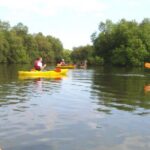
This is an action-filled kayaking outing, but it’s not a white-knuckle workout. Expect about 1 hour 30 minutes on the water (approx.), with a steady rhythm: meet, introduction, safety and kayak instructions, then your paddle.
A typical flow looks like this:
- You start at Water’s Edge in Nuvem (near Majorda Beach Road, Dongorim, Nuvem).
- After introductions, your guides explain the river setup and what to watch for.
- You slowly and silently weave through narrow mangrove waterways.
- At some point, you’ll also paddle through areas with tall grasses/scrub—great for seeing how the edges of the habitat look from a kayak.
- The trip ends back at the departure point.
Why that pacing is valuable: it’s long enough for wildlife spotting to feel real, but short enough that you won’t arrive back drained. You’ll still feel like you had an experience, not just a quick dip in the waterworld.
Your guides’ briefing: the hidden value
The best part of this kind of tour is rarely the gear. It’s what you learn in the first few minutes and how quickly it helps you spot things once you’re on the water.
Here, you’ll get a briefing that covers:
- How to use the kayak properly
- How to move calmly so wildlife stays visible
- What the local flora and fauna look like in practice
- Specific cues for the kinds of birds to watch for
It also helps that the experience is set up as an informative small-group trip. When the guide can see what you’re missing—and correct your paddling or point out a bird—you end up enjoying the whole route more. One review detail that’s easy to trust: people consistently call out that the guides are strong before, during, and after the trip.
What you’ll see: birds first, then the rest of the ecosystem
Sal Backwaters is a bird corridor, and the tour is built around that. You’re told to keep an eye out for the kingfisher, and the habitat is described as a popular migratory spot. In total, the waterways are said to host more than 70 types of birds.
Bird list you might spot includes:
- Kingfishers
- Cormorants
- Lapwings
- Pin-tailed ducks
- Pheasants
- Purple moorhens
- White, purple, and grey herons
- Egrets
- Ibis
Even if you don’t catch every species, the thrill is the variety. You’ll start noticing differences fast: herons standing still like statues, cormorants perched and drying wings, ducks moving through the shallows. The tour’s timing is also part of the idea—this is the kind of morning-to-midday activity where birds tend to be active and visible around vegetation edges.
And then there’s what sits beyond birds:
- Fish in and near the water edges
- Otters, if you’re lucky—described as something you could see frolicking and feeding
That “if lucky” matters, because it keeps your expectations honest. Still, the habitat description makes otter sightings plausible, which is why it’s worth doing even if you’re not the type who chases wildlife all day.
Mangroves, lotus ponds, and mango groves
The route doesn’t just stick to one look. You’ll glide through places described as mangroves and narrow waterways, then move into lotus ponds—including red/white lotus—and pass through areas connected to mango groves.
Here’s why that habitat variety matters for you:
- Lotus ponds add a layered, quieter feel. It’s easier to spot birds when the vegetation forms predictable edges.
- Mango groves and mixed plant areas help you understand the full system, not just the water.
- Mangroves create those tight channels that make wildlife feel close.
The plants you’re specifically told about include cashew, bamboo, and mango. If you’re curious about how tropical ecosystems work, that’s the kind of practical, on-the-ground context you rarely get from a quick roadside stop.





The tall grasses/scrub section: a fun change of pace
For part of the trip, you’ll be kayaking in areas with tall grasses/scrub. This isn’t described as an extreme environment, but it does change the way visibility works.
Why I like this part for most people: it shifts you from open-water spotting to edge-habitat noticing. You start looking more carefully at movement in vegetation lines and birds that use cover. It also breaks the trip into mini-scenes, so you don’t mentally check out after the first section.
If you’re someone who hates getting your view blocked, keep in mind that grasses naturally limit sightlines. The tradeoff is that you’ll often see different activity types than you do in open channels.
Equipment and safety basics (and why they matter on calm water)
You’ll receive the standard kit: kayaks, paddles, and life vests plus leashes. That’s not just paperwork comfort. It helps you focus.
Here’s the practical angle:
- Life vests let you enjoy the trip without constantly worrying about safety
- Leashes matter when you’re learning kayak handling or moving through narrow spots where balance matters
- Since this is quiet, wildlife-focused paddling, the goal is controlled movement—not speed
Also note the tour isn’t marketed as a thrill-ride. It’s meant to be calm and controlled, which is exactly what makes wildlife viewing easier.
Price and value: what $65 buys you in real terms
At $65 per person for about 1.5 hours, this tour is priced like a premium nature activity—not a budget beach activity. The value comes from what’s included, and from the fact that you’re getting a guided wildlife focus.
Included in your price:
- Bottled water
- Local guide
- Use of kayaks, paddles, life vests, leashes, and needed equipment
- Fruit juice
What’s not included:
- Hotel pickup and drop-off
- Food and drinks beyond what’s specified
For most people, the “no pickup” part is the only real cost you need to plan around. If you’re staying close to Majorda/Nuvem areas or can reach the start point easily, it keeps the overall cost reasonable. If you’re far away and need a taxi, the total spend changes.
So the bargain test is simple: if you want a guided, equipment-included wildlife paddle through mangroves and lotus ponds, this price can feel fair. If you already have kayaking gear and just want self-guided paddling, then it’s not a match.
Who should book this kayaking tour
This one is a good fit if:
- You like wildlife, especially birds
- You enjoy slow travel that still feels active
- You want a local-nature experience that’s not just a beach checklist item
- You’d rather have a guide point things out than take guesses
It’s also a solid family option with the age rules in mind. Minimum age is 7 years. Kids under 10 are expected to be towed by parents/guardians, so it’s set up with that expectation.
Not ideal if:
- You’re pregnant or have heart complaints or serious medical conditions (it’s stated as not recommended)
- You’re expecting a long, sit-back sightseeing cruise without paddling
Simple planning tips (so your day goes smoothly)
I’d treat this like a sun-and-water activity first.
Bring a sun game plan:
- Apply sunscreen well before you go
- Reapply if you’re someone who burns easily
The trip is calm, but it’s still outdoors for long enough to matter. One review advice highlights sunburn risk, and it lines up with what your body will do when you’re paddling in the open.
Also, don’t overpack the day. You’re going to want your attention during the paddle, because that’s when the birds and plant details become easy to catch.
Finally, check your schedule for weather. This experience requires good weather. If it gets canceled due to poor weather, you’ll be offered a different date or a full refund.
Is it worth it? My booking recommendation
If you want the most rewarding version of Goa beyond sand and sun, I’d book it. This tour gives you a short, guided kayak experience with serious bird variety, a mangrove-to-lotus route, and enough time to feel like the scenery opened up rather than passing by too fast.
I’d especially recommend it if you enjoy learning what you’re seeing. The guides aren’t there just to hand you a paddle; they set expectations for what to spot once you’re on the water. And with a 4.9 rating from 230 reviews and 99% recommendation, the “feel” of the experience is consistently strong—especially around the calm pace and helpful guiding.
If your biggest goal is full-day sightseeing, or you hate being outside in the sun, you might want to choose another Goa activity. But for most people who like nature, photography, and quiet motion, this is a smart use of time.
FAQ
How long is the kayaking experience?
It runs for about 1 hour 30 minutes (approx.).
What’s included in the tour price?
You get bottled water, a local guide, use of the kayak and equipment (including paddles, life vests, and leashes), plus fruit juice.
Is hotel pickup and drop-off included?
No. Hotel pickup and drop-off are not included.
Where do I meet, and where does it end?
You meet at Water’s Edge in Nuvem (Majorda Beach Road, Dongorim, Nuvem, Goa 403713, India). The activity ends back at the same meeting point.
What’s the minimum age, and are kids required to paddle?
Minimum age is 7. Children below 10 must be towed by parents or guardians.
How many people are in the group?
The tour has a maximum of 14 travelers.
What if the weather is bad?
The experience requires good weather. If it’s canceled due to poor weather, you’ll be offered a different date or a full refund.