REVIEW · GOA
Goa guided Tour – Pick up from Pier
Book on Viator →Operated by Muziris Heritage - Day Tours · Bookable on Viator
Your Goa day starts at the port gate. This is a smart, compact way to see Old Goa’s Portuguese churches and then shift into everyday life in Fontainhas and Panjim markets without wasting time. I like that the pacing is built for a short stop, not a slow wander. The one thing to consider is transport comfort: depending on the vehicle used that day, the ride can feel a bit long, and audio on board can be hit or miss.
What makes this especially useful is the door-to-door pickup and drop-off from Mormugao Port. It’s set up for cruise schedules, with a 6-hour window that packs in major sights plus local streets. The guide is part of the value too, since you get someone to translate what you’re seeing while you’re moving.
In This Review
- Key things to know before you go
- Getting Started at Mormugao Port Authority
- Se Cathedral and Bom Jesus: the core of Old Goa
- Fontainhas Heritage District: colorful homes and the original fountain
- Panjim market time for spices, fish, and produce
- The 6-hour pace: best for short shore time
- Price and value: what $90 gets you in real terms
- Who this tour suits best (and who should rethink it)
- Should you book this Goa port-to-Panaji day tour?
- FAQ
- FAQ
- What is the meeting point for the tour?
- What time does pickup happen?
- How long is the tour?
- How much does it cost?
- Are meals included?
- Is the tour guided?
- Does the tour include port pickup and drop-off?
- Is admission covered?
- What is the group size limit?
- What is the cancellation window?
Key things to know before you go
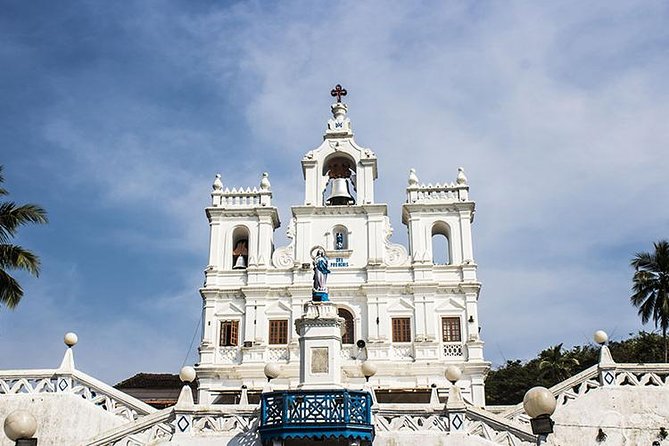
- Mormugao Port pickup at 8:30 am: you’re not left to find your own way out of the harbor.
- Old Goa must-sees in one sweep: Se Cathedral plus the Basilica of Bom Jesus.
- Fontainhas Latin Quarter walk: colorful Catholic and Hindu homes and the original fountain tied to the area’s name.
- Market time focused on daily life: spices, fish, and produce are part of the experience, not just sightseeing.
- Small group max 15: easier conversations with your guide and a calmer pace through churches and streets.
Getting Started at Mormugao Port Authority
If your cruise docks at Mormugao, this tour’s biggest win is simple: you start right at the Mormugao Port Authority (MPA) Administrative Office (CQ6V+76V, Headland Sada, Vasco Da Gama). The start time is 8:30 am, and the pickup is designed to match the cruise reality of limited shore time.
You’ll usually get a mobile ticket, which helps. You don’t want to spend your first hour in Goa trying to figure out paperwork or standing in the wrong line. This format also keeps your mental load low. You show up, you get pointed forward, and you move.
One more detail that matters on cruise days: small group size. This runs with a maximum of 15 travelers, which typically means fewer bottlenecks at church entrances and markets. And on some departures, the group can run smaller than the cap. Translation: the whole day feels less like a conveyor belt.
You can also read our reviews of more guided tours in Goa



Se Cathedral and Bom Jesus: the core of Old Goa
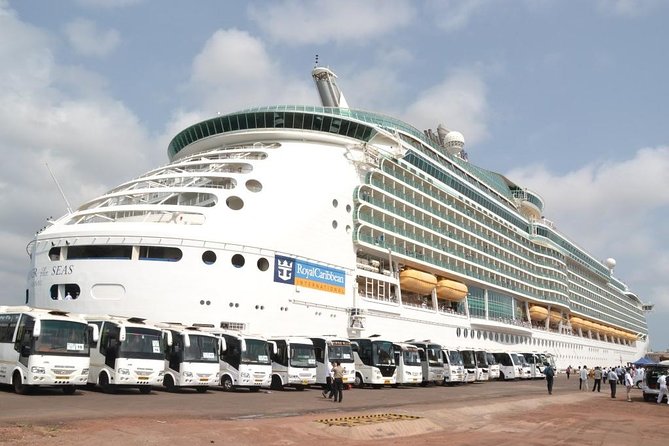
Old Goa is where Portuguese power and Jesuit influence left visible fingerprints. This tour’s first big sightseeing block is built around two landmark churches.
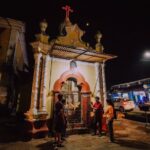
You’ll visit Se Cathedral, the seat of the Archbishop of Goa. It’s the kind of place where architecture does some of the explaining for you. Even without a long lecture, you can feel the importance of the site: it wasn’t just a church; it was a center of administration and authority.
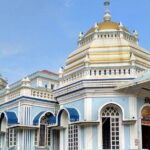
Then comes the Basilica of Bom Jesus, famous for housing the body of Saint Francis Xavier. He was canonised in 1622, and that timing matters because it places the church inside the early modern Jesuit push across Asia. Standing in a space connected to that story is different from popping into a random chapel. This stop is one of the main reasons the tour works well for first-timers. You get the headline names in a single block, with enough context to make them stick.
Practical note: since this is church time, dress respectfully and expect a bit of walking on uneven surfaces around older buildings.
Fontainhas Heritage District: colorful homes and the original fountain
After the Portuguese religious sites, the tour shifts tone. It goes from formal church interiors to a residential area where daily life still shapes the streets.
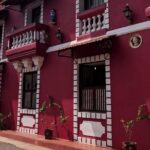
You’ll get a brief walk through Fontainhas, often described as the Latin Quarter of Panaji. This is where the traditional colorful houses of both Catholic and Hindu communities have been preserved. The mix is the point. Goa’s story isn’t just European churches and colonial streets. You can see how communities lived side by side, and how the neighborhood layout kept that history visible.
You’ll also see the original fountain that the area is named after. That’s a small detail, but it’s the kind of thing a guide helps you notice. On your own, you might treat a fountain like scenery. With a guide, it becomes a clue about how the neighborhood formed and why people remember it.
This part is short by design. With only about 6 hours total, you’re not doing a long neighborhood study. Instead, you’re getting a feel for where you’d want to return later if you fall in love with Panaji’s older quarters.
Panjim market time for spices, fish, and produce
Next comes a taste of Goa’s everyday economy: a market walk designed for observation, not a shopping mission.
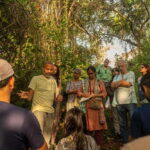
You’ll stop at a Panaji fish and vegetable market, where you get a peek at how locals buy and sell. The tour frames this around spices, fish, and produce, and that matters because markets are where you learn the real rhythm of a place. It’s sensory. It’s practical. And it makes the rest of the day feel grounded, like you didn’t only tour monuments.
One thing I really appreciate about this kind of stop is that it helps you balance the day. Churches can be heavy. A market gives you motion, color, and normal human activity. It also helps you understand why Goa’s cuisine and trade stories make sense, since you’re literally seeing the ingredients moving through the day.
Also, this tour is positioned as an introduction, not a sales funnel. The goal is to get you looking and learning, not dragging you from shop to shop.
The 6-hour pace: best for short shore time
This is a 6-hour day tour, give or take. That timing is the whole strategy. If you’re on a cruise, you need a plan that fits a tight schedule and still feels worth your time.
You’ll start at the port in the morning and then drive toward Old Goa and Panaji. In practice, you should expect a longer drive as part of the package. That’s not a flaw—it’s just geography. What you’re buying is access: the guide, the route, and the ability to cover multiple major areas without you having to coordinate transport and timing.
Vehicle comfort can vary. On some departures, a comfortable van is used. On others, you might ride in a more basic bus setup. If you’re sensitive to ride quality, plan for it like you would any morning pickup: wear layers you can adjust, bring water, and don’t count on perfect audio if the guide uses onboard sound equipment.
If your day includes extra breathing room at the end, it’s typically because the schedule allows it. Some departures finish with time to unwind, even with a beach stop. Don’t plan your entire itinerary around that possibility, but it’s a nice bonus when it works.




Price and value: what $90 gets you in real terms
At $90 per person, this isn’t a budget-only bargain. It’s priced like a guided port tour, and you’re paying for three things that are hard to replicate alone:
- Door-to-door port pickup and drop-off from Mormugao Port
This is the part that usually costs you the most energy if you try to DIY it.
- A professional guide
The difference between seeing a church and understanding why it mattered is often the entire point of a short day.
- All taxes, fees, and handling charges included
So you’re not scrambling later to figure out what’s extra.
Also, admissions are listed as free (at least for the parts covered by the tour). That helps keep the day from ballooning into surprise costs.
Where the value gets especially good is if you’re short on time and want someone to handle the logic. You spend your energy looking at Se Cathedral, Bom Jesus, Fontainhas, and the market, not planning transport across regions.
If you’re the kind of person who wants a totally open schedule, you might feel constrained by a set day structure. But if your goal is an efficient, guided hit of key sights plus local street life, the price starts to make sense fast.
Who this tour suits best (and who should rethink it)
This is a strong fit for:
- Cruise passengers who need a smooth way to go from Mormugao to Panaji and Old Goa without stress.
- First-time visitors who want a guide to connect the dots between Portuguese churches and Goa’s modern neighborhood feel.
- People who prefer a short, structured day with a market stop that shows everyday buying and selling.
It’s a weaker fit if:
- You want total freedom to set your own route or spend longer in just one place.
- You strongly dislike church visits and would rather build a day around beaches or only one district.
The “sweet spot” is short-time sightseeing with just enough local texture to make it feel like more than postcard stops.
Should you book this Goa port-to-Panaji day tour?
I’d book this if you’re docking at Mormugao and you want a guided path to Old Goa’s top churches plus the Fontainhas heritage walk and a Panjim market glimpse. It’s designed for limited shore time, and the included port pickup/drop-off is the kind of practical value that pays off immediately.
If you’re picky about vehicle comfort or you know you’ll be bothered by imperfect audio on board, you’ll want to set expectations before you go. And if you’re the type who hates any fixed schedule, you may feel constrained.
But for most people who have one day and want it to count, this is a sensible, efficient choice that mixes headline sites with real street-level Goa.
FAQ
FAQ
What is the meeting point for the tour?
The tour starts at Mormugao Port Authority (MPA) Administrative Office, CQ6V+76V, Headland Sada, Vasco Da Gama, Goa 403804, India.
What time does pickup happen?
Pickup starts at 8:30 am.
How long is the tour?
The duration is about 6 hours.
How much does it cost?
The price is $90.00 per person.
Are meals included?
Food isn’t listed as an included item. You’ll have market time, but lunch is not confirmed in the provided details.
Is the tour guided?
Yes, it includes a professional guide.
Does the tour include port pickup and drop-off?
Yes. Port pickup and drop-off are included.
Is admission covered?
The tour notes Admission Ticket Free for the experience.
What is the group size limit?
This experience has a maximum of 15 travelers.
What is the cancellation window?
You can cancel for a full refund up to 24 hours before the experience starts. If you cancel less than 24 hours before, the amount may not be refunded.