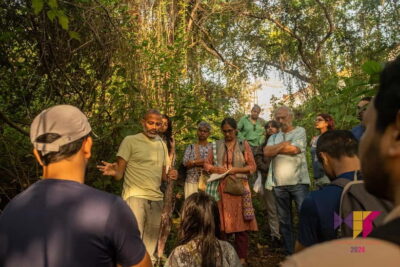
REVIEW · VELHA GOA
Old Goa: Saga Of Saints, Spices & Sovereigns | Heritage Walk
Book on GetYourGuide →Operated by Origins And Horizons · Bookable on GetYourGuide
Old Goa tells its story fast. In just 2 hours, you walk through the church-and-convent world that grew from Portuguese rule, trade, and faith—then finish with a small local drink. The standout is the way the route connects saints, spices, and sovereigns without turning everything into a museum lecture.
I especially like the storytelling—guides such as Amreen or Gaurish (both highlighted in past groups) explain religious beliefs and colonial history in clear English, often with a thoughtful, stage-by-stage way of revealing context. I also like the focus on off-the-main-path monastic ruins, including the Augustinian monastery remains, plus spots like the Rosary Church that many casual visitors miss.
One thing to consider: this is still a walking tour through churches and historic areas, with strict dress expectations (covered, not sleeveless; no shorts). If heat is a factor, plan for sun and bring what they ask for—your comfort matters for getting the most out of the stories.
In This Review
- Quick take: why this walk is worth your time
- Old Goa in two hours: what you’ll actually get
- Starting at Santa Monica Convent: your first clue is right there
- Church interiors and sacred art: learning to read the buildings
- Rosary Church and the kind of corners most people skip
- Augustinian monastery ruins: when devotion becomes archaeology
- Saints, spices, and sovereigns: how the story connects
- The guide matters: why the best storytelling changes everything
- What you’ll miss if you rush through Old Goa on your own
- Practical expectations: timing, walking pace, and clothing rules
- What to bring: the small list that keeps you comfortable
- End with a local drink: a real reset, not a random stop
- Who should book this walk (and who might not love it)
- Price and value: why $9 can still feel like a lot (in a good way)
- So, should you book Old Goa: Saga Of Saints, Spices & Sovereigns?
- FAQ
- Where does the tour start?
- How long is the Old Goa heritage walk?
- What’s included in the price?
- Is transportation included?
- What should I wear or avoid?
- Is it suitable for everyone with mobility or health concerns?
Quick take: why this walk is worth your time
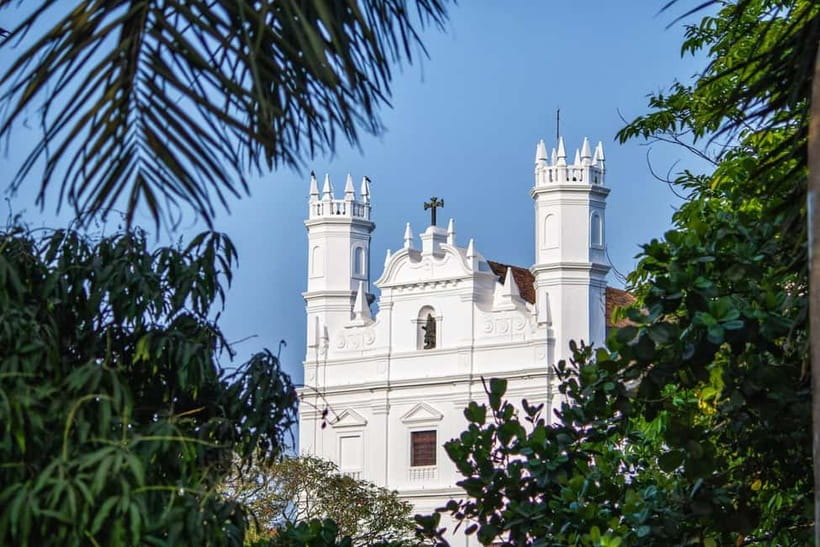
- Two hours, one coherent story: Portuguese-era Christianity, trade, and Old Goa’s decline linked scene by scene.
- Sacred art explained in plain language: you’ll learn what architectural and religious details are trying to communicate.
- Augustinian ruins, not just photos: you’ll hear what life and devotion looked like beyond the front facade.
- Hidden monastic corners like the Rosary Church: fewer obvious stops, more meaning.
- A guide who manages the pace: prior groups mention shady spots and time to sit while listening.
- Local drink at the end: a small reset after church-hopping in the Goa sun.
Old Goa in two hours: what you’ll actually get
This isn’t a slow “stand and admire” stroll. It’s a focused heritage walk built to help you understand how Old Goa became a crossroads—faith on one side, commerce on the other, and political power shaping both.
You’ll spend your time walking between church and convent spaces, then shifting your attention from religious art to colonial history. The best part is the cause-and-effect feel: how ships and trade routes mattered, how missionaries and church institutions expanded, and how all of it left a physical trail you can still see.
Starting at Santa Monica Convent: your first clue is right there
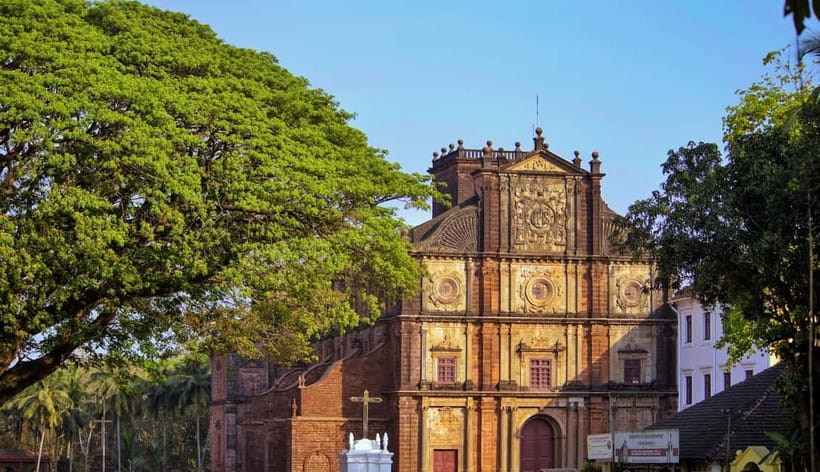
The tour begins at the entrance/parking area in front of Santa Monica Convent in Old Goa. It’s a smart starting point because you’re instantly in the world of monastic architecture—stonework, religious space, and the kind of place where the past still seems to hum.
This meeting point also helps you orient quickly. Old Goa can feel like a maze of lanes and walls until someone gives you a mental map. Here, the guide’s job is to connect buildings to the larger story, so you stop seeing them as random landmarks and start seeing them as chapters.
Church interiors and sacred art: learning to read the buildings
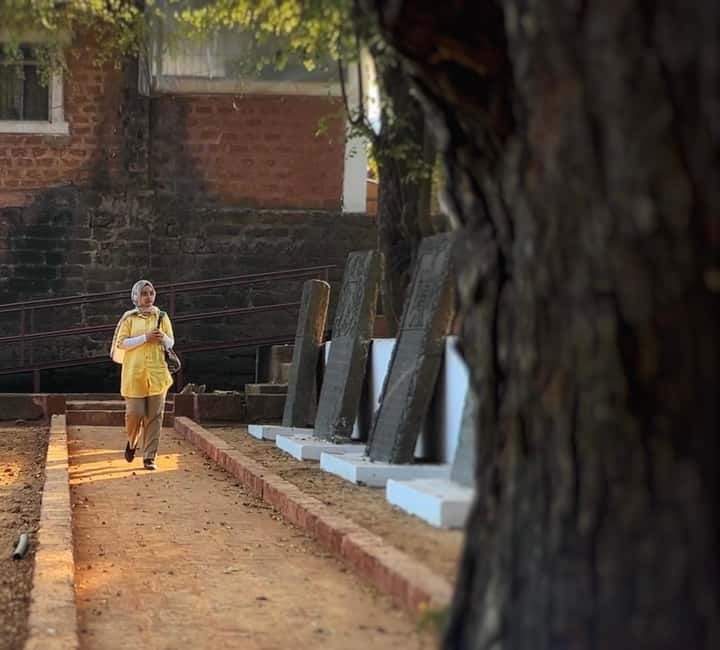
A big part of the value is that the walk includes entry to churches that are part of the route, so you’re not stuck looking from the outside. Once you’re inside, the guide helps you decode sacred art and architectural styles—what to look for and what the details likely meant to people at the time.
Portuguese influence shows up in the way religious spaces are designed and decorated, and you’ll hear how these styles weren’t just aesthetic. They were part of a larger “order of the world” that missionaries carried with them, where faith and authority moved together.
If you’ve ever stared at ornate churches and thought, I don’t know what I’m looking at, this is the fix. You get cues that make the art feel less like decoration and more like communication.
Rosary Church and the kind of corners most people skip
One of the memorable stops is the Rosary Church, described as part of the hidden nooks you get to explore. The appeal here is simple: you’re not only seeing the biggest buildings that everyone takes photos of.
Instead, you’re getting spaces tied to monastic life and devotion—settings where the story feels quieter, more personal, and less like a checklist. It’s also where the guide’s storytelling style really matters, because small places only become meaningful when someone explains what they represent.
If you like history that feels human—ritual, belief, daily practice—this kind of stop delivers more than another “big door, big church” moment.
Augustinian monastery ruins: when devotion becomes archaeology
The tour includes the ruins of the Augustinian monastery, and this is where Old Goa shifts from “beautiful churches” to the archaeology of abandonment.
From earlier Portuguese-era Christian foundations in the early 1500s to Old Goa’s early 1800s abandonment (as reflected in past tour experiences), you see a long arc: growth, consolidation, then decline. Walking among ruins gives that timeline a physical form. You’re not just hearing that something changed—you’re seeing how the place looks when time won.
A consideration: ruins can be uneven underfoot and the seating you find may be limited depending on conditions. Wear solid shoes and be ready to pause when the guide asks you to look closely.
Saints, spices, and sovereigns: how the story connects
The tour’s theme is doing more work than the title suggests. It connects multiple forces that shaped Old Goa into one system you can understand quickly.
Here’s the logic you’ll feel while walking:
- Spices tied Goa into trade networks.
- Ships made that trade possible and brought constant movement of people and goods.
- Salvation gave Portuguese colonial rule a moral and institutional backbone through missionaries and church-building.
This isn’t history in separate boxes. You’ll hear how religion and politics mixed, and how Old Goa became cosmopolitan—not just in theory, but in the way it functioned. Past groups also noted clear explanation of Portuguese colonization and Goa’s role in trade, which helps the places make more sense.
The guide matters: why the best storytelling changes everything
This walk lives or dies by the guide. The strong reviews point to guides who bring more than facts—they bring pacing, context, and a kind of narrative care.
Amreen and Gaurish have both been mentioned as past guides, and multiple groups highlighted the same strengths:
- Superb English with clear explanations.
- A passion for Goa’s past and present, plus a respectful approach to telling difficult colonial-era stories.
- A storytelling style that doesn’t throw everything at you at once—more like they set the scene, then reveal the plot.
One practical benefit: some guides reportedly choose shady spots and places to sit while explaining. That’s not a small detail in Goa. It helps you stay attentive instead of roasting while you try to process architectural clues.
What you’ll miss if you rush through Old Goa on your own
If you do Old Goa solo, you can still see churches and ruins. But you’ll likely miss the “why.” Without a guide’s translation of sacred art and colonial context, it’s easy to treat everything as scenery.
On this walk, you’re learning to connect:
- specific places to specific themes (saints, monastic life, Portuguese religious style),
- visible architecture to religious purpose,
- and colonial history to the physical footprint still on the ground.
That combination is what makes the experience more than a photo loop.
Practical expectations: timing, walking pace, and clothing rules
You’re looking at 2 hours total. That’s long enough to get meaning, but short enough that you don’t need a full day dedicated to just Old Goa.
Transport to and from the start isn’t included, so plan your route to arrive at the Santa Monica Convent area on time. Since the walk is church-heavy, dress matters. The tour notes that you should not wear:
- shorts
- short skirts
- sleeveless shirts
- ripped clothing
- see-through clothing
This is one of those details that can quietly ruin your day if you ignore it. I’d rather you show up comfortably covered and focused, than end up hunting for alternatives near church entrances.
What to bring: the small list that keeps you comfortable
The tour asks you to bring comfortable shoes, a hat, sunscreen, and water. That’s not just generic advice. Old Goa streets can be sun-heavy, and the guide will likely keep you moving between stops.
If you run warm, bring extra water in your own bag even if you’ll have a drink at the end. The tour includes a refreshment drink to conclude the walk, but it won’t replace hydration during active walking.
End with a local drink: a real reset, not a random stop
The walk finishes with a refreshment drink. This is a smart ending because you’re coming out of a lot of stone, incense-space, and story time. The drink gives you a natural moment to breathe, then decide where you want to go next on your own.
It also helps you remember the experience. That final taste becomes a marker in your brain—two hours well spent, instead of a blur of church interiors.
Who should book this walk (and who might not love it)
I think this tour is best for you if you want heritage that explains itself fast: churches, monastic ruins, and the Portuguese influence through a guide who can translate architecture and religious symbols into plain language.
You’ll also appreciate it if you’re the type who likes cause-and-effect history—trade routes, missionary activity, and political power—because the themes connect in a way that makes the physical places feel logical.
Two notes to consider:
- The activity is wheelchair accessible, but it also lists that it’s not suitable for people with mobility impairments. If that applies to you, contact the provider so you can confirm what the route will realistically look like for your needs.
- It’s also not suitable for people with heart problems. Even if you can walk slowly, the sun and pacing could matter.
Price and value: why $9 can still feel like a lot (in a good way)
At about $9 per person for a 2-hour walk, this is one of the stronger deals in Old Goa—mainly because it includes more than narration. You also get:
- entry to churches on the walk
- immersive storytelling by an expert local
- decoding of sacred art and architectural styles
- a local drink to end
The value isn’t only cost. It’s the “interpretation layer.” You’re paying for someone to help you read what you’re seeing, instead of spending money on tickets plus time plus guessing.
If you like heritage walks where your brain feels rewarded by the end—this price-to-meaning ratio is hard to beat.
So, should you book Old Goa: Saga Of Saints, Spices & Sovereigns?
If your goal in Goa is understanding—not just checking boxes—then yes, I’d book it. You’ll leave with a cleaner mental map of Old Goa and a better sense of how Portuguese-era religion, trade, and governance shaped what still stands today.
Skip it only if you strongly dislike walking between religious sites or you know you can’t comfortably handle the dress rules and heat. Otherwise, this is exactly the kind of short, focused experience that makes a place feel bigger than its postcards.
FAQ
Where does the tour start?
It meets at the entrance/parking area in front of the main entrance to Santa Monica Convent at Old Goa.
How long is the Old Goa heritage walk?
The experience lasts 2 hours.
What’s included in the price?
The tour includes entry to churches that are part of the walk, immersive storytelling by an expert local, lesser-known historical facts, decoding of sacred art and architectural styles, and a refreshment drink at the end.
Is transportation included?
No. Private/public transport to or from the meeting point is not included.
What should I wear or avoid?
Bring comfortable shoes, and plan to wear clothing that covers appropriately. Not allowed: shorts, short skirts, sleeveless shirts, ripped clothing, and see-through clothing.
Is it suitable for everyone with mobility or health concerns?
The activity notes wheelchair accessibility, but it also states it is not suitable for people with mobility impairments and not suitable for people with heart problems. If this applies to you, it’s smart to confirm route details with the operator before booking.