REVIEW · GOA
Goa: Spice Plantation Tour and Traditional Local Lunch
Book on GetYourGuide →Operated by Crossmiles Travel · Bookable on GetYourGuide
Spices in Goa smell better than you expect. I like the family-run plantation feel and the hands-on spice walk where you can touch, smell, and taste your way through the grounds. One thing to keep in mind: the guided portion can feel brief, and some people find the time at the plantation shorter than they hoped.
This works best as a calm break from beach days. You get private hotel pickup in an air-conditioned car, plus an English live guide for a small group of up to 10. Depending on who’s guiding you (I’ve seen names like Sachin, Pooja, and Stanley), the explanations can be clear and friendly, but wheelchair users may struggle with narrow, rough walking paths.
In This Review
- Key things you’ll notice right away
- A four-hour reset in Ponda, away from beach noise
- Getting picked up and riding through paddy fields
- Herbal tea welcome at a family-run spice plantation
- The walking tour: what you’ll do and how long it can feel
- What you learn about spices (and how to use it back home)
- Goan lunch buffet in earthen pots (veg, seafood, meat)
- Feni tasting: cashew spirit in the mix
- Optional temple visit and the spice shop for take-home buys
- Price and value: is $60 worth it?
- Who this tour suits best (and who should reconsider)
- Final verdict: should you book this spice plantation experience?
- FAQ
- How long is the Goa spice plantation tour?
- What is the price per person?
- What’s included in the tour?
- Is lunch vegetarian or non-vegetarian?
- What language is the live guide?
- Can I request pickup from airports or cruise terminals?
- Is the plantation walking tour wheelchair accessible?
- Are cancellation and refunds available?
Key things you’ll notice right away
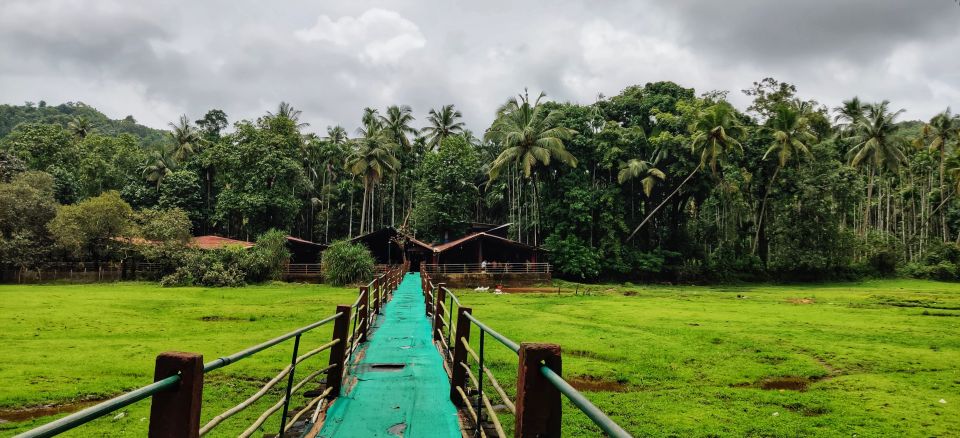
- Ponda, southern Goa: a rural detour that swaps sand and noise for plants and shade
- Short guided walk with touch, smell, taste: you’re not just looking at spices
- Warm herbal tea welcome: a gentle start before lunch
- Goan buffet in earthen pots: lots of local flavor, served on-site
- Feni tasting included: a quick taste of the cashew-based spirit
- Optional temple stop and spice shop: you can add a little extra if you want
A four-hour reset in Ponda, away from beach noise
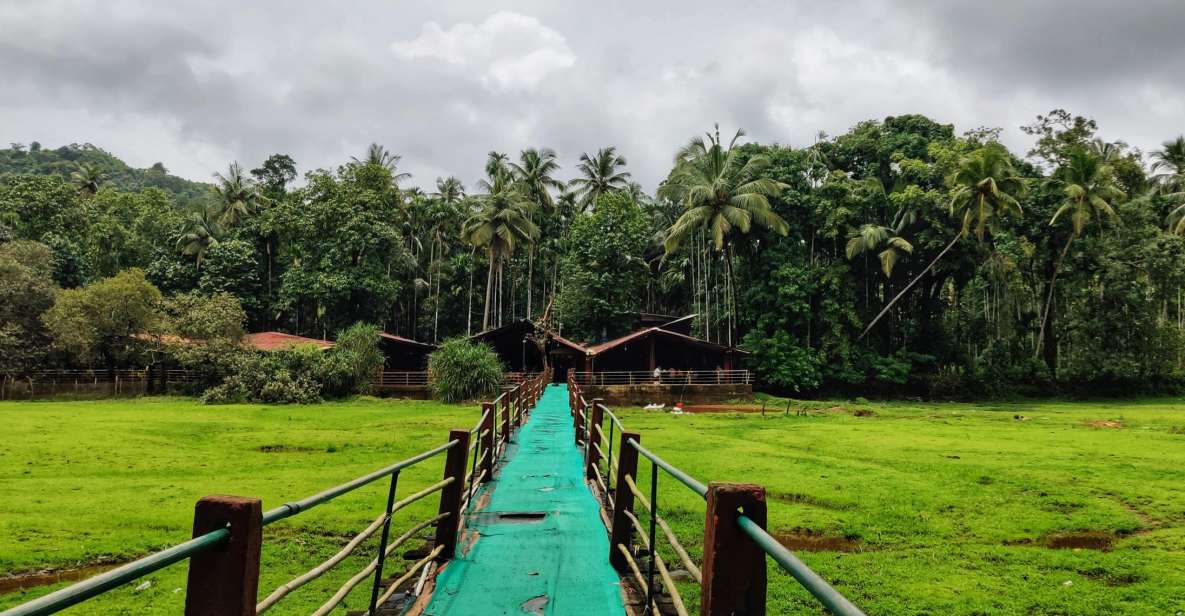
This is the kind of outing that makes your Goa trip feel more complete. Instead of another hour in the sun, you spend a half-day in Ponda, in southern Goa, where the focus is plants, growing, and everyday local cooking.
The vibe is relaxed. You start with pickup, arrive to a welcome herbal tea, then walk a portion of the plantation with staff guiding you through what’s growing. After that, lunch is the payoff: a Goan buffet made with locally grown spices and served fresh on the property.
For the price point, the big value is what’s included: transfers, entry, tea, lunch, and even a feni tasting. If you’re doing Goa on a budget (or just hate paying for extras one by one), that matters.
You can also read our reviews of more tours and experiences in Goa



Getting picked up and riding through paddy fields
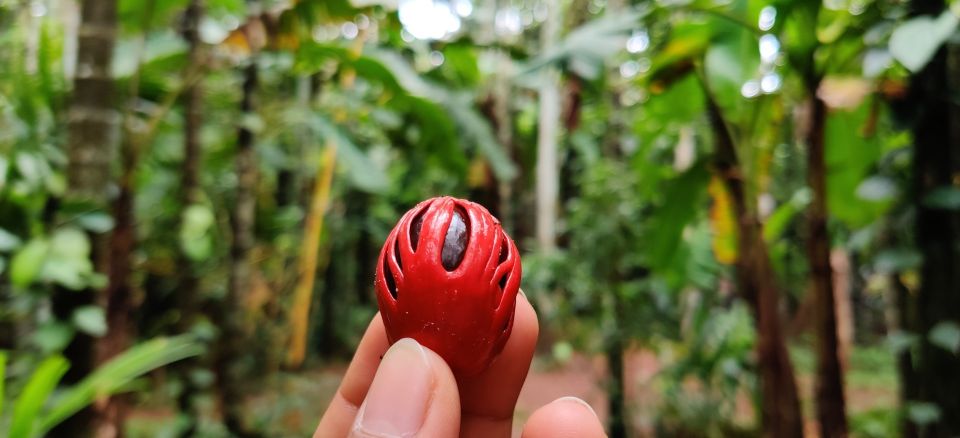
Your tour begins with private hotel pickup in an air-conditioned car. You’ll also see pickup options for major areas, including the Mormugao port cruise terminal car/coach or paging area, and airports like Goa’s Dabolim (GOI) and Mopa (GOX). One practical note: if you’re picked up from Port Mormugao Cruise Terminal, tours may be clubbed together into group service based on cruise schedules.
During the ride, you get time to look out at paddy fields and villages. This isn’t just travel time. It’s often where you get a first sense that Goa is more than beaches and seafood shacks.
If your driver is chatty, you can ask about local life and stories about the area. That little back-and-forth can make the whole morning feel more personal.
Herbal tea welcome at a family-run spice plantation
When you arrive, you’ll be greeted with a warm, soothing herbal tea. It’s a simple touch, but it sets the tone: this isn’t a showroom. It’s a working property where staff expect you to slow down and pay attention.
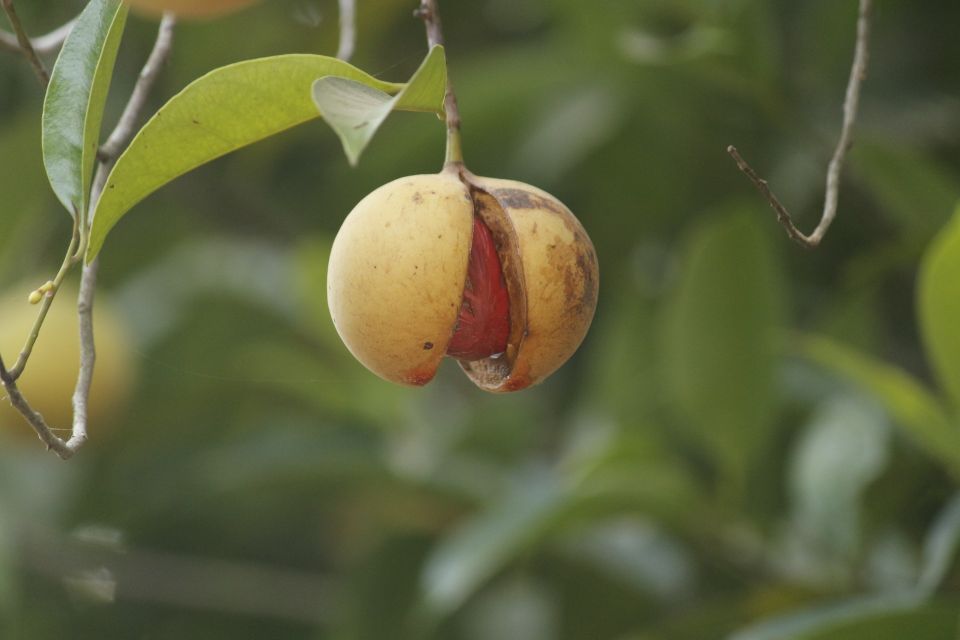
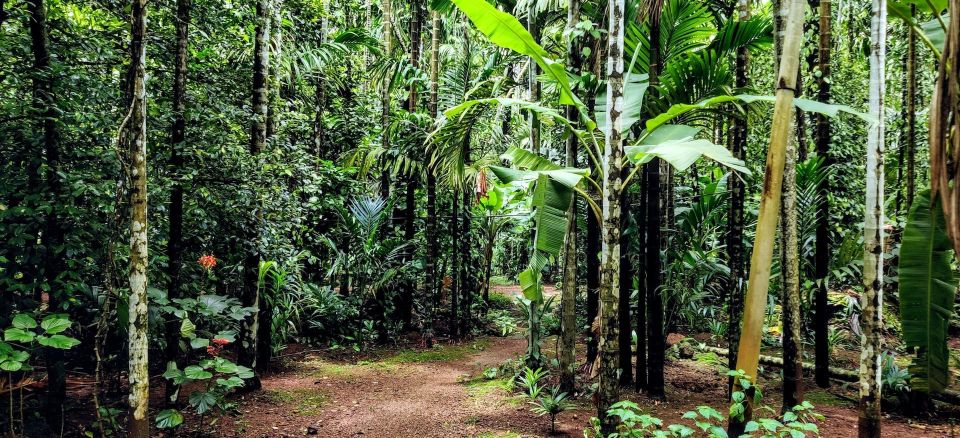
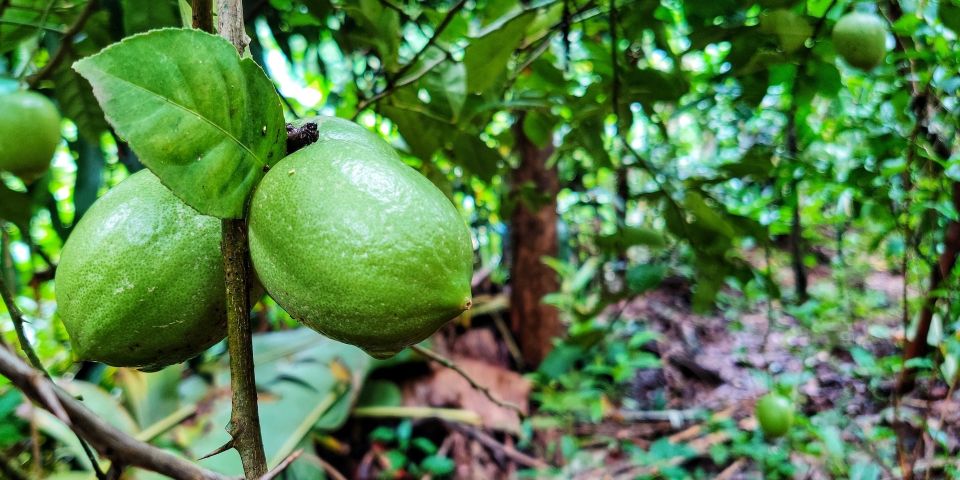
The plantation walk focuses on tropical plants that produce fruits, herbs, and spices. You’ll learn how different plants are used and, depending on the season, you may spot items like cinnamon, cardamom (black and green), mace, piri-piri chilies, coconuts, green pepper, and allspice.
The key idea here is sensory learning. You’re meant to see, touch, smell, and taste where the guide allows it, so your brain keeps the details. Spices are hard to remember when all you do is read names. They’re easy to remember when your senses are involved.
The walking tour: what you’ll do and how long it can feel
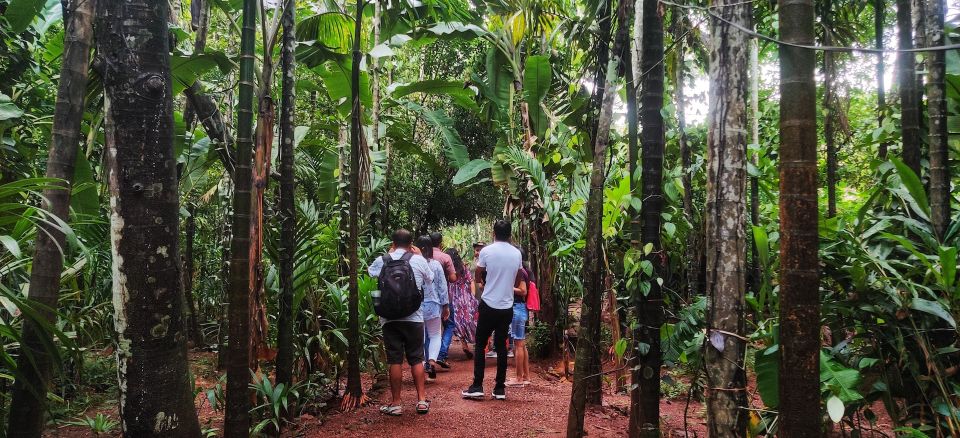
The guided walk is described as a short loop through part of the plantation. You can explore at a relaxed pace, but keep your expectations realistic.
The walking time seems to land around the 20–25 minute range for some groups. If you’re the type who wants a long, slow stroll with deep time for photos and questions, you might feel slightly shortchanged. On the other hand, if you want a quick, high-sense introduction to spices without turning it into a whole hike, the shorter format can be perfect.
Also, timing matters. You’re on a 4-hour total tour, and lunch is built into that. So the day is designed to balance “spice education” with “food first.”
Wheelchair users are welcome to the property, but you might not be able to participate in the walking tour because surfaces can be narrow and rough. If mobility is a concern, ask ahead about what portion of the grounds can be covered comfortably.
What you learn about spices (and how to use it back home)
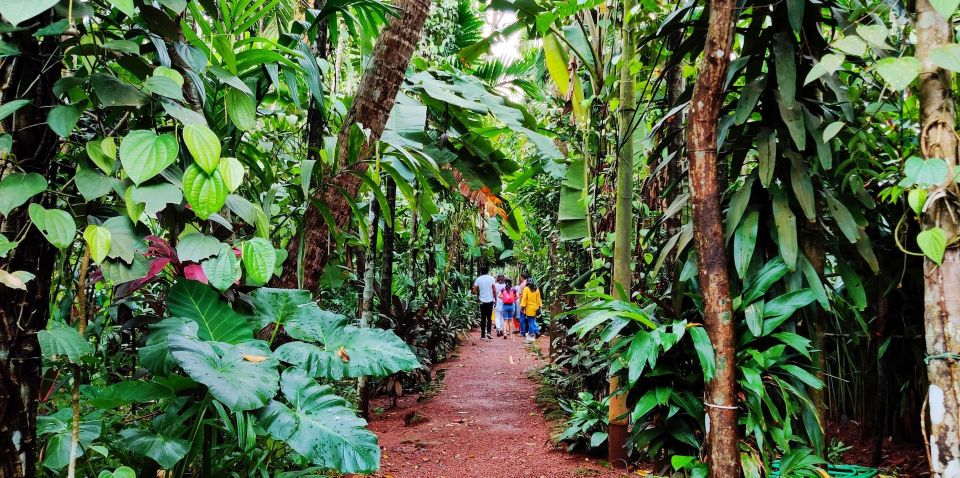
This tour isn’t only about identifying plants. The staff explain uses and health-related benefits of each spice, along with practical tips for incorporating them into your own routine.
That’s where the experience becomes more than a nice break. You leave with a sense of how Goan cooking gets its flavor: spice isn’t an abstract concept. It’s something people harvest, dry, store, and cook with in everyday meals.
A small but useful mindset shift: focus on the plants that match how you actually cook. If you love curries, you’ll likely care most about chilies, pepper, cardamom, and cinnamon. If you bake or make tea, the cardamom/cinnamon angle may stick with you longer.





Goan lunch buffet in earthen pots (veg, seafood, meat)
Lunch is served after the plantation walk and is part of the included package. The buffet includes vegetarian, seafood, and meat preparations, and the food incorporates spices grown locally.
Food served in earthen pots tends to taste different. It can feel less oily and more fragrant. Even if you’re not a foodie, it’s the kind of detail that can make the meal feel like it comes from the place, not just from a nearby kitchen.
You should come hungry, but also ready for variety. Goan buffets usually include a mix of rice or breads and several cooked dishes, plus flavorful sauces. The spices you learned earlier aren’t just for show. They show up again on the plate.
If you have allergies, the important step is straightforward: tell the operator in advance at booking and on the day of the tour. The tour notes specifically ask you to inform them for any food allergies.
Feni tasting: cashew spirit in the mix
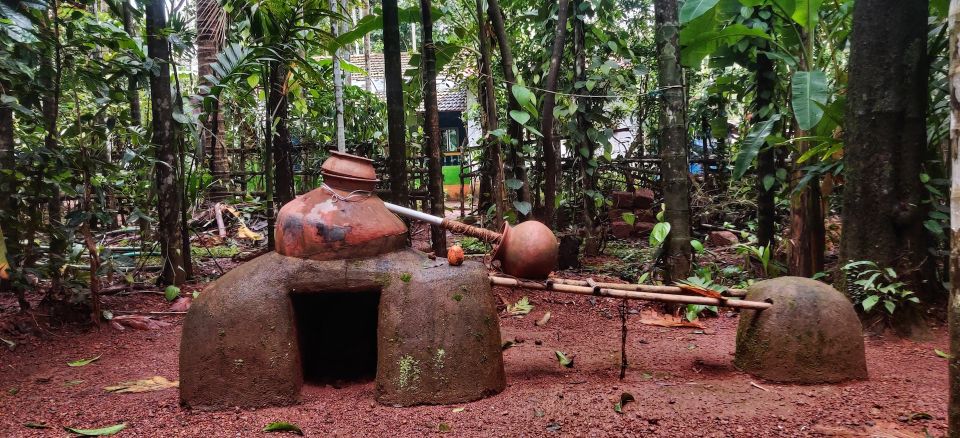
One of the most memorable included items is the feni tasting. Feni is a local liquor made from cashew fruit and distilled in a traditional pot.
You’re not expected to become an expert in one small pour. Think of it as a taste of Goa’s identity. It’s also a helpful pairing with lunch because Goan cuisine often has a mix of heat, tang, and savory depth. A small sip can make those flavors feel more intense.
If you want more than the included tasting, plan on paying extra for additional drinks. Soft drinks, beer, and wine are available at an extra cost payable directly at the plantation, and extra feni is also an additional-charge item.
Optional temple visit and the spice shop for take-home buys
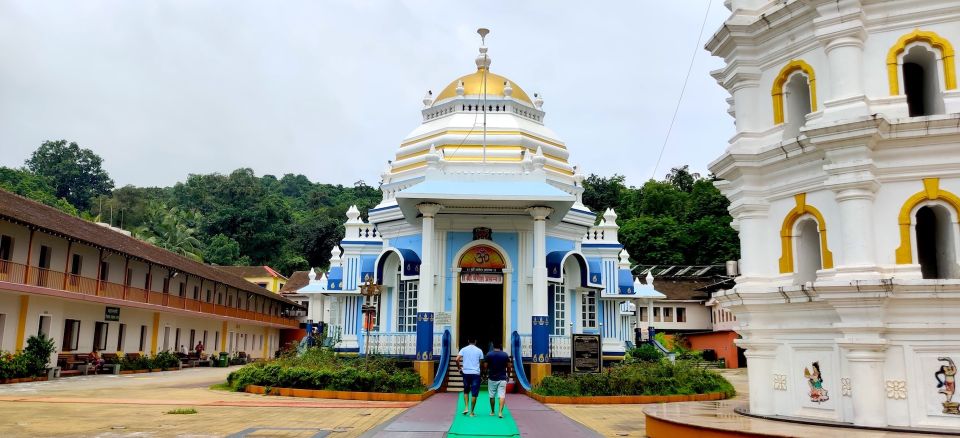
After lunch, you may have the chance to visit a local Hindu temple if you want. This can be a nice add-on, especially if you like seeing how religious life fits into daily rural Goa.
There’s also an on-site shop where you can purchase spices. This is practical. Spices are easiest to buy when you’ve just learned what they smell like and how they’re used. You’ll know what to look for, and you’ll have a better sense of what’s worth paying for.
Tip: don’t feel pressured to buy right away. If you’re interested, taste/smell a few things first during the walk, then compare what the shop offers.
Price and value: is $60 worth it?
$60 per person can be a strong value for Goa, mainly because the price bundles together the stuff people usually pay separately:
- hotel pickup and drop-off
- entrance to the plantation
- buffet lunch on-site
- herbal tea welcome
- feni tasting
If you were to replicate that on your own—transport, entry, and a full lunch—you’d likely spend more, especially in peak beach season when taxis and planned meals add up.
That said, value depends on what you want most. If your top priority is a long, deep plantation walk, you may feel the timing is tight. If your goal is a short, well-structured spice intro plus a satisfying Goan lunch, it’s a good deal.
Who this tour suits best (and who should reconsider)
This experience is a great fit if you want:
- a break from the crowds and noise of Goa’s beaches
- a sensory introduction to spices (smell, touch, taste)
- included lunch that actually feels like local food, not a generic stop
It may be less ideal if:
- you’re expecting a long walking tour that fills most of the 4 hours with plantation time
- you rely on stable, wide surfaces for mobility and need a fully wheelchair-friendly route
If you do have mobility needs, still consider it—but plan on the likelihood that the walking portion may not be fully accessible.
Final verdict: should you book this spice plantation experience?
I’d book it if you want a calm half-day in Ponda that combines spices, a real Goan lunch, and one included local drink. The included tea, lunch in earthen pots, and feni tasting give the tour enough substance that it doesn’t feel like a quick photo stop.
I’d hesitate if you’re the type who counts minutes and needs a long guided walk. In that case, you could end up wanting more time on the grounds.
If you go, do it with the right mindset: this is a short, well-structured spice and food experience designed to leave you refreshed, not exhausted.
FAQ
How long is the Goa spice plantation tour?
The total duration is 4 hours.
What is the price per person?
The price is $60 per person.
What’s included in the tour?
Hotel pickup and drop-off, entrance to the spice plantation, a buffet lunch at the plantation, herbal tea, and a feni tasting are included.
Is lunch vegetarian or non-vegetarian?
The lunch buffet includes vegetarian and non-vegetarian dishes, including seafood and meat preparations.
What language is the live guide?
The live tour guide is in English.
Can I request pickup from airports or cruise terminals?
Yes. Pickup can be arranged from airports (GOI Dabolim and GOX Mopa) and also from the Mormugao port cruise terminal car/coach or paging area.
Is the plantation walking tour wheelchair accessible?
Wheelchair users are welcome to the property, but the walking tour may not be possible due to narrow and rough surfaces.
Are cancellation and refunds available?
Free cancellation is available up to 24 hours in advance for a full refund.