REVIEW · GOA
Divar Island: Local Goan Village Tour with Traditional Lunch
Book on GetYourGuide →Operated by Make It Happen · Bookable on GetYourGuide
Goa has quieter chapters on Divar Island. The mix of village streets, old temples, baroque churches, and Indo-Portuguese houses makes this tour feel personal and real, not staged. I especially like the energy of storyteller Pritam and the traditional lunch served in a Portuguese house or a riverside setting, which turns history into something you can taste. One drawback: this is not a walk-anywhere heritage stroll, so you’ll need a vehicle to reach the stops.
You start by landing at the ferry area, then follow the guide into village life, where you’ll learn how Portuguese rule shaped daily culture over centuries. I also like that you don’t just see monuments—you stop at places tied to faith and local food, including St. Mathias Church, Our Lady of Candelaria Chapel, and Saptakoteshwar Temple, plus a bakery where Goan bread is made. Plan for a bit of time on your feet, and remember you’ll remove shoes in temples and worship spaces.
In This Review
- Key things I’d circle before you go
- Divar Island on the Mandovi River: why this village tour feels different
- Finding the meeting spot at Ribandar, St. Pedro Ferry Terminal
- First moments on the Mandovi: fishing life before the village
- Rainbow village streets and Portuguese-era houses
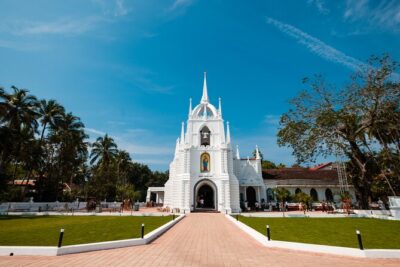
- St. Mathias Church and the baroque-style church stops
- Saptakoteshwar Temple: the ancient side of Goa’s faith mix
- The Goan bakery break: watch bread get made and get recipe ideas
- Traditional lunch at a Portuguese house or riverside resort
- Hilltop view time: Old Churches of Goa from above
- Price and logistics: value at about $24 per person
- Should you book the Divar Island local village tour?
- FAQ
- How long is the Divar Island village tour?
- Where is the meeting point?
- Do I need a vehicle for Divar Island?
- What’s included in the tour price?
- What lunch will I get?
- Which sites do you visit?
- Do I need to bring anything specific?
- Is the guide available in English?
- Is there free cancellation and a pay-later option?
Key things I’d circle before you go
- A storyteller who brings the island to life: Pritam is known for energetic, easy-to-follow storytelling.
- Portuguese influence you can actually see in houses, streets, and the way daily life developed.
- Faith sites that show Goa’s mix: St. Mathias Church (16th century), Candelaria Chapel, and Saptakoteshwar Temple.
- Lunch is part of the experience: a traditional Goan meal at a Portuguese house or riverside resort.
- Bread-making stop: watch traditional Goan baking and pick up recipe ideas from the chef.
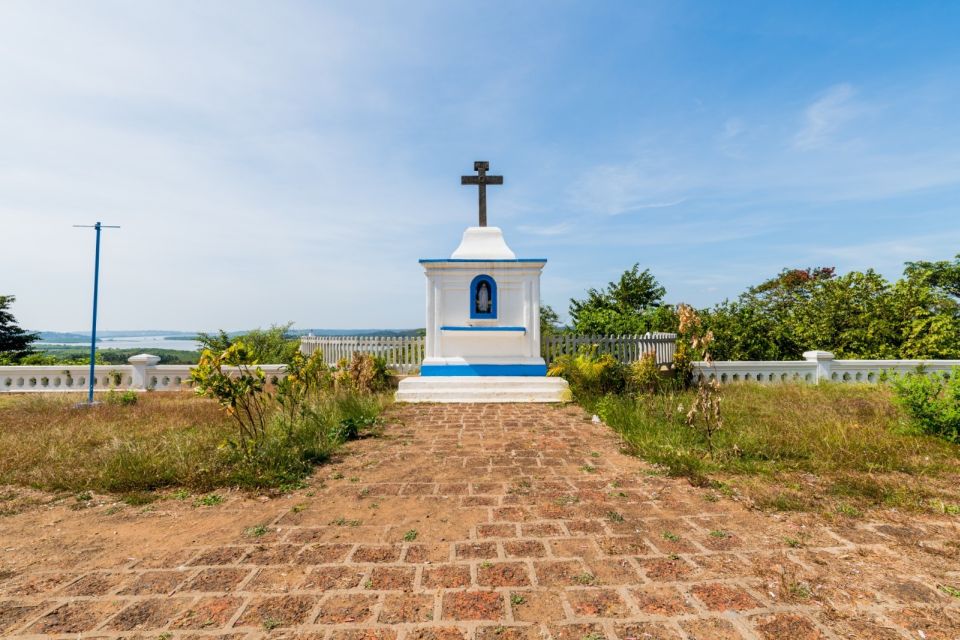
- Hilltop payoff: a view over the Old Churches of Goa and the river before you head back.
Divar Island on the Mandovi River: why this village tour feels different
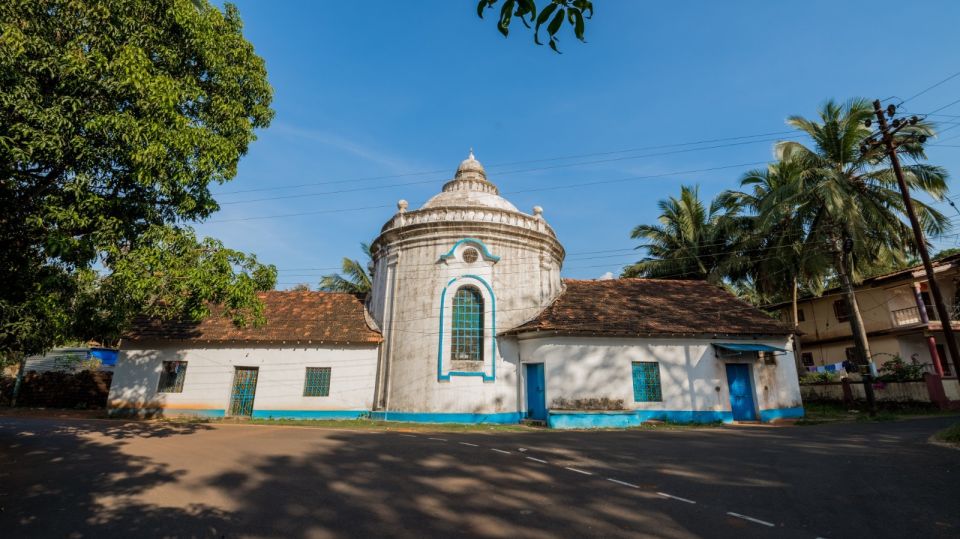
Divar Island sits across from Goa’s main action, and that’s the point. The scenery slows down—paddy fields, winding roads, and colorful homes stacked along the streets—so the island feels like a living place instead of a sightseeing list.
What makes this tour work is the balance. You get the religious landmarks, sure, but you also get the everyday layers: fishermen by the Mandovi River, local food culture, and the Portuguese-era footprint that shaped how villages look and function. If you like your travel with context (and a full stomach), this fits well.
You can also read our reviews of more tours and experiences in Goa



Finding the meeting spot at Ribandar, St. Pedro Ferry Terminal
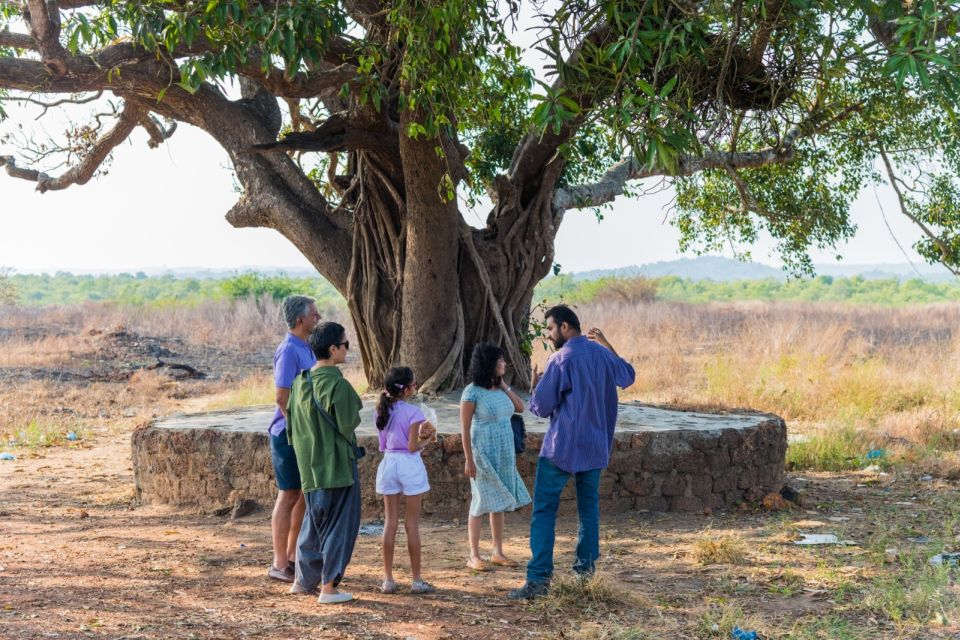
The meeting point is on the Ribandar side of the ferry terminal. You’ll meet your storyteller there, and you should not take the ferry across on your own before the guide checks you in.
This matters because the tour is built around timing and flow. You’ll want to arrive with a little buffer so you’re not sprinting for a departure, especially since your day depends on having the right transport plan once you’re on the island side.
First moments on the Mandovi: fishing life before the village
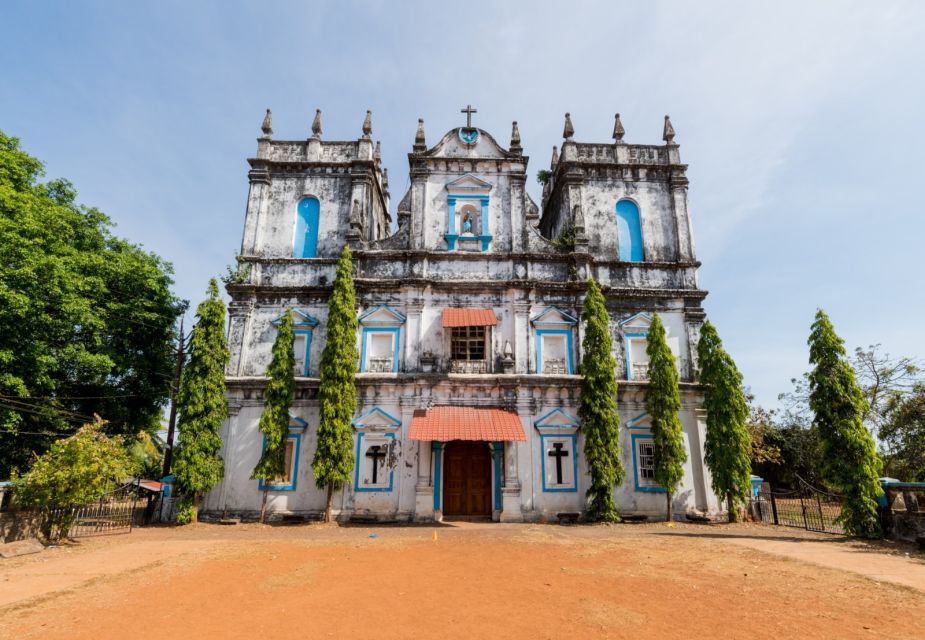
Right after you disembark, you’ll meet locals with fishing rods cast into the Mandovi River. This is a small moment, but it sets the tone: Divar isn’t just churches and photo stops—it’s people who earn a living right where you’re standing.
Your guide explains what’s happening and how fishing methods work. It’s one of those “Oh, that’s how it’s done” bits that makes the island feel practical, not romanticized.
Rainbow village streets and Portuguese-era houses
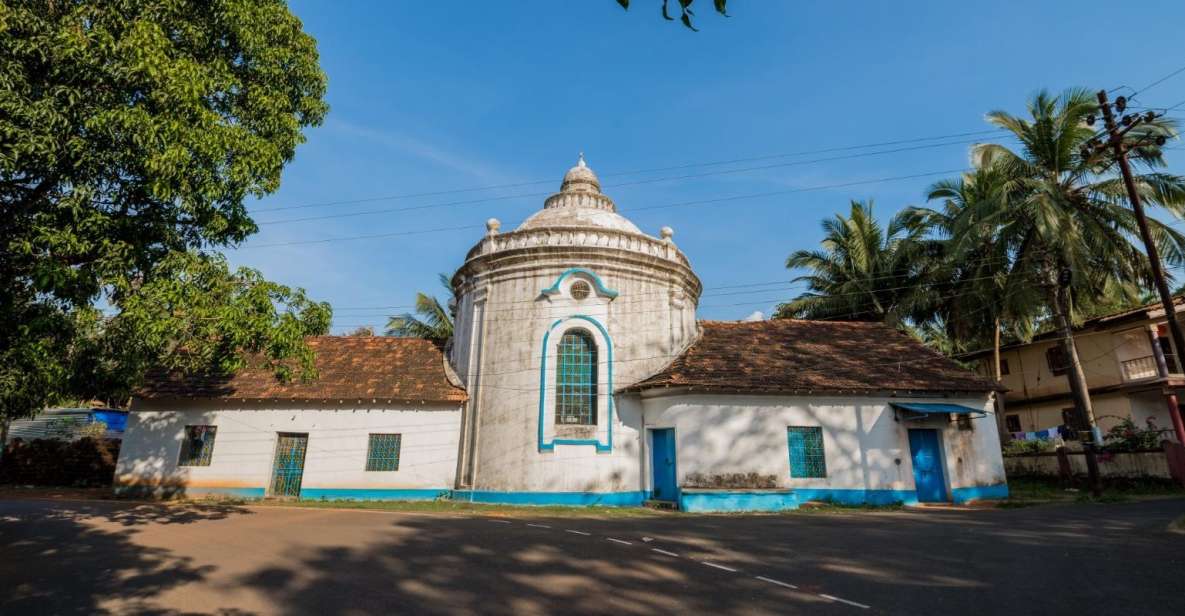
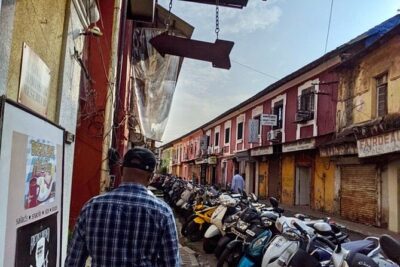
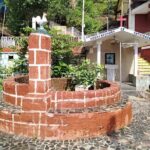
Once you head into the village, expect a slow walk through streets lined with bright, colorful houses. The guide helps you read what you’re seeing—architecture, street layout, and the way the community evolved.
The Portuguese occupation of the region isn’t treated like a dry lecture. Instead, you’ll see its impact in the way homes and village life developed over centuries, including the Indo-Portuguese style you’ll notice as you move from one point to the next. If you enjoy history that shows up in real buildings, this portion is a highlight.
St. Mathias Church and the baroque-style church stops
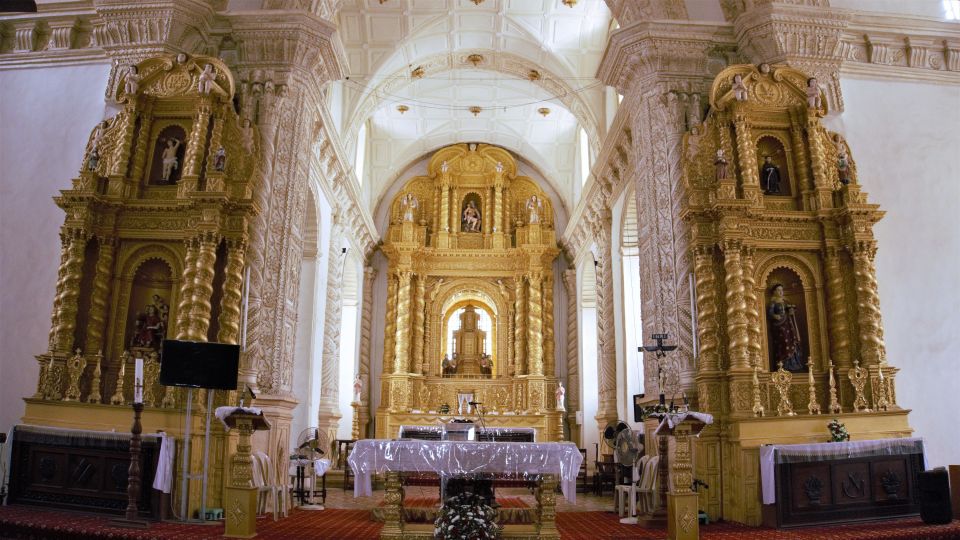
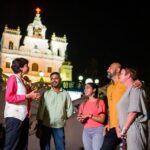
The tour includes St. Mathias Church, noted as a 16th-century stop, plus other church sites that reflect Goa’s Portuguese influence. These aren’t only “look at the facade” moments. Your guide points out how faith and power shaped what was built, and why churches became major landmarks.
You’ll also visit Our Lady of Candelaria Chapel, which adds a quieter, chapel-scale feel after the larger church energy. If you like comparing styles—older stone work, chapel simplicity, and church grandeur—this church segment will give you a satisfying arc.




Saptakoteshwar Temple: the ancient side of Goa’s faith mix
After the church stops, you shift to an ancient temple site: Saptakoteshwar Temple. This is an important counterpoint, because it shows Goa’s religious mix in a way that feels grounded and local.
One practical note: you’ll need to remove your shoes in temples and places of worship. Bring footwear you can slip off without turning your day into a wrestling match, and keep that in mind when choosing comfortable shoes for the tour.
The Goan bakery break: watch bread get made and get recipe ideas
Between monuments and lunch, you’ll stop into a traditional Goan bakery. This is where you’ll see how local bread is baked—hands-on, practical, and tied to daily life rather than tourism.
You can also pick up recipes from the chef. I like this kind of stop because it gives you something to take home: not just a photo, but a real idea for what to cook later. If you’re a foodie, this is one of those “small time investment, big satisfaction” moments.
Traditional lunch at a Portuguese house or riverside resort
Lunch is served after the village touring, and it’s a traditional Goan meal. What I like here is that lunch isn’t stuck in a generic restaurant setting—it’s served in a Portuguese house or at a riverside resort, which keeps the day feeling connected to the island.
This is also a good pacing tool. You’ve spent time walking and visiting worship spaces and village lanes; then you sit down and recharge. It turns the tour from “constant looking” into a more human rhythm.
Hilltop view time: Old Churches of Goa from above
At the end of the tour, you head up into the island hills for a view over the Old Churches of Goa and the river below. The climb is worth it because it gives you a big-picture moment—suddenly the island, the water, and the famous churches relate to each other in one glance.
This is a strong finish for photographers, and even if you don’t shoot pictures, it helps your brain connect the dots: this isn’t random travel; it’s a region with layered landmarks.
After that, you take the ferry back to the mainland, ending the day right where you started the route around St. Pedro Ferry Terminal.
Price and logistics: value at about $24 per person
At $24 per person for a 3.5-hour experience, you’re paying for three things that add up fast: an English-speaking storyteller, traditional lunch, and access to heritage sites. If you were doing these individually—guide time, entry to sites, and a proper lunch—you’d likely spend more.
The main logistical trade-off is that you must arrange transport for the island portion. This isn’t a walking trail, so you can’t rely on long stretches on foot. The tour also doesn’t include hotel pickup or drop-off, so you’ll handle getting to the meeting point and moving between stops.
Who this tour suits best:
- You want authentic Goan village life, not just a monument checklist.
- You enjoy history explained through people, houses, and everyday practices.
- You want a guide who talks in a lively way; Pritam’s energetic, spice-in-the-story style gets strong praise.
Who might find it less ideal:
- You don’t want to deal with a vehicle plan or off-and-on walking near uneven areas.
- You’re not comfortable removing shoes in worship spaces.
Should you book the Divar Island local village tour?
If you’re the type who likes a small, meaningful day—one with a storyteller, village streets, church-and-temple variety, and lunch that feels tied to place—this is an easy “yes.” The price-to-experience ratio is strong, especially because lunch and guided access are built in.
Just be honest about the logistics: since this is not a walking trail, you’ll need transport to move between sites and reach the meeting point properly. If you plan for that, you’ll end up with a Goa day that feels calm, local, and memorable in the best way—food first, stories second, and views as the payoff.
FAQ
How long is the Divar Island village tour?
The tour lasts about 3.5 hours.
Where is the meeting point?
You meet at the Ribandar side of the ferry terminal. Do not take the ferry across without meeting the storyteller.
Do I need a vehicle for Divar Island?
Yes. This experience is not a walking trail. You’ll need transportation to explore the island and reach the meeting point.
What’s included in the tour price?
It includes an English-speaking storyteller, a traditional Goan lunch, and access to heritage sites.
What lunch will I get?
You’ll have a delicious traditional Goan lunch served at a Portuguese house or a riverside resort.
Which sites do you visit?
You’ll visit St. Mathias Church (16th century), Our Lady of Candelaria Chapel, and Saptakoteshwar Temple, plus a hilltop view over the Old Churches of Goa.
Do I need to bring anything specific?
Bring comfortable shoes, sunglasses, a sun hat, and a reusable water bottle. An umbrella and comfortable clothes can help too.
Is the guide available in English?
Yes, the live guide/storyteller speaks English.
Is there free cancellation and a pay-later option?
Free cancellation is available up to 24 hours in advance for a full refund, and you can reserve now and pay later.